Eectric Seat Adjustment
Source high-quality Eectric Seat Adjustment systems and components from vetted manufacturers and suppliers. Designed for automotive aftermarket importers, parts distributors, and OEM brands, these wholesale mechanisms offer precise motor control, durable track assemblies, and reliable performance for bulk procurement.
Sourcing electric seat adjustment mechanisms requires balancing mechanical durability with electronic reliability. Whether you are procuring complete aftermarket upgrade kits or replacement components like motors, tracks, and switchgears, buyers must ensure these assemblies can withstand tens of thousands of cycles without binding, electrical failure, or excessive noise.
Critical Specifications for Seat Adjustment Mechanisms
When negotiating with manufacturers, vague specifications lead to inconsistent production. Automotive seating components must meet strict tolerances to ensure smooth operation under heavy loads.
Mechanical vs. Electrical Components
A complete electric seat adjustment system relies on three core subsystems:
- The Drive Mechanism: Includes the stamped steel or aluminum alloy tracks, worm gears, and lead screws. The primary sourcing challenge here is dimensional accuracy; poorly stamped tracks will bind or rattle.
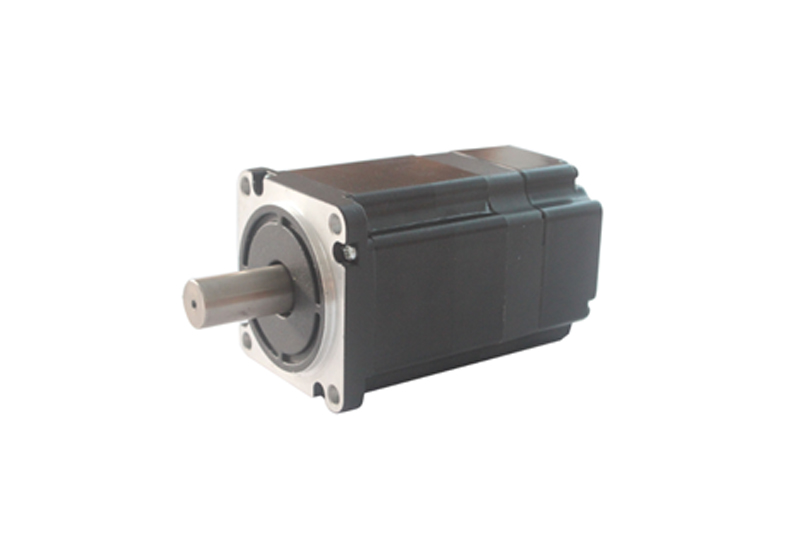
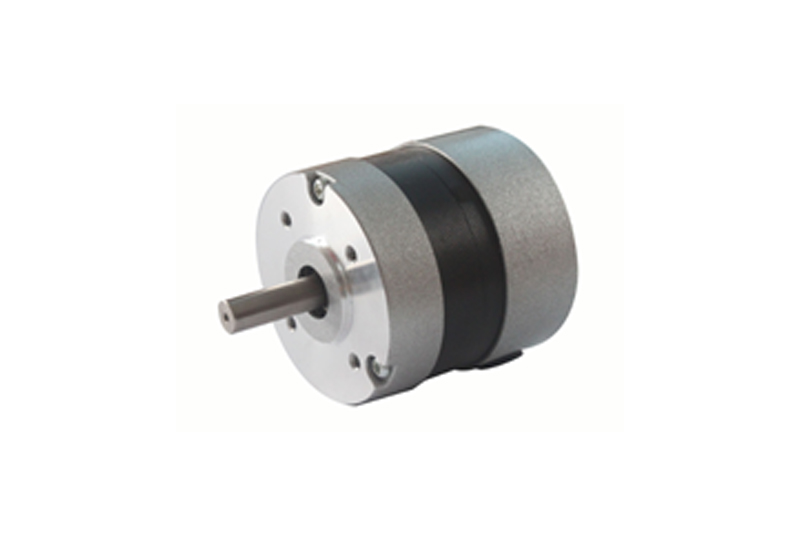
- The Actuation Motors: Typically brushed DC motors. High-quality suppliers use copper windings and robust thermal protection to prevent burnout if a user holds the switch at the end of the seat's travel.
- The Control Electronics: Ranges from simple analog switches to complex memory modules integrating with the vehicle's CAN bus.
Struggling to find reliable automotive component manufacturers? Let our sourcing experts match you with verified, automotive-grade factories.
Talk to our teamManufacturing Quality and Factory Vetting
The automotive aftermarket is flooded with low-tier suppliers cutting corners on raw materials. A common failure point in cheap electric seat tracks is the use of inferior nylon gears inside the transmission housing, which strip under heavy load.
When conducting Factory Audits for seat adjustment suppliers, prioritize facilities with in-house metal stamping and motor winding capabilities. Relying on assemblers who outsource critical components increases your defect rate.
Pre-Shipment Inspection Focus Areas
- Load Testing: Verify smooth operation with a simulated passenger weight of 120kg.
- Noise and Vibration: Check for grinding or clicking noises indicative of gear misalignment.
- Thermal Cutoff: Ensure motors shut down automatically when encountering an obstruction.
- Dimensional Tolerance: Measure mounting hole distances against OEM specifications.
Implementing strict Quality Control & Inspection protocols before the container leaves the factory is essential. Reworking defective seat tracks after they have arrived at your domestic warehouse is cost-prohibitive.
OEM/ODM Customization and Integration
For brands developing proprietary seating solutions or specialized aftermarket kits, off-the-shelf components rarely suffice. You may need custom wiring harnesses, specific switch bezel designs, or memory modules programmed for specific vehicle platforms.
Engaging a manufacturer for OEM/ODM Services requires clear technical drawings (CAD) and detailed electrical schematics. Ensure your supplier has experience with automotive electromagnetic compatibility (EMC) standards, as poorly shielded seat motors can interfere with other vehicle electronics.
Pricing, MOQs, and Production Lead Times
Pricing for electric seat adjustment components varies heavily based on the complexity of the system (e.g., simple 4-way adjustment vs. 8-way with memory and lumbar support).
- Minimum Order Quantities (MOQs): Complete assembly kits typically require MOQs of 200 to 500 sets. Individual components (like replacement motors or switches) often start at 1,000 to 3,000 units.
- Lead Times: Standard production runs take 30 to 45 days. If you are developing custom tooling for new track designs or switch housings, expect an additional 40 to 60 days for mold creation and sample validation.
- Cost Drivers: The primary cost variables are the grade of steel used in the tracks, the presence of memory control modules, and the quality of the electric motors.
Need to negotiate better terms or lower MOQs? We help volume buyers secure competitive pricing and favorable production schedules.
Get a free consultationFrequently Asked Questions
Successful procurement in the automotive accessories category requires looking past the lowest unit price and focusing on component longevity. By partnering with technically capable manufacturers and enforcing rigorous quality standards, you can secure electric seat adjustment systems that protect your brand's reputation and reduce costly returns.
Get Sourcing Help for Eectric Seat Adjustment
Tell us your requirements and our experts will connect you with verified manufacturers.