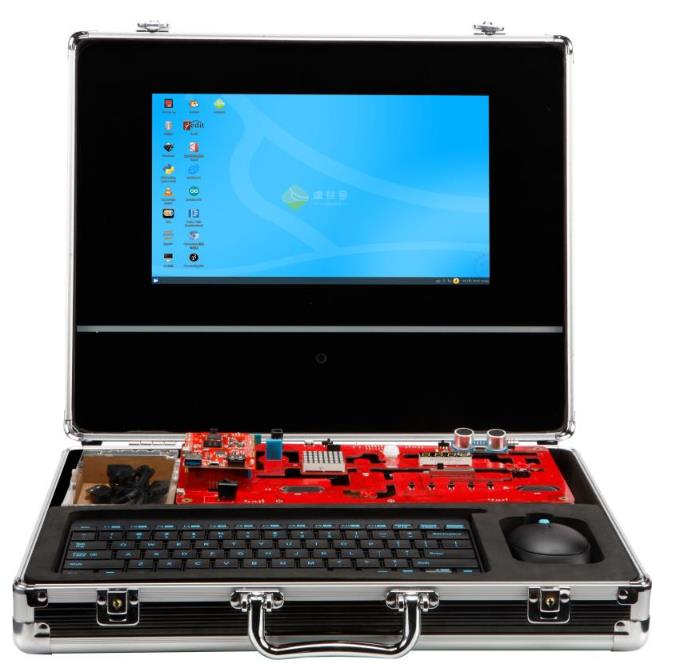
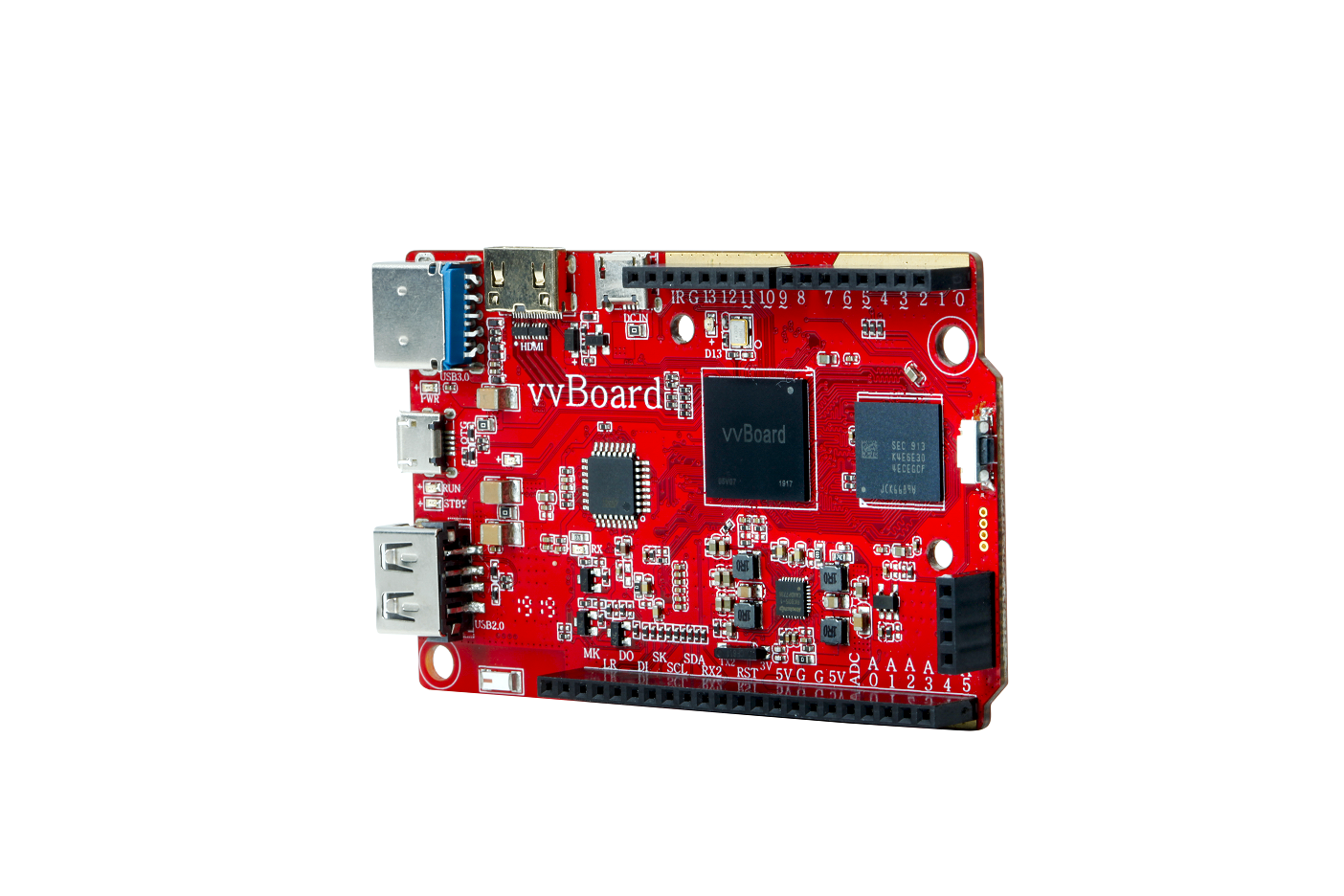
Educational Kits
Source premium electronic Educational Kits in bulk from vetted manufacturers and suppliers. Designed for importers, distributors, and STEM brands seeking reliable wholesale or OEM/private-label production. Ensure strict component quality, accurate kitting, and full market compliance for your next product line.
Educational electronic and maker kits combine highly diverse bills of materials (BOMs) into a single, retail-ready package. When sourcing these products at volume, the primary challenge is rarely the underlying technology. Instead, the risk lies in supply chain consolidation: ensuring component authenticity, flawless manual kitting, and rigorous compliance documentation across thousands of units. A single missing jumper wire or a counterfeit microcontroller can render an entire kit unusable and damage your brand's reputation.
Managing the Bill of Materials (BOM)
The foundation of any educational kit is its BOM, which often contains dozens or hundreds of distinct SKUs. Factories assembling these kits usually manufacture only the printed circuit boards (PCBs) and source the rest of the components from secondary markets in Shenzhen or surrounding hubs.
Controlling the quality of these sub-components requires strict specifications:
Critical Component Specifications
- Microcontrollers (MCUs): Specify original silicon (e.g., genuine FTDI or CH340 USB-to-serial chips) to prevent driver incompatibility issues on user computers.
- Breadboards: Demand phosphor bronze or nickel-plated spring contacts rated for a minimum of 10,000 insertion cycles.
- Passive Components: Ensure resistors and capacitors are taped and clearly labeled, as beginners cannot easily identify color codes.
- Jumper Wires: Specify copper-core wires with reinforced crimps; cheap aluminum-core wires break easily inside breadboards.
Need to verify a factory's component sourcing network and kitting capabilities before placing an order?
Talk to our teamKitting Accuracy and Quality Control
Because educational kits consist of numerous small parts, kitting is an intensely manual process on the factory floor. The most common defect in this category is not electronic failure, but missing components.
Advanced assembly lines mitigate this risk by using precision weight scales at the end of the packing line. If a kit's final weight deviates by even a fraction of a gram, it is flagged for manual recount. When establishing your Quality Control & Inspection protocols, mandate a multi-stage verification process: incoming material inspection (IQC) for the raw components, in-line visual checks during sorting, and final precision weighing before shrink-wrapping.
Compliance and Market Regulations
Electronic kits occupy a complex regulatory space. While standard development boards are generally classified as electronic equipment, kits marketed specifically to younger students may be reclassified as toys by customs authorities.
Regulatory Classification Risk
If your packaging, marketing materials, or curriculum targets children under 14 years old, the kit may be subject to strict toy safety standards (such as EN71 in Europe or ASTM F963 in the US), in addition to standard CE, RoHS, and FCC requirements.
Navigating this distinction early is critical. If your target demographic requires toy-grade certification, the factory must use non-toxic plastics, lead-free solder (strictly enforced), and specific warning labels. Utilizing professional Compliance & Testing services ensures your shipment won't be seized at the port of entry due to improper labeling or missing lab reports.
Customization and Buying Mechanics
Most suppliers offer off-the-shelf "starter kits" that can be quickly white-labeled. However, brands developing proprietary STEM curriculums often require full OEM/ODM Services to customize the PCB layouts, sensor selections, and structural hardware.
Custom kits require customized packaging—typically compartmentalized plastic tackle boxes or die-cut EVA foam inside rigid cardboard. The packaging must survive international freight without internal components migrating and mixing.
Planning a custom STEM kit run? Let us help you finalize the BOM and negotiate terms with capable assembly partners.
Get a free consultationFrequently Asked Questions
Sourcing educational kits at scale requires meticulous attention to detail, moving far beyond simple price negotiation into rigorous BOM management and defect prevention. Partnering with experienced sourcing professionals ensures your custom configurations are assembled accurately, certified correctly, and delivered ready for the classroom.
Get Sourcing Help for Educational Kits
Tell us your requirements and our experts will connect you with verified manufacturers.