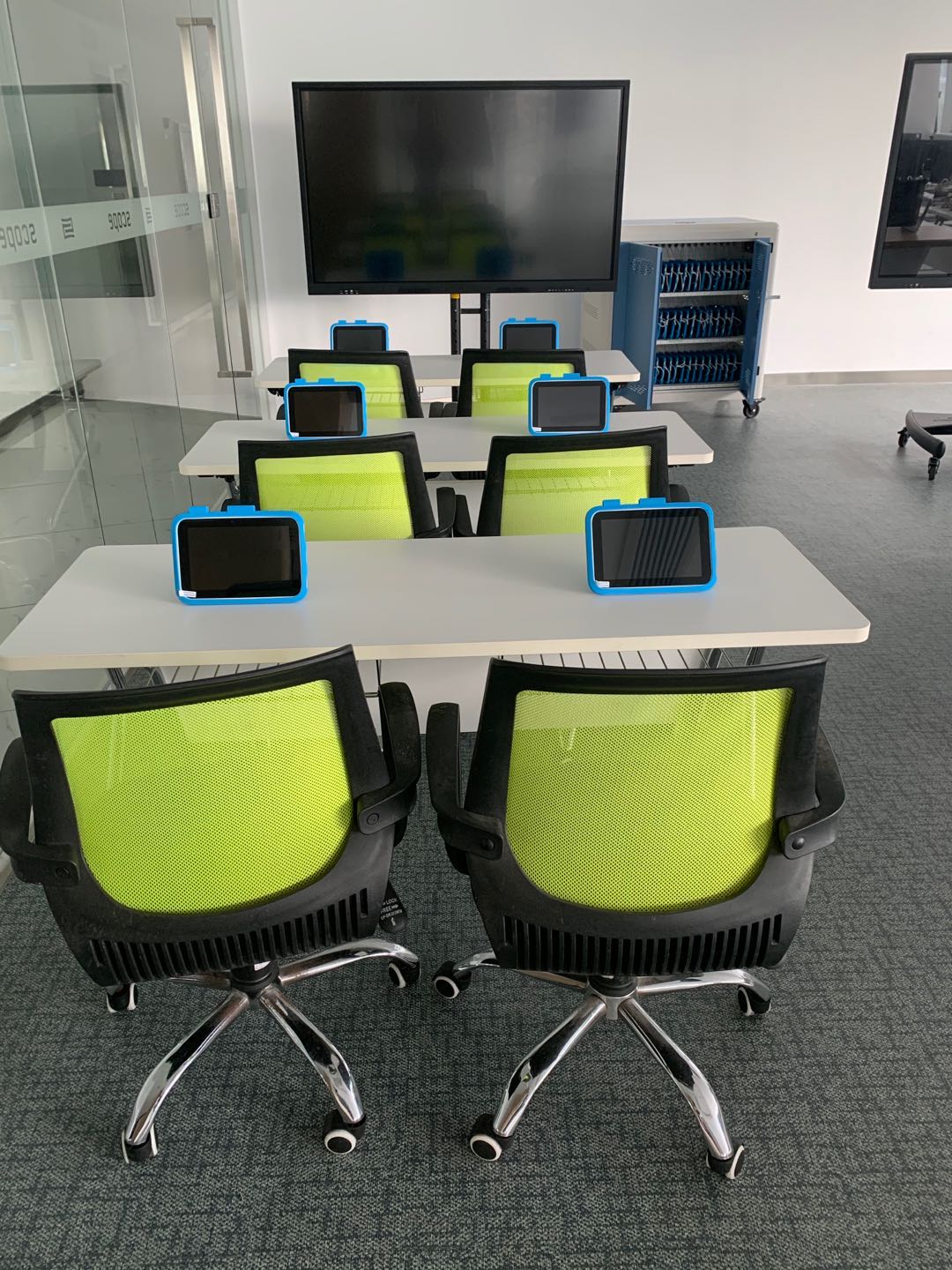
Educational Equipment
Source high-quality Educational Equipment from vetted suppliers and manufacturers across Asia. Designed for importers, distributors, and procurement managers, our network supports bulk wholesale orders and custom OEM/ODM production. Secure reliable manufacturing partners for institutional-grade classroom and laboratory equipment.
Sourcing educational equipment at scale requires a careful balance between institutional budget constraints and strict safety, durability, and accuracy standards. Whether you are procuring interactive digital displays, laboratory apparatus, or anatomical models, the core challenge lies in verifying factory capabilities and ensuring consistent quality control across varied material types.
Regional Manufacturing Hubs in China
The educational equipment sector is highly specialized, with manufacturing clusters divided by material and technological requirements. Understanding these regional strengths is the first step in identifying the right factory profile.
| Capability | Guangdong Province | Zhejiang Province | Jiangsu Province |
|---|---|---|---|
| Core Expertise | Interactive electronics, smart boards, STEM robotics | Anatomical models, plastic manipulatives, basic physics gear | Laboratory glassware, optical microscopes, metal apparatus |
| Supply Chain | Advanced PCB and display panel sourcing | Injection molding and bulk plastic extrusion | Precision glass blowing and metal machining |
| Typical Buyer | EdTech brands, AV distributors | School supply wholesalers | Scientific and lab equipment importers |
Material Specifications and Compliance
Institutional buyers, particularly public school districts and universities, require strict adherence to safety and performance standards. Equipment must withstand high-traffic use while meeting regional regulatory frameworks. Navigating these requirements often necessitates specialized Compliance & Testing before mass production begins.
Critical Specifications to Verify
- Plastics & Polymers: Ensure ABS or PVC materials are non-toxic, phthalate-free, and UV-stabilized to prevent yellowing over time.
- Electronic Components: Verify CE, FCC, and RoHS certifications for all smart boards, digital podiums, and powered lab equipment.
- Glassware: Specify borosilicate glass (e.g., 3.3 expansion rate) for thermal shock resistance in chemistry and physics apparatus.
- Metals & Coatings: Require powder-coated steel or anodized aluminum to prevent corrosion in high-humidity lab environments.
- Calibration: Demand documented ISO/IEC 17025 calibration certificates for measurement instruments and scales.
Struggling to align supplier capabilities with strict institutional compliance standards?
Talk to our teamQuality Control on the Factory Floor
Defects in educational equipment often stem from poor assembly tolerances or substandard raw materials substituted during mass production. Implementing robust Quality Control & Inspection protocols is essential to catch these issues before shipment.
Common manufacturing defects to monitor:
- Dimensional Inaccuracies: Particularly in anatomical models or interlocking STEM kits, where slight mold degradation leads to poor fit.
- Sensor and Display Failure: Dead pixels, unresponsive touch zones, or faulty I/O ports in interactive classroom electronics.
- Poor Adhesion and Finishing: Peeling lamination on maps/charts, or uneven powder coating on metal stands that can lead to rust or sharp edges.
- Calibration Drift: Inaccurate readings on physics and chemistry measurement tools due to poor internal spring tension or low-grade sensors.
Buying Mechanics: MOQs, Pricing, and Lead Times
Procurement terms vary wildly depending on the technological complexity of the equipment. Basic plastic manipulatives are driven by volume, while electronic equipment allows for lower minimums but requires higher upfront capital.
For brands looking to develop proprietary STEM kits or specialized lab apparatus, engaging in OEM/ODM Services requires budgeting for tooling costs. Injection molds for complex plastic models typically range from $3,000 to $10,000 depending on cavities and steel quality.
Need to negotiate favorable MOQs or develop custom tooling for proprietary educational equipment?
Get a free consultationFrequently Asked Questions
Successfully sourcing educational equipment requires looking past the lowest unit price and focusing on long-term reliability, compliance, and factory stability. Partnering with the right manufacturer ensures your products meet the rigorous demands of modern classrooms and laboratories.
Get Sourcing Help for Educational Equipment
Tell us your requirements and our experts will connect you with verified manufacturers.