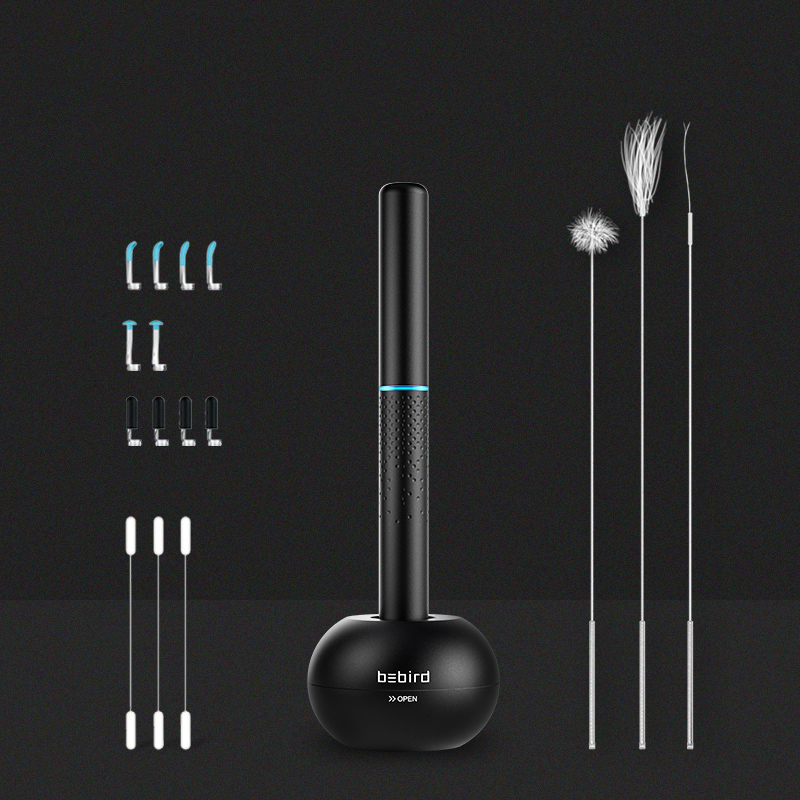
Ear & Hearing Products
Source high-quality Ear & Hearing Products directly from vetted manufacturers and wholesale suppliers. Designed for medical device distributors, importers, and brands seeking reliable bulk purchasing or custom OEM production. Ensure strict compliance and consistent acoustic performance for your global supply chain.
Sourcing ear and hearing products at scale requires balancing acoustic precision with strict medical device regulations. Whether you are importing standard sound amplifiers or developing advanced DSP-based digital hearing devices, the core challenge lies in maintaining consistent sound fidelity, battery efficiency, and regulatory compliance across high-volume production runs.
Core Acoustic Specifications
When negotiating with manufacturers, vague requirements lead to inconsistent product batches. Procurement teams must define exact electroacoustic parameters to ensure the final product meets market expectations.
Key metrics to specify on your purchase orders include:
- OSPL90 (Output Sound Pressure Level): The maximum output of the device. Specify the peak and High-Frequency Average (HFA) to prevent dangerous sound levels.
- HFA Full-On Gain: Determines how much the device amplifies sound.
- Total Harmonic Distortion (THD): A critical measure of sound clarity. Premium devices maintain THD under 3 percent across multiple frequencies (e.g., 500Hz, 800Hz, 1600Hz).
- Equivalent Input Noise (EIN): The internal static or "hiss" generated by the amplifier. This should ideally be kept below 28 dB SPL.
- Channels and Bands: For digital devices, specify the number of processing channels (typically 4, 8, 16, or 32) and adjustable equalizer bands.
| Architecture | Signal Processing | Component Cost | Target Market |
|---|---|---|---|
| Analog | Linear amplification | Low | Entry-level OTC / PSAPs |
| Basic Digital (DSP) | Pre-programmed profiles | Medium | Mid-tier retail / Pharmacy |
| Advanced Digital | Multi-channel, noise reduction, feedback cancellation | High | Professional audiology / Premium OTC |
Aligning your acoustic requirements with the right factory capability is critical. Let's evaluate your supplier options.
Discuss your specsTransducers and Component Sourcing
The heart of any hearing device is its transducer setup—specifically the microphone and the receiver (speaker). The origin of these components heavily dictates both the unit cost and the failure rate.
Top-tier manufacturers often import balanced armature receivers and microphones from established industry leaders like Knowles or Sonion. However, many Chinese factories have developed high-quality domestic alternatives that offer a 30 to 50 percent cost reduction. If you are pursuing OEM/ODM Services to build a custom brand, you must explicitly state which component brands are acceptable in your Bill of Materials (BOM).
Beware of Component Swapping
During mass production, unverified suppliers may silently swap imported transducers for cheaper domestic variants to increase margins. This drastically alters the THD and frequency response.
Quality Control and Manufacturing Standards
Hearing products require precision assembly, often in ISO Class 7 or Class 8 cleanrooms, to prevent microscopic debris from compromising the transducer membranes. Before committing to a supplier, executing comprehensive Factory Audits is essential to verify their cleanroom protocols and ISO 13485 certification validity.
Once production begins, your quality assurance protocol should include specific electroacoustic testing.
Essential End-of-Line QC Tests
- Electroacoustic analysis using an audio analyzer (e.g., Fonix or Frye systems)
- Feedback cancellation verification in a standardized test box
- Battery drain testing (measuring milliamp consumption at max gain)
- Drop testing and structural integrity of the casing and battery door
- Moisture and IP-rating verification (if marketed as water-resistant)
Implementing independent Quality Control & Inspection prior to shipment is the only way to ensure the factory's internal testing data matches the actual batch performance.
Regulatory Compliance and Certifications
Ear and hearing products are heavily regulated. Depending on your target market, the devices will be classified either as Personal Sound Amplification Products (PSAPs) or medical-grade hearing aids (including OTC hearing aids).
- United States (FDA): If marketed as hearing aids (including OTC), the facility must be FDA registered, and the device must comply with specific FDA performance standards. PSAPs have fewer requirements but cannot be marketed for hearing loss.
- Europe (CE MDR): Devices must comply with the Medical Device Regulation (MDR 2017/745). This requires comprehensive clinical evaluation reports and a certified Quality Management System.
Navigating these requirements is complex. Engaging with experts for Compliance & Testing ensures your products do not face rejection at customs or post-market regulatory action.
Typical MOQs, Pricing, and Lead Times
Volume requirements and production timelines vary significantly based on whether you are buying off-the-shelf white-label designs or developing a custom tooling project.
Prices fluctuate based on the DSP chip, transducer brand, and battery type (zinc-air vs. lithium-ion rechargeable).
Need accurate pricing and lead times for your next production run? Connect with our sourcing team.
Get a sourcing quoteFrequently Asked Questions
Successfully importing ear and hearing products requires moving beyond superficial aesthetic choices and deeply managing the acoustic engineering and regulatory landscape. By strictly controlling your component BOM and enforcing rigorous electroacoustic testing, you can secure reliable, high-margin products that perform consistently in the field.
Get Sourcing Help for Ear & Hearing Products
Tell us your requirements and our experts will connect you with verified manufacturers.