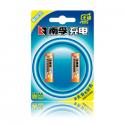
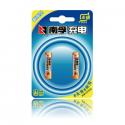
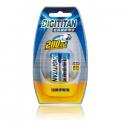
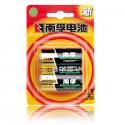
Dry Cell Batteries
Source high-performance dry cell batteries directly from vetted manufacturers and wholesale suppliers in Asia. Designed for importers, distributors, and consumer electronics brands, our supplier network supports bulk orders, OEM private labeling, and custom packaging. Ensure reliable power and strict regulatory compliance for your market.
Sourcing dry cell batteries in commercial volumes requires balancing chemical stability, discharge rates, and strict international transport regulations. Whether you are procuring standard alkaline AA/AAA cells for retail distribution or specialized primary lithium cells for industrial electronics, identifying a factory with rigorous automated assembly and pristine raw material sourcing is critical to preventing leakage and capacity degradation.
Primary Chemistries and Specifications
Selecting the right chemistry dictates the battery's shelf life, internal resistance, and cost per unit. When negotiating with manufacturers, specify the exact chemical composition and required discharge profile, as visual similarities can mask significant performance differences.
| Chemistry | Energy Density | Typical Shelf Life | Optimal Application |
|---|---|---|---|
| Zinc-Carbon (Heavy Duty) | Low | 2 to 3 Years | Low-drain devices (clocks, basic remotes) |
| Alkaline (Zinc-Manganese Dioxide) | Moderate | 5 to 10 Years | Moderate-drain (toys, flashlights, audio) |
| Lithium Iron Disulfide (Li-FeS2) | High | 10 to 15 Years | High-drain devices, extreme temperatures |
For brands looking to establish their own retail presence, utilizing OEM/ODM Services allows you to customize the battery jacket (shrink wrap or tin) and blister packaging to match your brand identity while maintaining underlying cell quality.
Need help identifying the right battery chemistry and factory for your custom brand?
Talk to our teamManufacturing Quality and Defect Prevention
The most common and destructive failure in dry cell batteries is electrolyte leakage. Quality is won or lost on the factory floor, specifically in the precision of the sealing process and the purity of the zinc powder and electrolyte slurry. High-quality manufacturers utilize fully automated assembly lines to eliminate human error and contamination.
Before committing to a high-volume order, conducting thorough Factory Audits is essential to verify that the supplier maintains climate-controlled raw material storage and automated inline testing (such as high-speed voltage checks on every cell).
Critical Pre-Shipment Checks
Implementing strict Quality Control & Inspection before the batteries leave the factory is non-negotiable.
Essential Battery QC Protocols
- Open-Circuit Voltage (OCV) testing to ensure cells meet the rated baseline (e.g., 1.5V to 1.6V for fresh alkaline).
- Short-Circuit Current (SCC) testing to verify internal resistance and active material vitality.
- High-temperature and high-humidity incubation tests to accelerate and detect potential leakage.
- Drop testing to ensure structural integrity of the steel can and nylon seal.
- Visual inspection of the jacket for alignment, color accuracy, and date-code legibility.
Furthermore, batteries must meet global regulatory standards. Depending on your market, this may require IEC 60086 compliance, RoHS/REACH certification for heavy metal restrictions (mercury and cadmium-free), and UN38.3 testing if you are sourcing primary lithium cells. Engaging professional Compliance & Testing services ensures your shipment will not be held at customs.
MOQs, Lead Times, and Pricing Dynamics
Pricing in the dry cell battery market is highly sensitive to raw material costs (zinc, manganese, lithium) and order volume. Because battery manufacturing is a high-speed, high-volume industry, minimum order quantities (MOQs) for custom-branded products are typically substantial.
Struggling with high MOQs or inconsistent pricing? Let us negotiate with top-tier battery manufacturers on your behalf.
Get a free consultationFrequently Asked Questions
Streamline Your Battery Sourcing
Sourcing dry cell batteries at scale requires a deep understanding of chemical specifications, automated production capabilities, and international safety compliance. By partnering with experienced sourcing professionals, you can bypass trading companies, access top-tier automated facilities, and secure reliable, leak-free power products for your brand.
Get Sourcing Help for Dry Cell Batteries
Tell us your requirements and our experts will connect you with verified manufacturers.