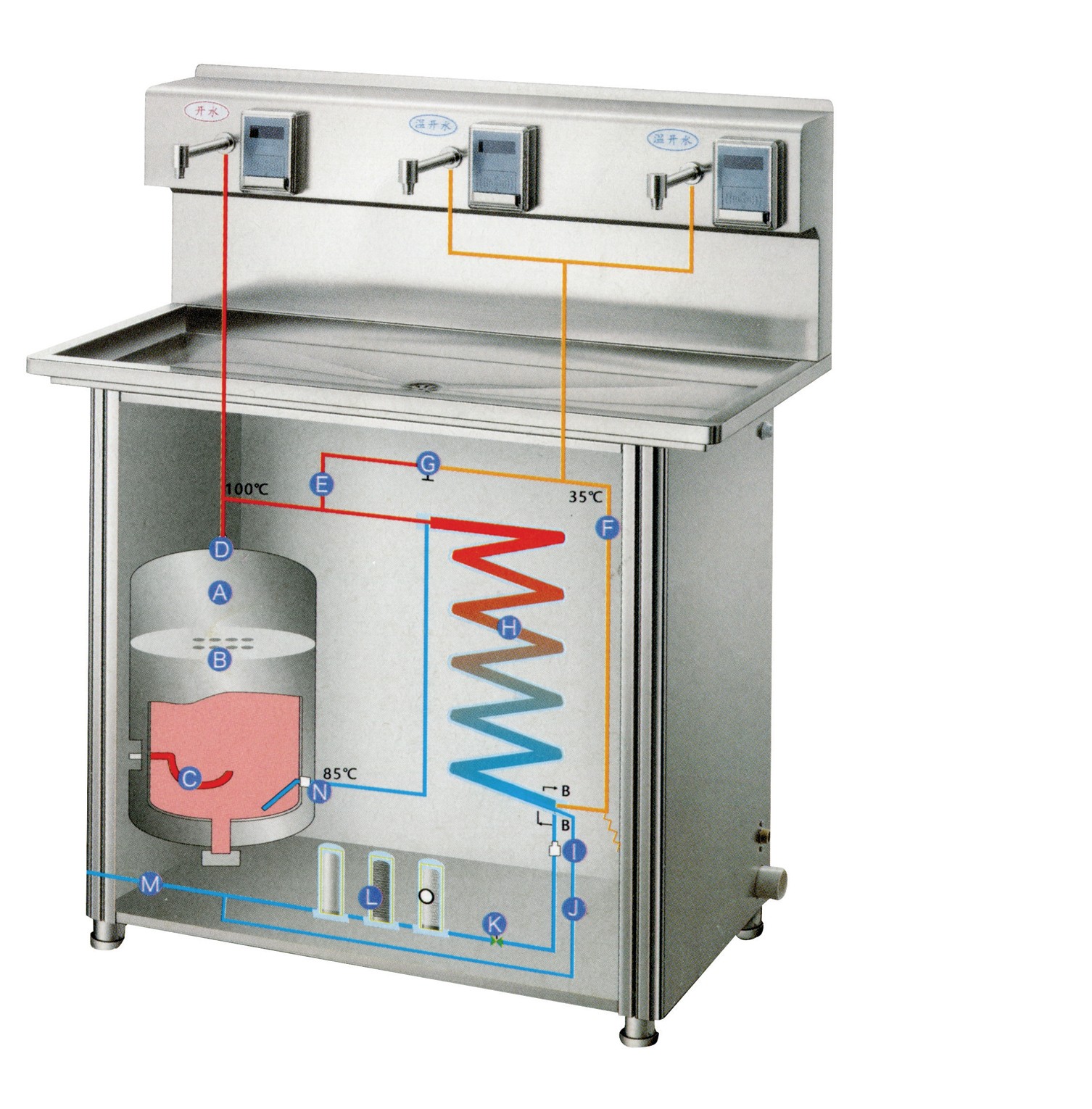
Drinking Fountains
Source commercial and residential drinking fountains in bulk directly from vetted manufacturers. Designed for wholesale distributors, importers, and brands seeking reliable OEM and private-label production, our supplier network delivers durable, high-capacity water dispensing solutions built to stringent international standards.
Sourcing drinking fountains at scale requires evaluating a manufacturer's competency across three distinct disciplines: sheet metal fabrication, refrigeration engineering, and plumbing assembly. A failure in any of these areas leads to field failures, from cabinet rusting and compressor burnout to internal leaks. For commercial buyers, securing a reliable supply chain means looking past the outer casing and rigorously defining the internal specifications before production begins.
Defining Critical Specifications
The durability and performance of a drinking fountain depend entirely on the materials and components specified in your Bill of Materials (BOM). Relying on a factory's "standard" configuration often results in cost-cutting on hidden components.
Material Grades and Gauge
The standard for commercial drinking fountains is 304 stainless steel, which offers adequate corrosion resistance for most indoor and standard outdoor environments. However, the gauge (thickness) is critical. A minimum of 1.0mm to 1.2mm is required to prevent denting in high-traffic public areas. For coastal or highly corrosive industrial environments, upgrading to 316 stainless steel is necessary, though it will increase raw material costs by 20 to 30 percent.
Cooling Systems and Capacity
Cooling capacity is measured in liters per hour (L/H) at a specific ambient temperature (typically tested at 25°C to 32°C). High-traffic commercial units require robust compressors. Specifying recognized compressor brands (like Danfoss, LG, or Huayi) reduces the risk of premature failure. You must also specify the refrigerant; R134a is common, but R600a is increasingly required for environmental compliance in European and North American markets.
| Specification | Light Commercial | Heavy-Duty Public Use |
|---|---|---|
| Cabinet Material | SS304 (0.8mm - 1.0mm) | SS304 or SS316 (1.2mm - 1.5mm) |
| Cooling Capacity | 10 - 20 L/H | 30 - 50+ L/H |
| Activation | Mechanical push-button | Infrared sensor / Vandal-resistant bar |
| Filtration | Standard carbon block | Multi-stage RO or UF system |
Need help standardizing your product specifications across multiple suppliers? We can help you define and lock in your BOM.
Talk to our teamManufacturing Tolerances and Quality Control
The assembly of a drinking fountain involves high-pressure water lines sitting inches away from high-voltage electrical components. This makes rigorous factory-floor testing non-negotiable. When evaluating suppliers, conducting comprehensive Factory Audits is essential to verify their in-house testing capabilities.
A reliable manufacturer will have dedicated stations for pressure testing plumbing connections and electrical safety. If a factory relies solely on random batch testing rather than 100 percent in-line testing for leaks and electrical faults, the risk of receiving defective units rises exponentially.
Critical Pre-Shipment Inspection Points
- Hydrostatic pressure testing (typically tested at 0.5 to 0.8 MPa to ensure zero leaks in internal tubing).
- Hi-pot (high potential) electrical testing to verify insulation and grounding safety.
- Compressor drawdown testing to confirm the unit reaches the target water temperature within the specified time.
- Visual inspection of TIG welds on the basin and cabinet to ensure they are ground smooth and passivated to prevent rust.
- Sensor calibration checks for touchless models to ensure proper activation distance and instant shut-off.
Executing strict Quality Control & Inspection protocols before the container is sealed is the only way to prevent costly returns and liability issues in your target market.
Compliance and Market Certifications
Drinking fountains are subject to strict regulatory oversight because they handle potable water and utilize refrigeration circuits.
- Water Safety: Components touching drinking water must meet standards like NSF/ANSI 61 (for low lead content) and NSF/ANSI 372.
- Electrical Safety: UL or ETL certification is mandatory for North America, while CE is required for Europe.
- Accessibility: For the US market, physical dimensions, spout height, and push-bar actuation force must comply with ADA (Americans with Disabilities Act) guidelines.
Verifying these certifications is complex, as some suppliers provide fraudulent or expired certificates. Partnering with a team that handles Compliance & Testing ensures your products meet all legal requirements before they reach customs.
MOQs, Pricing, and Lead Times
Pricing for drinking fountains is heavily influenced by the raw cost of stainless steel and copper, alongside the tier of the compressor used.
If you are developing a proprietary design or integrating custom filtration systems, utilizing OEM/ODM Services will require higher initial order volumes to amortize the cost of new sheet metal stamping dies and plastic injection molds.
Planning a custom drinking fountain line? Let us help you negotiate tooling costs and production schedules with capable factories.
Get a free consultationFrequently Asked Questions
Successfully sourcing commercial drinking fountains means managing a complex intersection of plumbing, refrigeration, and metalworking. By strictly defining your specifications, enforcing rigorous in-line testing, and verifying all regulatory compliance, you can secure high-quality units that perform reliably in demanding environments.
Get Sourcing Help for Drinking Fountains
Tell us your requirements and our experts will connect you with verified manufacturers.