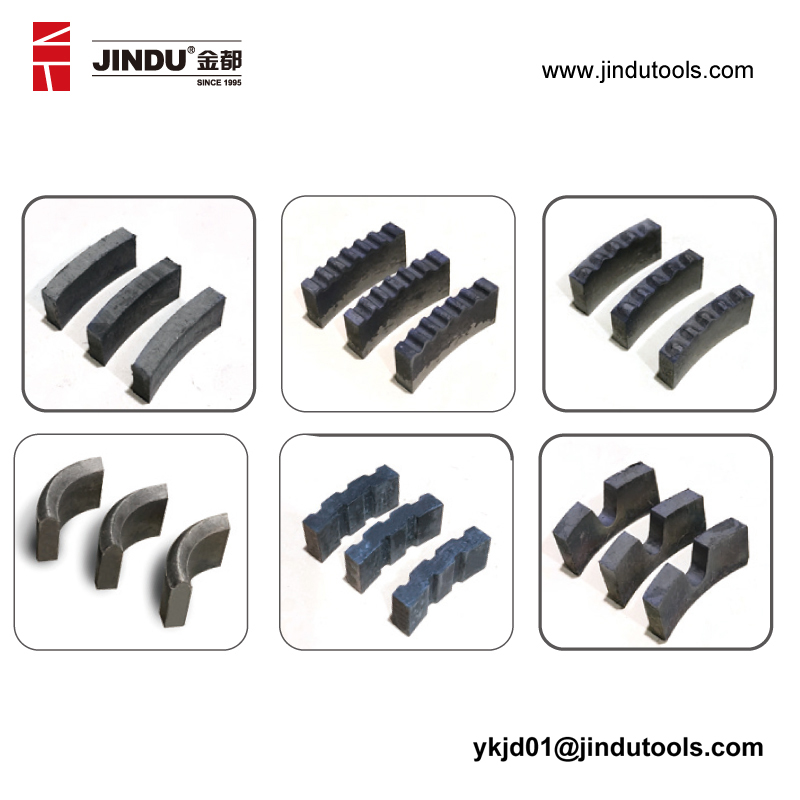
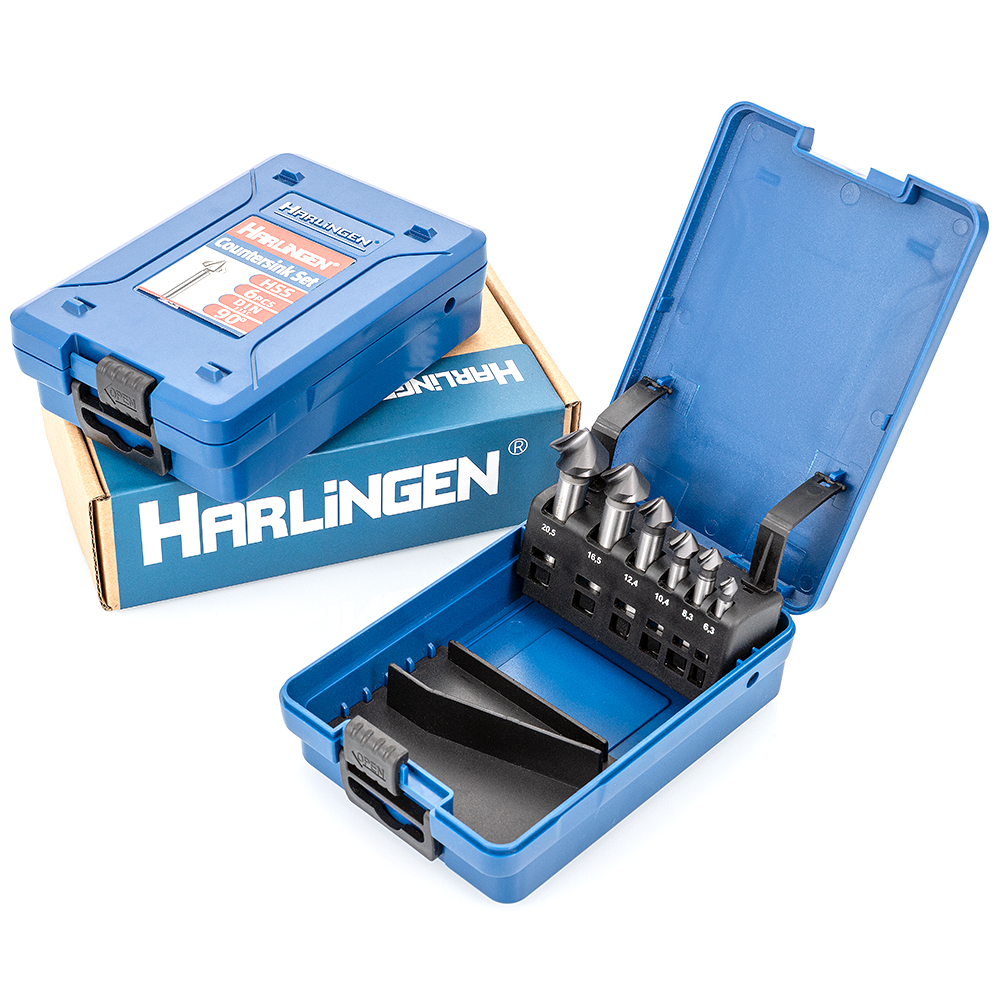
Drill Bits
Source high-performance drill bits directly from vetted manufacturers and suppliers in Asia. Built for importers, hardware distributors, and tool brands seeking reliable bulk purchasing or custom OEM/private-label production, our network delivers verified quality and competitive wholesale pricing.
Sourcing drill bits at scale is an exercise in metallurgical precision and consistency. The difference between a professional-grade bit and a consumer throwaway lies entirely in the steel grade, heat treatment accuracy, and grinding tolerances. When purchasing in bulk, vague specifications lead to rapid tool wear, high runout, and snapped bits. Success requires dictating exact material compositions, manufacturing methods, and rigorous quality standards to the factory.
Material Specifications and Metallurgy
The foundation of any drill bit is its base material. Simply specifying "High-Speed Steel (HSS)" is insufficient for professional applications, as Chinese manufacturers utilize various grades with vastly different performance profiles and price points.
| Material Grade | Key Alloy Addition | Typical Application | Target Hardness |
|---|---|---|---|
| HSS 4241 / 4341 | Low Molybdenum | Light DIY, soft woods/plastics | 58-60 HRC |
| HSS M2 (6542) | Tungsten-Molybdenum | Professional general purpose metalworking | 62-64 HRC |
| HSS M35 (Cobalt) | 5% Cobalt | Stainless steel, hard alloys | 65-67 HRC |
| Solid Carbide | Tungsten Carbide | High-volume industrial CNC machining | Up to 75 HRC |
For industrial and professional retail markets, M2 is the baseline acceptable standard. When sourcing Cobalt bits (M35 or M42), verify the actual cobalt percentage via spectrometer analysis, as inferior suppliers may substitute lower grades and apply a bronze-colored coating to mimic the appearance of true cobalt steel.
Need help identifying factories with verified metallurgical standards? We can match you with capable manufacturers.
Talk to our teamManufacturing Processes: Where Quality is Won or Lost
The production method directly dictates the bit's concentricity (runout), chip evacuation efficiency, and overall lifespan.
Flute Forming
- Roll Forged: The steel blank is heated and rolled to form the flutes. This is the cheapest method, resulting in noticeable runout and lower structural integrity. Suitable only for low-end consumer markets.
- Fully Ground (CNC): The flutes and point are ground from a solid, hardened blank using multi-axis CNC machines. This guarantees precise geometry, excellent concentricity, and sharper cutting edges.
The 'Half-Ground' Trap
Some manufacturers offer "edge-ground" or "half-ground" bits, which are roll-forged bits with superficially ground edges to mimic the appearance of fully ground tools. Always specify "fully ground from solid" in your purchase orders.
Heat Treatment
Inconsistent heat treatment is the leading cause of drill bit failure. If the bit is too soft, the cutting edge dulls instantly; if it is too hard, it becomes brittle and shatters under torque. When evaluating new suppliers, utilizing professional Factory Audits to inspect their salt bath furnaces and quenching protocols is non-negotiable for high-volume programs.
Quality Control and Tolerances
To ensure batch-to-batch consistency, your quality control protocols must move beyond visual inspection. Professional buyers should mandate specific DIN standards (e.g., DIN 338 for standard jobber length, DIN 340 for long series) and verify dimensional accuracy.
Critical Pre-Shipment Inspection Points
- Runout (Concentricity): Must measure under 0.05mm at the tip for professional M2/M35 bits.
- Hardness Testing: HRC verification at the tip, the flute, and the shank (shanks are often left slightly softer to allow chuck grip without shattering).
- Point Angle Accuracy: Verification of 118-degree (general purpose) or 135-degree split point geometry.
- Web Symmetry: Uneven webs cause the bit to wander and drill oversized holes.
- Coating Adhesion: Testing TiN or TiAlN coatings for uniform thickness and proper bonding.
Implementing independent Quality Control & Inspection prior to container loading is the most effective way to catch improper heat treatment or grinding deviations before the goods leave Asia.
Buying Mechanics: MOQs, Pricing, and Packaging
Drill bits are high-volume, automated-production items. Factories operate on economies of scale, meaning Minimum Order Quantities (MOQs) are driven by raw material batches and packaging runs.
Pricing fluctuates based on global steel and cobalt commodity indexes. When negotiating, be aware that customized shank stamping (laser etching or roll stamping your brand and the size) and bespoke packaging cassettes often require separate tooling fees or higher initial commitments. If you are building a private-label tool brand, leveraging OEM/ODM Services can streamline the integration of custom surface finishes, branding, and specialized indexing cases.
Optimize your procurement strategy. Let us handle supplier negotiation, quality control, and logistics for your next order.
Get a free consultationNavigating the Asian cutting tool market requires separating the trading companies pushing consumer-grade hardware from the actual precision manufacturers. By defining strict metallurgical parameters and enforcing rigorous runout tolerances, you protect your brand's reputation and your bottom line.
Get Sourcing Help for Drill Bits
Tell us your requirements and our experts will connect you with verified manufacturers.