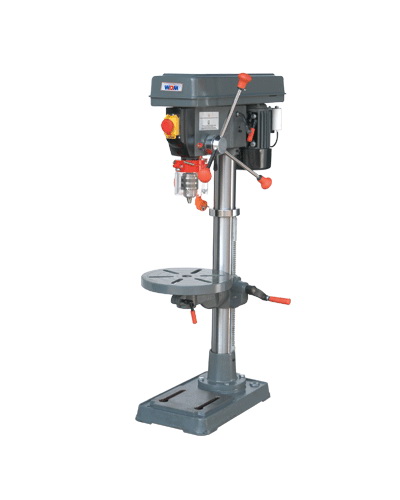
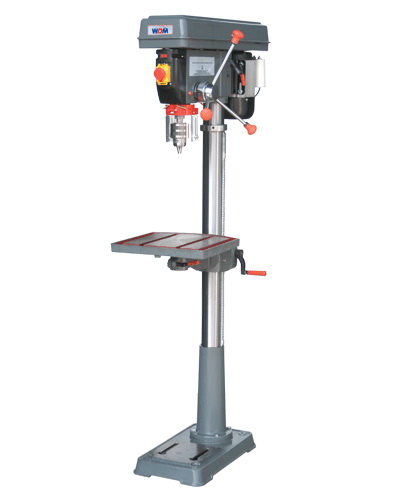
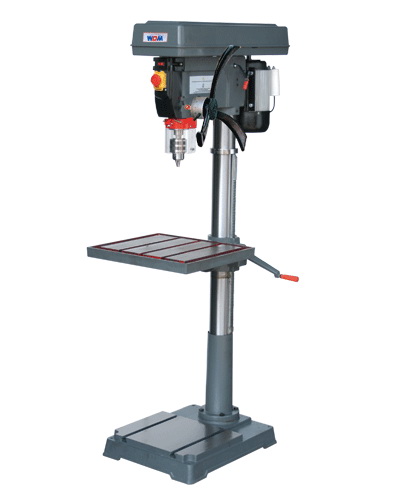
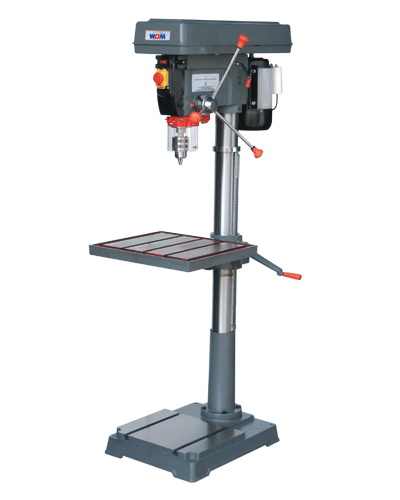
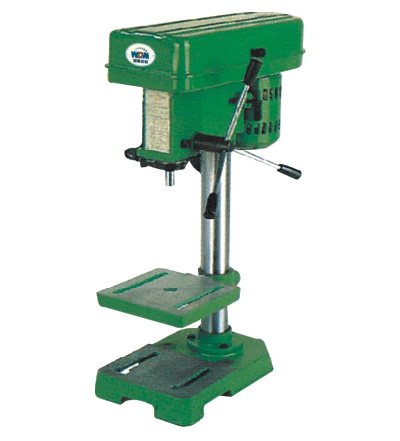
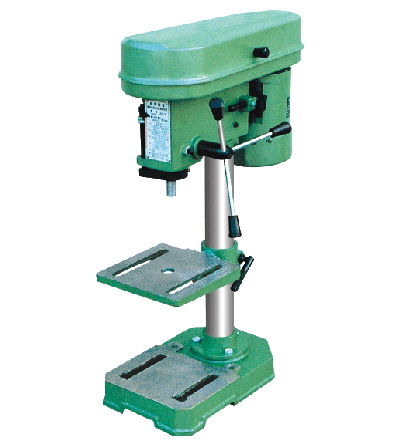
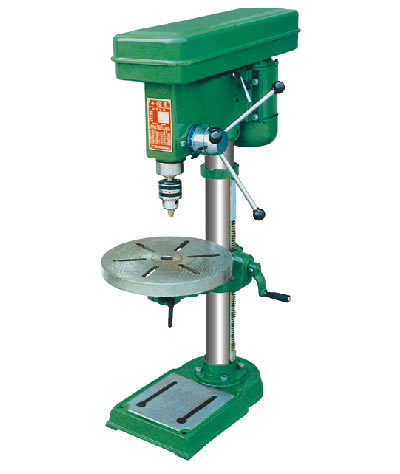
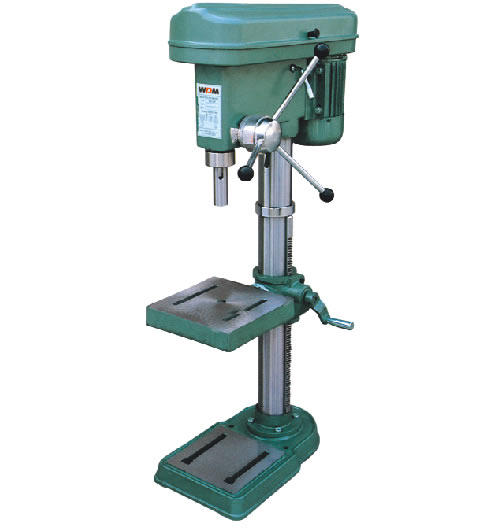
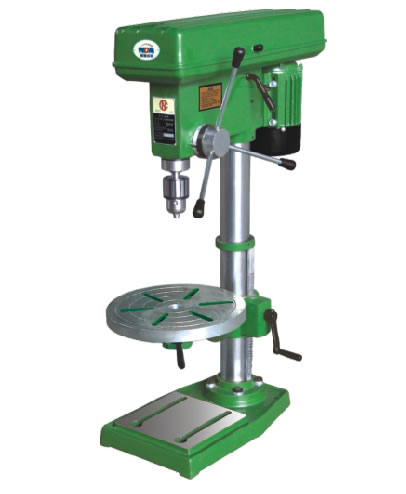
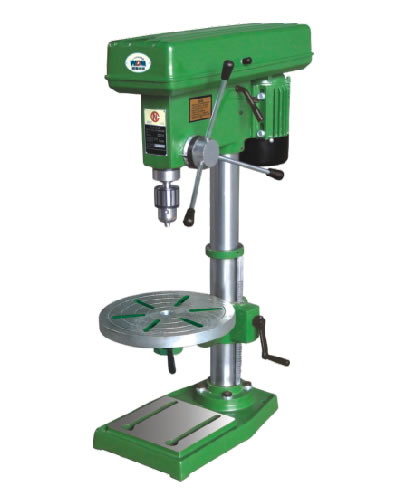
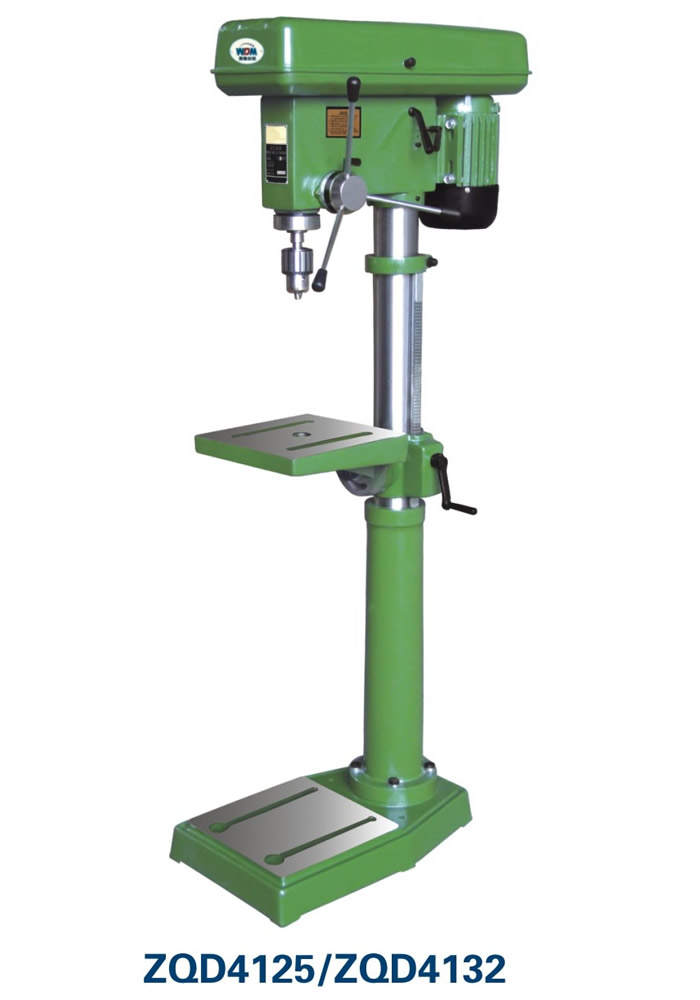
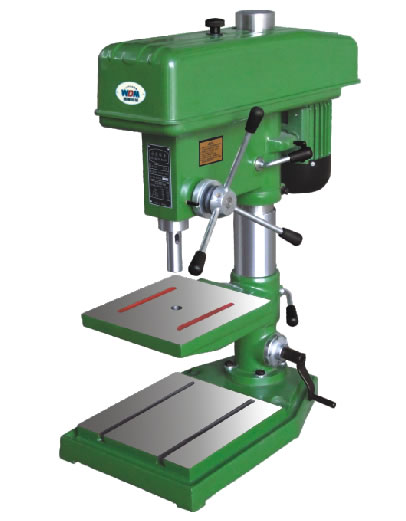
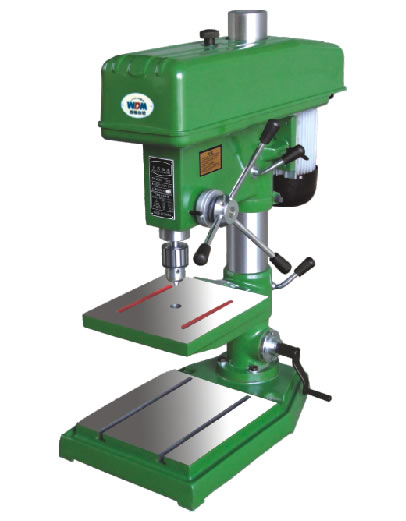
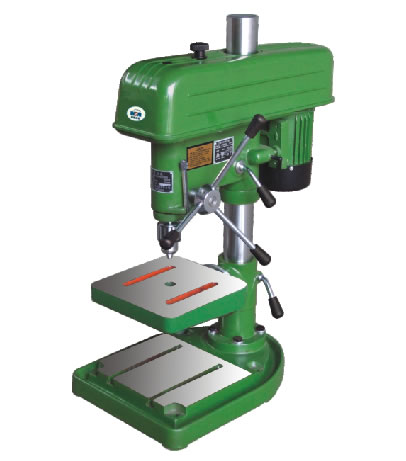
Driling machines
Source industrial-grade driling machines from vetted suppliers and manufacturers across Asia. Designed for importers, wholesalers, distributors, and industrial procurement managers, our network offers bulk purchasing and OEM production for metal cutting machine tools, ensuring precision, compliance, and competitive wholesale pricing.
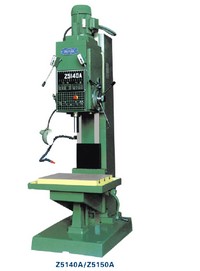
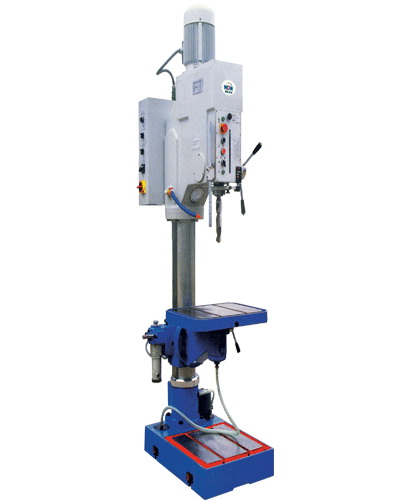
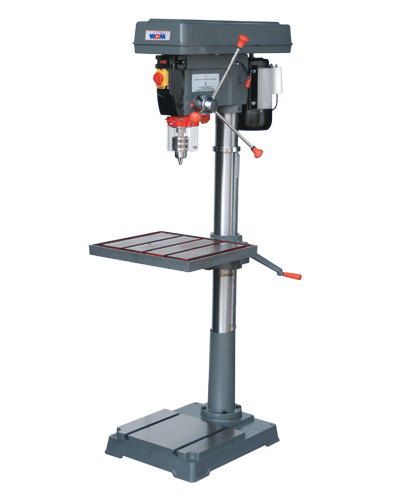
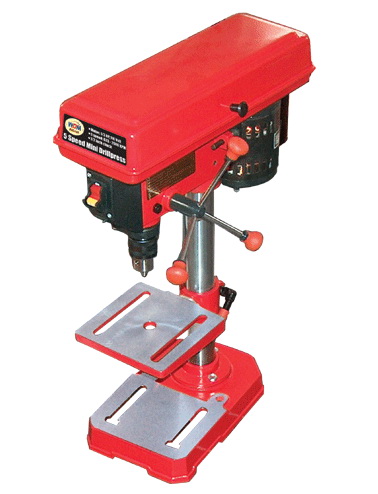
Sourcing industrial drilling machines in bulk demands a rigorous approach to mechanical tolerances, casting quality, and electrical safety. Whether you are procuring benchtop units for regional distribution or heavy-duty radial arm drills for manufacturing facilities, the core sourcing challenge lies in verifying factory capabilities before committing capital. Many suppliers are simply assembly workshops; identifying true manufacturers who control their casting and machining processes is critical to long-term quality.
Specifying the Right Machine Parameters
When communicating with manufacturers, vague specifications lead to inconsistent production. Buyers must define exact mechanical tolerances and electrical standards. Spindle runout, motor duty cycles, and the rigidity of the column are the primary differentiators between a hobbyist tool and an industrial machine.
| Specification | Light Industrial | Heavy Industrial |
|---|---|---|
| Spindle Runout | Under 0.05mm | Under 0.02mm |
| Casting Material | HT150 / HT200 Cast Iron | Stress-Relieved HT250 |
| Motor Duty Cycle | S1 (Continuous) Standard | S1 Heavy Duty / S6 |
| Transmission | Belt Driven | Geared Head (Oil Bath) |
Always specify the motor power in continuous duty ratings, not peak horsepower. Furthermore, require exact spindle taper dimensions (e.g., MT2, MT3, MT4) and ensure the chucks supplied meet your target market's industrial standards.
Need help verifying foundry and machining capabilities before placing a volume order?
Talk to our teamManufacturing Processes and Rigidity
The foundation of any reliable metal-cutting machine tool is its structural rigidity. The base, column, and worktable are typically made from cast iron. High-quality manufacturers use HT200 or HT250 grade cast iron that undergoes proper aging—either natural aging outdoors for several months or artificial vibration stress relief. If a factory skips this step to speed up production, the castings will warp over time, permanently destroying the machine's accuracy.
When evaluating a new supplier, conducting thorough Factory Audits is essential. You must verify whether they possess their own CNC horizontal boring and milling machines to process the castings in-house, or if they outsource this critical step. In-house machining generally results in tighter quality control over table perpendicularity and column alignment.
Quality Control and Common Defects
Because drilling machines involve heavy vibration and continuous torque, substandard components fail rapidly. Many export-oriented factories use cheaper aluminum-wound motors instead of 100% copper wire to cut costs. Implementing strict Quality Control & Inspection protocols before shipment is the only way to catch these invisible downgrades.
Critical Pre-Shipment Inspection Checks
- Spindle runout measurement using a dial indicator at the taper and the chuck.
- Table-to-spindle perpendicularity validation across the full travel distance.
- Motor temperature rise test under sustained load to verify copper windings.
- Verification of CE, UL, or CSA compliance for all electrical switches and emergency stops.
- Inspection of gear meshing noise and oil leaks on geared-head models.
Production Timelines, MOQs, and Pricing Drivers
Pricing in the machine tool sector is highly sensitive to raw material costs (cast iron and copper) and the quality of internal components like bearings (e.g., NSK/SKF vs. generic domestic brands).
Shipping heavy machinery introduces another layer of complexity. Machines must be coated in anti-rust oil, vacuum-sealed in moisture-barrier bags, and secured in ISPM 15-compliant wooden crates. Improper weight distribution inside a shipping container can lead to severe damage during transit. Coordinating with a partner experienced in industrial Shipping & Freight ensures your cargo is consolidated and secured correctly for international ocean freight.
Optimize your machinery supply chain, from factory floor to final delivery.
Get a free consultationFrequently Asked Questions
Sourcing heavy machine tools is an exercise in risk management. A cheap machine with poor castings or high spindle runout will damage your brand's reputation instantly. Success requires looking past the glossy catalog photos to enforce strict mechanical tolerances and verify the reality of the factory floor.
Get Sourcing Help for Driling machines
Tell us your requirements and our experts will connect you with verified manufacturers.