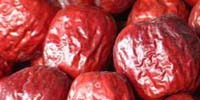
Dried Fruit
Source premium wholesale Dried Fruit from vetted suppliers and manufacturers across Asia. Designed for importers, food distributors, and brands seeking reliable bulk supply or private-label OEM production, our network delivers consistent quality, strict moisture control, and full compliance with international food safety standards.
Sourcing bulk dried fruit requires managing the inherent variability of agricultural yields. Whether you are procuring ingredients for trail mixes, bakery applications, or retail-ready snacking lines, consistent moisture levels, exact sizing, and strict chemical compliance are what separate premium food shipments from rejected containers. Relying entirely on a supplier's specification sheet without verifying their processing controls leaves your supply chain vulnerable to spoilage, foreign matter contamination, and regulatory failures.
Core Specifications and Processing Methods
The final application of your dried fruit dictates the required processing method, moisture content, and preservative profile. Specifying "dried mango" or "dried apricots" is insufficient; buyers must define the exact dehydration parameters.
Dehydration Technologies
| Method | Moisture Content | Best For | Cost Profile |
|---|---|---|---|
| Hot Air Dehydrated | 10% to 20% | Standard retail snacking, baking | Moderate |
| Freeze-Dried (FD) | Under 5% | Cereals, premium snacks, powders | High |
| Sun-Dried | 15% to 25% | Raisins, traditional apricots, figs | Low |
| Osmotic Dehydration | 15% to 22% | Candied fruits, infused berries | Moderate |
Moisture Control and Water Activity (Aw)
Moisture content directly impacts shelf life, texture, and microbiological stability. However, water activity (Aw)—the amount of free water available for microbial growth—is the critical metric. For shelf-stable dried fruit, Aw must generally remain below 0.60 to prevent mold and yeast proliferation. If a factory lacks climate-controlled cooling and packing areas, ambient humidity can re-enter the product before sealing, rendering the initial drying process useless.
Preservatives and Clean-Label Sourcing
Sulfur dioxide (SO2) is traditionally used to prevent browning in fruits like apricots, apples, and golden raisins. Regulatory limits for SO2 vary drastically by market (e.g., the EU has much stricter limits than the US for certain fruits). If you are sourcing clean-label or organic products, you must specify "unsulfured" and accept a darker, natural color profile. Validating these chemical thresholds requires rigorous Compliance & Testing prior to export.
Struggling with inconsistent moisture levels or failing SO2 tests? Let Merhein align your specifications with capable, export-ready facilities.
Talk to our teamQuality Control and Common Defects
Quality is won or lost on the factory floor during sorting and grading. Even with automated optical sorters, manual inspection lines are required to catch subtle defects.
Critical Defect Checks for Dried Fruit
- Foreign Matter: Pits, stems, leaves, and stones (especially in dates, cherries, and raisins).
- Pest Infestation: Live or dead insects, webbing, or larvae in the fruit folds.
- Mold and Fermentation: Off-odors or visible mycelium caused by inadequate drying or poor storage.
- Size and Color Uniformity: Excessive variance in piece size or unacceptable browning in sulfured products.
- Sugaring: Undesirable crystallization of natural sugars on the surface (common in figs and dates).
To mitigate these risks, implementing robust Quality Control & Inspection protocols is non-negotiable. Pre-shipment inspections should include drawing statistical samples to test for moisture, sizing, and foreign objects before the goods are loaded into the container.
Navigating MOQs, Pricing, and Lead Times
The dried fruit market is highly seasonal. Pricing fluctuates based on the annual harvest yield, weather conditions, and global commodity demands.
Packaging Configurations
Bulk buyers typically import dried fruit in 10kg or 20kg corrugated cartons lined with high-density polyethylene (HDPE) bags. For brands requiring retail-ready packaging (stand-up pouches, pillow bags, or tubs), partnering with a supplier that offers comprehensive OEM/ODM Services allows you to consolidate processing and packaging under one roof, reducing handling costs and contamination risks.
Need competitive pricing for the upcoming harvest season? We can help you secure volume allocations with vetted producers.
Get a free consultationBuyer FAQ
Successful procurement of dried fruit requires timing your orders with harvest seasons, strictly defining your moisture and chemical parameters, and actively policing the production line. By treating quality assurance as an ongoing process rather than a final checkpoint, you protect your brand from costly recalls and inconsistent product performance.
Get Sourcing Help for Dried Fruit
Tell us your requirements and our experts will connect you with verified manufacturers.