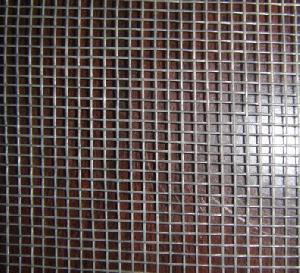
Door & Window Screens
Source high-quality Door & Window Screens directly from vetted suppliers and manufacturers. Designed for importers, wholesalers, distributors, and brands requiring reliable OEM and private-label production. Secure competitive bulk pricing on durable screen meshes built for residential and commercial applications.
Sourcing door and window screens in high volumes requires strict attention to material consistency, mesh uniformity, and environmental durability. A screen's performance—whether it is keeping out insects, resisting pet damage, or providing structural security—depends entirely on the precision of the wire drawing, weaving, and coating processes at the factory level.
Core Material Specifications
Selecting the right material dictates the manufacturing process and the final application of the screen. Standard insect screens differ vastly from high-tensile security meshes.
| Specification | Fiberglass (Standard) | Aluminum | Stainless Steel (Security) |
|---|---|---|---|
| Typical Mesh Count | 18x16 or 20x20 | 18x16 | 10x10 to 14x14 |
| Wire Diameter | 0.28mm - 0.33mm | 0.20mm - 0.25mm | 0.70mm - 0.90mm |
| Primary Advantage | Flexibility & Cost | Sag Resistance | Impact & Cut Resistance |
| Coating | PVC Coated | Epoxy or Powder Coated | Powder Coated (Black/Gray) |
When specifying your order, you must define the mesh count (the number of openings per linear inch) and the wire diameter. A standard 18x16 fiberglass mesh is sufficient for basic residential insect protection, while coastal or high-humidity markets often demand marine-grade 316 stainless steel to prevent rapid oxidation.
Need help identifying the right factory for your specific material requirements? Let our sourcing experts match you with vetted manufacturers.
Talk to our teamManufacturing & Quality Control Vulnerabilities
The production of window screens involves extruding or drawing the core material, weaving it on industrial looms, and applying protective coatings. Defects often originate during the weaving or coating phases. Inconsistent loom tension leads to warped meshes that will not sit flat in an extrusion frame, while poor temperature control during PVC coating results in brittle fiberglass that degrades quickly under UV exposure.
Implementing rigorous Quality Control & Inspection protocols before the rolls are packed is essential.
Critical Factory Inspection Points for Screens
- Mesh Uniformity: Verify consistent aperture size across the entire width of the roll.
- Coating Adhesion: Test powder coating on metal screens for flaking or weak bonding.
- Tensile Strength: Ensure the warp and weft threads meet the specified load-bearing requirements.
- Edge Finishing: Check for frayed edges or uneven trimming that complicates frame assembly.
- UV Resistance Testing: Confirm the factory uses adequate UV inhibitors in fiberglass PVC coatings.
If you are sourcing high-end security screens (like 304 or 316 stainless steel), verifying the raw material grade is non-negotiable. Substandard steel will rust within months. Conducting comprehensive Factory Audits prior to placing your first order ensures the manufacturer actually possesses the specialized heavy-duty looms required for thick-wire weaving, rather than outsourcing to unverified sub-suppliers.
Sourcing Mechanics: MOQs, Lead Times, and Pricing
Screen manufacturing is heavily automated, meaning factories optimize for continuous production runs. Consequently, Minimum Order Quantities (MOQs) are typically calculated by the square meter or by the roll, rather than by the piece.
Pricing fluctuates based on raw material costs (aluminum ingots, stainless steel wire, PVC resin) and currency exchange rates. When negotiating, clarify whether the price includes custom roll widths, specific core tube diameters, or branded shrink-wrapping. If you are developing a proprietary screen product—such as a specialized pet-resistant mesh or a high-visibility fine mesh—leveraging professional Product Sourcing services can help you navigate the complex tooling and setup costs.
Struggling to negotiate favorable terms and MOQs with manufacturers? We handle the entire procurement process on your behalf.
Get a free consultationFrequently Asked Questions
Sourcing door and window screens at scale requires balancing material costs with strict quality tolerances. A single container of poorly woven or improperly coated mesh can result in massive downstream liabilities. By partnering with experienced sourcing professionals, you can ensure your specifications are met, your supply chain remains stable, and your product quality is verified at the source.
Get Sourcing Help for Door & Window Screens
Tell us your requirements and our experts will connect you with verified manufacturers.