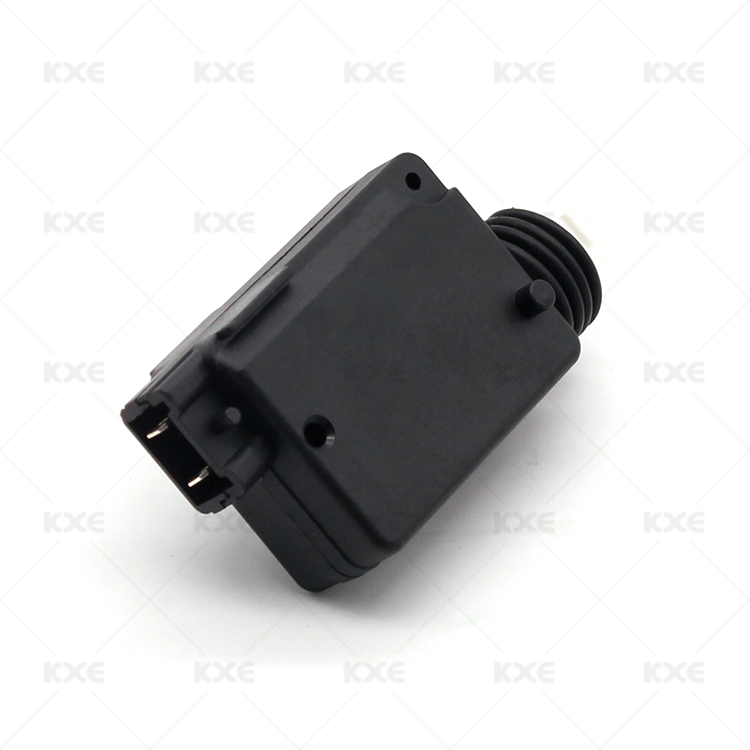
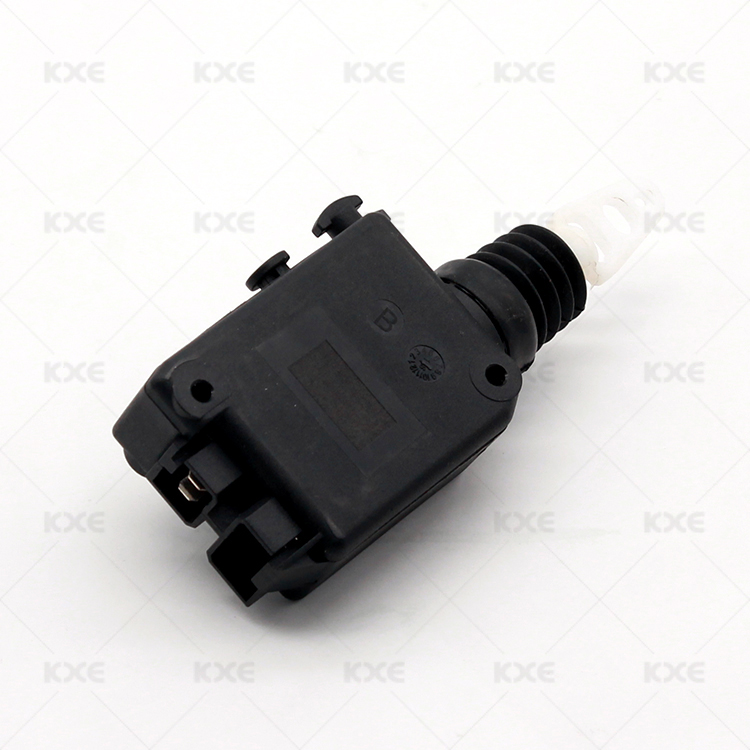
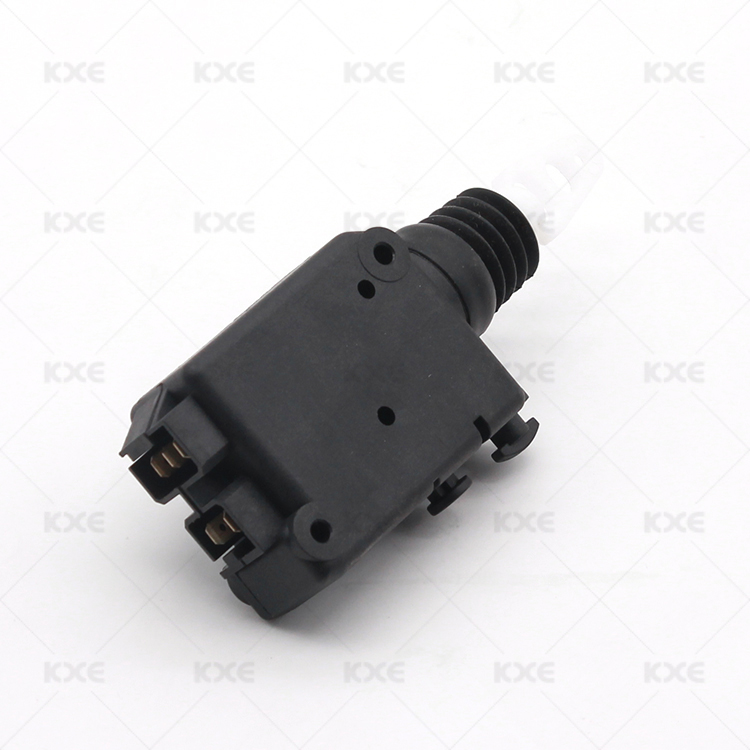
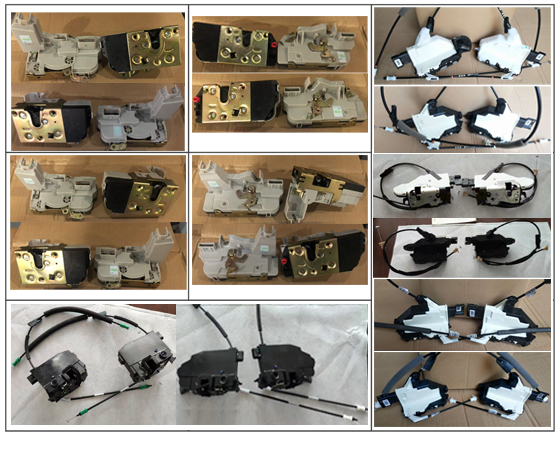
Door Locks
Source automotive door locks from vetted suppliers and manufacturers in China and across Asia. Designed for automotive parts distributors, aftermarket wholesalers, and vehicle brands, our network supports bulk wholesale orders and custom OEM production to ensure reliable security and seamless electromechanical integration.
Automotive door locks have evolved from simple mechanical latches into complex electromechanical systems. Modern assemblies integrate central locking actuators, microswitches, anti-theft mechanisms, and child safety features into a single unit. For wholesale buyers and aftermarket brands, sourcing these components at scale requires balancing mechanical durability with electronic precision. A single actuator failure or microswitch fault inevitably leads to immediate warranty claims and compromised vehicle security.
Successfully importing door locks means navigating suppliers who range from low-tier replacement parts assemblers to Tier-1 OEM manufacturers. Identifying the right factory hinges on their testing capabilities, material selection, and adherence to strict automotive quality management systems.
Core Specifications and Material Selection
The longevity of a door lock actuator depends heavily on the internal DC motor, the gear train, and the housing material. When specifying requirements with a manufacturer, you must look beyond the external dimensions and OE reference numbers to dictate the internal bill of materials.
| Component / Metric | Standard Aftermarket | Premium / OEM-Grade |
|---|---|---|
| Housing Material | ABS or Basic Nylon | PA66 + 30% Glass Fiber |
| Internal Gearing | Standard POM (Polyacetal) | Reinforced POM with PTFE |
| Motor Brush Type | Standard Copper Brush | Carbon Brush for high durability |
| Tested Cycle Life | 30,000 to 50,000 cycles | 100,000+ cycles |
| Operating Temperature | -20°C to 70°C | -40°C to 85°C |
Substandard housing materials like basic ABS are prone to warping under extreme cabin temperatures, which binds the internal gears and causes premature motor burnout. Specifying PA66 (Nylon 66) reinforced with 30 percent glass fiber ensures dimensional stability across extreme temperature fluctuations.
Struggling to verify the internal components your supplier is actually using? We can help audit and validate factory production lines.
Talk to our teamQuality Control and Automotive Standards
In the automotive sector, visual inspections are insufficient. Door locks must undergo rigorous functional and environmental testing before leaving the factory. Relying on a supplier's word without verifying their testing apparatus is a significant risk.
When evaluating a manufacturer, prioritize those holding IATF 16949 certification, which is the global quality management standard for the automotive industry. Proper Factory Audits should confirm that the supplier actually implements these standards on the floor, rather than just holding a certificate in the office.
Critical Factory Testing Capabilities
- Endurance Testing: Automated rigs capable of running units through 100,000 continuous lock/unlock cycles.
- Environmental Chambers: High and low-temperature cycling (-40°C to 85°C) to test plastic dimensional stability and grease viscosity.
- Salt Spray Testing: Minimum 72 to 96 hours to ensure corrosion resistance on metal latches and cables.
- Electrical Signal Validation: Testing microswitch continuity and resistance to ensure correct communication with the vehicle's Body Control Module (BCM).
- Pull Force Testing: Verifying the mechanical strength of the latch mechanism against forced entry.
To prevent defective batches from shipping, implement strict Quality Control & Inspection protocols. In-line inspections should verify that the correct automotive-grade grease is applied to the gear train—too little causes wear, while the wrong viscosity can freeze the mechanism in cold weather.
Buying Mechanics: MOQs, Pricing, and Tooling
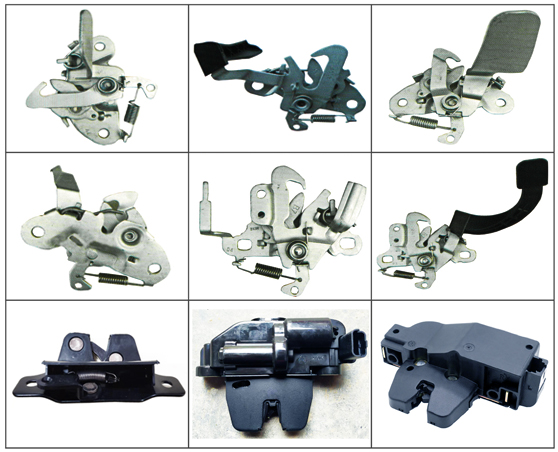
Pricing for door locks varies based on the complexity of the unit (e.g., integrated latches vs. standalone actuators) and the grade of internal components. Buyers developing proprietary designs or requiring modifications for specific vehicle platforms will need to invest in custom tooling.
If you are developing custom aftermarket solutions or consolidating multiple OE designs into a universal fit, leveraging professional OEM/ODM Services is crucial. A capable factory will have an in-house R&D team to handle 3D modeling, mold flow analysis, and PCB design for the internal microswitches.
Need to streamline your automotive parts supply chain or negotiate better terms with manufacturers? Let's discuss your sourcing strategy.
Get a free consultationFrequently Asked Questions
Sourcing reliable automotive door locks requires a deep understanding of electromechanical manufacturing and a rigorous approach to quality assurance. By specifying the right materials, enforcing strict testing protocols, and partnering with verified IATF-certified manufacturers, you can secure high-quality components that protect your brand's reputation in the aftermarket.
Get Sourcing Help for Door Locks
Tell us your requirements and our experts will connect you with verified manufacturers.