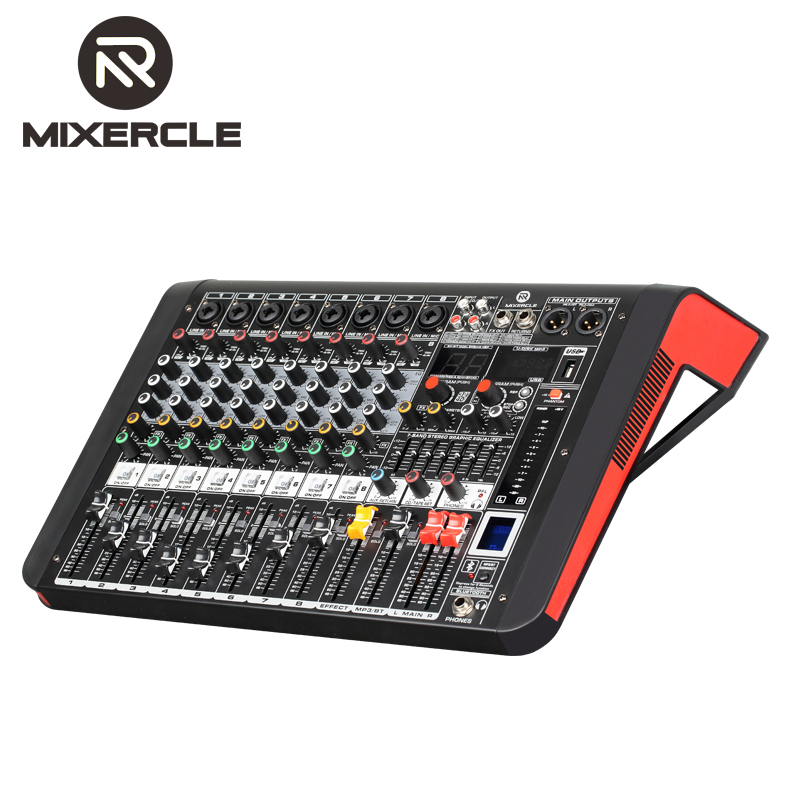
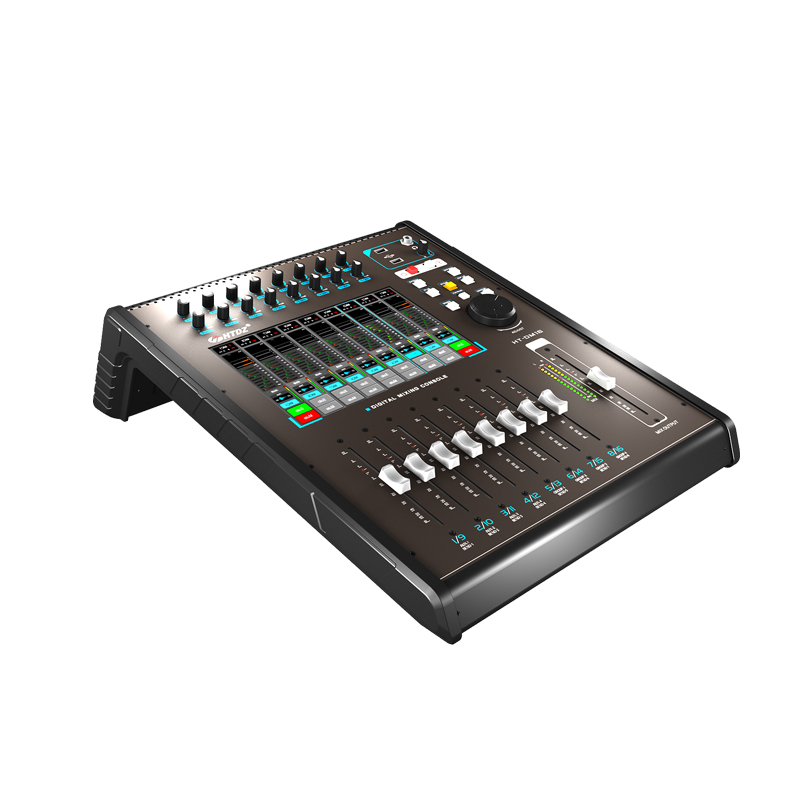
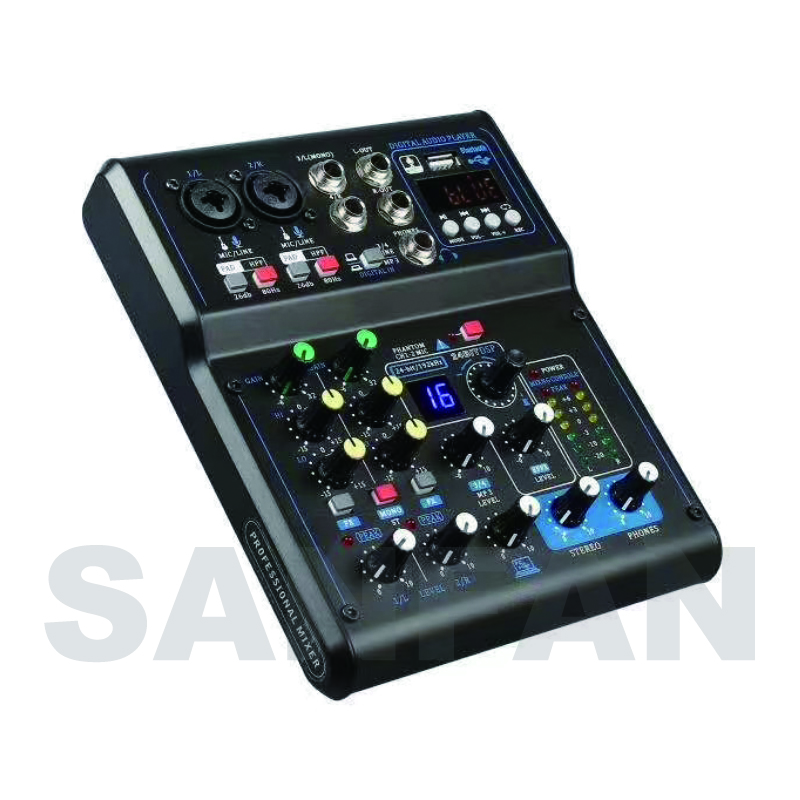
DJ Controllers & Audio Mixers
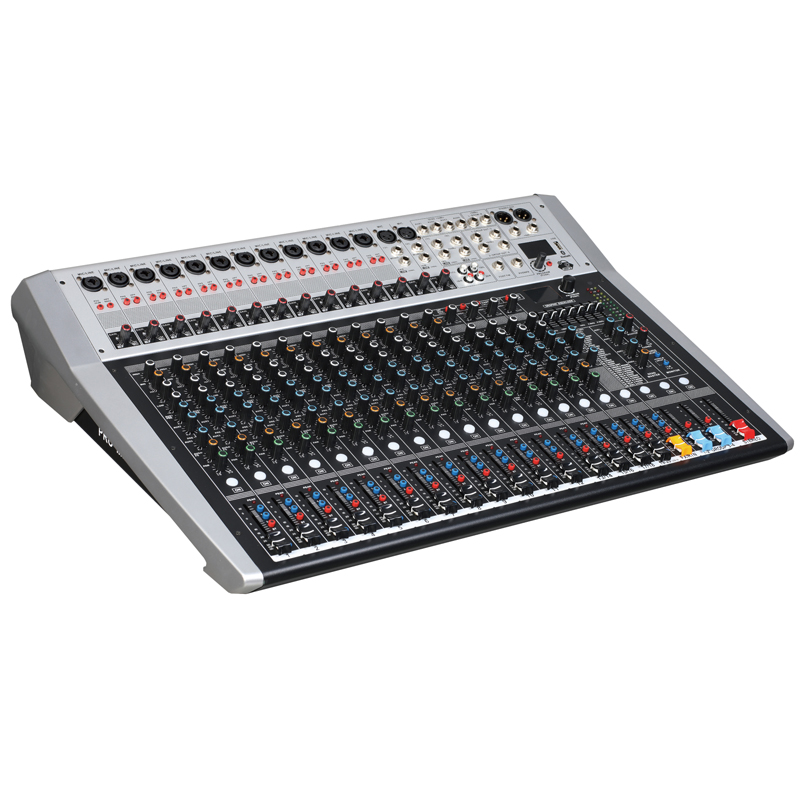
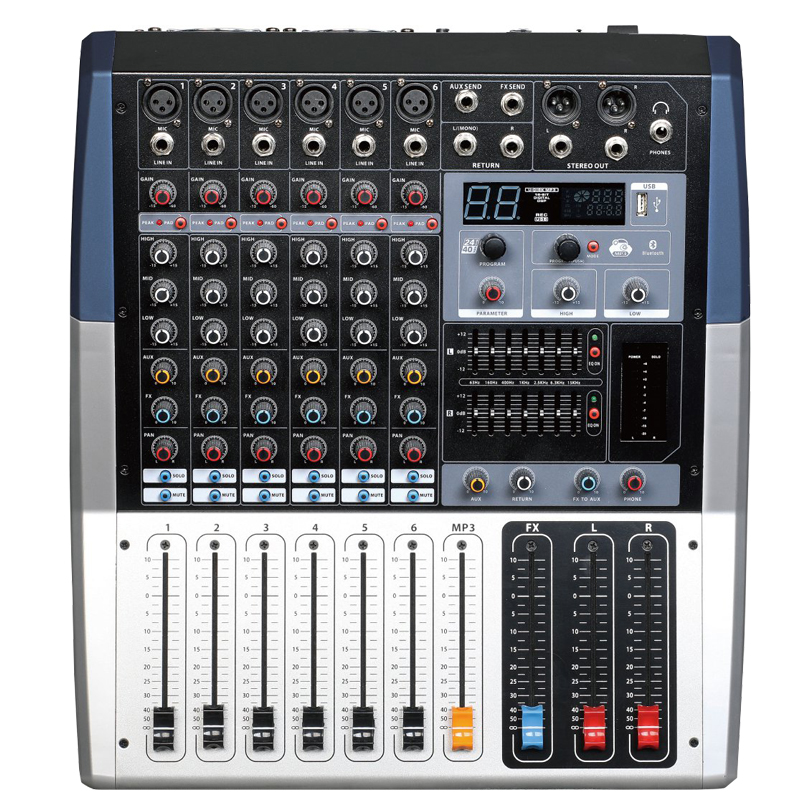
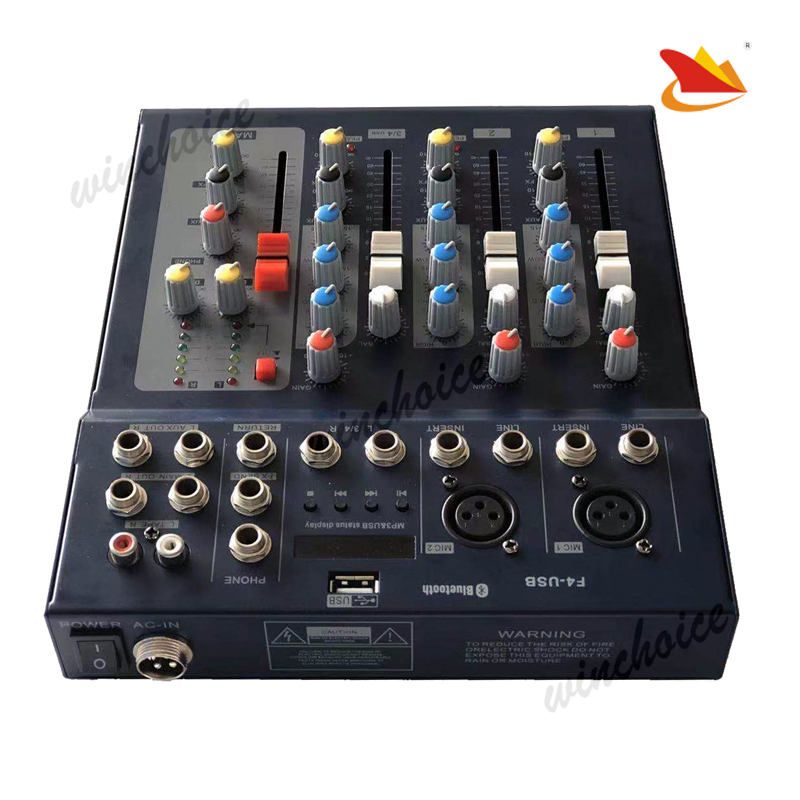
Source high-performance DJ controllers and audio mixers from vetted suppliers and manufacturers. Designed for importers, distributors, and professional audio brands seeking reliable OEM and private-label production in volume. Compare factory-direct options and secure competitive bulk pricing for your supply chain.
Sourcing professional audio equipment at scale requires balancing high-fidelity component selection with strict manufacturing tolerances. In the DJ controller and audio mixer category, the difference between a toy and a professional tool comes down to DSP architecture, fader durability, and ultra-low latency driver integration. Navigating the manufacturing hubs in Guangdong—particularly Shenzhen and Dongguan—demands a rigorous approach to component verification and factory capability.
Critical Specifications and Component Sourcing
When developing or white-labeling audio mixers and controllers, your Bill of Materials (BOM) dictates performance. Factories often substitute equivalent components to hit target prices, which can drastically alter the noise floor and tactile feel of the hardware.
Key areas to specify in your supplier agreements include:
- Digital-to-Analog Converters (DACs): Professional gear requires 24-bit/96kHz resolution or higher. Specify the exact IC family (e.g., Cirrus Logic, ESS Sabre, or AKM) rather than accepting generic "high-def" alternatives.
- Signal-to-Noise Ratio (SNR) & THD+N: Demand an SNR over 105dB and Total Harmonic Distortion plus Noise (THD+N) under 0.005% for main outputs.
- Fader and Potentiometer Quality: Crossfaders are the most abused components on a DJ controller. Specify voltage-controlled amplifier (VCA) or magnetic faders for pro-tier units, and require a minimum cycle rating (e.g., 1 million cycles) for the crossfader. Dual-rail carbon track faders are acceptable only for entry-level channel volume.
- Chassis and Tactile Feedback: The weight and resistance of jog wheels, the actuation force of performance pads (usually RGB backlit silicone), and the rigidity of the chassis (extruded aluminum vs. injection-molded ABS) define the user experience.
| Component / Spec | Entry-Level OEM | Professional Grade |
|---|---|---|
| Audio Interface | 16-bit/44.1kHz | 24-bit/96kHz+ |
| Chassis Material | Injection-molded ABS | Aluminum faceplate / Steel chassis |
| Crossfader Tech | Standard carbon track | VCA or Magnetic (Contactless) |
| Jog Wheels | Capacitive touch, plastic | Mechanical pressure, tension-adjustable |
Manufacturing Process and Quality Control
Audio electronics assembly relies heavily on Surface Mount Technology (SMT) for the main PCBs, followed by labor-intensive through-hole soldering for robust mechanical connections on inputs, outputs, and faders.
Quality is typically lost during the manual assembly phases. Poorly mounted potentiometers will exhibit "wobble," and inadequate shielding will introduce ground loops or electromagnetic interference (EMI) into the audio path. Implementing rigorous Quality Control & Inspection protocols during production (In-Line Inspection) is essential to catch these issues before the chassis is sealed.
Critical QC Checks for Audio Mixers
- Audio Precision (AP) analyzer testing for SNR, THD, and frequency response on all outputs.
- Mechanical stress testing on all I/O ports (XLR, RCA, USB, TRS).
- Jog wheel latency and capacitive sensitivity calibration.
- Potentiometer torque consistency and fader dead-zone measurement.
- EMI/RFI shielding verification and ground loop testing.
Struggling to maintain audio quality and tactile consistency across production runs? Let us handle component verification and factory floor quality control.
Talk to our teamOEM/ODM Customization and Firmware Integration
Most buyers in this space opt for OEM/ODM Services to customize existing factory molds or develop proprietary layouts. A major hurdle in this category is software integration.
Hardware is only as good as its firmware and drivers. If you are producing a MIDI class-compliant DJ controller, it must map flawlessly to industry-standard software (Serato, Rekordbox, Traktor, or VirtualDJ). Ensure the manufacturer has in-house software engineers capable of writing stable ASIO drivers (for Windows) and CoreAudio compliance (for Mac) to achieve latency under 5ms.
Before committing to a custom tooling order, conducting thorough Factory Audits is non-negotiable. You must verify that the supplier has the actual R&D capability they claim, rather than just outsourcing firmware development to a third-party design house, which can severely delay troubleshooting and updates.
Typical MOQs, Pricing, and Lead Times
Volume requirements and tooling costs vary significantly based on the level of customization.
Pricing is highly volatile based on IC availability. Entry-level 2-channel controllers with basic ABS housings and integrated soundcards typically range from $35 to $65 FOB. Mid-tier 4-channel controllers with aluminum faceplates and RGB performance pads range from $120 to $250 FOB. Standalone professional mixers with hardware DSP effects can exceed $400 FOB.
Need accurate pricing and lead times for your specific BOM? We negotiate directly with top-tier audio manufacturers to secure competitive terms.
Get a free consultationFrequently Asked Questions
Sourcing DJ controllers and audio mixers requires strict oversight of both digital architecture and mechanical assembly. Success depends on partnering with factories that understand professional audio tolerances, not just basic consumer electronics assembly. If you need a partner on the ground to vet suppliers, verify components, and manage the supply chain, our team is ready to assist.
Get Sourcing Help for DJ Controllers & Audio Mixers
Tell us your requirements and our experts will connect you with verified manufacturers.