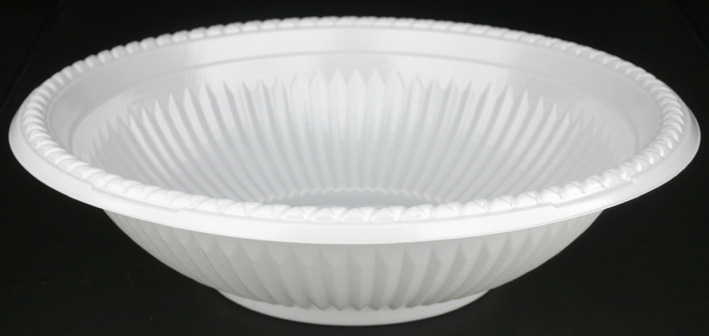
Disposable Bowls
Source premium disposable bowls from vetted suppliers and manufacturers across Asia. Designed for importers, wholesalers, foodservice distributors, and brands seeking reliable OEM and private-label production. Secure competitive bulk pricing and consistent quality for your high-volume tableware supply chain.
Sourcing disposable bowls in commercial volumes requires balancing unit cost with structural integrity and food-safe compliance. Whether you are supplying the catering industry with rigid PP bowls or bringing a sustainable bagasse line to market, the core challenge remains the same: ensuring consistent wall thickness, reliable leak resistance, and strict adherence to international food contact regulations across millions of units.
Material Specifications and Performance Metrics
The base material dictates not only the environmental footprint but also the thermal tolerance and structural rigidity of the bowl. When specifying your requirements to manufacturers, gram weight (or GSM for paper) and lining material are the critical variables.
| Material | Thermal Tolerance | Primary Application | Key Specification Metric |
|---|---|---|---|
| Bagasse (Sugarcane) | Up to 100°C | Hot foods, eco-friendly lines | Gram weight per piece |
| Kraft Paper (PE/PLA Lined) | Up to 90°C | Soups, salads, takeaways | Paper GSM + Lining thickness |
| Polypropylene (PP) | Up to 120°C (Microwaveable) | Heavy-duty hot meals | Wall thickness / Gram weight |
| PET | Cold only (Under 40°C) | Cold salads, desserts | Clarity and gram weight |
For paper-based bowls, the lining is a common failure point. Standard PE (polyethylene) linings are cost-effective but not compostable, whereas PLA (polylactic acid) or aqueous coatings offer compostability but require tighter manufacturing controls to prevent delamination when exposed to hot liquids.
Struggling to find a manufacturer capable of consistent PLA lamination at scale? We can match your technical requirements with vetted, capable suppliers.
Talk to our teamManufacturing Tolerances and Defect Prevention
Depending on the material, disposable bowls are produced via thermoforming (plastics), pulp molding (bagasse), or paper cup forming machines (Kraft paper). Each process has distinct vulnerabilities on the factory floor.
For paper bowls, the rim rolling and bottom sealing stages are where leaks are born. If the heating temperature during the bottom seal is too low, the PE/PLA lining will not bond correctly. If the pressure is uneven, microscopic gaps remain.
Critical In-Line QC Checks for Disposable Bowls
- Bottom Seal Integrity: Pressure testing with hot water (typically 90°C for 30 minutes) to check for leaks or weeping.
- Rim Formation: Inspecting the rolled rim for tears, unevenness, or inadequate curling which prevents secure lid fitment.
- Wall Thickness Consistency: Caliper measurements across multiple points to ensure no weak spots from uneven pulp distribution or thermoforming stretching.
- Odor and Taint: Sensory testing to ensure no residual chemical odors from adhesives or inks transfer to the food.
Implementing rigorous Quality Control & Inspection protocols before the goods leave the factory is essential. Catching a bottom-seal defect in a production run of two million units is far cheaper than dealing with a mass product recall from your distributor network.
Navigating Food Contact Compliance
Disposable tableware is heavily regulated. A supplier claiming "FDA approved" is not enough; you need verified test reports for the specific material formulation and lining used in your production run.
- FDA / CFR Title 21: Required for the US market, confirming the material is safe for food contact.
- LFGB: The German standard, widely respected across Europe, often involving stricter migration testing than the FDA.
- BPI / EN 13432: Necessary if you are marketing the bowls as compostable.
Always require batch-specific testing rather than relying on a factory's outdated, generic material certificate. Engaging a partner for proper Compliance & Testing ensures your imports move smoothly through customs and meet the strict requirements of major retail buyers.
MOQs, Lead Times, and Pricing Dynamics
The disposable tableware market operates on high volumes and tight margins. Pricing is highly sensitive to raw material indices (like global pulp or resin prices) and the specific gram weight of your bowl.
If you are developing a custom shape or proprietary embossed branding, you will need a factory with strong OEM/ODM Services and in-house tooling capabilities. When evaluating quotes, always normalize the price against the gram weight. A supplier offering a price 10 percent lower is often just quoting a bowl that is 10 percent lighter and weaker.
Need to negotiate better bulk pricing without compromising on material weight or compliance? Let our sourcing experts analyze your current supply chain.
Get a free consultationFrequently Asked Questions
Sourcing disposable bowls at scale is an exercise in risk management—balancing unit costs against the catastrophic risk of structural failure in the hands of the end-user. By specifying exact gram weights, enforcing rigorous in-line sealing checks, and verifying material compliance, you can build a highly resilient supply chain. If you need boots on the ground to manage supplier vetting, production oversight, and logistics, our team is ready to assist.
Get Sourcing Help for Disposable Bowls
Tell us your requirements and our experts will connect you with verified manufacturers.