Disinfecting Equipment
Source commercial-grade disinfecting equipment from vetted manufacturers and wholesale suppliers. Built for importers, industrial distributors, and brands seeking reliable OEM/ODM production, our network delivers high-volume orders with stringent quality control. Find the right factory for your bulk procurement needs today.
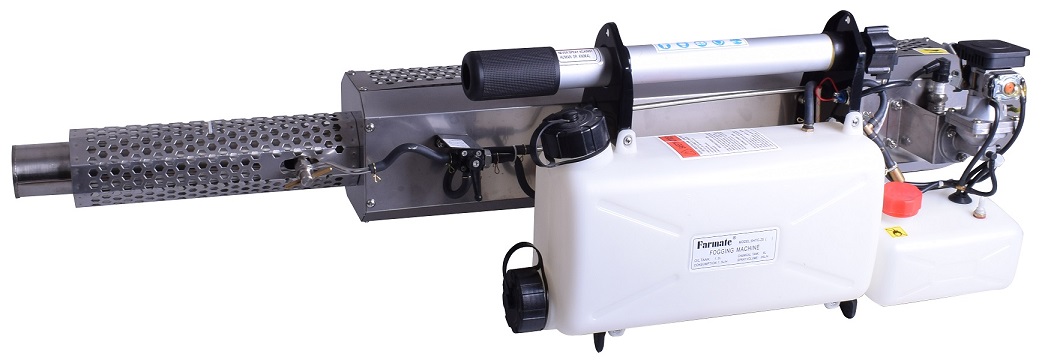
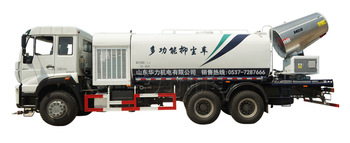
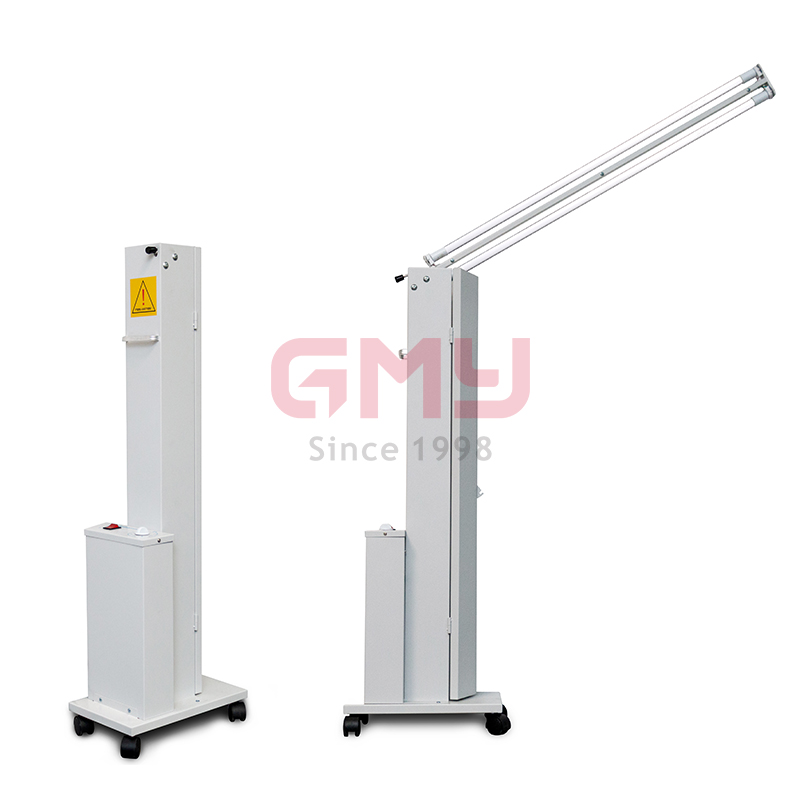
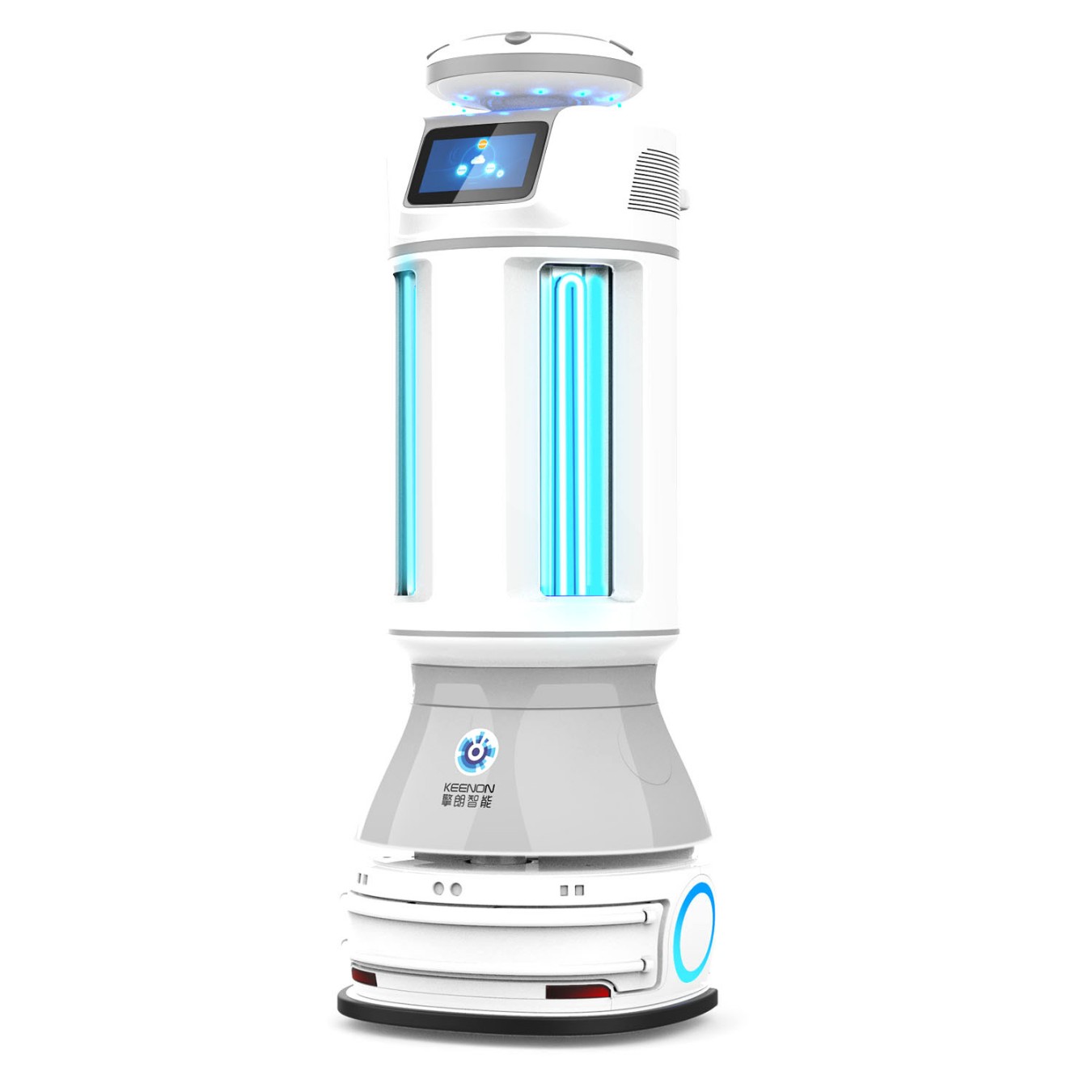
Sourcing commercial disinfecting equipment directly from Asian manufacturers requires navigating a complex landscape of electrical safety standards, chemical compatibility, and component durability. Whether you are importing heavy-duty electrostatic sprayers, ULV (Ultra-Low Volume) foggers, or UV-C sanitation units, the primary challenge is ensuring the factory's internal quality systems match your market's regulatory demands and performance expectations.
Critical Specifications to Define Upfront
When communicating with manufacturers, vague specifications lead to inconsistent product performance. Disinfecting equipment must handle harsh chemicals without degrading and deliver consistent output over long commercial shifts.
| Technology Type | Target Droplet Size | Core Component Focus |
|---|---|---|
| ULV Cold Foggers | 10 to 50 microns | High-speed rotary motors & flow valves |
| Electrostatic Sprayers | 40 to 90 microns | Charging ring & high-voltage modules |
| UV-C Disinfection Units | N/A (254nm Wavelength) | Quartz tube purity & ballast stability |
For liquid-based equipment, pump pressure and nozzle precision dictate the droplet size. If the droplets are too large, surfaces become overly wet; if too small, the chemical drifts rather than settling. Specify the exact micron range required for your target application.
Manufacturing Risks and Quality Control
The factory floor is where product longevity is determined. Many off-the-shelf units look identical on the outside but feature vastly different internal components. A common failure point in liquid sprayers is the degradation of O-rings and seals. Standard rubber seals will corrode quickly when exposed to harsh disinfectants like hypochlorous acid or quaternary ammonium compounds. Always specify chemical-resistant materials, such as Viton or EPDM, for all internal seals.
Key Inspection Points for Disinfecting Equipment
- Seal and gasket material verification (chemical resistance testing)
- Battery cell origin and BMS (Battery Management System) stability for cordless units
- Nozzle flow rate consistency and spray pattern uniformity
- Motor thermal protection to prevent burnout during continuous operation
- High-voltage module insulation in electrostatic models
To prevent high defect rates upon arrival, implementing rigorous Quality Control & Inspection at the factory level—including lifecycle testing on pumps and motors—is non-negotiable.
Struggling to verify pump durability and battery certifications? Let our on-the-ground engineers vet your next supplier and manage your quality control.
Talk to our teamNavigating Compliance and Certifications
Disinfecting equipment falls under strict regulatory scrutiny. Electrical safety is the baseline: units must carry valid CE, RoHS, and FCC certifications, while North American buyers often require UL or ETL listings for commercial liability.
Furthermore, UV-C equipment and certain mechanical sprayers marketed in the US may be classified as pesticidal devices. This requires the manufacturing facility to have an active EPA Establishment Number. Ensuring your supplier meets these legal thresholds often requires dedicated Compliance & Testing before mass production begins.
MOQs, Lead Times, and OEM Pricing Realities
Pricing in this category is highly dependent on motor quality, battery capacity, and custom tooling. Buyers looking to develop proprietary designs or modify existing molds should expect higher initial investments but better long-term margins.
If you are building a proprietary brand, engaging a partner for comprehensive OEM/ODM Services ensures your intellectual property is protected while navigating the complexities of custom tooling and assembly.
Need to lock in stable pricing and reliable lead times for your private-label disinfecting line? Speak with our sourcing experts today.
Get a free consultationFrequently Asked Questions
Successfully sourcing commercial disinfecting equipment requires moving past surface-level aesthetics and digging deep into component engineering and regulatory compliance. By tightly controlling your specifications and implementing robust factory-level oversight, you can secure reliable, high-margin products that perform under demanding commercial conditions.
Get Sourcing Help for Disinfecting Equipment
Tell us your requirements and our experts will connect you with verified manufacturers.