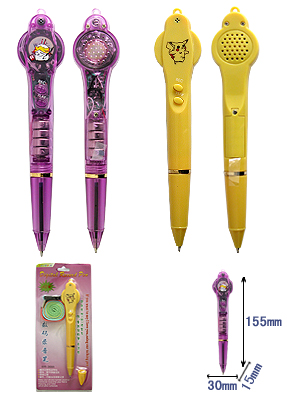
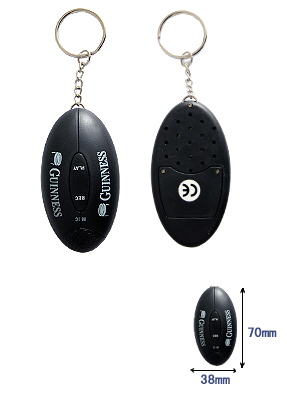
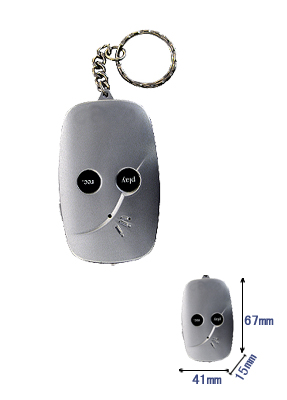
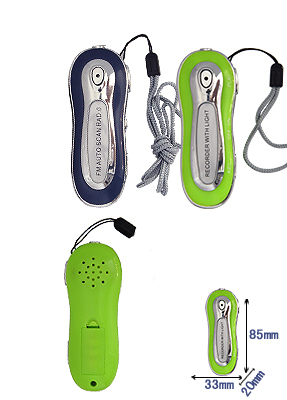
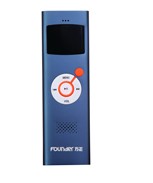
Digital Recording Pen
Source high-quality digital recording pens directly from vetted manufacturers and wholesale suppliers. Designed for importers, distributors, and electronics brands seeking reliable OEM/ODM production, our catalog offers bulk purchasing options with strict quality control.
Sourcing digital recording pens at scale requires balancing audio capture fidelity, battery safety, and component stability. For bulk buyers, the primary challenge lies in navigating a fragmented supplier base where outward appearances often mask substandard DSP (Digital Signal Processing) chips, unstable flash memory, or poor acoustic isolation. Securing reliable production means looking past the exterior casing and validating the internal architecture on the factory floor.
Core Specifications and Internal Architecture
The performance of a digital recording pen is dictated by three primary components: the microphone capsule array, the DSP chip, and the NAND flash memory. When negotiating with a factory, specifying these components precisely prevents silent substitutions during mass production.
- Microphone Arrays: Standard units use a single omnidirectional microphone. Premium models utilize dual or triple directional microphone arrays for stereo recording and hardware-level acoustic noise cancellation.
- DSP (Digital Signal Processing): The DSP handles noise reduction and audio encoding. Unbranded, entry-level chips often rely on software-based noise reduction, which degrades vocal clarity. Dedicated DSPs offer true hardware noise isolation.
- Memory Modules: Specify the grade of NAND flash. White-label memory chips are prone to sector failure, resulting in corrupted audio files. Specifying Tier-1 memory (e.g., Samsung, SK Hynix) increases unit cost but drastically reduces RMA rates.
| Architecture Tier | DSP Type | Max Bitrate | Housing Material |
|---|---|---|---|
| Entry-Level | Basic single-core | 192 kbps | Injection-molded ABS |
| Mid-Market | Dedicated dual-core | 512 to 1536 kbps | Aluminum alloy |
| Professional | Advanced multi-core DSP | Up to 3072 kbps | Zinc alloy (CNC milled) |
Struggling to verify the internal components your supplier is actually using? Let us audit the BOM and secure your supply chain.
Talk to our teamManufacturing Tolerances and Quality Control
Defects in audio-video products rarely stem from the final assembly; they originate in poor component integration and firmware instability. Acoustic isolation is a common failure point. If the microphone capsule is not properly seated and isolated from the main PCB, the device will record internal electromagnetic interference (a "hissing" sound) or physical handling noise.
Implementing rigorous Quality Control & Inspection is non-negotiable. Pre-shipment inspections must go beyond cosmetic checks and verify functional audio fidelity.
Critical In-Line Quality Checks
- Microphone capsule alignment and acoustic rubber seating
- Battery cycle testing and thermal stability checks (preventing swelling)
- Firmware stress-testing to ensure long-duration files save correctly before battery depletion
- NAND flash read/write speed verification using automated test jigs
- Housing seam tolerances and button tactile feedback
Furthermore, because these devices contain lithium-polymer batteries, they are subject to strict regulatory standards. Ensure your supplier can provide valid documentation for Compliance & Testing, specifically UN38.3 and MSDS for battery transport, alongside market-specific certifications like CE, FCC, and RoHS.
Pricing Dynamics, MOQs, and OEM Customization
Pricing for digital recording pens fluctuates based on global NAND flash memory spot prices and the complexity of the housing material (e.g., zinc alloy tooling costs significantly more than plastic injection molding).
For buyers utilizing OEM/ODM Services to launch private-label devices, MOQs typically start at 1,000 units for standard housing with custom branding and firmware logos. If you require custom PCB layouts or unique exterior tooling (ODM), expect MOQs to rise to 3,000 units or more, alongside upfront mold fees.
Need to negotiate better MOQs or develop a custom recording device? We manage factory negotiations and production schedules.
Get a free consultationFrequently Asked Questions
Successfully sourcing digital recording pens means securing a factory that respects your Bill of Materials and understands acoustic engineering. By locking down your component specs and enforcing strict functional QC, you can build a reliable, high-margin product line.
Get Sourcing Help for Digital Recording Pen
Tell us your requirements and our experts will connect you with verified manufacturers.