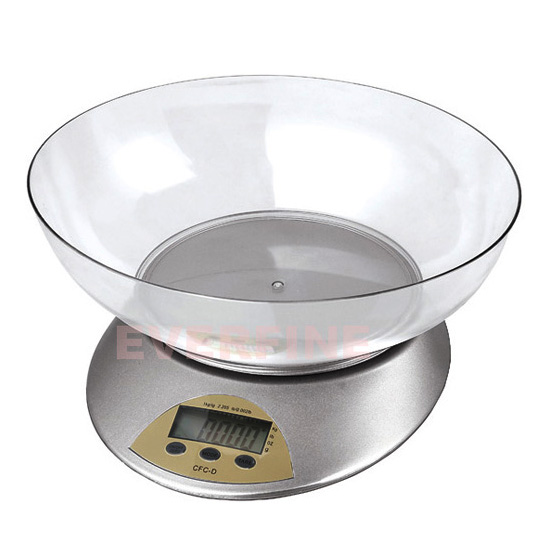
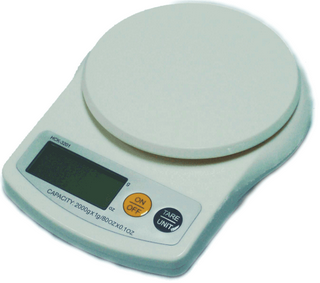
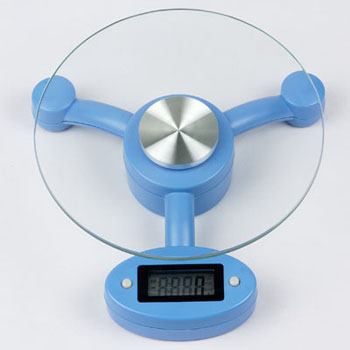
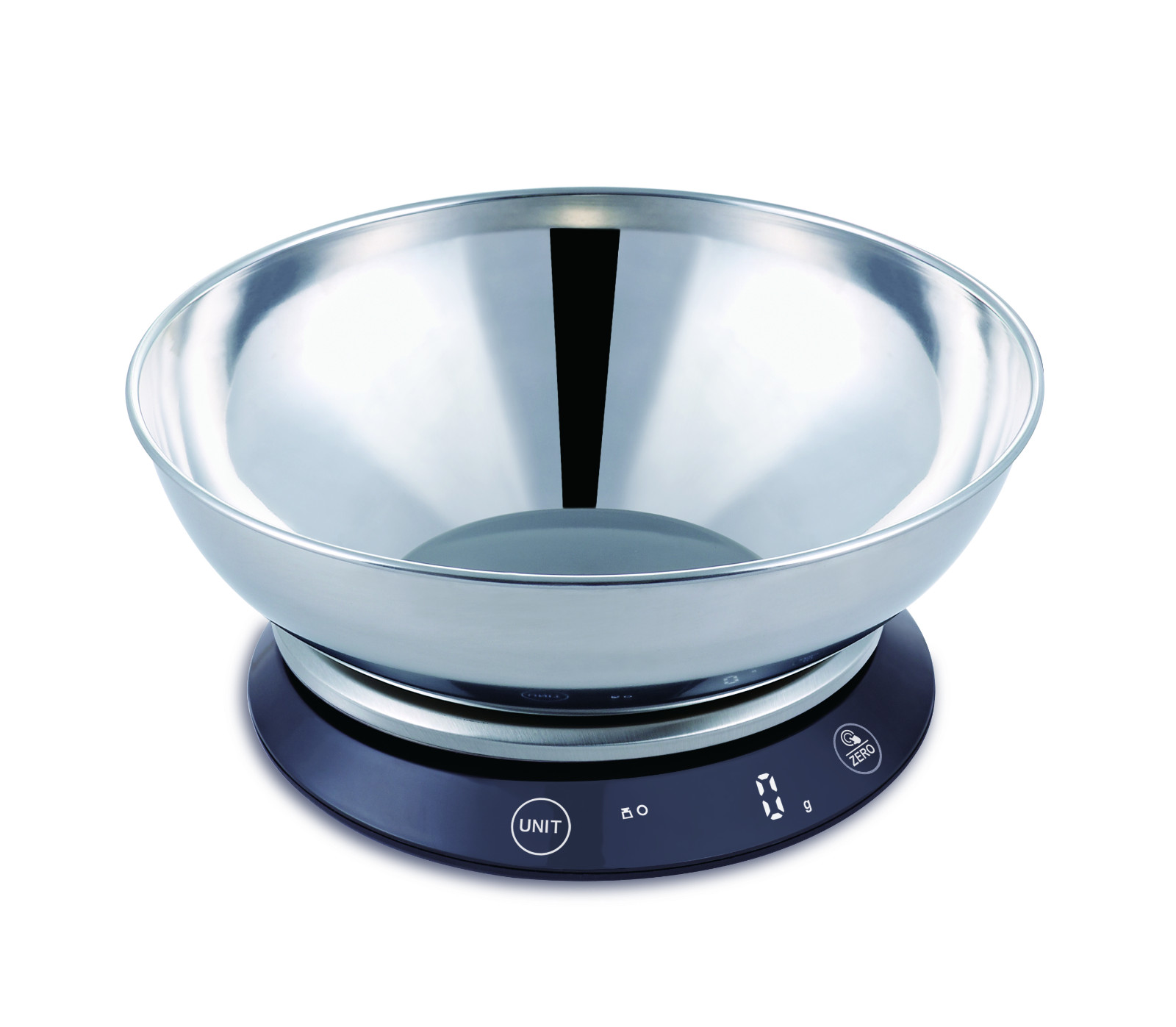
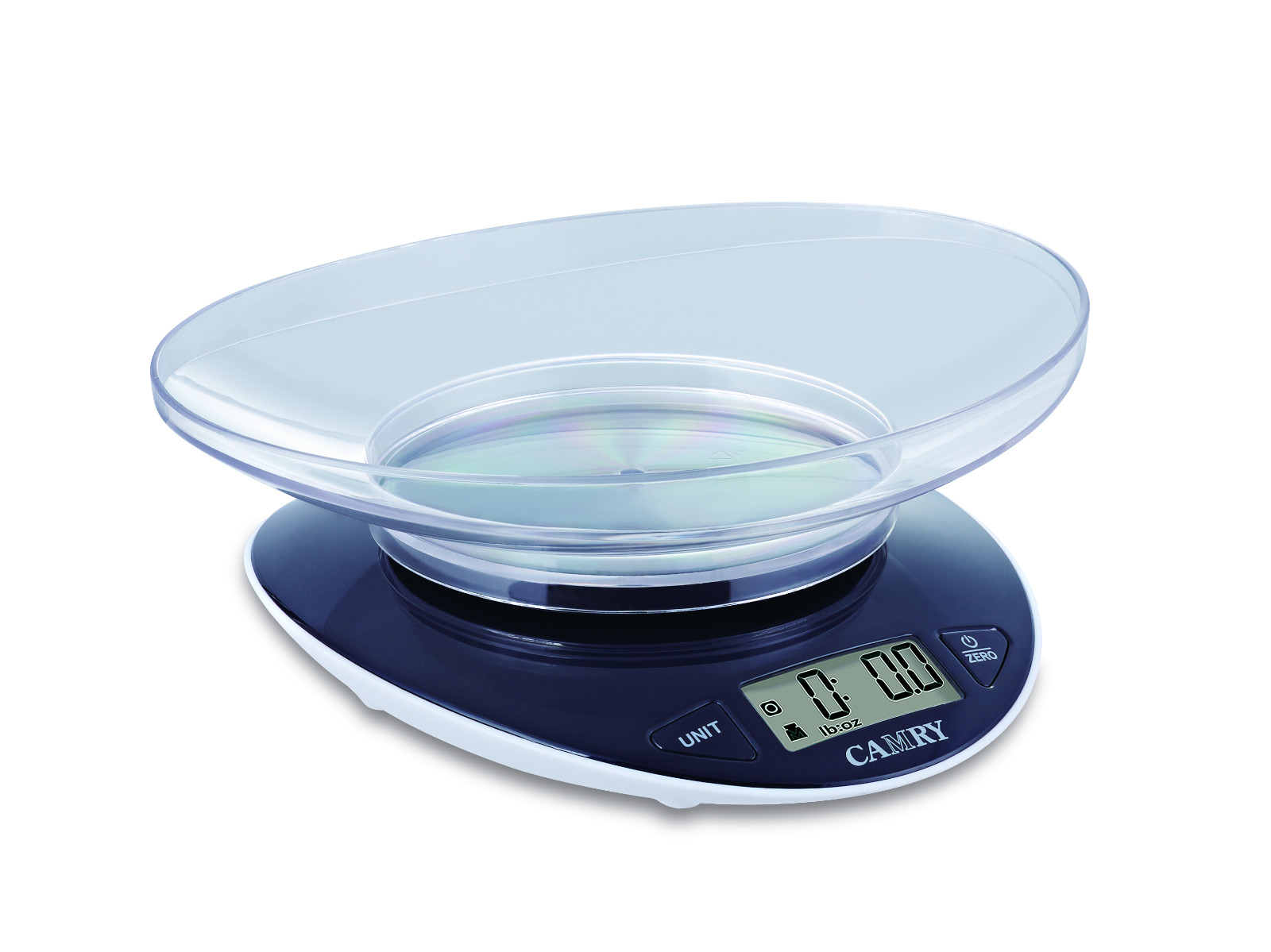
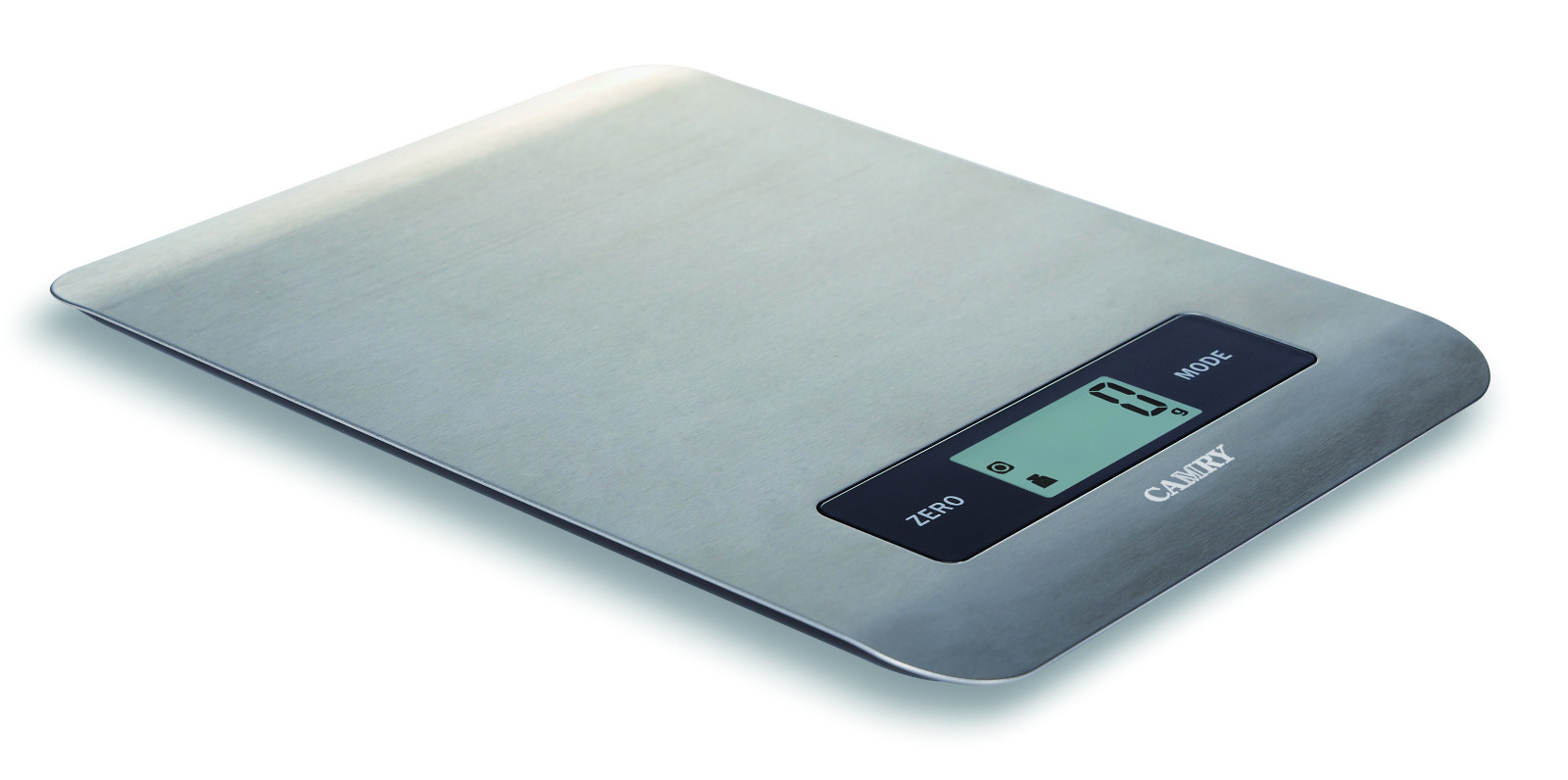
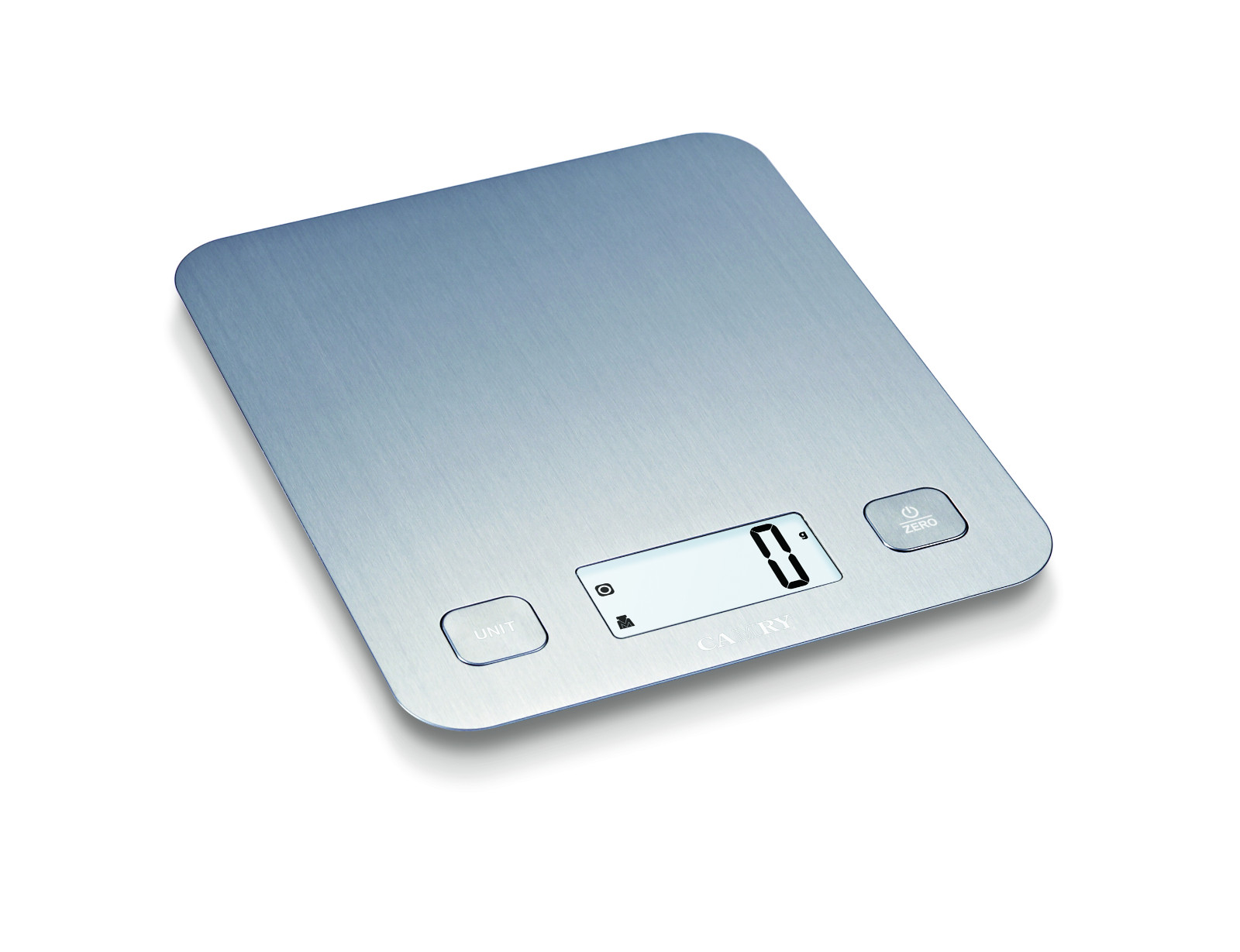
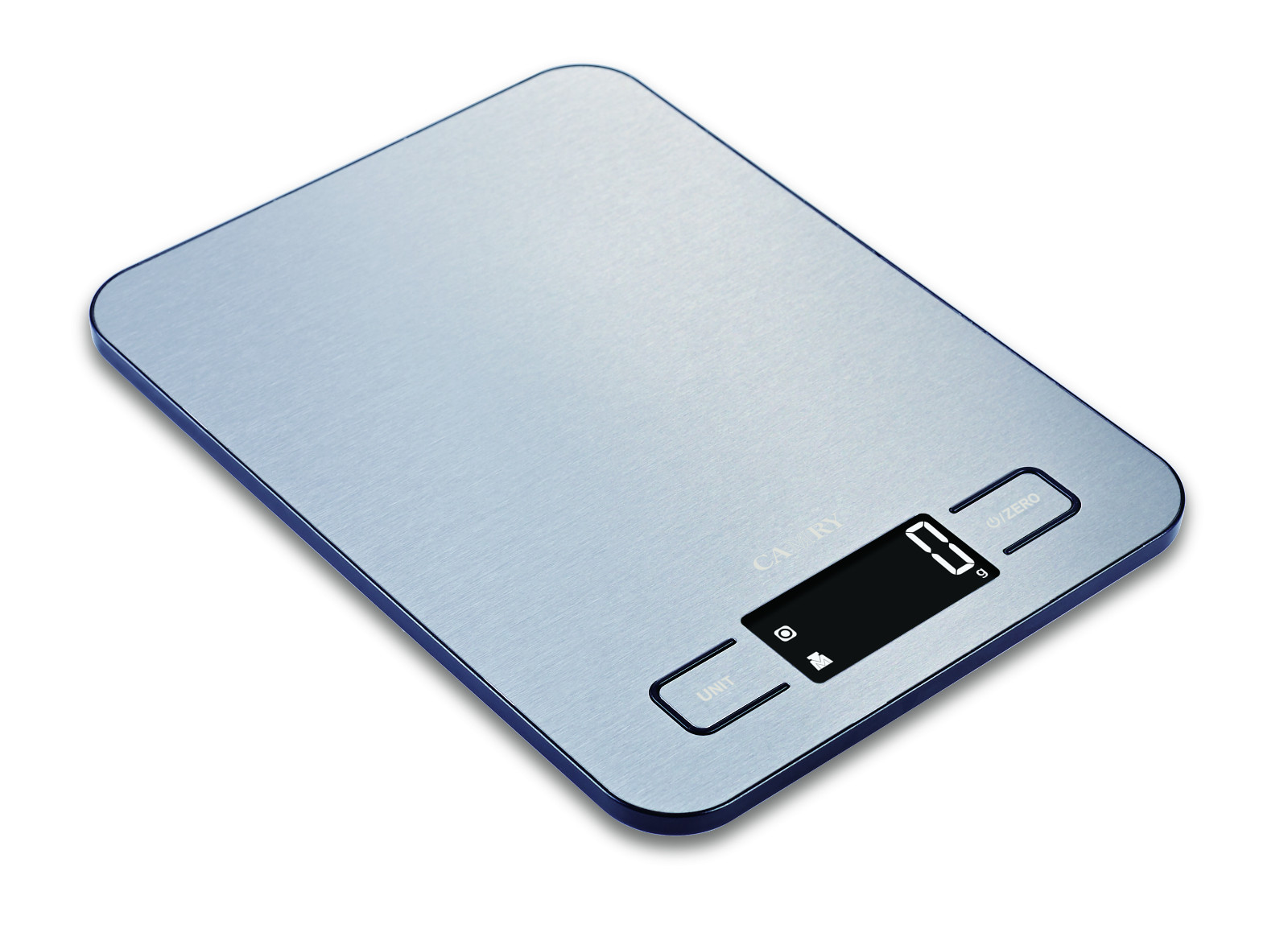
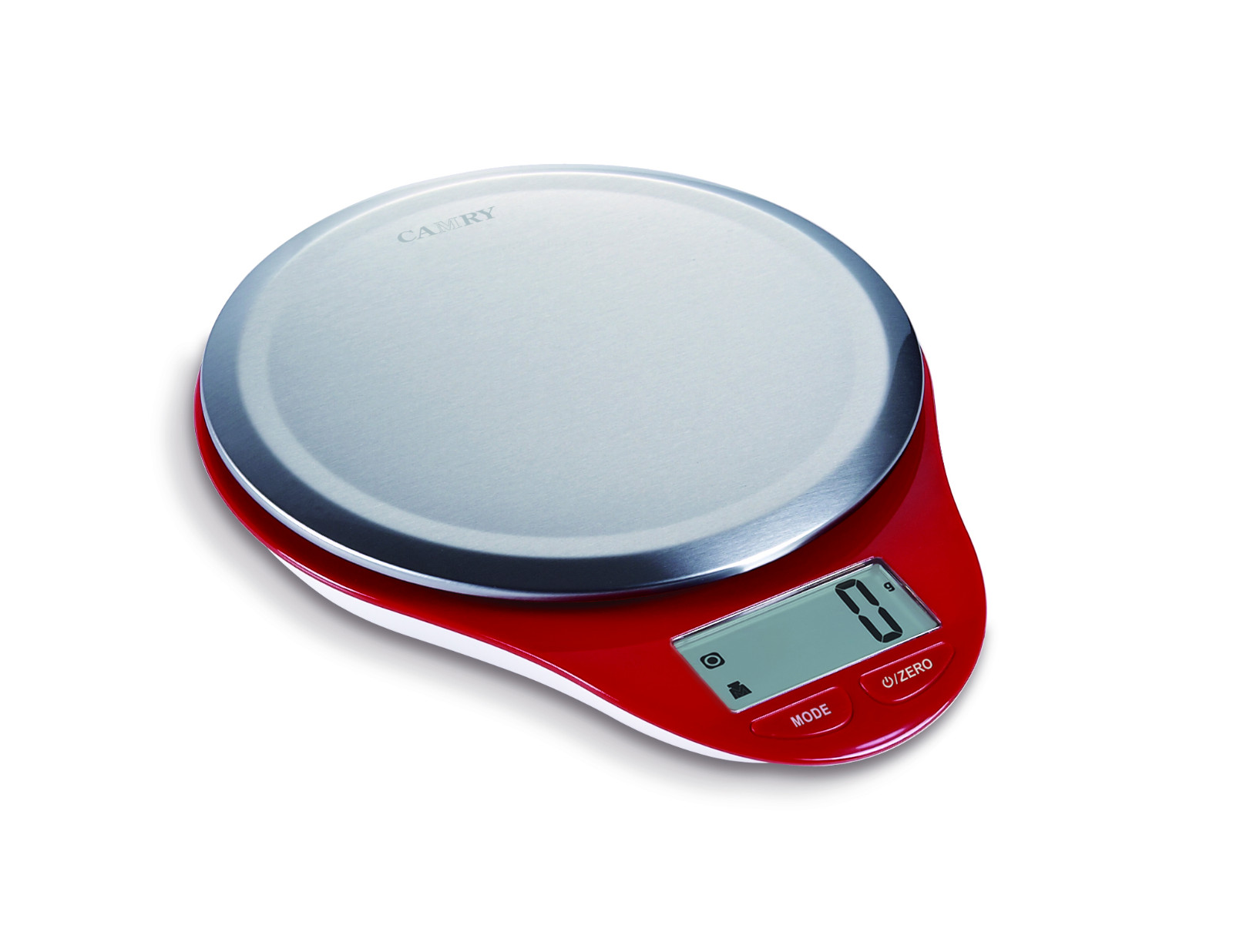
Digital Kitchen Scales
Source high-precision digital kitchen scales in bulk directly from vetted manufacturers and suppliers. This category serves importers, wholesalers, distributors, and brands seeking reliable OEM and private-label production. Secure competitive wholesale pricing on accurate, market-ready kitchen weighing appliances.
The core challenge in sourcing digital kitchen scales is balancing load cell precision with mass-production unit costs. While the basic mechanics of a strain gauge are straightforward, ensuring consistent accuracy, minimal temperature drift, and long-term durability across thousands of units requires rigorous factory-level oversight. Minor variations in PCB assembly or sensor mounting can lead to unacceptable defect rates once the product reaches the end user.
Component Specifications and Load Cell Quality
The heart of any digital scale is its load cell (typically an aluminum strain gauge) and the analog-to-digital converter (ADC) on the PCB. When negotiating specifications with a manufacturer, the quality of these two components dictates the scale's resolution, maximum capacity, and response time.
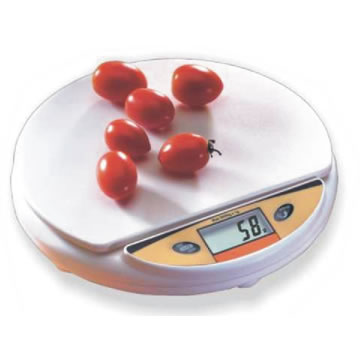
A standard kitchen scale typically offers a 5kg maximum capacity with a 1g resolution. However, high-precision models targeting coffee enthusiasts or bakers may require a 0.1g resolution, which necessitates a more sensitive, higher-grade load cell and advanced firmware to filter out environmental vibrations.
| Platform Material | Durability | Cost Impact | Typical Application |
|---|---|---|---|
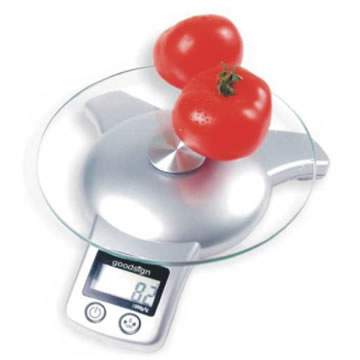
| Tempered Glass | High (scratch resistant) | Low to Medium | Standard consumer models |
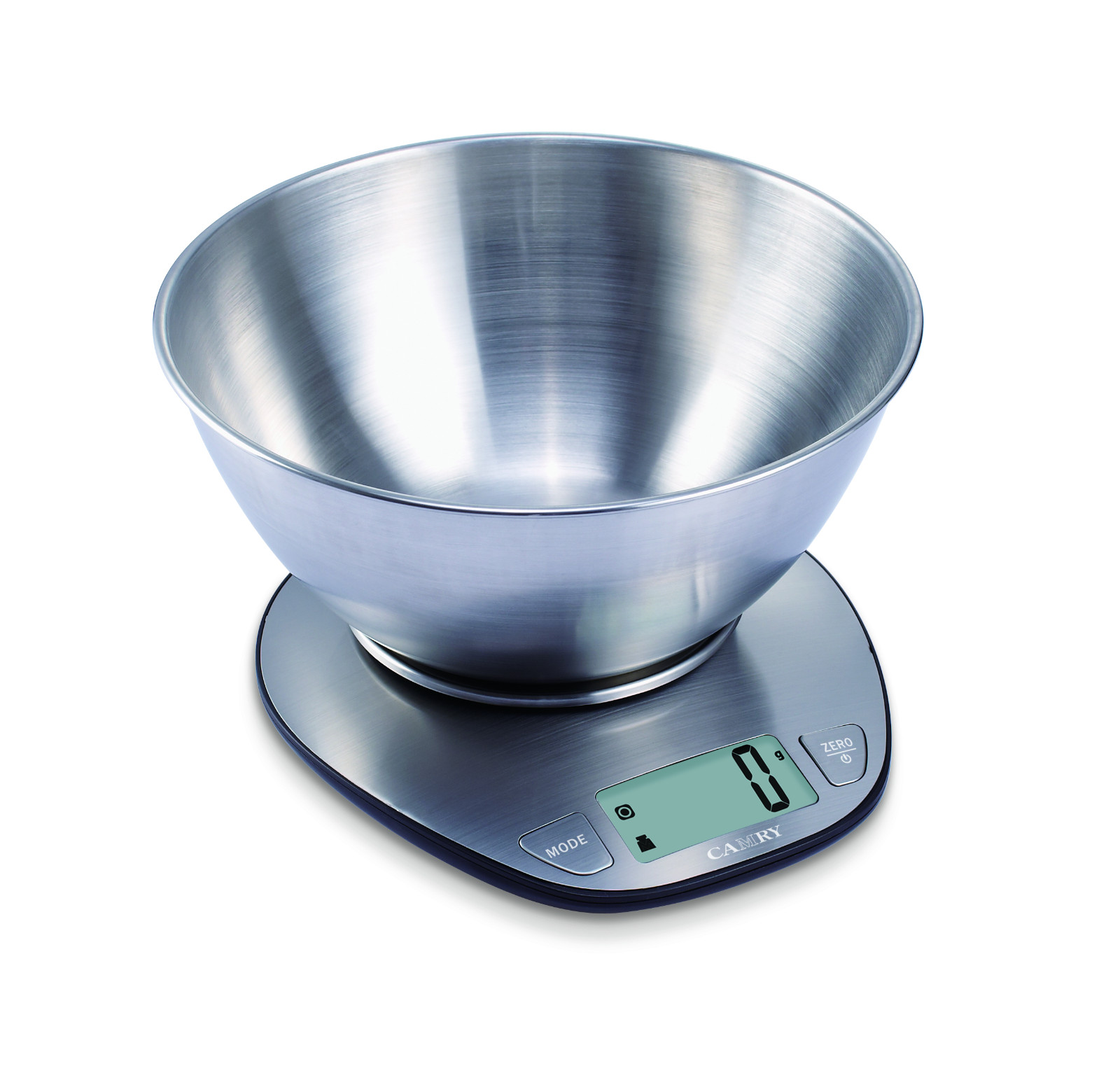
| Stainless Steel | Very High (corrosion resistant) | Medium to High | Premium & professional models |
| ABS Plastic | Moderate | Low | Entry-level promotional models |
Before committing to a high-volume run, executing comprehensive Factory Audits ensures the supplier actually manufactures the load cells in-house or sources them from reputable component vendors, rather than relying on inconsistent spot-market purchases.
Struggling to verify supplier component quality? Let us audit the factory and secure your supply chain.
Talk to our teamManufacturing Tolerances and Quality Control
Quality is won or lost during calibration and final assembly. Poorly assembled casings can introduce friction against the weighing platform, leading to inaccurate readings or the "creeping" effect where the displayed weight slowly drifts. Furthermore, kitchen scales operate in demanding environments; they must withstand minor spills, flour dust, and rapid temperature changes.
Implementing strict Quality Control & Inspection protocols is critical. Inspections must go beyond simple power-on tests and verify the scale's performance under simulated real-world conditions.
Critical In-Line & Pre-Shipment QC Checks
- Multi-point calibration testing at 25%, 50%, and 100% of maximum capacity.
- Corner load testing to ensure accuracy regardless of where the item is placed on the platform.
- Temperature drift testing to verify stable readings between 10C and 30C.
- Moisture and dust ingress checks around the LCD/LED display and tactile buttons.
- Drop testing to validate the internal PCB and sensor mounting stability.
OEM/ODM Customization and Smart Features
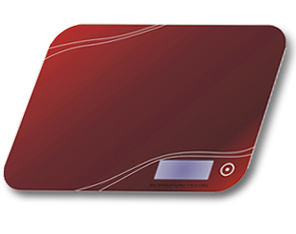
The market is increasingly shifting toward aesthetically driven designs and smart functionality. Engaging a factory for OEM/ODM Services allows brands to dictate exact form factors, custom LED matrix displays, and specific firmware behaviors (such as auto-off timing, unit toggling, and tare memory).
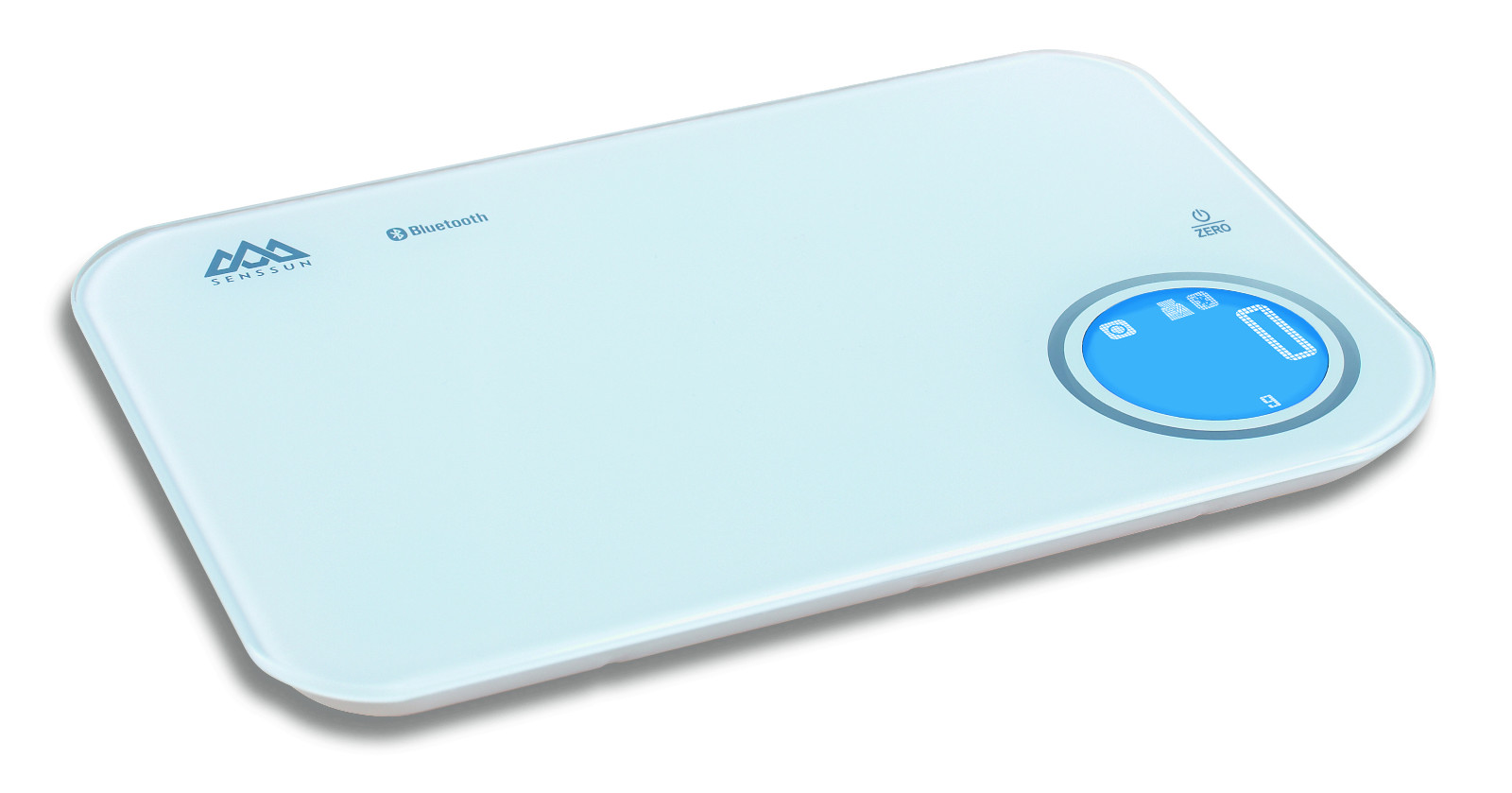
For premium models, integrating Bluetooth or Wi-Fi for companion recipe apps is a major differentiator. However, adding wireless ICs requires careful PCB shielding to prevent electromagnetic interference from affecting the sensitive ADC processing the load cell data.
Pricing, MOQs, and Lead Times
Unit costs are primarily driven by the platform material (e.g., 3mm vs. 4mm tempered glass), the inclusion of rechargeable lithium-ion batteries versus standard AAA compartments, and the display technology (basic LCD vs. high-contrast hidden LED).
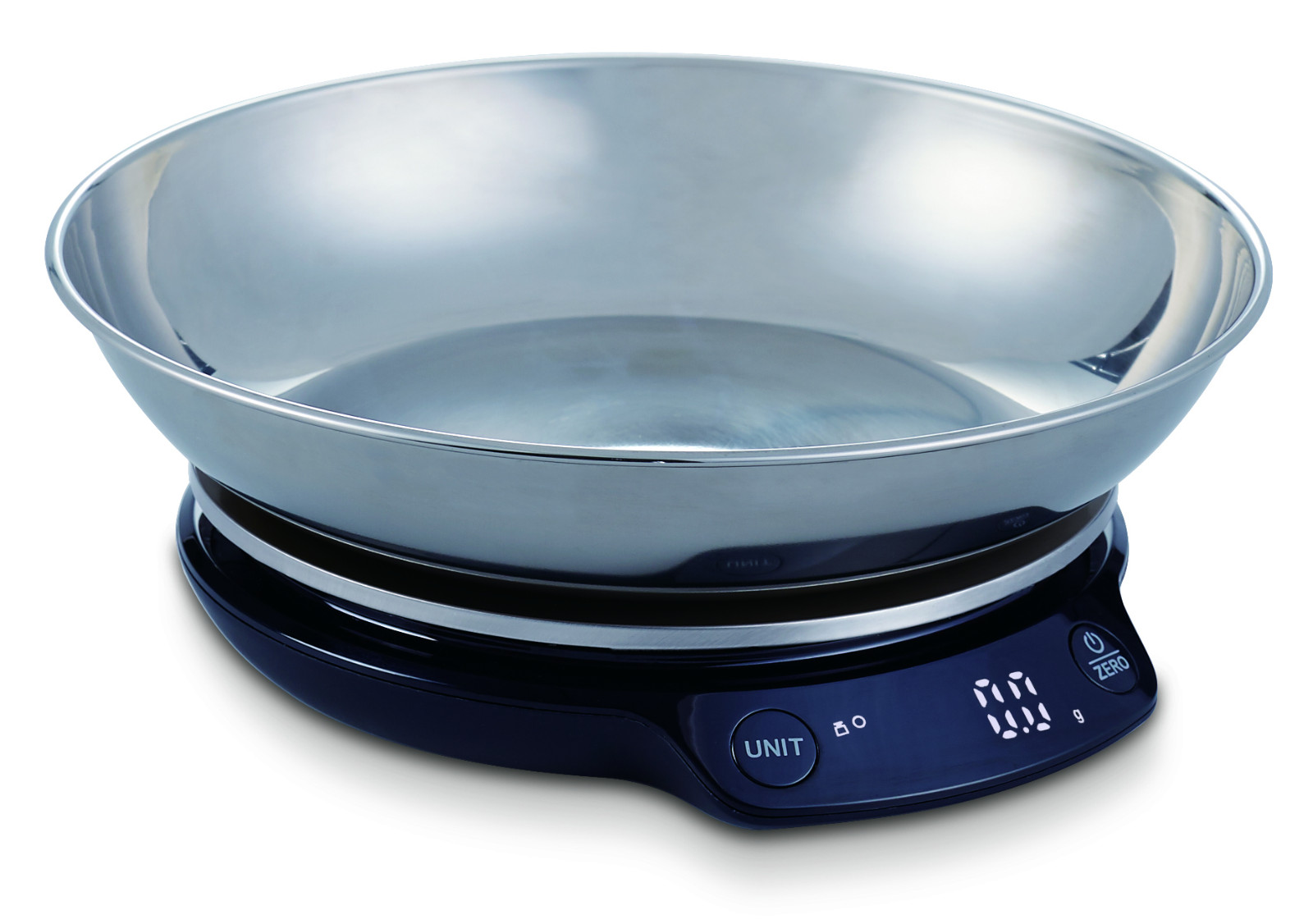
Proper Compliance & Testing is non-negotiable. Scales destined for North America or Europe require FCC or CE/RoHS certifications. Additionally, any surface intended for direct food contact (like stainless steel bowls included with the scale) must pass FDA or LFGB food-safe material testing.
Need to align your target pricing with strict compliance standards? We can negotiate terms and manage the testing process.
Get a free consultationFrequently Asked Questions
Sourcing reliable digital kitchen scales requires looking past the outer casing to validate the internal sensor architecture and factory calibration standards. Partnering with an experienced sourcing team ensures your production runs maintain the precision your end-users expect, shipment after shipment.
Get Sourcing Help for Digital Kitchen Scales
Tell us your requirements and our experts will connect you with verified manufacturers.