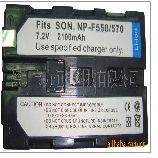
Digital Batteries
Source premium Digital Batteries from vetted manufacturers and suppliers in China and across Asia. Designed for electronics importers, wholesale distributors, and brands seeking reliable OEM and private-label production. Secure high-capacity, fully decoded lithium-ion power solutions built to stringent global safety standards.
Sourcing replacement and aftermarket digital batteries at scale requires navigating a market flooded with exaggerated capacity claims and subpar battery management systems (BMS). For professional buyers supplying the photography, videography, and specialized digital device markets, the difference between a successful product line and a costly recall comes down to cell chemistry, BMS decoding, and rigorous factory-level testing.
Critical Specifications for OEM Production
When developing private-label digital batteries, specifying the right internal components is far more critical than the external injection molding. Relying solely on a supplier's datasheet without verifying the underlying bill of materials (BOM) often leads to inconsistent performance.
Cell Grading and True Capacity
Lithium-ion cells dictate the lifespan and true milliampere-hour (mAh) capacity of the battery. Factories typically source cells from tier-1 manufacturers (like Panasonic or Sanyo) for premium lines, or tier-2/3 domestic Chinese manufacturers (like BAK or Lishen) for budget lines. Ensure your supplier specifies the exact cell brand and grade in the contract.
| Cell Grade | Capacity Retention | Typical Application | Cost Impact |
|---|---|---|---|
| Grade A | Over 85 percent after 500 cycles | Premium OEM / Professional gear | High |
| Grade B | 70 to 80 percent after 300 cycles | Budget aftermarket replacements | Medium |
| Grade C | Under 60 percent after 100 cycles | Promotional / Low-end retail | Low (Avoid) |
The BMS and Decoding Challenge
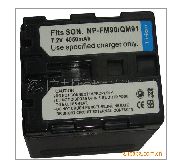
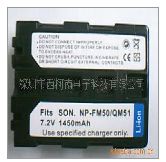
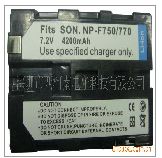
For digital camera batteries (such as LP-E6, NP-FW50, or EN-EL15 equivalents), the Battery Management System must be "fully decoded." Camera manufacturers frequently update firmware to reject third-party batteries. A fully decoded BMS chip ensures the battery communicates properly with the device, displaying accurate remaining power and preventing error messages.
Struggling with inconsistent battery capacities or decoding issues? Let us help you identify and vet manufacturers with proven BMS engineering capabilities.
Talk to our teamManufacturing Quality and Process Controls
The assembly of digital batteries involves precise spot welding, BMS integration, and ultrasonic welding of the plastic casing. Poor spot welding increases internal resistance, causing the battery to overheat during high-drain operations (like recording 4K video).
Before committing to a large order, conducting comprehensive Factory Audits is essential to verify the supplier's automated welding equipment and testing infrastructure.
Essential Factory-Level Tests
A reliable manufacturer will not skip the aging and capacity testing phases. When setting up your Quality Control & Inspection protocols, mandate the following checks:
Pre-Shipment Battery Inspection Checklist
- Capacity verification: Sample testing using programmable DC electronic loads.
- Decoding confirmation: Testing samples in the actual target camera/device models.
- Drop testing: Ensuring ultrasonic casing welds do not split on impact.
- Internal resistance testing: Verifying spot weld integrity and cell health.
- Aging test: Cycling batteries at elevated temperatures to catch early-life failures.
Compliance, Safety, and Logistics
Lithium-ion batteries are classified as dangerous goods (Class 9). You cannot legally or safely ship them internationally without proper documentation and testing. Navigating Compliance & Testing early in the sourcing process prevents goods from being seized by customs or rejected by freight forwarders.
Every digital battery model you import must have a valid UN38.3 test report and a Material Safety Data Sheet (MSDS). Depending on your target market, you will also need CE, RoHS, and potentially UL or FCC certifications.
Realistic MOQs, Pricing, and Lead Times
Battery pricing fluctuates based on global lithium carbonate costs and the specific BMS chips required for decoding.
- Minimum Order Quantities (MOQs): For standard, existing molds with your branding, MOQs typically range from 1,000 to 3,000 units per model. If you require OEM/ODM Services for a completely custom casing or specialized BMS, expect MOQs to start at 5,000 units to absorb tooling costs.
- Pricing: Premium fully decoded batteries with Grade A cells generally cost 30 to 50 percent more than their Grade B, partially decoded counterparts.
- Lead Times: Standard production runs take 25 to 35 days. However, because batteries require specialized maritime or air freight routing, add an extra 10 to 15 days to your standard logistics buffer.
Need accurate pricing and lead times for your next battery order? Our sourcing experts can negotiate with top-tier battery manufacturers on your behalf.
Get a free consultationBuyer FAQ
Final Sourcing Insight
Succeeding in the digital battery market requires looking past the outer plastic shell. The true value—and safety—of your product lies in the cell chemistry, the decoding firmware, and the strictness of the factory's quality control. Partnering with a specialized sourcing team ensures your supply chain is built on verified technical competence, not just the lowest quoted price.
Get Sourcing Help for Digital Batteries
Tell us your requirements and our experts will connect you with verified manufacturers.