Die Casting Machines
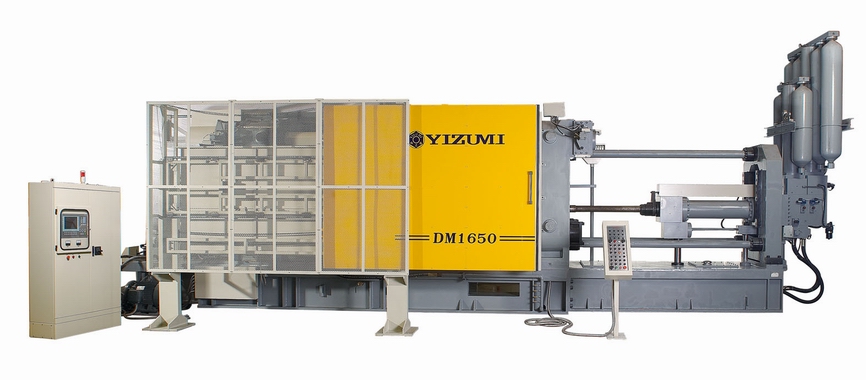
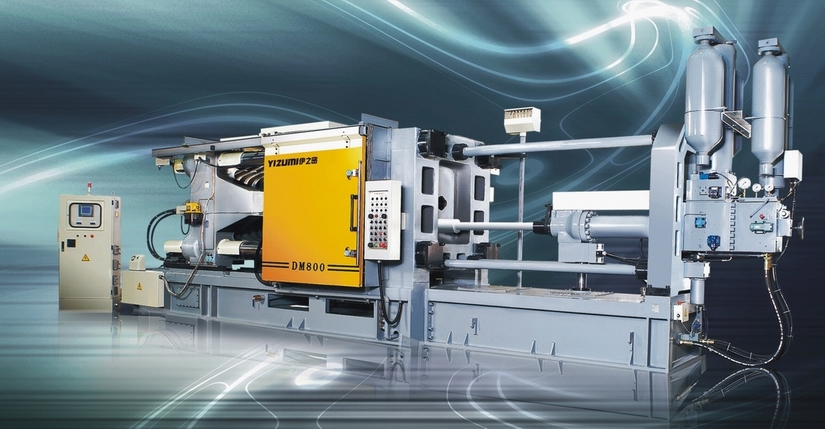
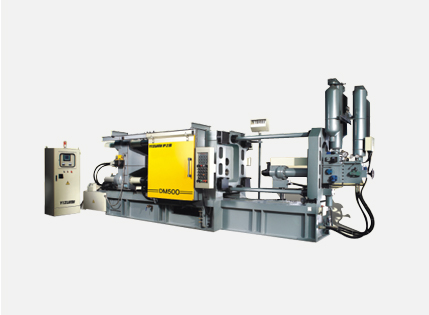
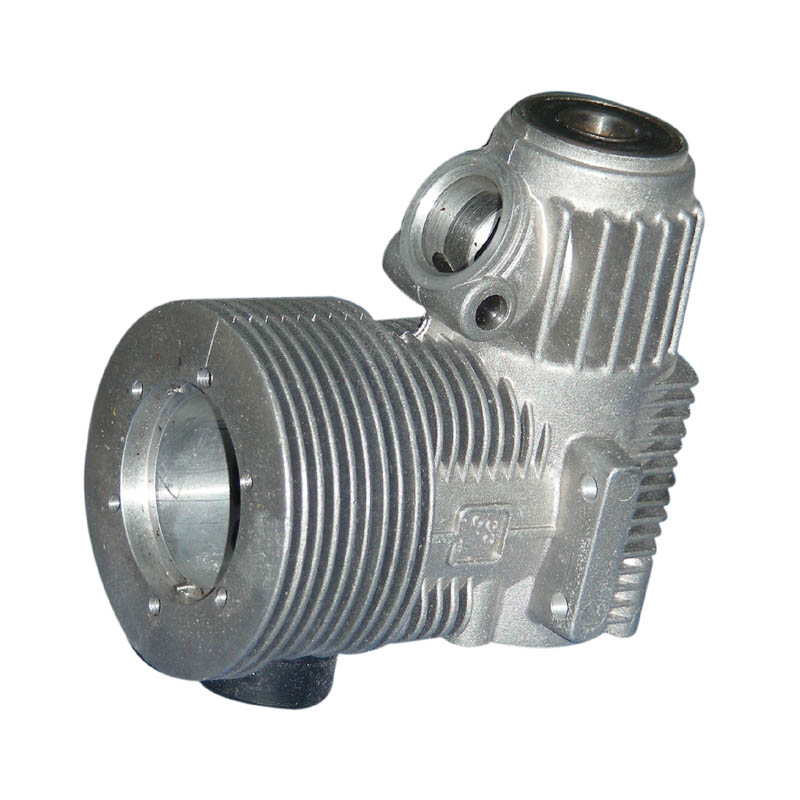
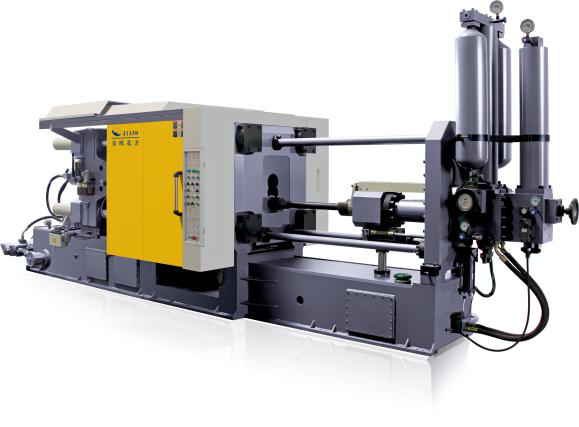
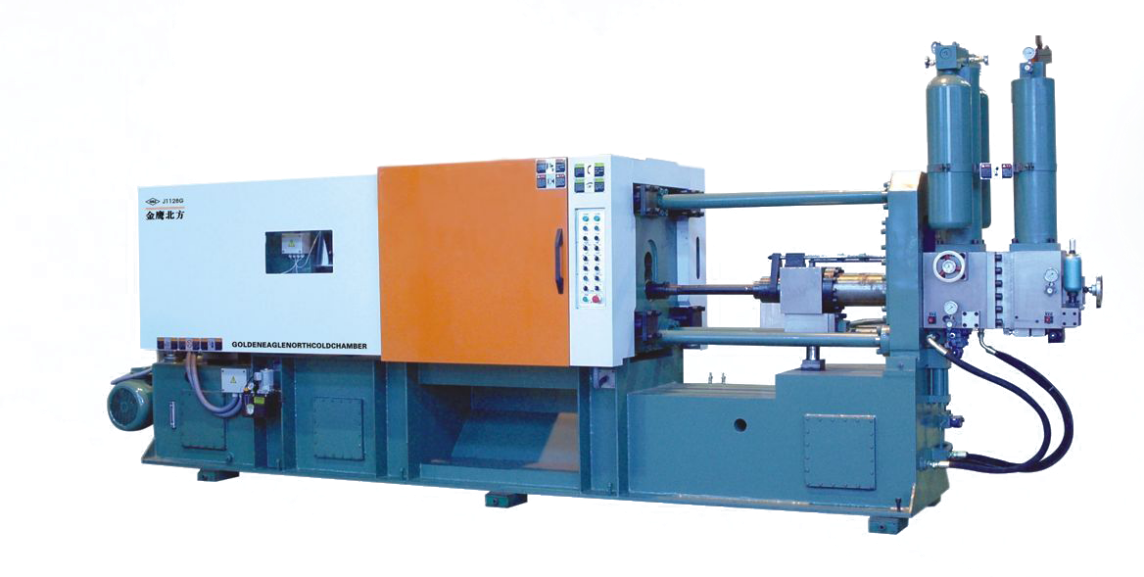
Source industrial-grade die casting machines from vetted suppliers and manufacturers across Asia. Designed for importers, distributors, and manufacturing brands seeking reliable OEM equipment, our wholesale network delivers high-tonnage cold and hot chamber systems built for precision metal fabrication and long-term operational stability.
Sourcing die casting machines overseas requires navigating a complex landscape of equipment builders, ranging from top-tier engineering firms with in-house heavy machining capabilities to low-end assembly workshops. For industrial buyers, the priority is securing reliable locking forces, stable injection profiles, and durable hydraulic systems without absorbing unnecessary markup. Success depends on rigorous technical specification and verifying the manufacturer's true production capabilities.
Specifying the Core Architecture
The fundamental choice in die casting equipment dictates the entire production line setup and the types of alloys you can process. Buyers must clearly define their tonnage requirements (locking force), tie bar spacing, and injection parameters based on the specific molds and part volumes they intend to run.
| System Type | Cold Chamber Machines | Hot Chamber Machines |
|---|---|---|
| Primary Alloys | Aluminum, Brass, Magnesium | Zinc, Lead, Tin |
| Injection Mechanism | External furnace, manual/auto ladling | Submerged gooseneck in holding pot |
| Typical Tonnage Range | 150T to over 4000T | 15T to 800T |
| Cycle Speed | Slower (due to ladling process) | Faster (continuous molten supply) |
When specifying cold chamber machines for aluminum casting, injection pressure and velocity are critical. The injection system must provide sufficient intensification pressure to eliminate porosity in the final casting. Ensure your supplier can provide dry cycle times and injection curves that match your production targets.
Need to verify if a factory's technical claims match their actual engineering capabilities? Our sourcing engineers can help.
Discuss your equipment specsEvaluating Factory Capabilities and Component Quality
The difference between a machine that lasts 15 years and one that suffers cracked platens in year two lies in the factory's machining tolerances and metallurgy. Many suppliers outsource the casting and machining of their platens. Engaging in comprehensive Factory Audits is essential to verify whether a supplier has the heavy CNC boring mills required to achieve strict parallelism between the fixed and moving platens.
Critical Quality Checkpoints for Die Casting Machines
- Platen Parallelism: Must be strictly maintained under maximum locking force to prevent flash and mold wear.
- Tie Bar Metallurgy: Verify induction hardening and chrome plating thickness to ensure tensile strength and wear resistance.
- Toggle Mechanism: Check the quality of the alloy steel pins and copper alloy bushings, as well as the automatic lubrication system.
- Hydraulic Valves: Insist on internationally recognized proportional valves (e.g., Rexroth, Yuken) for reliable pressure control.
- Control Systems: Ensure the PLC (Siemens, Mitsubishi, Omron) is genuine and supported by local integrators in your destination country.
During assembly, Quality Control & Inspection should focus on the hydraulic manifold blocks for leaks and the electrical cabinets for proper shielding and CE/UL compliance, depending on your target market.
Production Lead Times, Pricing, and Logistics
Die casting machines are capital equipment, built to order. While some smaller hot chamber machines (under 50T) might have lead times of 30 to 45 days, heavy-tonnage cold chamber machines (800T and above) typically require 90 to 120 days for manufacturing, assembly, and dry-run testing.
Pricing is heavily influenced by the tonnage and the origin of the critical components. A machine utilizing domestic Chinese hydraulics and PLCs will be significantly cheaper than one specified with top-tier Japanese or German internals. However, specifying international brands for wear parts and control systems drastically reduces downtime and simplifies maintenance for the end-user.
Heavy machinery logistics require specialized handling. Let our team map out the safest freight route for your equipment.
Get a logistics assessmentShipping these machines is a logistical challenge. Machines over 400T often exceed standard container dimensions and weight limits, requiring open-top containers, flat racks, or breakbulk shipping. Proper Shipping & Freight coordination is necessary to manage heavy-lift port operations, secure the equipment against marine environments (vacuum packing and desiccant), and navigate customs clearance for industrial machinery.
Sourcing die casting machinery is an exercise in risk management and technical validation. The true cost of the equipment is not the FOB price, but its lifecycle performance, maintenance requirements, and the consistency of the castings it produces. Partnering with a supplier who possesses genuine engineering depth is the only way to secure a reliable return on your capital investment.
Get Sourcing Help for Die Casting Machines
Tell us your requirements and our experts will connect you with verified manufacturers.