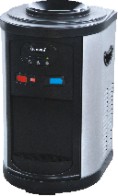
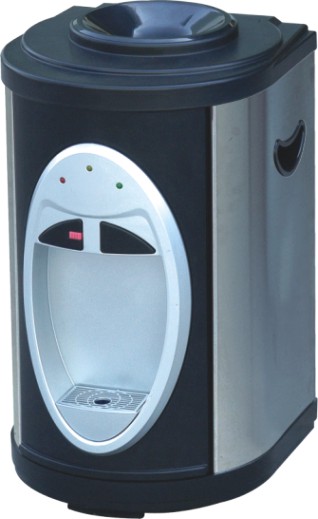
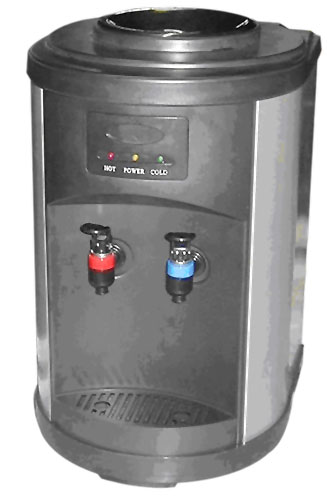
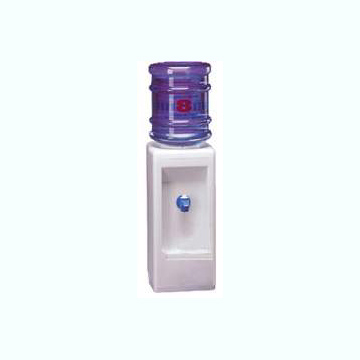
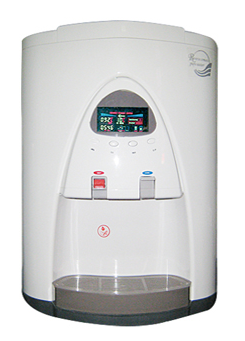
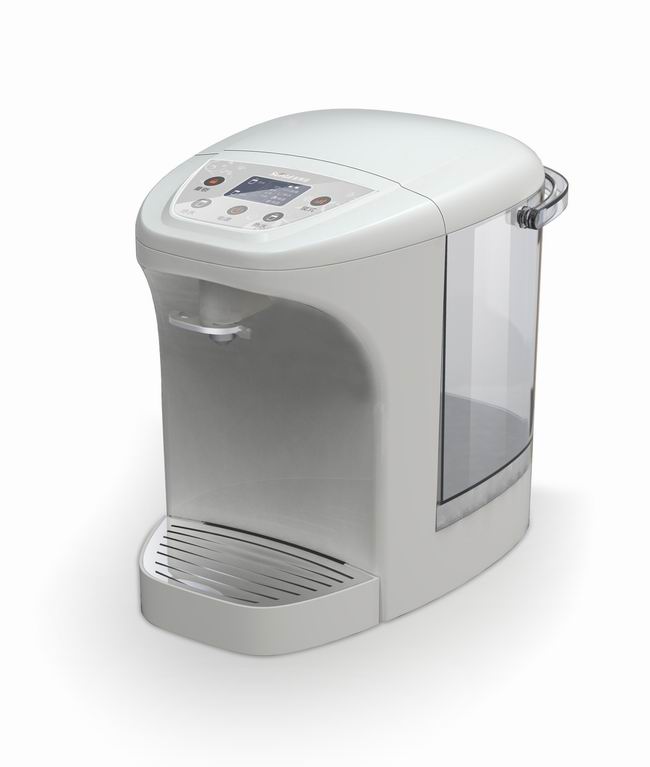
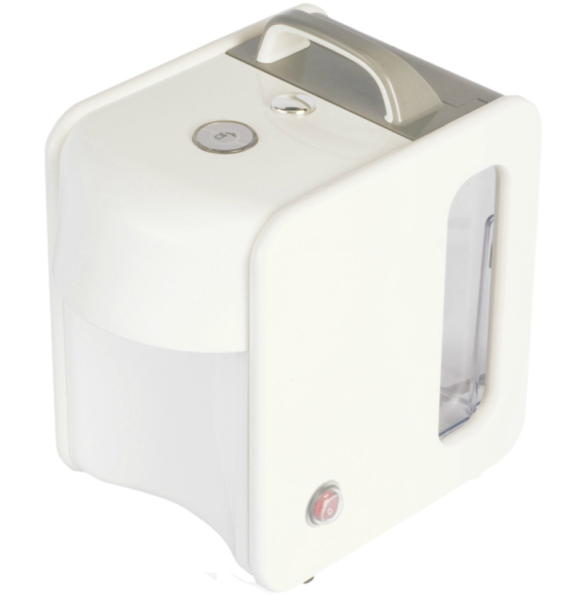
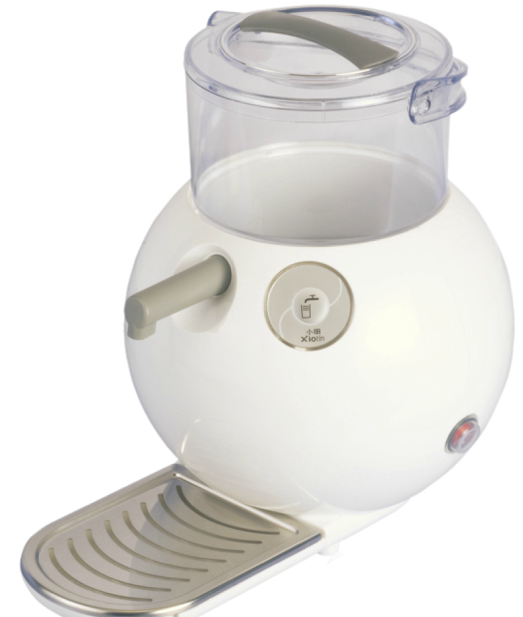
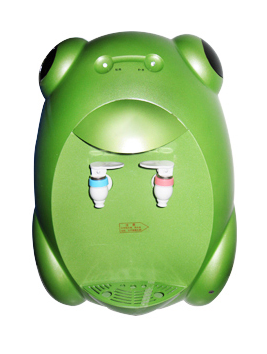
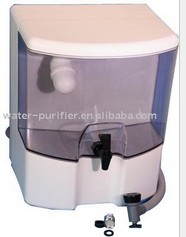
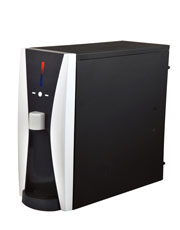
Desktop Water Dispensers
Source premium desktop water dispensers from vetted suppliers and manufacturers across Asia. Designed for importers, appliance wholesalers, and brands seeking reliable OEM and private-label production, our network delivers scalable manufacturing with rigorous quality oversight.
Sourcing desktop water dispensers requires balancing compact form factors with robust thermal performance and long-term reliability. Because these units handle continuous heating, cooling, and water pressure within a confined footprint, the primary procurement challenge lies in ensuring consistent build quality across high-volume production runs. A minor variance in internal plumbing or electrical assembly can lead to catastrophic leaks or safety failures in the field.
Core Specifications and Component Selection
The internal architecture of a desktop dispenser dictates its market positioning, lifespan, and unit cost. When evaluating manufacturers, your specification sheet must explicitly define the core components, as factories will often default to lower-tier parts to remain price-competitive.
Cooling Technology
The cooling mechanism is the most significant driver of both cost and physical weight.
| Cooling Type | Mechanism | Performance | Best Application |
|---|---|---|---|
| Compressor Cooling | Refrigerant-based (R134a/R600a) | High capacity (under 10°C rapidly) | Premium models, commercial offices |
| Thermoelectric (Electronic) | Peltier effect module | Moderate capacity (10-15°C slower) | Budget models, residential use |
Heating Elements and Tanks
For hot water functionality, specify food-grade stainless steel (SUS304 or SUS316) for the internal reservoirs. Avoid factories using inferior grades that are susceptible to corrosion or scaling. The heating element should feature dual thermal limits (a primary thermostat and a manual-reset safety limit) to prevent dry-boiling if the reservoir is empty.
Manufacturing Vulnerabilities and Quality Control
The assembly of desktop water dispensers involves integrating plumbing, electrical wiring, and plastic injection molding. The most common defects originate from poor sealing and inadequate electrical isolation.
To mitigate these risks, robust Quality Control & Inspection protocols must be implemented directly on the factory floor, focusing on in-line testing rather than just end-of-line visual checks.
Critical Factory Floor Verifications
- Pneumatic pressure testing of all internal silicone tubing and joints to verify leak integrity.
- Hipot (high potential) testing on every unit to ensure electrical insulation and grounding.
- Verification of food-grade material certifications for all water-contact plastics and silicones.
- Compressor noise and vibration testing to ensure secure mounting and acoustic dampening.
Ensuring consistent quality requires on-the-ground oversight. Let's discuss how to secure your production lines and catch defects before shipment.
Talk to our teamOEM/ODM Customization and Compliance
If you are developing a private-label line, most factories offer established ODM chassis that can be customized. Modifying the external ABS plastic housing or upgrading the user interface (such as integrating capacitive touch panels or IoT connectivity) requires custom tooling. Utilizing professional OEM/ODM Services ensures that your design modifications do not compromise the internal thermal dynamics or structural integrity of the unit.
Furthermore, compliance is non-negotiable. Depending on your target market, you must ensure the factory can pass stringent Compliance & Testing requirements. This includes electrical safety (UL/ETL for North America, CE for Europe), restricted substances (RoHS), and food-contact material safety (FDA or LFGB standards).
Production Realities: MOQs, Lead Times, and Costs
Desktop water dispensers are capital-intensive to manufacture, and production schedules are heavily dependent on component lead times, particularly for compressors and custom PCB boards.
Note: Thermoelectric models generally have lower MOQs and faster production times compared to compressor-driven units due to simpler supply chains.
Navigating factory negotiations and production scheduling? We can help streamline your procurement and secure favorable terms.
Get a free consultationFrequently Asked Questions
Successfully sourcing desktop water dispensers requires looking past the external design and scrutinizing the internal engineering and factory quality systems. By partnering with manufacturers who maintain strict in-house testing and transparent component sourcing, you can build a reliable product line that minimizes returns and protects your brand reputation.
Get Sourcing Help for Desktop Water Dispensers
Tell us your requirements and our experts will connect you with verified manufacturers.