Decorative Lighting
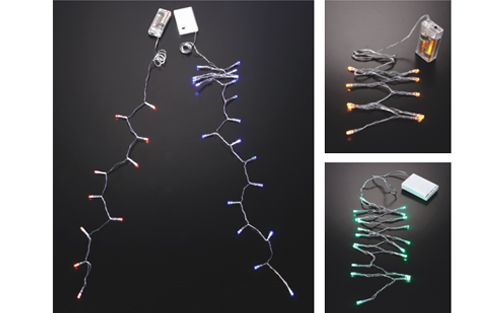
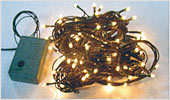
Source commercial-grade decorative lighting directly from vetted manufacturers and wholesale suppliers. Designed for importers, distributors, and brands seeking reliable OEM production, our network delivers compliant, high-volume lighting solutions for seasonal and year-round applications.
Sourcing decorative lighting at scale is rarely just about aesthetics. The real challenge lies in bridging the gap between design intent and rigorous electrical compliance. Whether you are importing high-volume seasonal displays or year-round architectural accents, success depends on specifying the right materials, navigating regional safety certifications, and ensuring the factory has the capability to maintain consistency across thousands of units.
Critical Specifications for Bulk Buyers
When negotiating with decorative lighting manufacturers, vague requirements lead to substituted materials. To ensure durability and safety, you must dictate exact specifications on the bill of materials.
- LED Chip Quality & Binning: Specify the exact SMD type (e.g., SMD2835, SMD5050) and demand strict MacAdam ellipse binning (typically 3-step or 5-step) to prevent color temperature variations across production batches.
- Wire Gauge and Material: The wire is the most expensive component in decorative lighting strings and motifs. Factories often quote lower prices by substituting pure copper with Copper-Clad Aluminum (CCA) or reducing the wire gauge (e.g., moving from 20 AWG to 22 AWG).
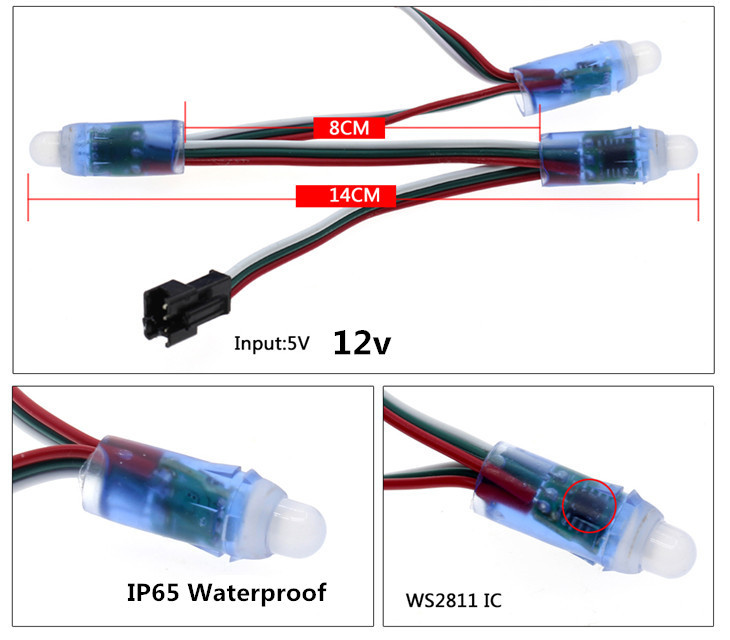
- Ingress Protection (IP Rating): For outdoor decorative lighting, IP44 is the absolute minimum (splash-proof), but commercial applications require IP65 (water-resistant) or IP67 (submersible). Ensure the rating applies to the entire system, including connectors and power supplies.
| Wire Material | Conductivity & Heat | Durability | Best Application |
|---|---|---|---|
| 100% Pure Copper | Excellent conductivity, low heat | High tensile strength, flexible in cold | Commercial outdoor, permanent installs |
| Copper-Clad Aluminum (CCA) | Higher resistance, runs hotter | Brittle, prone to breaking under stress | Short-term indoor, budget retail |
Struggling to verify factory specifications and material quality? Let us help you establish strict technical requirements and vet potential manufacturing partners.
Talk to our teamManufacturing Tolerances and Quality Control
Decorative lighting production is highly labor-intensive, involving extensive manual soldering, wire cutting, and sealing. This introduces significant risk for human error. Identifying a reliable supplier requires comprehensive Factory Audits to verify their automated capabilities (like auto-soldering machines) versus manual assembly lines.
Where quality is won or lost on the factory floor:
- Soldering and Epoxy Sealing: Cold solder joints cause dead bulbs. For outdoor lights, the epoxy or PVC injection molded over the LED must be completely free of air bubbles to prevent moisture ingress.
- Strain Relief: The connection points between the wire and the LED, as well as at the plug, must withstand physical pulling. Pull-testing should be a mandatory part of the factory's internal QC.
- Aging Tests: Reputable manufacturers require a 12- to 24-hour aging test (burn-in) for all decorative lighting before packaging to catch early-life LED failures.
Pre-Shipment Inspection Focus Areas
- Verify wire gauge using a micrometer (do not rely on visual inspection).
- Conduct high-voltage (Hi-Pot) testing to ensure insulation integrity.
- Check IP rating compliance via standardized water spray/immersion tests.
- Confirm color temperature (CCT) consistency using a spectrometer.
- Inspect packaging for proper crush resistance to protect delicate motifs.
Implementing independent Quality Control & Inspection before the goods leave the factory is non-negotiable for electrical products to avoid catastrophic recall risks.
Compliance and Market Regulations
Lighting is heavily regulated. Customs and local market surveillance authorities will seize decorative lighting that lacks proper documentation.
For the US market, UL 588 (Standard for Seasonal and Holiday Decorative Products) is the critical benchmark. For the EU, CE marking is mandatory, encompassing the Low Voltage Directive (LVD), Electromagnetic Compatibility (EMC), and RoHS (Restriction of Hazardous Substances). Do not accept a factory's generic CE certificate; verify that the test report matches your exact product configuration and was issued by a reputable third-party lab. Partnering with experts in Compliance & Testing ensures your shipments clear customs without costly delays.
Pricing, MOQs, and Lead Times
Pricing in decorative lighting is highly volatile, driven primarily by global copper prices, PVC/rubber resin costs, and labor rates.
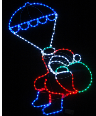
If you are developing custom acrylic motifs or unique bulb shapes, you will need OEM/ODM Services. Custom molds typically require a one-time tooling fee, but MOQs may be negotiable depending on the complexity of the design and the factory's current capacity.
Ready to optimize your landed costs and secure reliable production capacity for your next high-volume lighting order?
Get a free consultationSuccessfully sourcing decorative lighting requires looking past the showroom samples and digging into the engineering of the product. By strictly defining your bill of materials and implementing rigorous in-line inspections, you can secure high-quality lighting that protects your brand's reputation and your bottom line.
Get Sourcing Help for Decorative Lighting
Tell us your requirements and our experts will connect you with verified manufacturers.