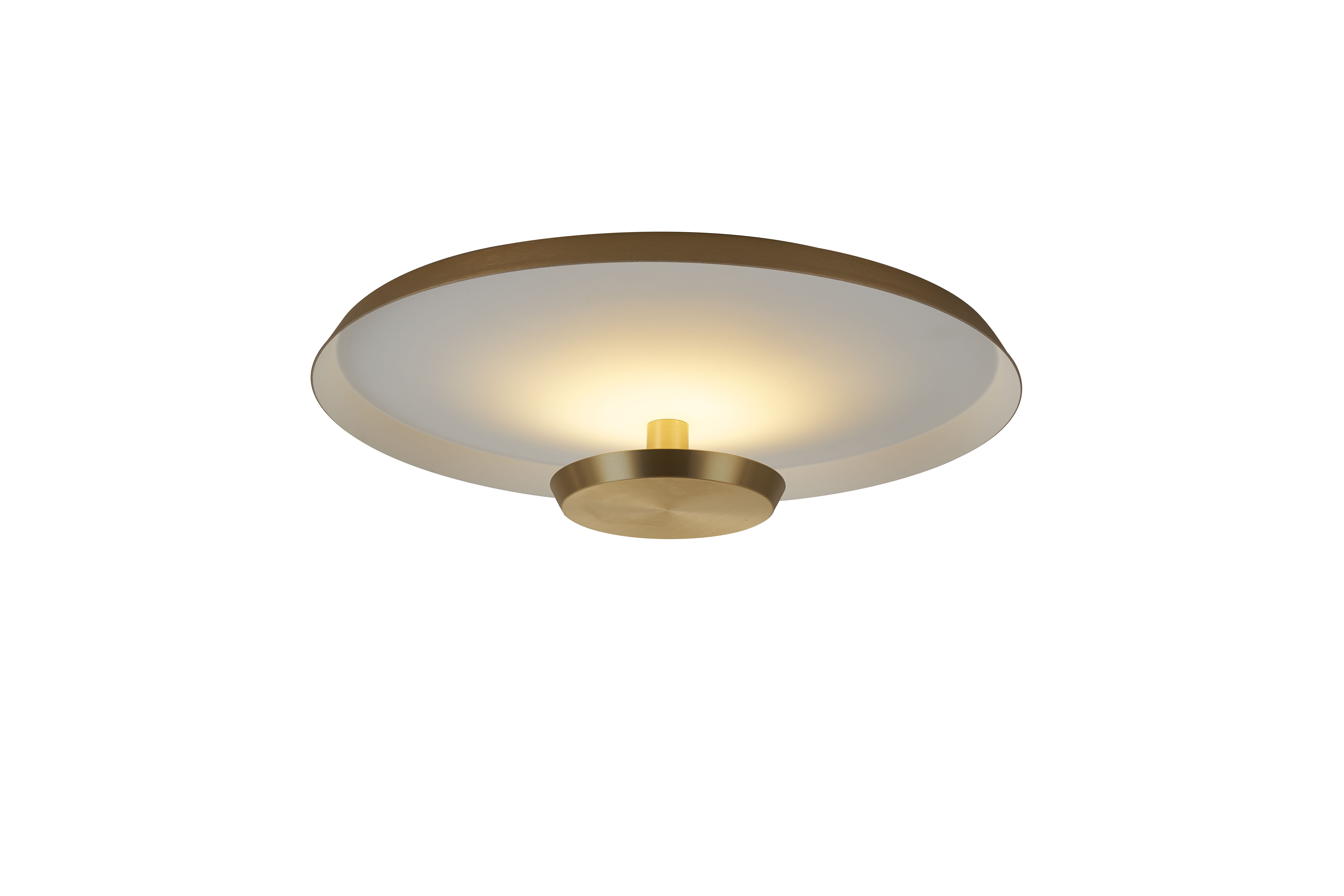
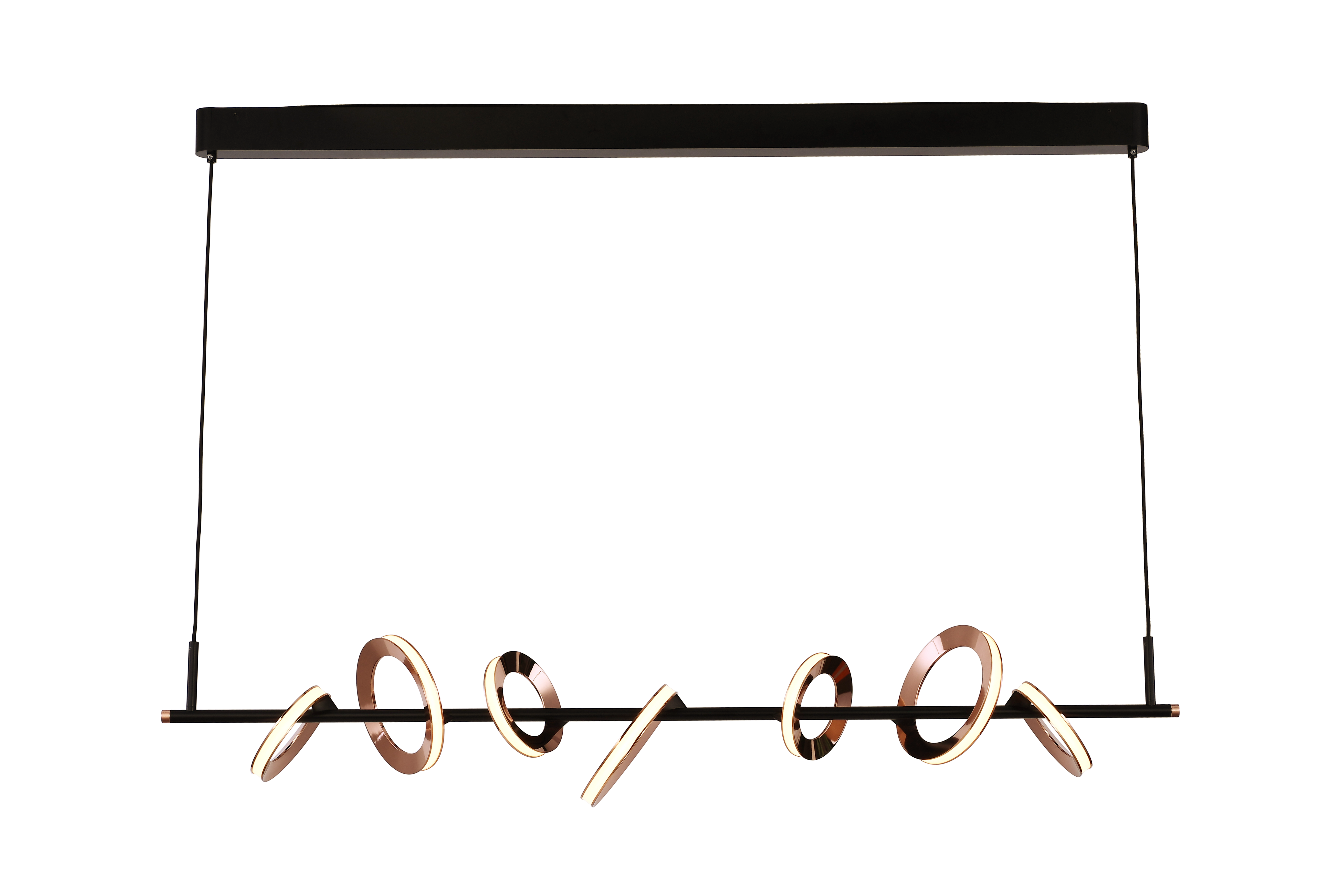
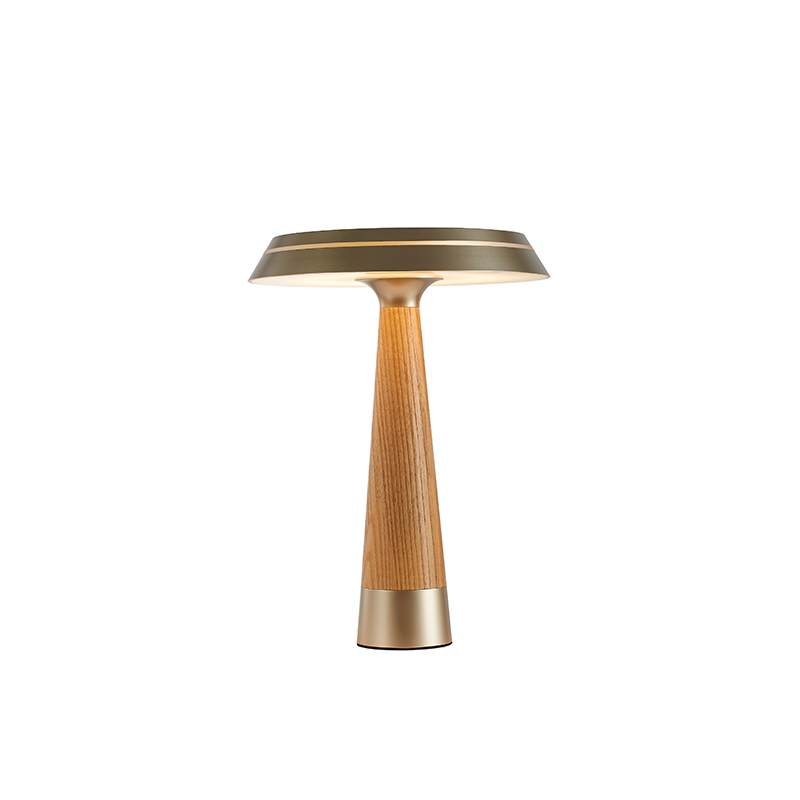
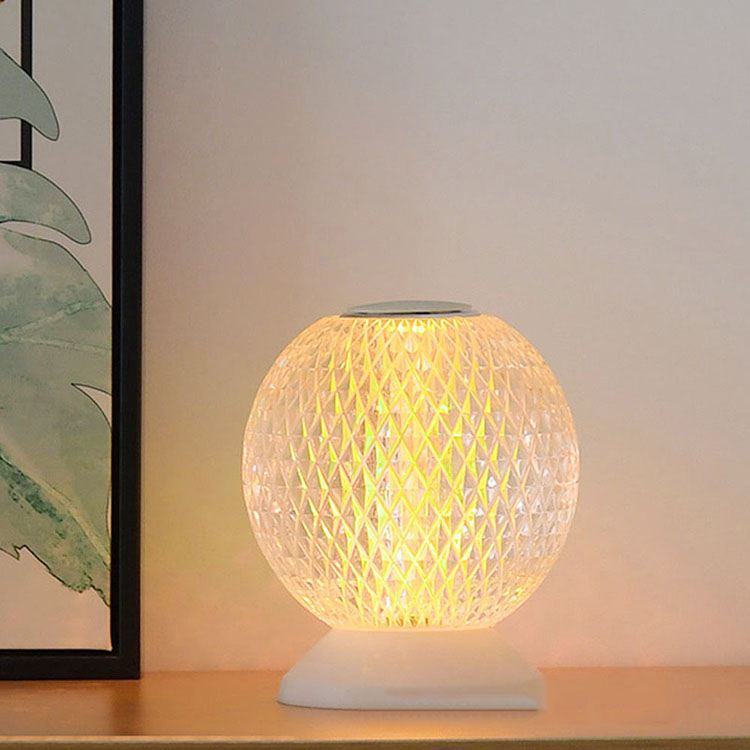
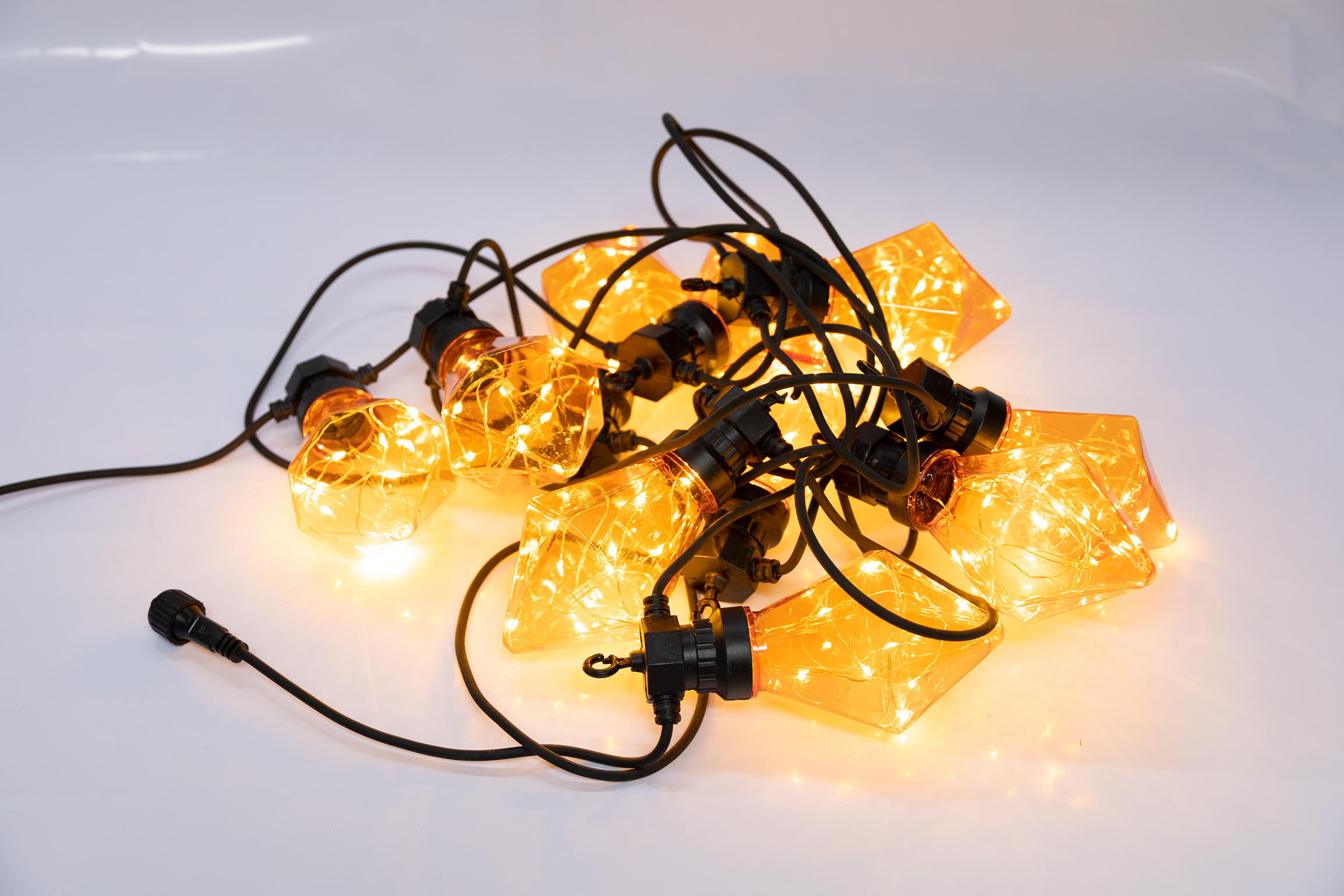
Decorative Lighting
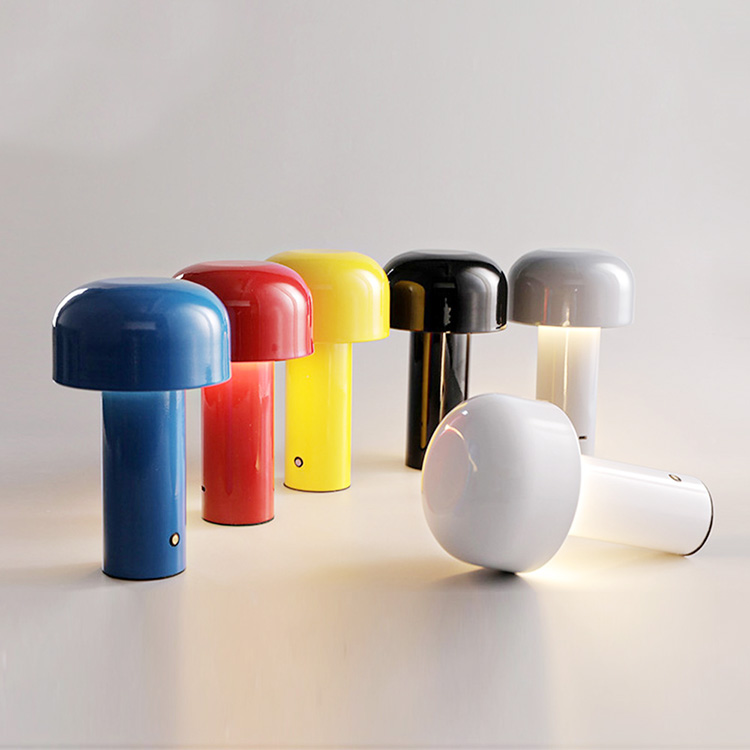
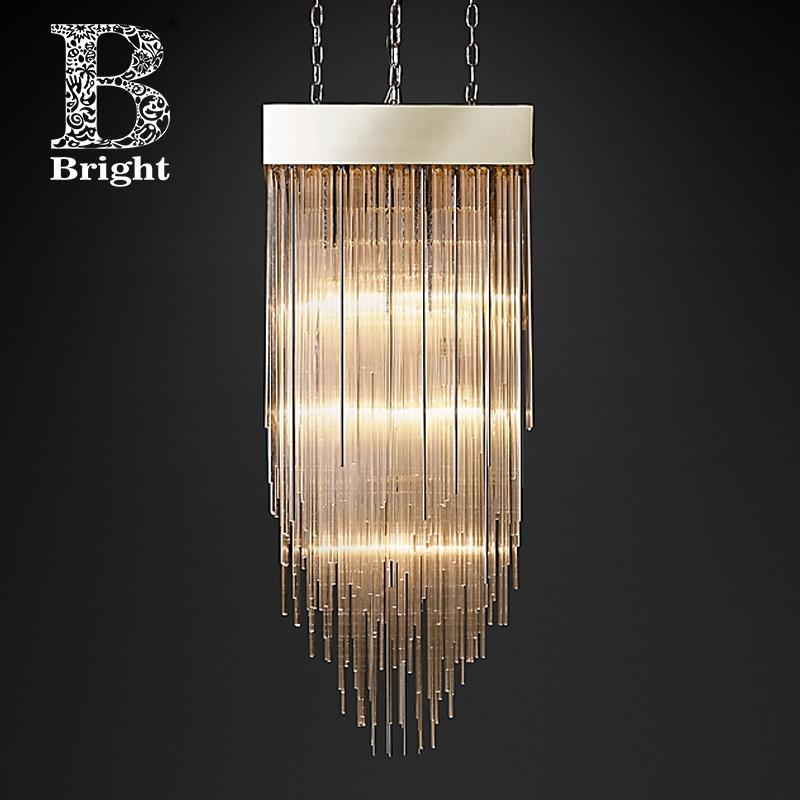
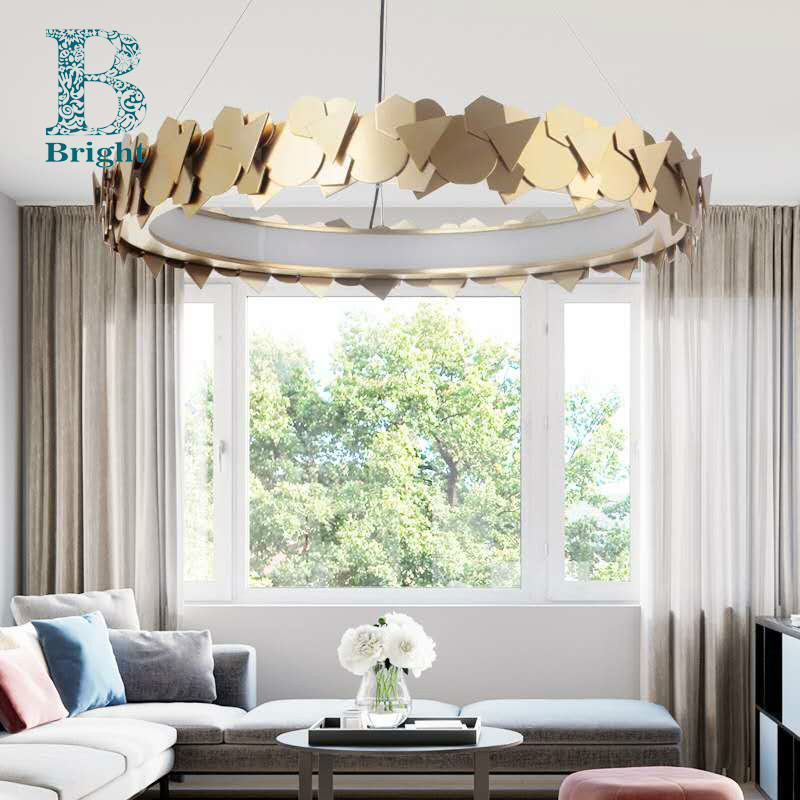
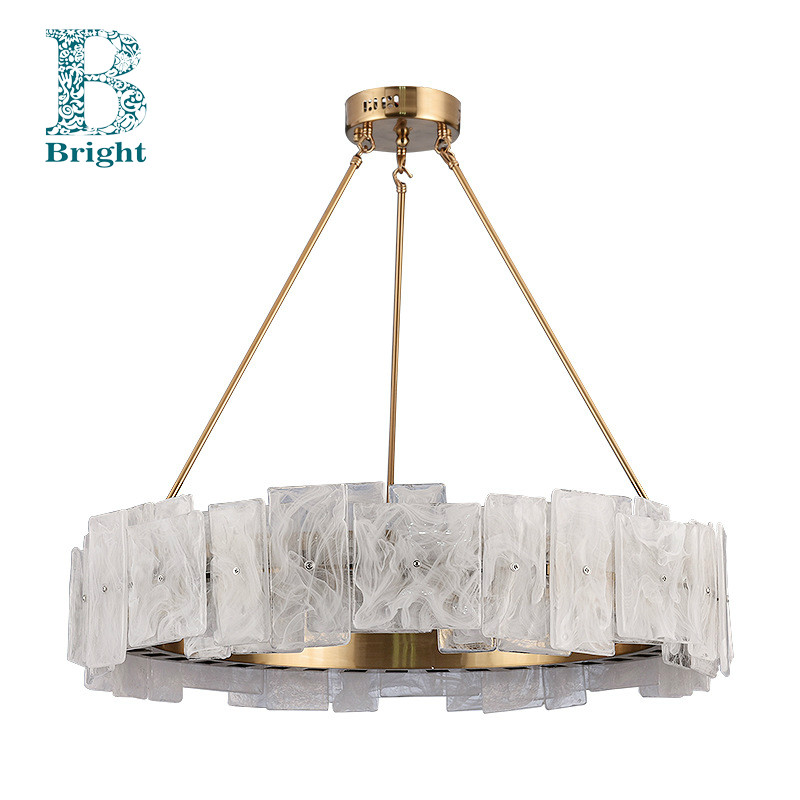
Source premium Decorative Lighting from vetted suppliers and manufacturers in China and across Asia. Designed for importers, wholesale distributors, and brands seeking reliable OEM and private-label production, our network delivers high-volume lighting solutions that meet strict international compliance standards.
Sourcing decorative lighting in bulk requires balancing aesthetic precision with rigorous electrical safety. When moving from prototype to mass production, the primary challenge is maintaining finish consistency across large batches while ensuring every fixture passes target market certifications.
Critical Specifications for Decorative Fixtures
To avoid miscommunication with manufacturers, your RFQ must detail both the optical performance and the physical construction. Vague specifications inevitably lead to component substitution on the factory floor.
- Optical Metrics: For decorative applications, Color Rendering Index (CRI) should be 90 or higher to accurately reflect interior colors. Specify the Correlated Color Temperature (CCT) and mandate a MacAdam ellipse (SDCM) of 3 steps or fewer to prevent noticeable color variations between fixtures in the same installation.
- Electrical Components: The LED driver is the most common point of failure. Specify whether you require isolated or non-isolated drivers, and define the dimming protocol (Triac, 0-10V, DALI).
- Surface Treatments: Specify the exact finishing method. Electroplating offers a premium look but requires strict environmental controls, whereas Physical Vapor Deposition (PVD) provides superior durability for high-end brass or stainless steel fixtures.
Struggling with inconsistent surface finishes or failing drivers? Let's discuss how to tighten your factory specifications and enforce quality standards.
Talk to our teamFactory Floor Realities: Where Quality is Won or Lost
The difference between a premium fixture and a high-defect batch usually comes down to the factory's surface treatment capabilities and their aging test protocols. Many assembly-only factories outsource their metalworking and plating, which introduces significant variance in color matching and corrosion resistance.
When conducting factory audits, it is crucial to evaluate whether the supplier has in-house CNC machining and dedicated quality control for incoming raw materials.
Critical Inspection Points for Decorative Lighting
- Visual inspection for plating defects, pitting, or uneven powder coating under standard D65 lighting
- High-pot (dielectric withstand) testing to ensure insulation integrity
- Earth continuity checks for all metal-bodied fixtures
- Minimum 4-hour aging test at maximum rated voltage to identify early driver failures
- Verification of specified LED chip and driver brands against the approved Bill of Materials (BOM)
If you are developing proprietary designs, engaging a partner for OEM/ODM services ensures your intellectual property is protected while navigating the custom tooling required for unique glass, acrylic, or metal components.
Buying Mechanics: MOQs, Lead Times, and Cost Drivers
Pricing in decorative lighting is highly sensitive to material weight (e.g., solid brass versus spun aluminum), the complexity of the glass or crystal elements, and the quality of the internal electronics.
Packaging Considerations
Decorative lighting is highly susceptible to transit damage. Ensure your supplier uses drop-tested packaging with custom-molded EPE foam rather than standard EPS (Styrofoam), which crumbles and leaves residue on the fixtures.
Need to negotiate better terms or consolidate shipments from multiple lighting factories? We can help manage your supply chain from end to end.
Get a free consultationNavigating Compliance and Certifications
Decorative lighting must meet strict regional standards. For North America, UL or ETL listing is non-negotiable for hardwired fixtures. For Europe, CE (LVD and EMC directives) and RoHS compliance are required. Relying on a factory's past certificates is risky, as internal components frequently change between production runs. Implementing rigorous compliance and testing protocols per production run is the only way to guarantee market entry and avoid customs seizures.
Successfully importing decorative lighting at scale means managing a fragile, high-mix product category where aesthetics and electrical engineering intersect. By controlling the bill of materials, dictating the sub-components, and enforcing strict pre-shipment inspections, you can protect your margins and your brand reputation.
Get Sourcing Help for Decorative Lighting
Tell us your requirements and our experts will connect you with verified manufacturers.