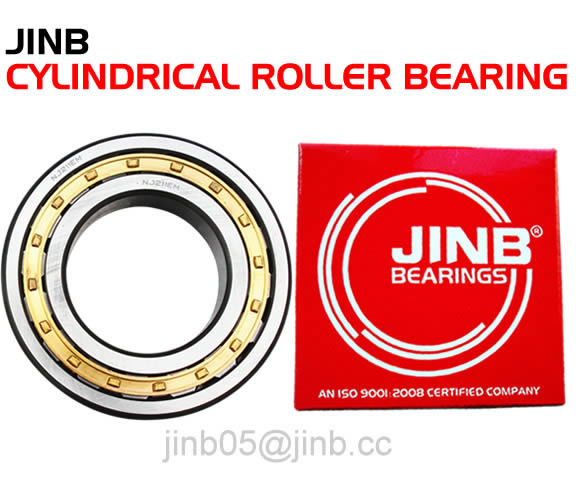
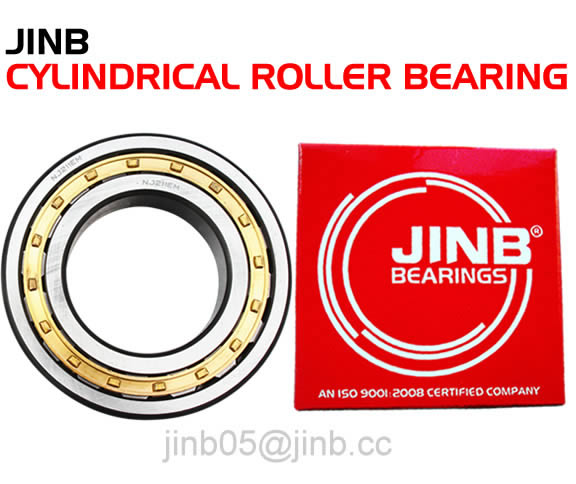
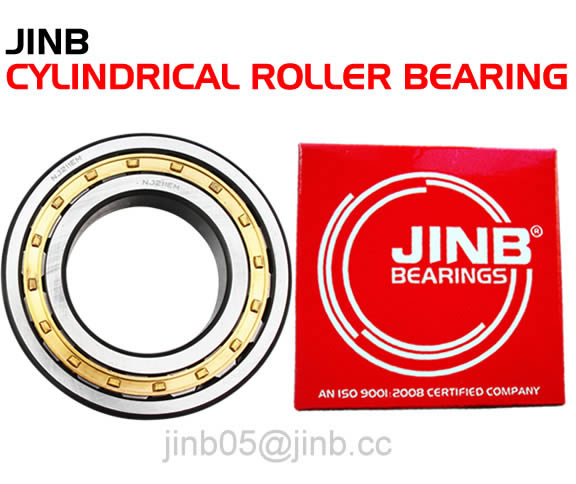
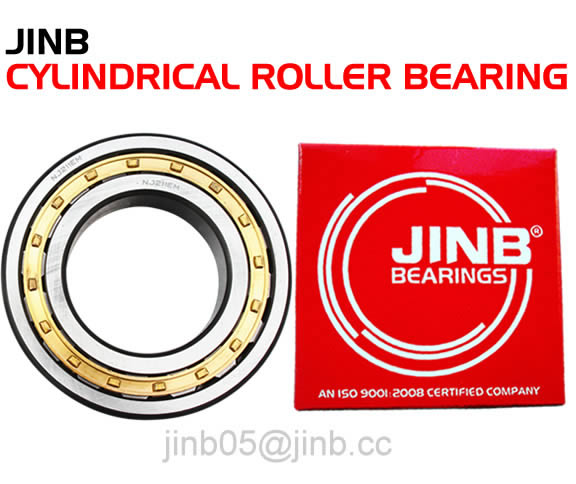
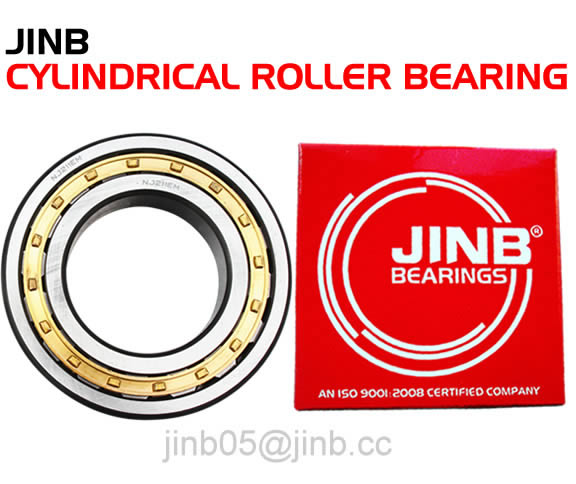
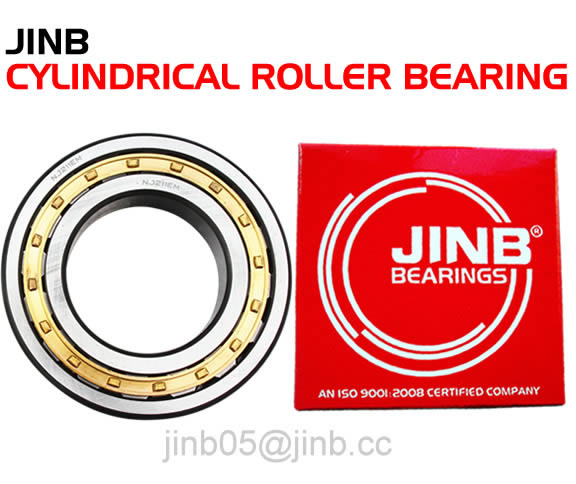
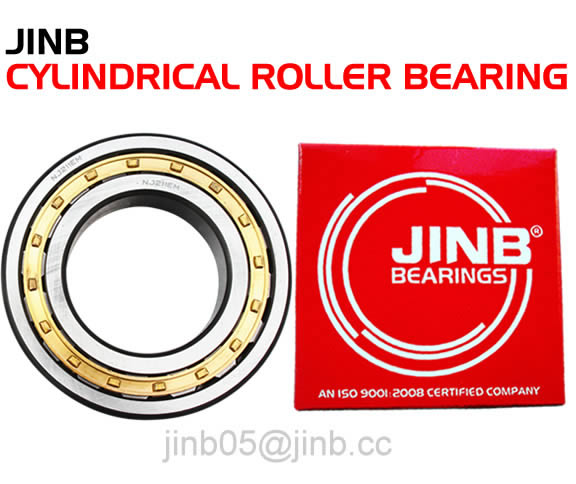
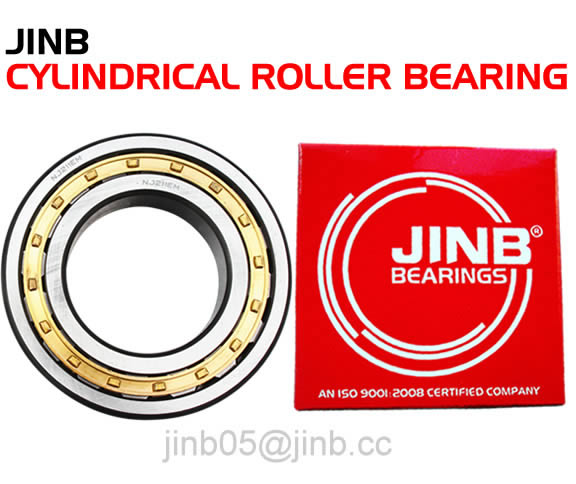
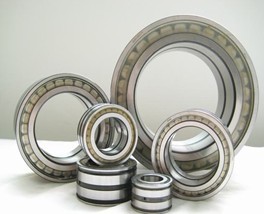
Cylindrical Roller Bearings
Source high-performance cylindrical roller bearings directly from vetted manufacturers and wholesale suppliers. Built for heavy radial loads and high-speed applications, this category serves importers, industrial distributors, and brands requiring reliable OEM production in bulk.
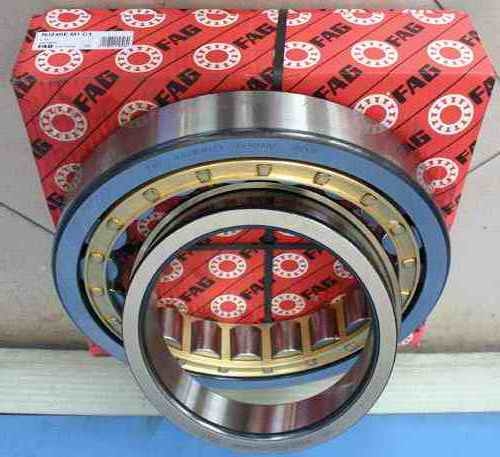
Cylindrical roller bearings are the backbone of high-speed, heavy-radial-load power transmission systems, commonly deployed in electric motors, gearboxes, and machine tool spindles. When sourcing these components in volume, the primary challenge is cutting through a highly fragmented manufacturing base. Visually identical bearings can have vastly different operational lifespans depending on the factory's heat treatment controls, grinding precision, and raw material sourcing.
Securing a reliable supply chain requires looking past the spec sheet and verifying the manufacturer's actual floor-level capabilities.
Critical Specifications for Bulk Procurement
To avoid costly misunderstandings with overseas factories, your RFQ must be exhaustively detailed. Chinese manufacturers typically default to standard configurations unless specifically instructed otherwise.
Key Specifications for Your RFQ
- Steel Grade: Specify the exact bearing steel standard (e.g., GCr15 in China, equivalent to SAE 52100 or 100Cr6).
- Precision Class: Define the required ISO tolerance class (P0/Normal, P6, P5, P4).
- Internal Clearance: Specify radial internal clearance (C2, CN/Standard, C3, C4) based on operating temperatures and interference fits.
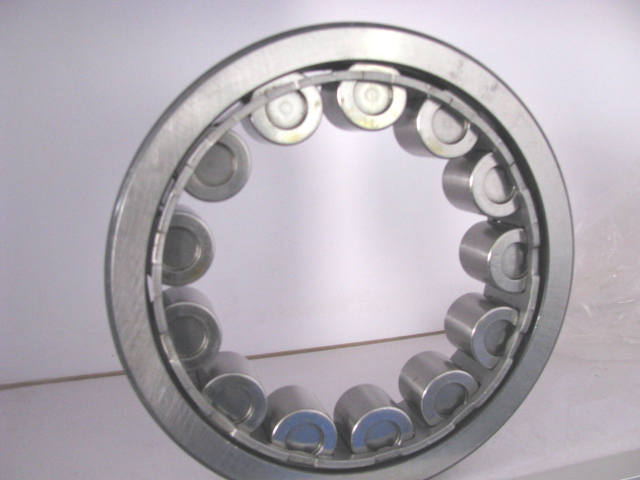
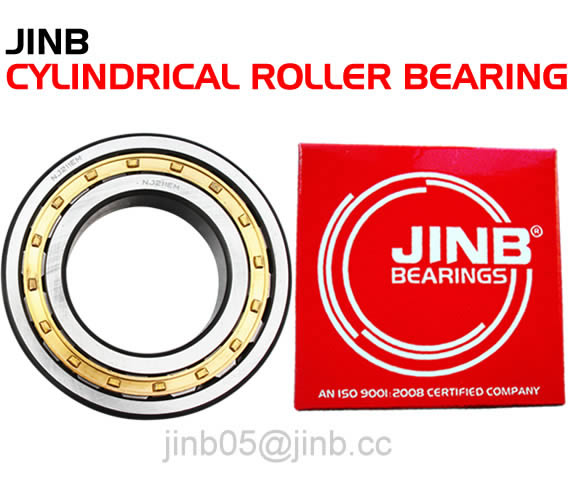
- Cage Material: Define the retainer type (stamped steel, machined brass, or polyamide) as this dictates speed and temperature limits.
- Ring Configuration: Clarify the design type (NU, N, NJ, NUP) to indicate whether the bearing needs to accommodate axial displacement.
Need help standardizing your bearing RFQs for Asian manufacturers? We can streamline your technical specifications and match them to capable factories.
Talk to our teamCage Material Selection
The cage (or retainer) design is a major cost and performance driver. Factories will often quote stamped steel to win on price, but this may not suit your end-user's application.
| Cage Type | Performance Profile | Typical Applications |
|---|---|---|
| Stamped Steel (J) | Lightweight, cost-effective, standard operating temperatures. | General industrial machinery, standard electric motors. |
| Machined Brass (M) | Excellent vibration resistance, handles higher speeds and temperatures. | Heavy vibratory equipment, large gearboxes, traction motors. |
| Polyamide/Nylon (P) | Low friction, quiet operation, sensitive to temperatures over 120°C. | High-speed spindles, quiet-running motors. |
Manufacturing Quality and Factory Validation
The difference between a premium bearing and a rapid-failure unit is determined during heat treatment and raceway grinding. Many smaller assembly facilities purchase pre-ground rings from third parties, severely limiting their control over the final product's metallurgical integrity.
When evaluating a new supplier, it is essential to conduct thorough Factory Audits to verify that they possess in-house heat treatment furnaces and CNC grinding equipment.
The Heat Treatment Risk
If a factory's quenching and tempering process is inconsistent, the bearing steel will suffer from retained austenite, leading to dimensional instability and premature spalling under load. Always verify the factory's metallurgical testing capabilities.
Implementing Quality Control
To ensure batch-to-batch consistency, robust Quality Control & Inspection protocols must be enforced before shipment. Key inspection points for cylindrical roller bearings include:
- Dimensional Tolerances: Verifying bore, outside diameter, and width using precision micrometers.
- Surface Roughness: Checking the raceway and roller finish, as rough surfaces drastically reduce fatigue life.
- Vibration and Noise Testing: Utilizing specialized equipment (like BVT testers) to ensure the bearing meets the required decibel and vibration limits (e.g., Z1/V1 to Z3/V3 standards).
- Hardness Testing: Confirming the steel rings and rollers meet the standard 60-64 HRC requirement.
Pricing, MOQs, and Lead Times
Wholesale pricing for cylindrical roller bearings fluctuates based on raw steel costs, the precision class required, and the cage material. Partnering with a specialized Product Sourcing team can help you benchmark these costs accurately against current market rates.
If you are developing proprietary bearing designs or require custom branding on the bearing shields and packaging, OEM/ODM Services can facilitate laser engraving and custom box printing, though this typically pushes MOQs to the higher end of the spectrum.
Struggling with inconsistent bearing quality or creeping costs? Let us audit your current supply chain and identify areas for immediate improvement.
Get a free consultationFrequently Asked Questions
Sourcing industrial-grade cylindrical roller bearings at scale is an exercise in risk management. Success depends less on finding the lowest quoted price and more on rigorously vetting the factory's metallurgical competence and grinding precision. By standardizing your RFQs and enforcing strict pre-shipment inspections, you can secure reliable, high-performance components that protect your brand's reputation in the market.
Get Sourcing Help for Cylindrical Roller Bearings
Tell us your requirements and our experts will connect you with verified manufacturers.