Cylindrical Lithium-Ion Batteries
Source bulk cylindrical lithium-ion batteries from vetted suppliers and manufacturers. Designed for importers, wholesalers, distributors, and brands requiring reliable OEM and private-label production. Secure high-performance cells built to stringent global safety and capacity standards for your demanding energy applications.
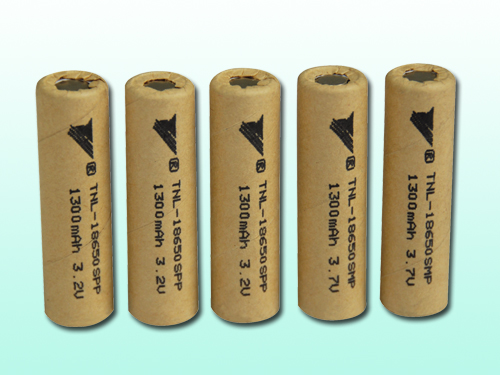
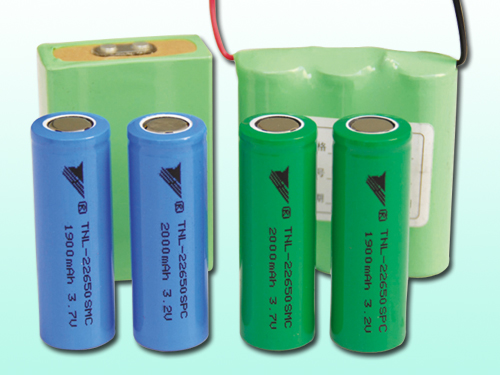
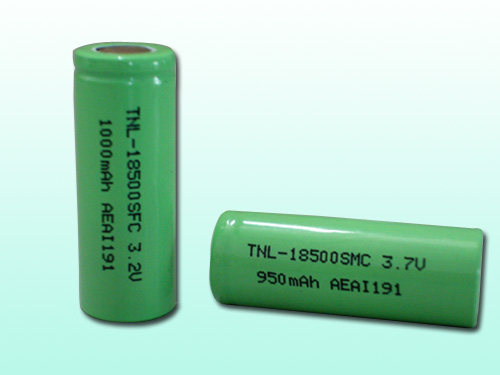
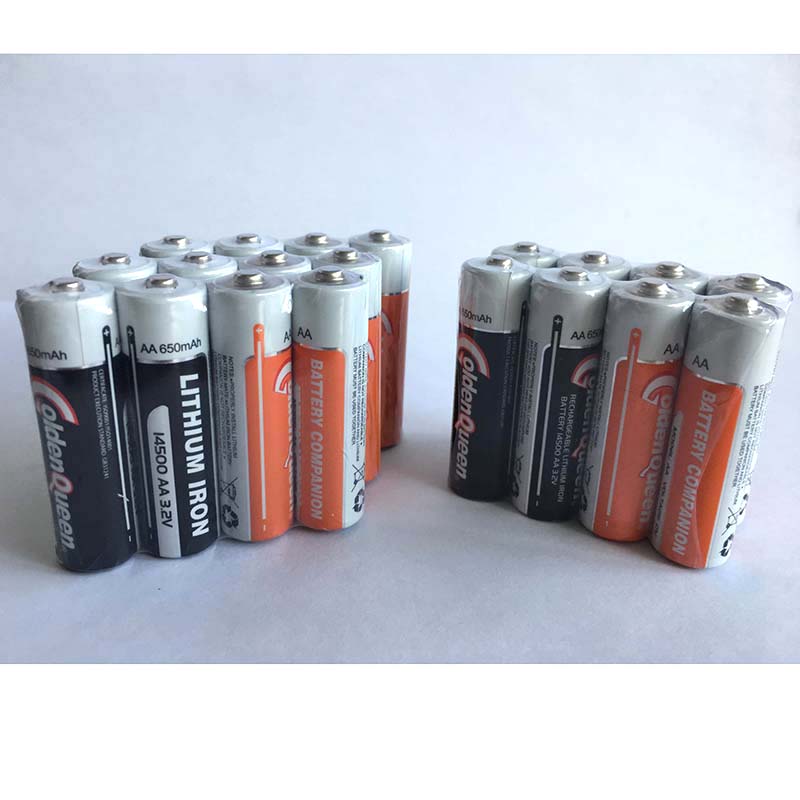
Cylindrical lithium-ion cells are the foundational building blocks for everything from power tools and medical devices to light electric vehicles and energy storage systems. Sourcing these components in volume requires navigating a complex landscape of cell chemistries (such as NMC, LFP, and NCA), verifying actual versus stated capacities, and enforcing stringent safety tolerances. When buying in bulk, the margin for error is non-existent; inconsistent internal resistance or capacity across a batch can lead to pack failure or thermal events.
Defining Your Cell Specifications
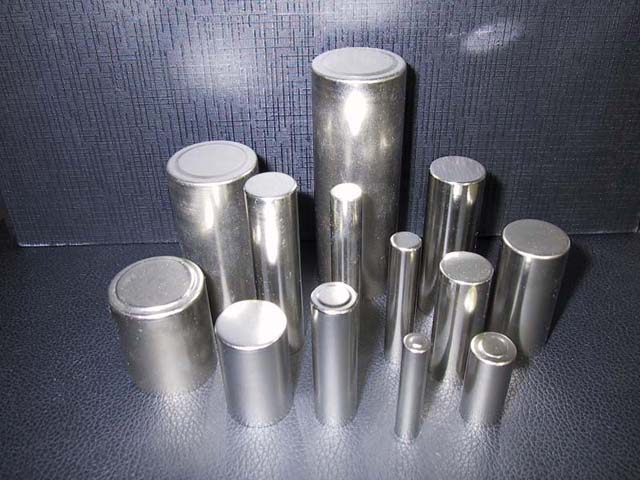
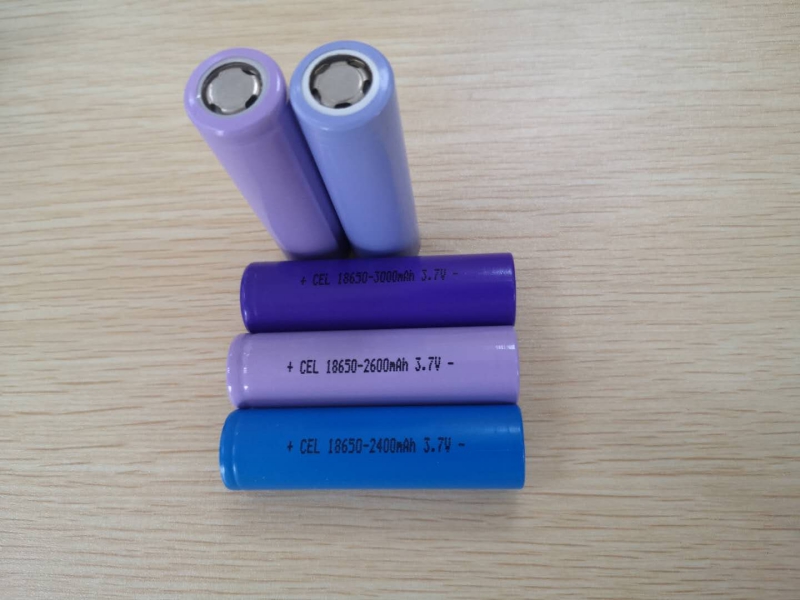
Before engaging a factory, you must clearly define the technical parameters of the cell. Standardized formats like 18650 and 21700 dictate the physical dimensions, but the internal chemistry and performance characteristics vary wildly depending on the manufacturer and the intended application.
| Format | Typical Capacity Range | Continuous Discharge | Primary Applications |
|---|---|---|---|
| 18650 | 1500 - 3500 mAh | Up to 30A | Consumer electronics, power tools, medical devices |
| 21700 | 3000 - 5000 mAh | Up to 45A | E-bikes, scooters, high-drain industrial equipment |
| 26650 / 32700 | 3000 - 6000+ mAh | Up to 50A+ | Energy storage, marine, heavy-duty applications |
Beyond capacity and dimensions, buyers must specify the required C-rate (discharge rate), nominal voltage, charge/discharge cut-off voltages, and expected cycle life. A cell designed for energy density (high capacity, low discharge) requires different electrode thicknesses and separator materials compared to a cell designed for power density (lower capacity, high discharge).
Need help matching cell specifications to your application requirements? Our engineering team can guide your sourcing process.
Talk to our teamManufacturing Quality and Defect Control
The reliability of a cylindrical lithium-ion battery is determined entirely on the factory floor. Variations in electrode coating thickness, winding tension, or electrolyte injection volumes lead directly to performance inconsistencies.
Because battery packs require cells to be perfectly matched in capacity and internal resistance, grading is a critical final step. Reputable manufacturers use automated aging and testing racks to classify cells into grades. Grade A cells meet all specifications with tight tolerances, while Grade B cells (often sold at a discount) exhibit higher internal resistance or lower capacity.
Critical Manufacturing Checkpoints
- Cleanroom environments for winding and electrolyte injection to prevent particulate contamination.
- Automated X-ray inspection of the internal jelly-roll alignment.
- Rigorous high-temperature aging processes to stabilize the SEI layer.
- Strict sorting and grading systems for capacity and internal resistance matching.
To ensure you are receiving genuine Grade A cells and not factory rejects, rigorous Quality Control & Inspection is mandatory. Pre-shipment testing must verify capacity, voltage retention, and internal resistance across a statistically significant sample size. Furthermore, conducting thorough Factory Audits before placing an order is essential to verify that the supplier actually possesses the automated grading equipment they claim to have.
Compliance and Safety Standards
Lithium-ion batteries are classified as dangerous goods, making regulatory compliance a non-negotiable aspect of international sourcing. Cells must pass rigorous abuse testing—including crush, overcharge, short-circuit, and thermal shock tests—to be legally imported and transported.
Key certifications include:
- UN38.3: Required for international air and sea transport.
- UL 1642 / UL 2054: Standard for lithium batteries in the North American market.
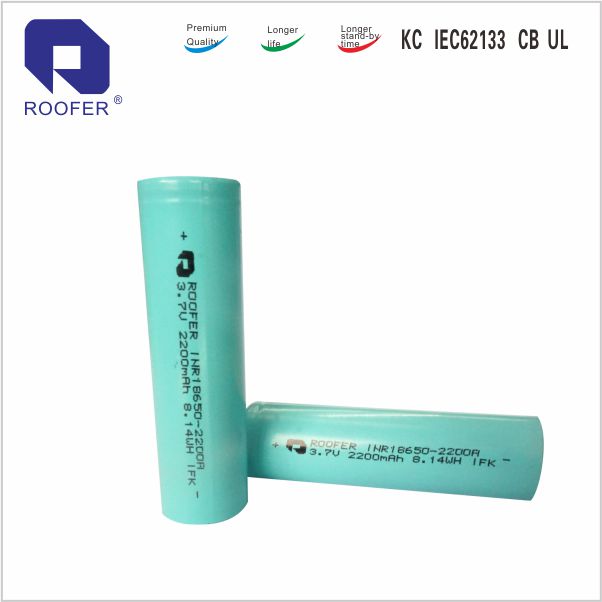
- IEC 62133: Global safety standard for portable sealed secondary cells.
Partnering with a supplier that maintains up-to-date, verifiable test reports from accredited third-party labs is critical. If your target market requires specific localized certifications, integrating Compliance & Testing into your sourcing timeline is vital to prevent customs seizures or liability issues.
Pricing, MOQ, and Lead Times
Battery pricing is highly volatile and tightly correlated with the spot market prices of raw materials like lithium carbonate, cobalt, and nickel.
Standard off-the-shelf cells from major Chinese manufacturers may have MOQs as low as 5,000 to 10,000 units. However, if you require custom PVC wrapping, specific terminal types (like button top, flat top, or pre-welded tabs), or customized chemistry profiles, MOQs typically start at 50,000 units.
When evaluating quotes, be wary of prices that sit significantly below the market average. Abnormally low prices usually indicate the use of recycled materials, Grade B or C cells, or falsified capacity ratings.
Protect your supply chain from quality fade and volatile pricing. Let us manage your battery sourcing from audit to delivery.
Get a free consultationFrequently Asked Questions
Sourcing cylindrical lithium-ion batteries requires balancing cost against the uncompromising need for safety and consistency. Success depends not just on finding a factory that can produce a good sample, but on enforcing strict quality control parameters across every single production run. Merhein provides the on-the-ground presence and technical oversight required to ensure your battery supply chain remains reliable, compliant, and cost-effective.
Get Sourcing Help for Cylindrical Lithium-Ion Batteries
Tell us your requirements and our experts will connect you with verified manufacturers.