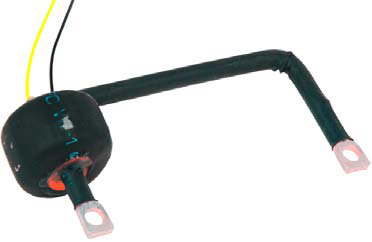
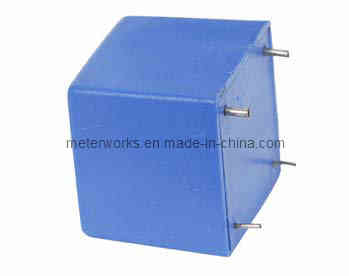
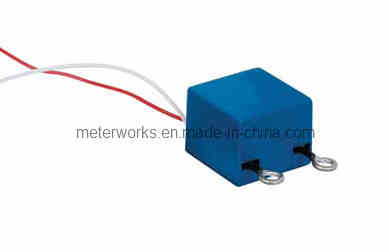
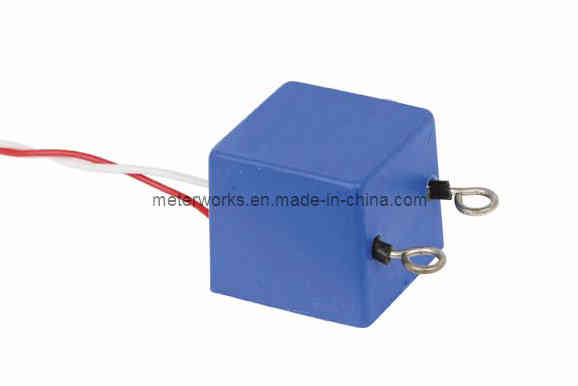
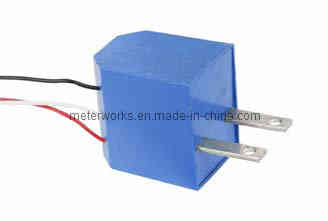
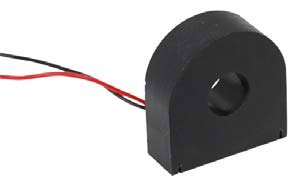
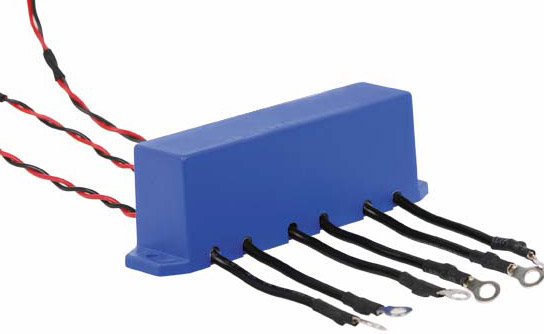
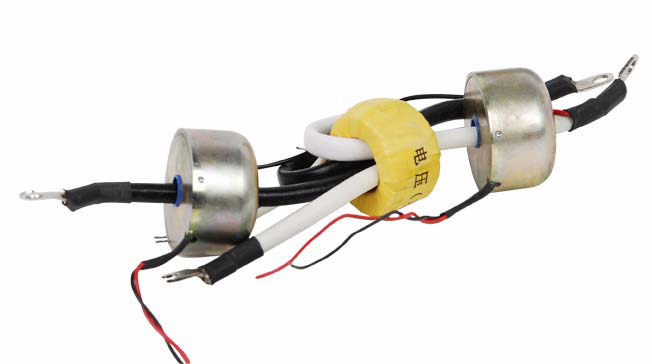
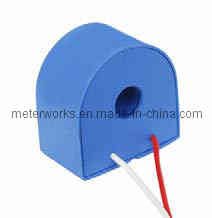
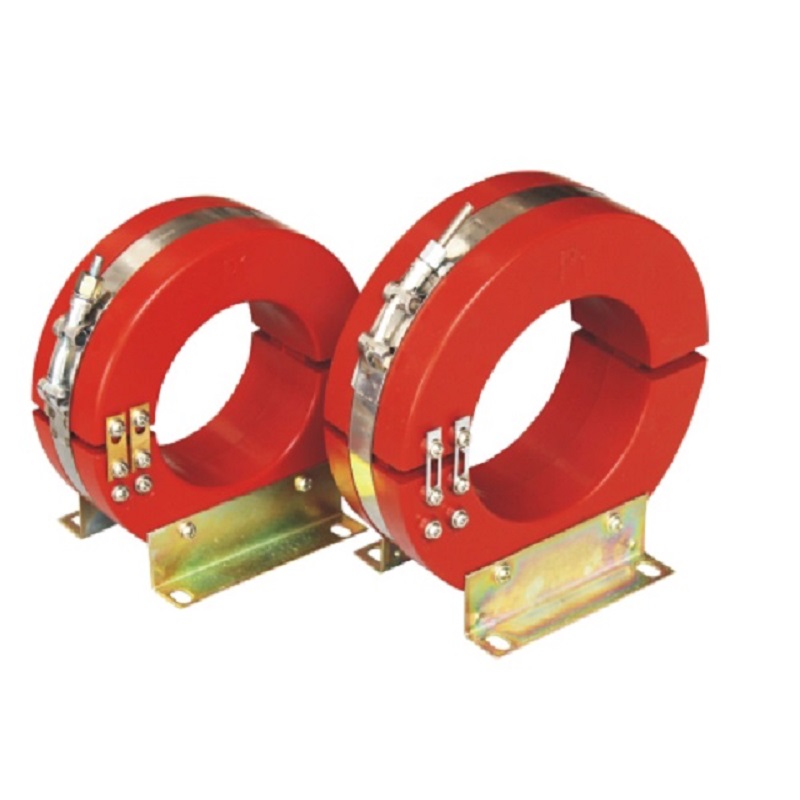
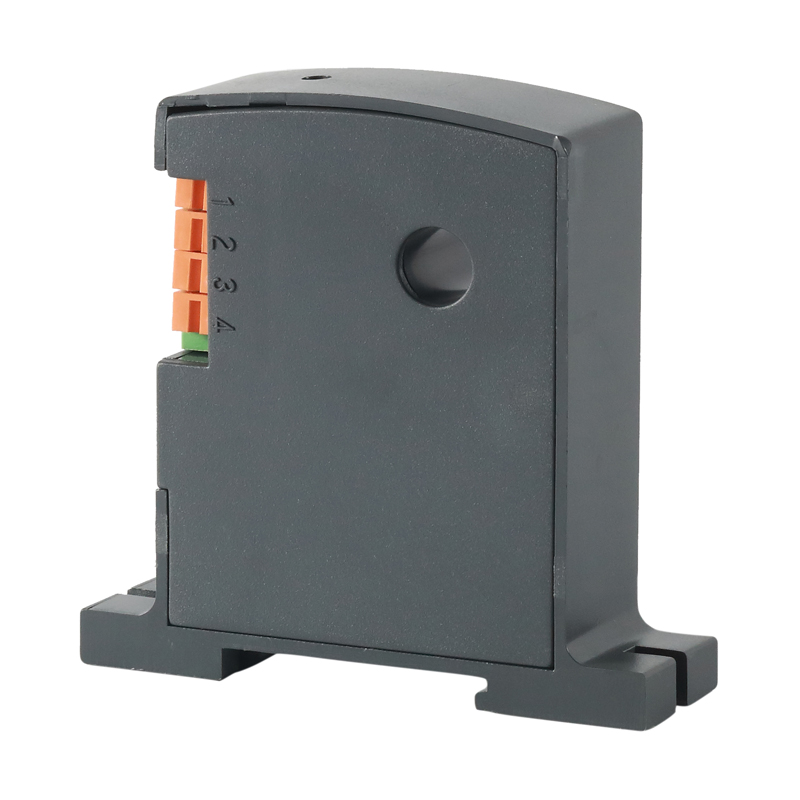
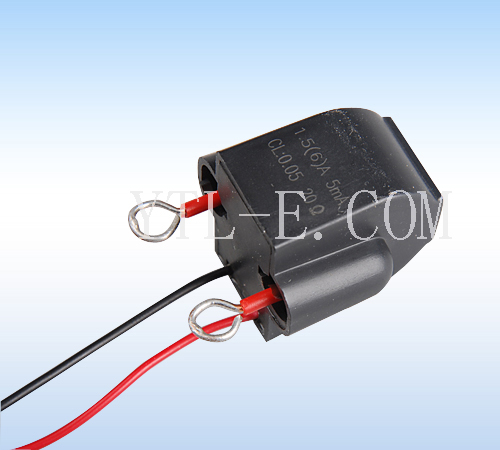
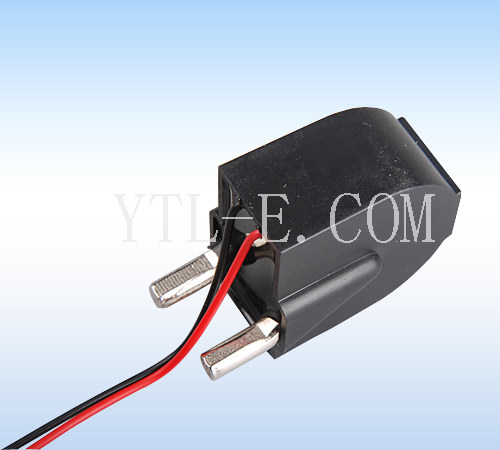
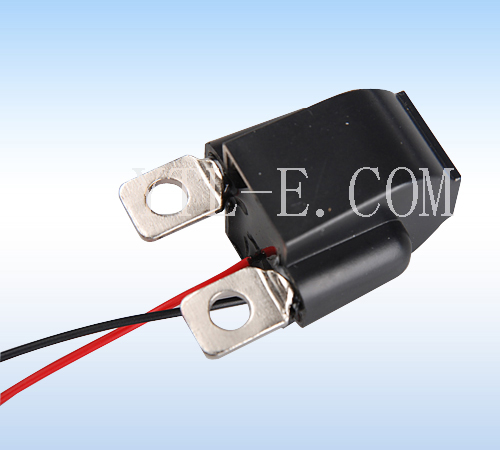
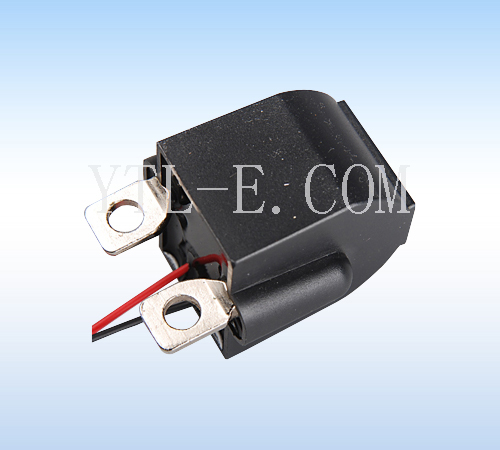
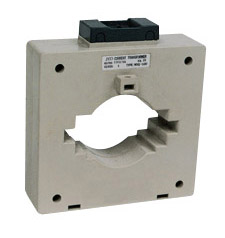
Current Sensors
Source industrial-grade Current Sensors directly from vetted suppliers and manufacturers in China and across Asia. Designed for procurement managers, electronics distributors, and brands seeking reliable OEM/ODM production, our network delivers high-volume components at competitive wholesale pricing.
Sourcing current sensors in high volumes requires balancing measurement accuracy, thermal stability, and isolation performance with unit cost. Whether you are procuring components for industrial motor drives, renewable energy inverters, or battery management systems (BMS), the margin for error is zero. A slight degradation in magnetic core quality or poor encapsulation on the factory floor can lead to catastrophic failures in the field.
Procuring these components directly from Asian manufacturers offers significant cost advantages, provided you know exactly how to specify your requirements and verify the supplier's production capabilities.
Critical Specifications for Bulk Procurement
When negotiating with current sensor manufacturers, vague specifications lead to inconsistent batches. You must define the exact electrical and mechanical parameters required for your application.
- Primary Nominal Current (Ipn) & Measuring Range: Specify both the continuous current rating and the peak measurable current.
- Accuracy & Linearity: Define acceptable error margins at room temperature and across your entire operating temperature range (e.g., ±1 percent at 25°C).
- Bandwidth & Response Time: High-frequency applications like switching power supplies require wide bandwidths (up to 100 kHz or more) and response times under 1 microsecond.
- Isolation Voltage: Specify the required galvanic isolation between the primary (high power) and secondary (measurement) circuits, typically expressed in kV RMS for a 1-minute test.
| Sensor Technology | Key Advantage | Typical Application | Cost Profile |
|---|---|---|---|
| Shunt Resistors | High accuracy for DC, simple | Battery management, low-current DC | Lowest |
| Open-Loop Hall Effect | Compact, low power consumption | General purpose drives, UPS | Low to Medium |
| Closed-Loop Hall Effect | High linearity, low thermal drift | Precision servo drives, wind inverters | Medium to High |
| Current Transformers (CT) | Passive operation, robust for AC | Grid monitoring, smart meters | Medium |
Manufacturing Quality and Factory Vetting
The reliability of a current sensor is heavily dependent on the manufacturer's assembly environment and material sourcing. Magnetic cores (such as silicon steel, permalloy, or ferrite) must be sourced from reputable mills, as impurities directly cause magnetic hysteresis and measurement errors.
Furthermore, the potting or encapsulation process is critical. Voids in the epoxy potting compound can compromise the isolation voltage, leading to high-voltage arcing. When evaluating a new supplier, robust factory audits are essential to verify their automated winding capabilities, vacuum potting equipment, and calibration standards.
Pre-Shipment Quality Control Focus Areas
- Verify magnetic core material certificates to prevent hysteresis degradation.
- Inspect epoxy potting under magnification for micro-voids or incomplete curing.
- Test dielectric strength (Hi-Pot testing) to confirm isolation voltage ratings.
- Conduct thermal cycling tests to measure zero-offset drift at extreme temperatures.
- Verify automated calibration data for each production batch.
Struggling with inconsistent sensor accuracy or thermal drift in your current supply chain? Let our engineering team help you vet and transition to a more capable manufacturing partner.
Discuss your technical requirementsSourcing Mechanics: Pricing, MOQs, and Lead Times
The current sensor market in China is concentrated in regions like Guangdong and Jiangsu, offering a wide spectrum of suppliers from basic assemblers to advanced automated facilities.
Pricing is highly volatile and scales directly with the cost of raw materials (copper for windings, specialized magnetic alloys) and the complexity of the internal ASIC used for signal conditioning. If you require specialized housing, custom terminal configurations, or proprietary signal outputs, leveraging OEM/ODM services allows you to develop a sensor tailored to your exact mechanical footprint.
To ensure you receive exactly what you paid for, implement strict quality control protocols, including in-line inspections during the winding and potting phases, rather than relying solely on end-of-line testing.
Ready to optimize your component costs without sacrificing measurement accuracy? Speak with our sourcing specialists to benchmark your current pricing and explore reliable factory alternatives.
Get a sourcing assessmentFrequently Asked Questions
Securing a reliable supply chain for current sensors means looking past the unit price and scrutinizing the factory's material sourcing, winding precision, and calibration infrastructure. By partnering with manufacturers who maintain rigorous internal quality systems, you protect your end-product from costly field failures and maintain your brand's reputation for reliability.
Get Sourcing Help for Current Sensors
Tell us your requirements and our experts will connect you with verified manufacturers.