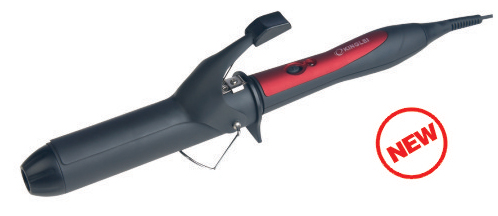
Curling Irons
Source commercial-grade curling irons from vetted manufacturers and suppliers in Asia. This catalog is designed for importers, wholesale distributors, and professional beauty brands seeking reliable bulk purchasing, custom OEM, or private-label production.
Sourcing curling irons at scale requires balancing rapid heat recovery, durable barrel coatings, and strict electrical safety standards. A visually appealing casing means nothing if the internal heating element fails after a month or the swivel cord shorts out in the hands of a consumer. For bulk buyers, success depends on specifying the right internal components and ensuring the factory has the capability to assemble them consistently.
Core Technical Specifications: Heating and Barrels
The performance of a curling iron is dictated by two primary components: the heating element and the barrel material. When negotiating with a manufacturer, you must specify these clearly, as they represent the bulk of the unit's cost.
Heating Elements: PTC vs. MCH
Most consumer and professional curling irons use one of two heating technologies:
- PTC (Positive Temperature Coefficient): The industry standard for consumer models. PTC stones are self-regulating, meaning they cool down slightly to prevent overheating. They are cost-effective but take longer to reach maximum temperature.
- MCH (Metal Ceramic Heater): Used in professional-grade tools. MCH elements offer rapid heat-up times (often under 30 seconds) and superior heat recovery when applied to cold, damp hair. They consume less power but cost significantly more to manufacture.
| Specification | PTC Heating Element | MCH Heating Element |
|---|---|---|
| Heat-Up Time | 60 to 90 seconds | 20 to 30 seconds |
| Heat Recovery | Moderate | Excellent (Professional grade) |
| Cost Impact | Baseline standard | Premium (adds $1.50 to $3.00) |
| Target Market | Mass consumer / Drugstore | Salon professional / Premium retail |
Barrel Materials and Coatings
The barrel core is typically aluminum for its excellent thermal conductivity. The differentiation lies in the coating or plating:
- Ceramic Coating: Provides even heat distribution and reduces friction. Quality is determined by the number of coating layers (usually 1 to 3) and the baking process.
- Tourmaline Infusion: Often mixed with ceramic, tourmaline is a crushed gemstone that naturally emits negative ions when heated, reducing frizz.
- Titanium Plating: Solid titanium or titanium-plated barrels are extremely lightweight and hold high heat consistently. They are preferred for thick, coarse hair but can cause heat damage if not regulated properly.
Manufacturing Vulnerabilities and Quality Control
Curling irons are high-draw electrical appliances subjected to constant movement and heat cycling. Assembly lines in hubs like Dongguan or Wenzhou can produce flawless prototypes, but mass production introduces variables.
The Swivel Cord Vulnerability
The 360-degree swivel cord is the most common point of failure. Poor internal soldering or substandard copper wiring will lead to intermittent power loss or short circuits after a few months of daily rotation.
A rigorous quality control & inspection protocol is non-negotiable. Pre-shipment inspections should always include functional and stress testing, not just visual checks.
Critical Factory QC Checkpoints
- Swivel Cord Rotation Test: Automated testing to ensure the cord withstands a minimum of 50,000 to 100,000 rotations without electrical failure.
- Temperature Calibration: Verifying that the digital display matches the actual barrel temperature using external thermal probes.
- Hi-Pot (High Potential) Testing: Ensuring electrical insulation is sufficient to prevent user shocks.
- Coating Adhesion Test: Cross-hatch testing to ensure ceramic or tourmaline coatings will not flake off during early use.
Need help establishing stringent testing protocols for your next production run? We manage the technical vetting and factory oversight so you don't have to.
Talk to our teamCompliance and OEM Customization
Electrical compliance is strict and varies heavily by region. A factory claiming "CE compliance" might only have a certificate for a specific, outdated component, not the assembled unit. You must ensure full-unit certification (UL/ETL for North America, CE/RoHS for Europe, PSE for Japan) before importing. Leveraging professional compliance & testing services helps mitigate the risk of customs seizures or retail rejection.
When pursuing OEM/ODM services, modifying an existing factory mold (private labeling) is the most cost-effective route. If you require custom tooling for a unique barrel shape, clamp design, or ergonomic handle, expect longer development times and upfront mold fees.
Sourcing Mechanics: Pricing, MOQs, and Lead Times
Pricing for curling irons is highly elastic, driven by the PCBA complexity (analog dial vs. digital LCD), heating element (PTC vs. MCH), and the quality of the barrel coating.
Looking to optimize your unit costs without sacrificing safety or performance? Let us negotiate with vetted manufacturers on your behalf.
Get a free consultationFrequently Asked Questions
Sourcing profitable, safe hair styling tools requires looking past the cosmetic finish to understand the electronics inside. By specifying the right components and enforcing rigorous testing standards, you protect your brand's reputation and bottom line.
Get Sourcing Help for Curling Irons
Tell us your requirements and our experts will connect you with verified manufacturers.