Cultivators & Tillers
Source high-quality Cultivators & Tillers from vetted Chinese manufacturers and suppliers. This category is built for importers, hardware wholesalers, and garden tool brands seeking reliable OEM/ODM production in volume. Compare factory-direct pricing, MOQs, and capabilities below.
Sourcing motorized garden equipment requires balancing unit cost with long-term mechanical reliability. For cultivators and tillers, the difference between a high-margin product and a warranty nightmare lies in engine sourcing, gearbox integrity, and tine metallurgy. When buying in bulk, your procurement strategy must focus heavily on the manufacturer's supply chain management and their internal assembly tolerances.
Core Specifications and Configurations
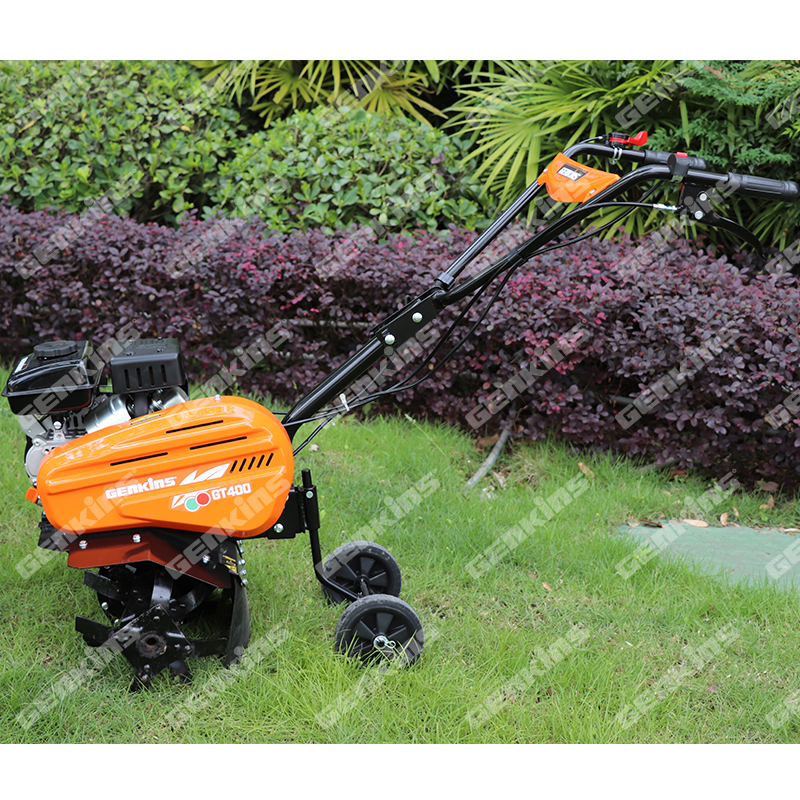
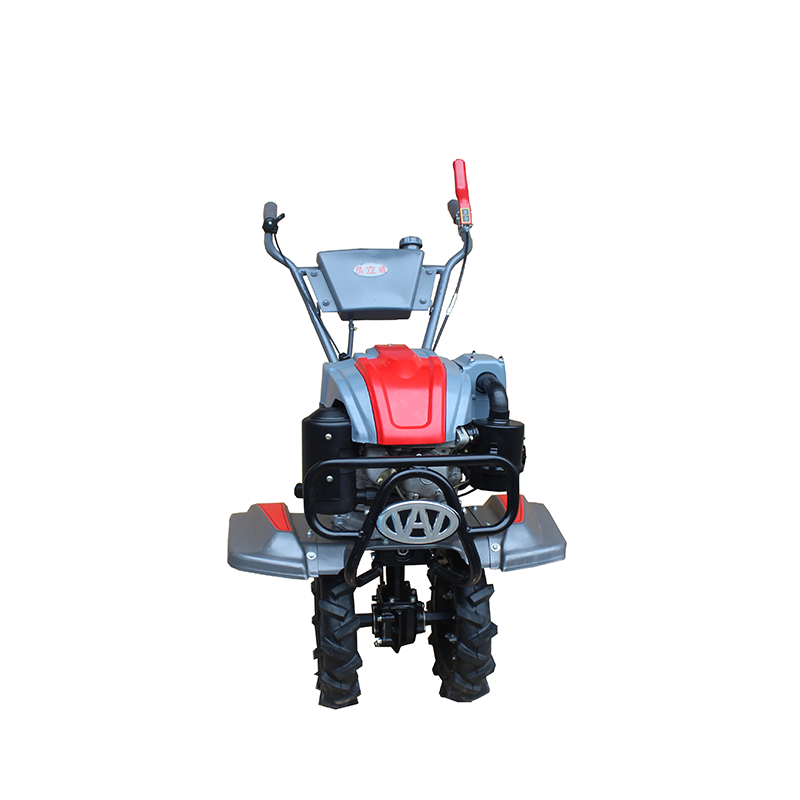
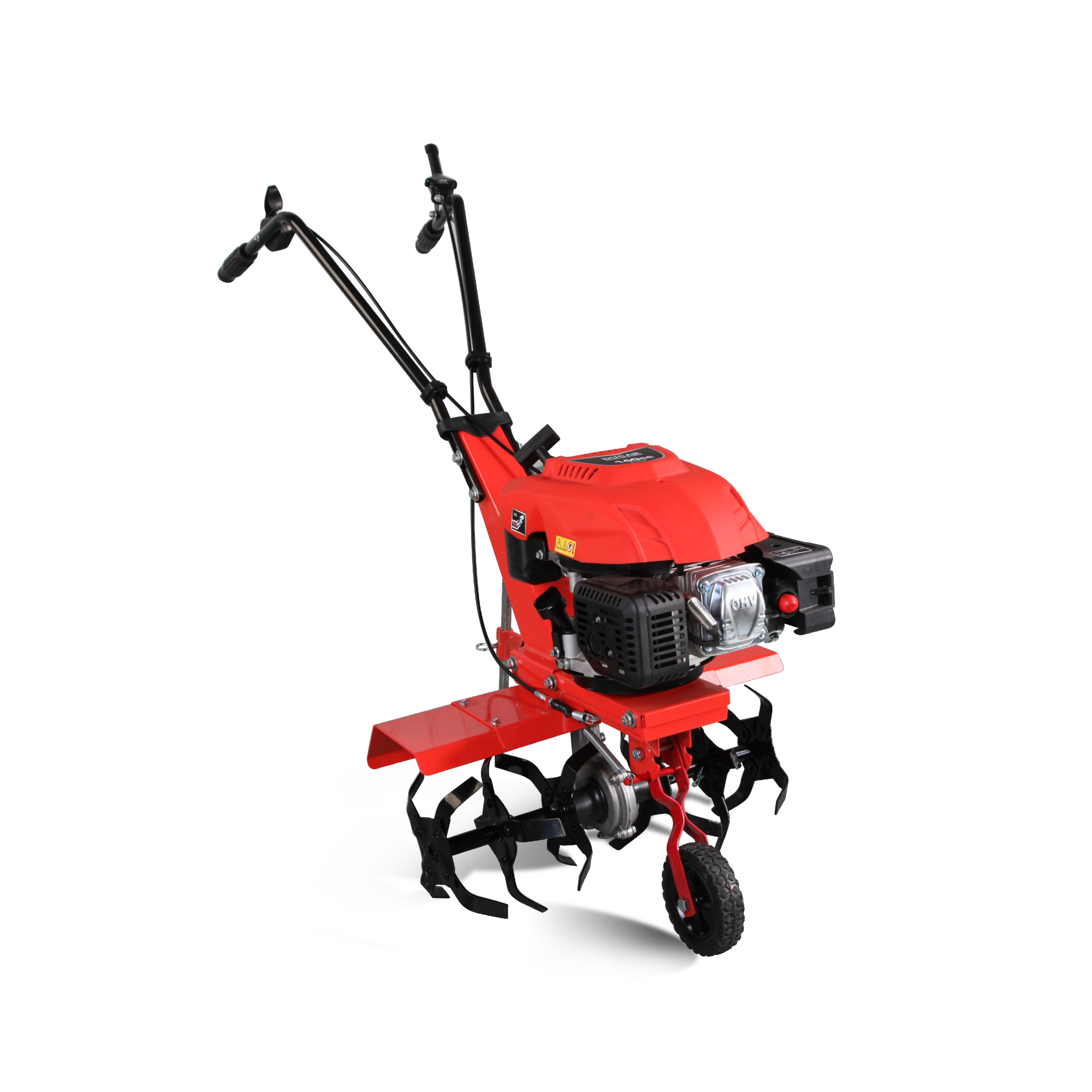
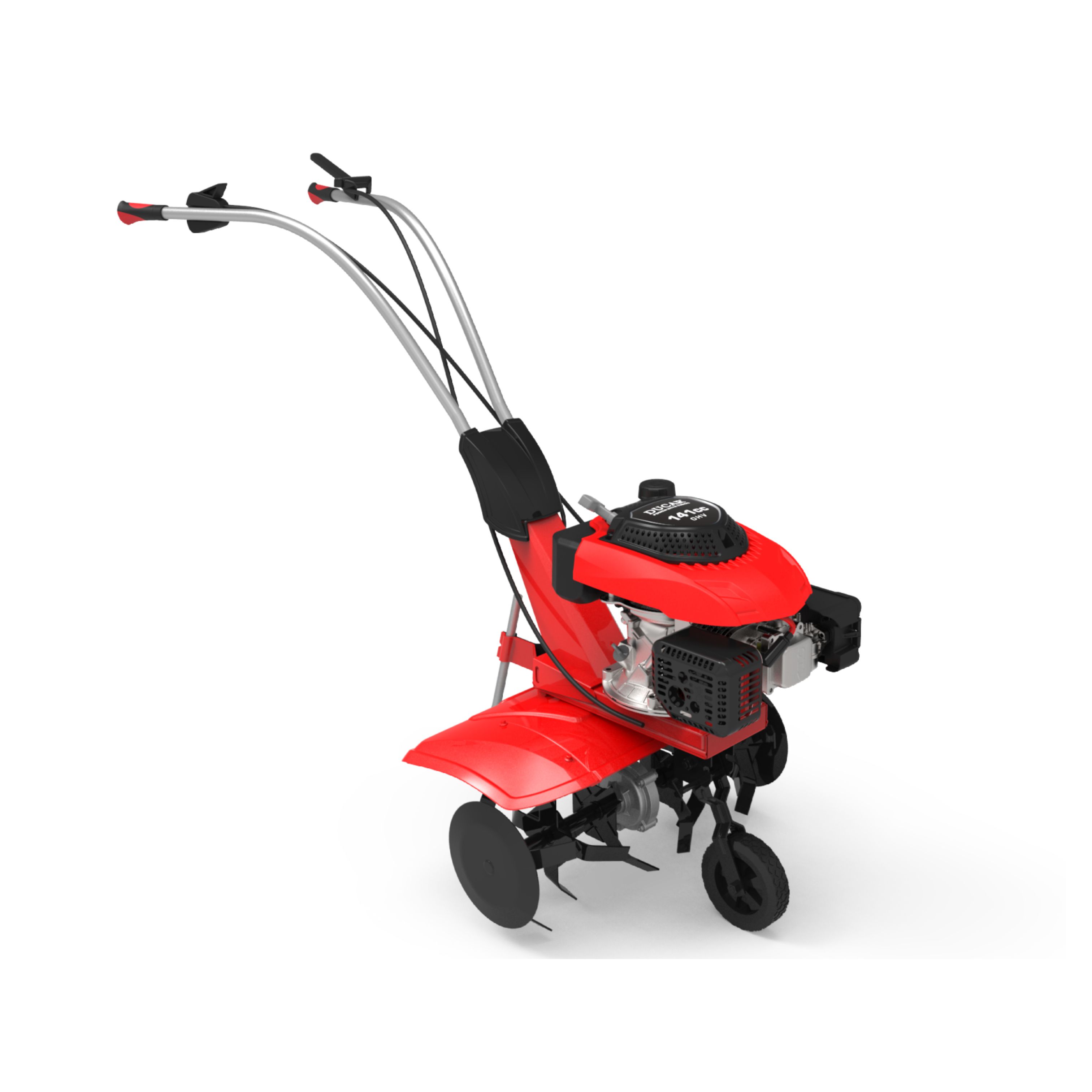
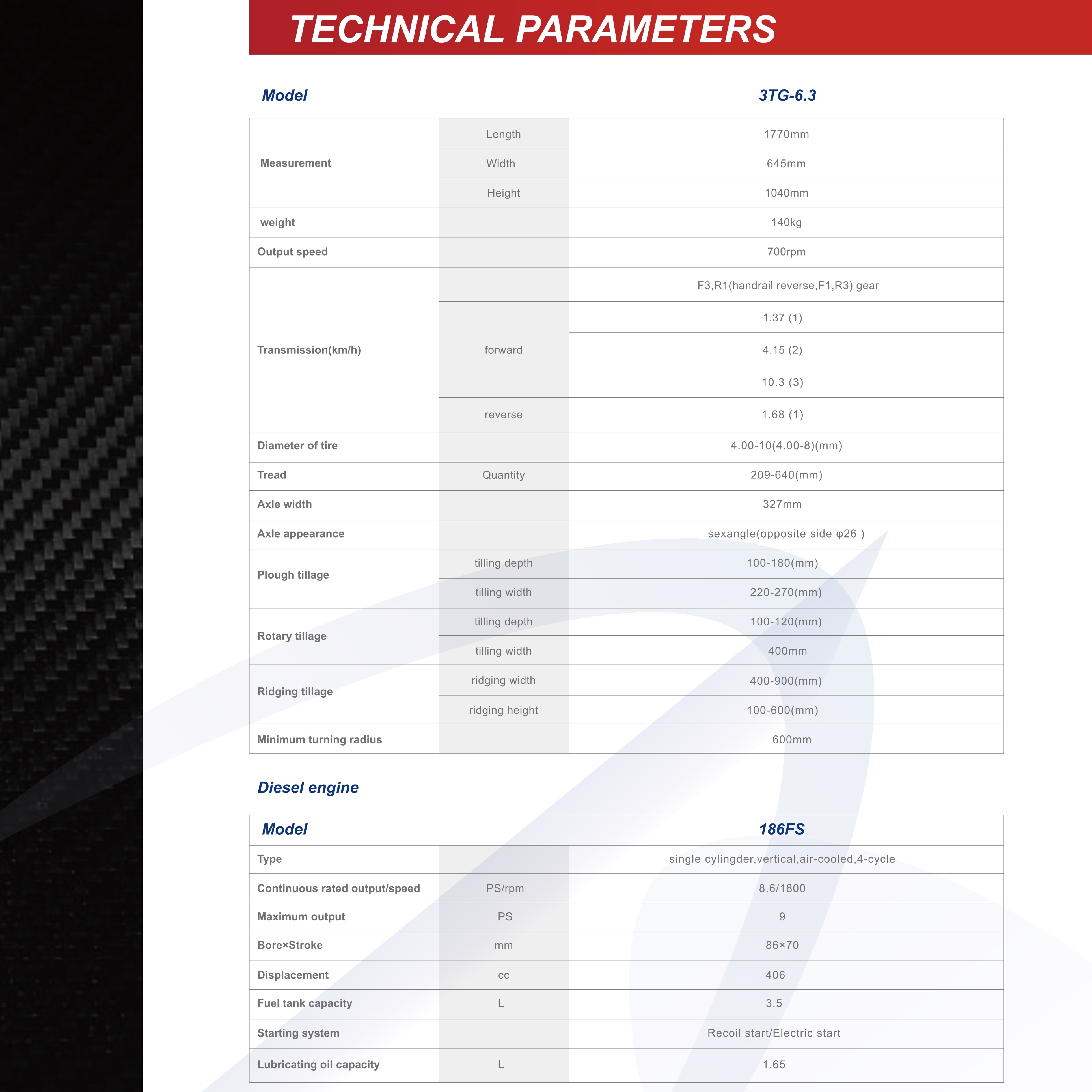
When specifying cultivators and tillers for your market, the power plant and transmission dictate both the price point and the target application. Manufacturers typically categorize their production lines by power source and tine configuration.
| Specification | Gas-Powered | Electric / Battery |
|---|---|---|
| Power Source | 4-stroke OHV (usually 40cc to 212cc) | Corded AC or Brushless DC (20V to 80V) |
| Transmission | Chain drive or gear drive (brass/steel) | Direct drive or planetary gear reduction |
| Tine Speed | 150 to 250 RPM | 180 to 300 RPM |
| Primary Application | Heavy soil breaking, large properties | Maintenance weeding, raised beds |
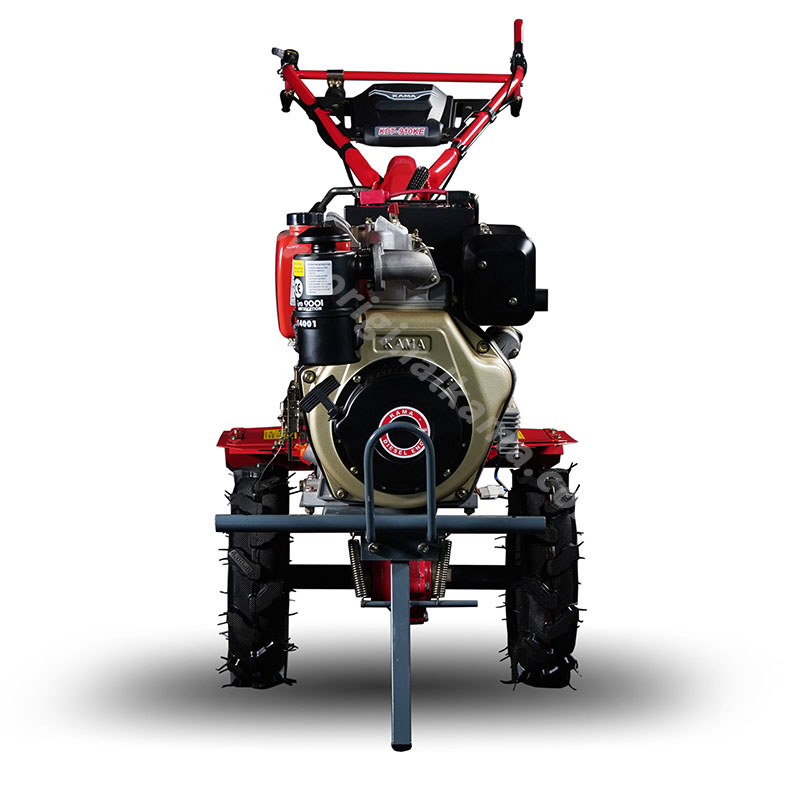
For gas-powered models, the engine is often outsourced by the tiller assembly factory. You will need to specify whether you want a premium name-brand engine (which increases cost and lead time) or a reliable domestic Chinese equivalent (such as Loncin or Zongshen).
Need help verifying engine suppliers and gearbox assembly lines before placing a volume order?
Talk to our teamManufacturing Quality and Common Pitfalls
The failure points on a tiller are predictable: gearboxes strip, tines bend, and engines stall due to poor fuel line integration. Evaluating a factory means looking past the finished sample and examining their component sourcing and quality control processes.
Gearbox and Transmission Integrity
The transmission takes the brunt of the impact when tines hit rock or hard clay. In lower-cost models, factories may use unsealed gearboxes with plastic gears. For professional or heavy-duty consumer models, specify sealed, cast-iron or aluminum gearboxes with bronze or hardened steel worm gears. Quality Control & Inspection is critical during the transmission assembly phase to ensure proper lubrication and seal seating before the unit is fully enclosed.
Tine Metallurgy
Tines must be stamped from high-carbon steel and properly heat-treated. If the factory skips the heat-treatment process to save on energy costs, the tines will wear down rapidly or deform.
Factory Evaluation Checklist for Tillers
- Verify the engine supplier's tier and warranty terms.
- Check the heat-treatment facilities or sub-contractors for tine production.
- Inspect the gearbox sealing process and gear material specifications.
- Review the factory's engine run-in testing protocols on the assembly line.
- Ensure handle vibration dampening components match your specifications.
Relying on a finished product sample is rarely enough. Conducting thorough Factory Audits ensures the manufacturer actually possesses the machining and testing equipment required to maintain consistency across a full production run.
OEM/ODM Customization and Compliance
Most importers do not buy off-the-shelf designs; they utilize OEM/ODM Services to customize the product for their market. This includes specifying ergonomic handle designs, custom tine widths, proprietary battery docks (for cordless models), and custom powder-coating colors.
Compliance is a hard barrier to entry in this category. You must ensure the factory can provide the necessary documentation for your target region:
- North America: EPA and CARB certifications for gas engines are mandatory. Electric models require UL or ETL listing for the chargers and electrical systems.
- Europe: Euro V emission standards for gas engines, plus CE and RoHS directives for electric models. Noise emission directives also apply to outdoor power equipment.
Managing these certifications can be complex, and utilizing professional Compliance & Testing services ensures your shipment will not be held up at customs due to invalid or expired engine certificates.
Typical Pricing, MOQs, and Lead Times
Because cultivators and tillers are bulky and heavily reliant on outsourced engines, MOQs are generally dictated by the engine manufacturer's minimums and container optimization.
Pricing fluctuates based on raw steel costs and the engine tier specified. Battery-powered units are highly sensitive to lithium-ion cell market prices.
Looking for accurate pricing, MOQs, and lead times for your specific tiller requirements?
Get a free consultationFrequently Asked Questions
Sourcing cultivators and tillers successfully means managing a multi-tiered supply chain—from raw steel to complex combustion engines. By strictly defining your mechanical tolerances and verifying component origins early in the process, you can secure a product line that performs reliably season after season.
Get Sourcing Help for Cultivators & Tillers
Tell us your requirements and our experts will connect you with verified manufacturers.