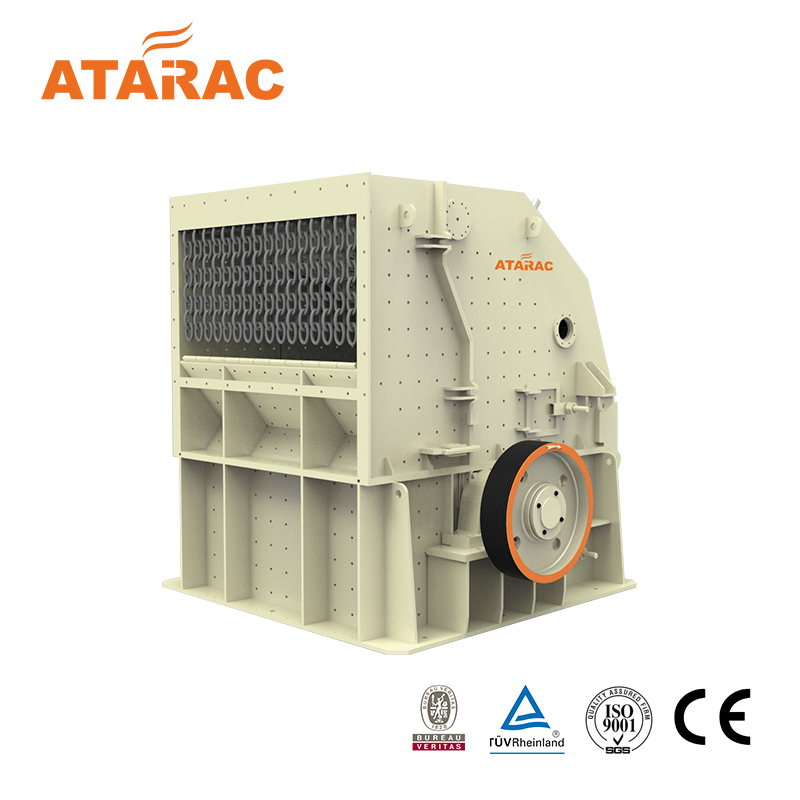
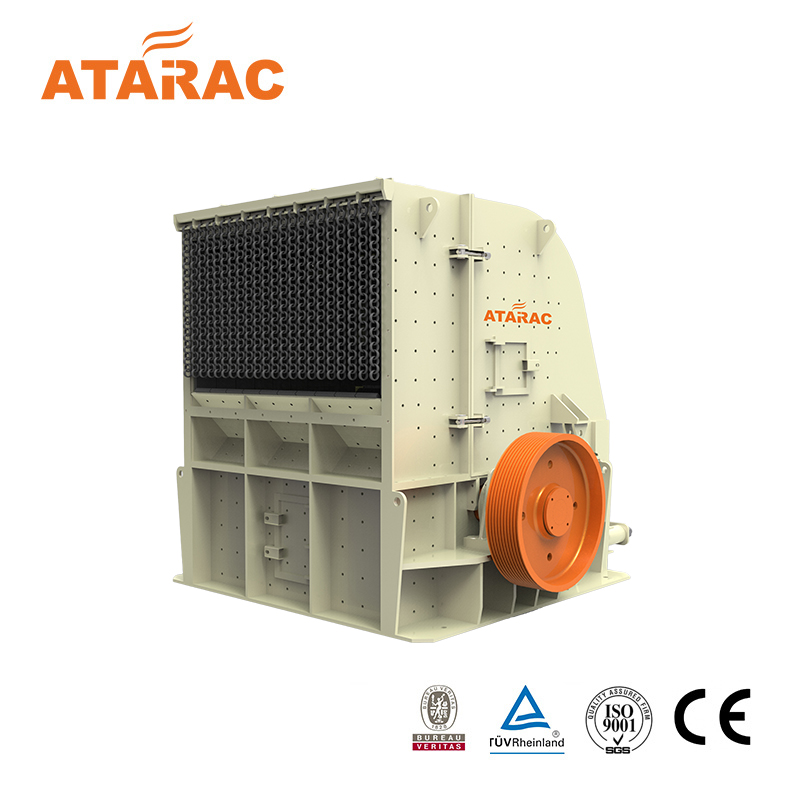
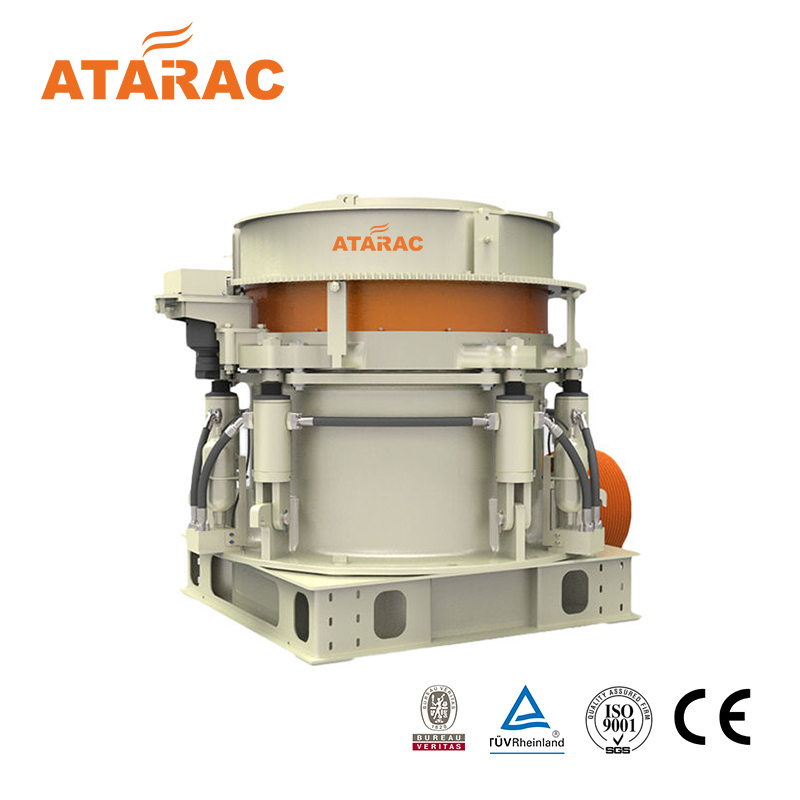
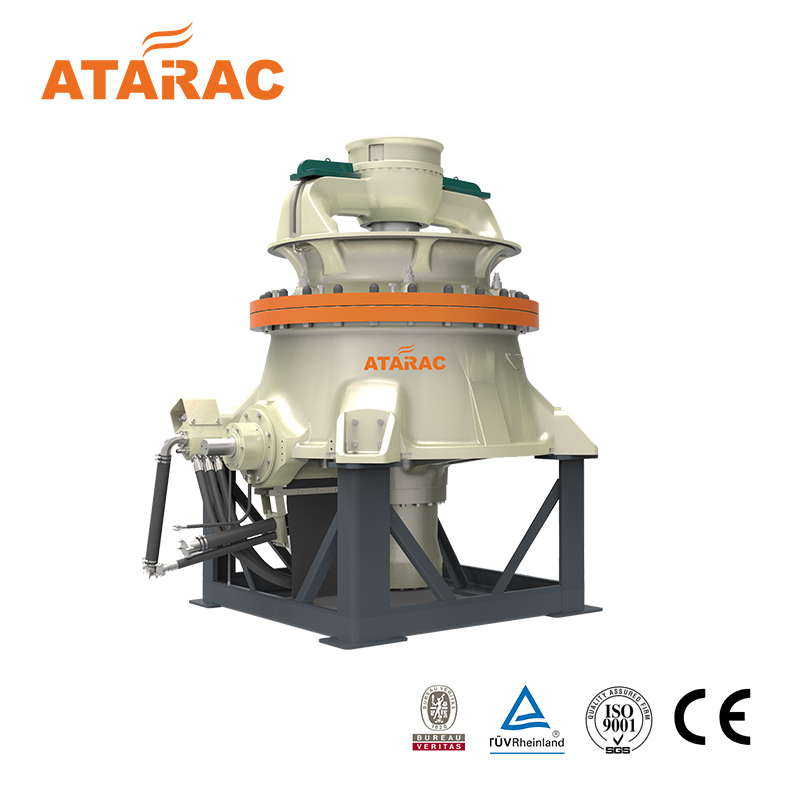
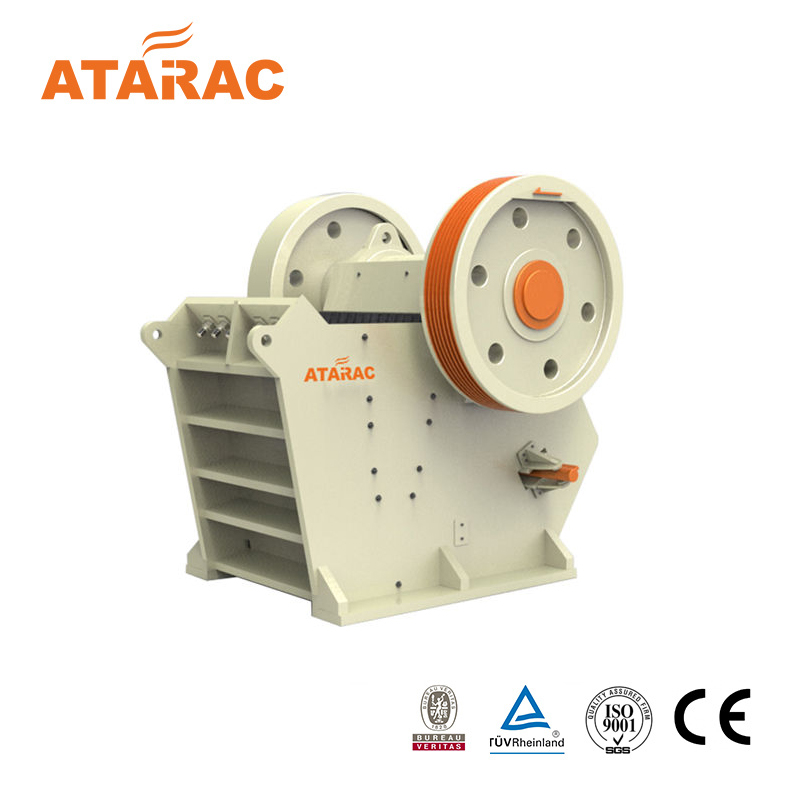
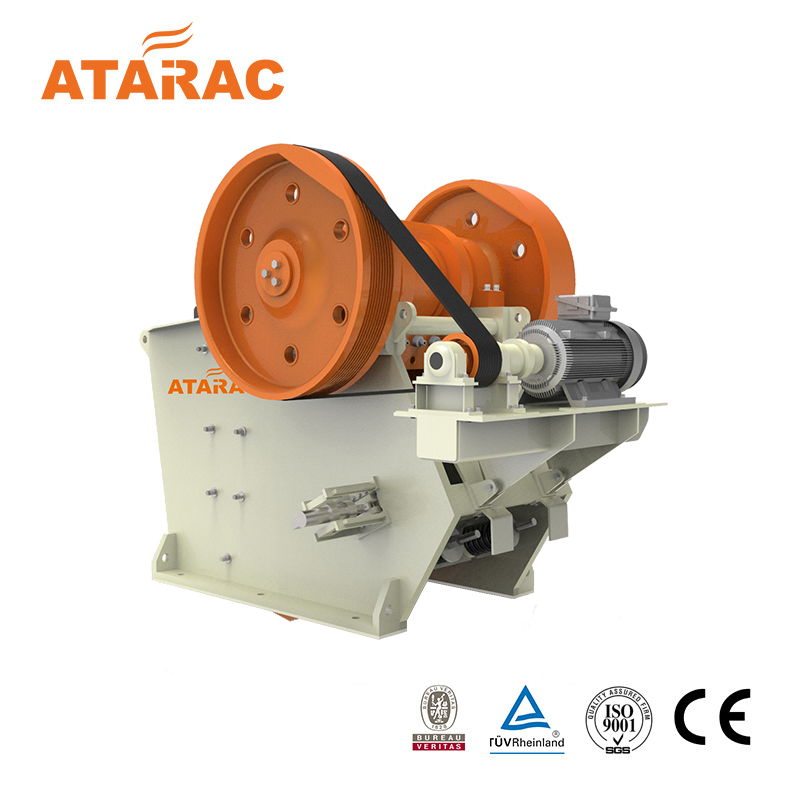
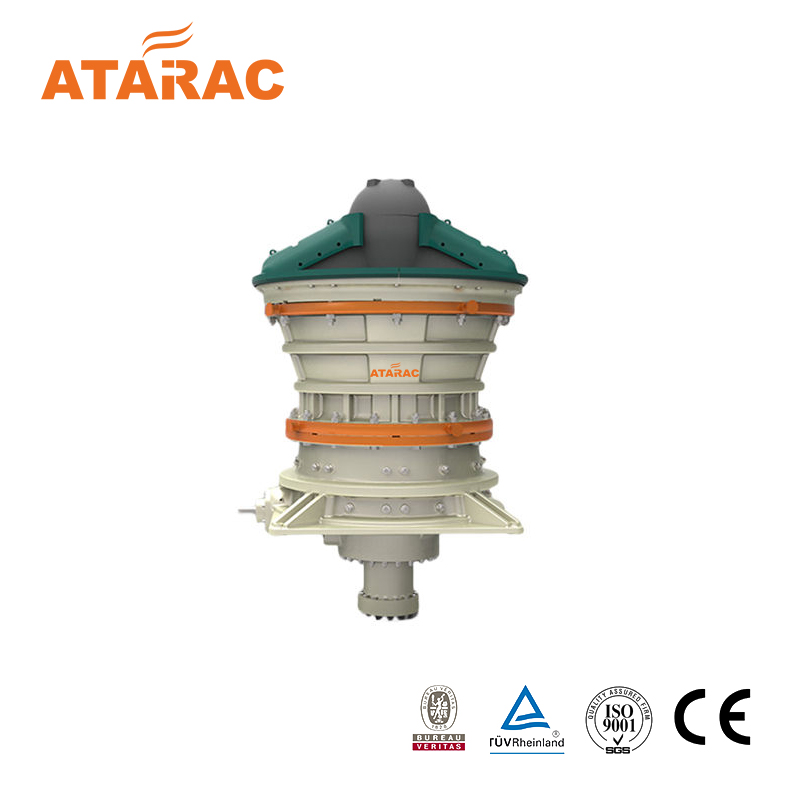
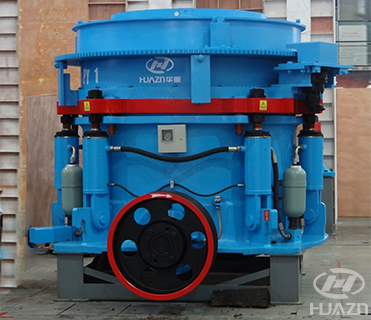
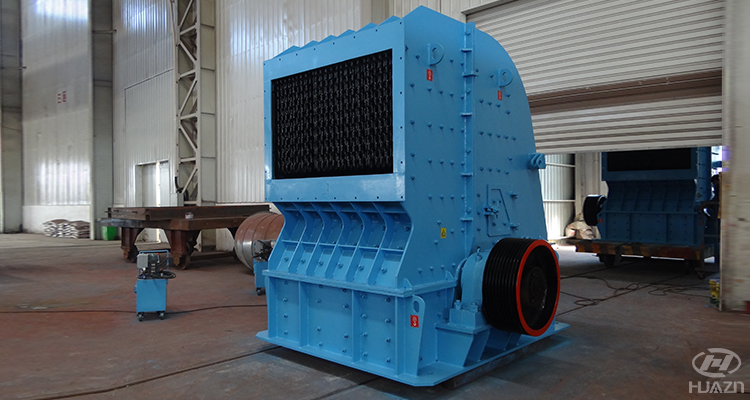
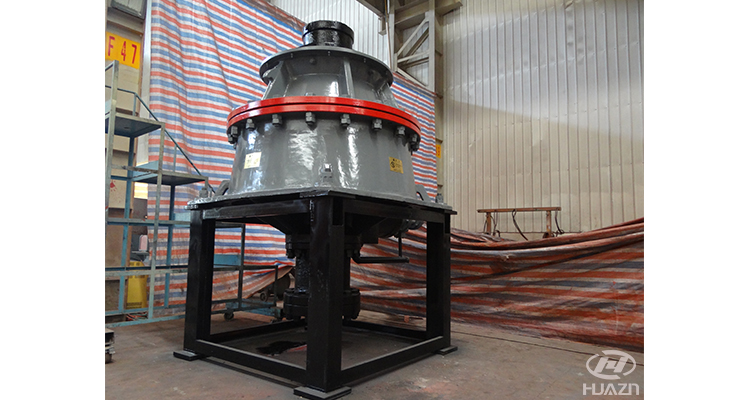
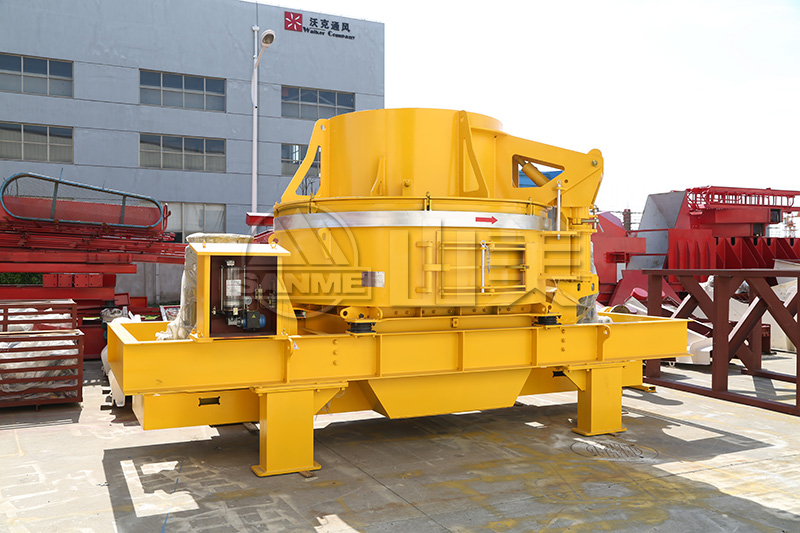
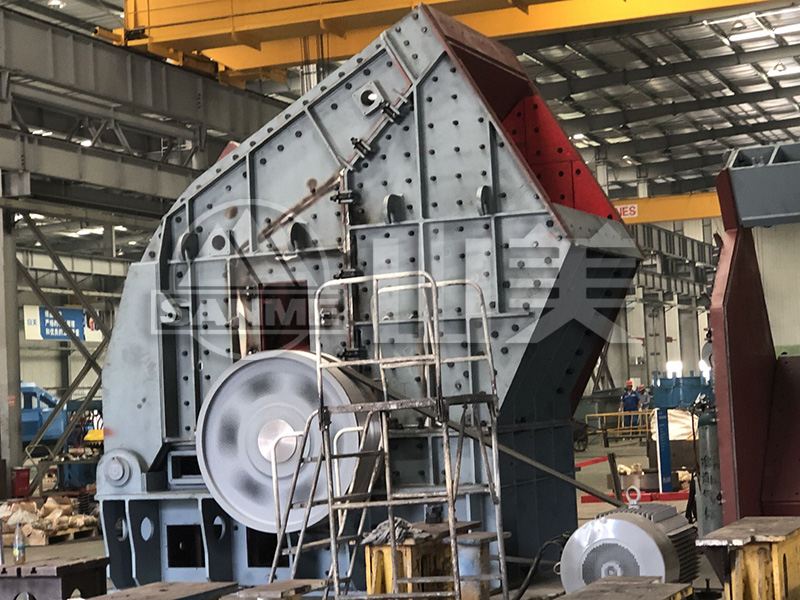
Crushers
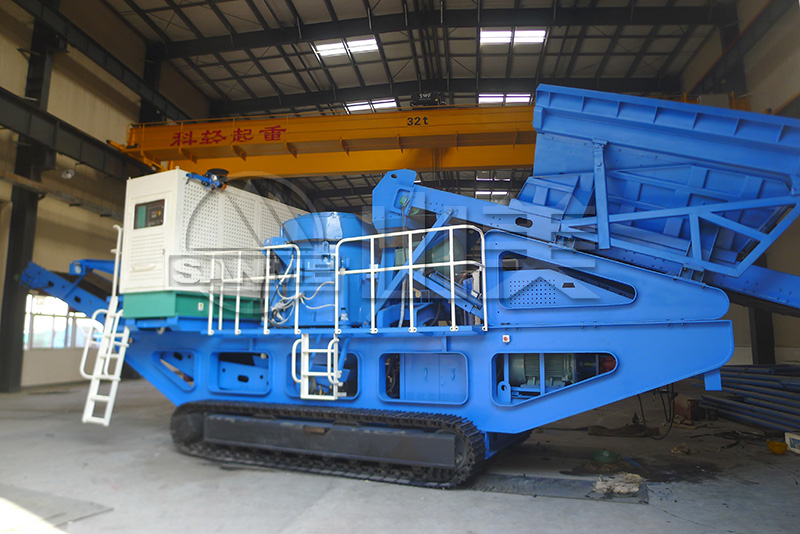
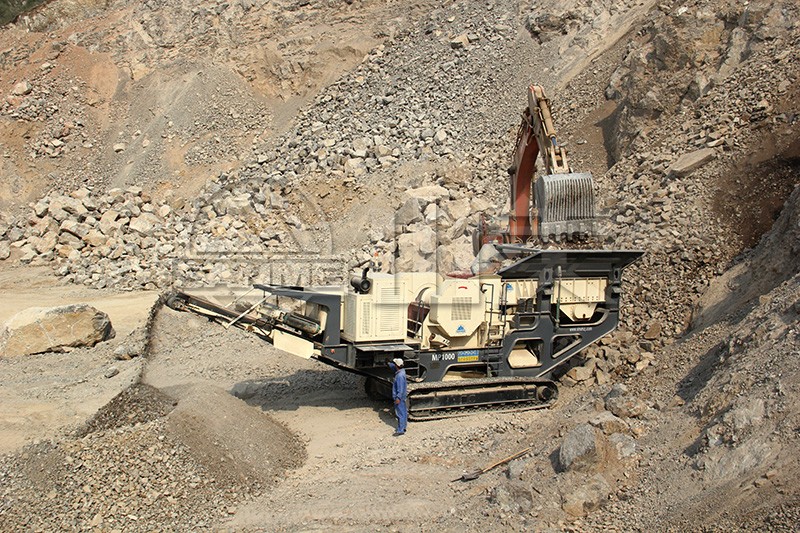
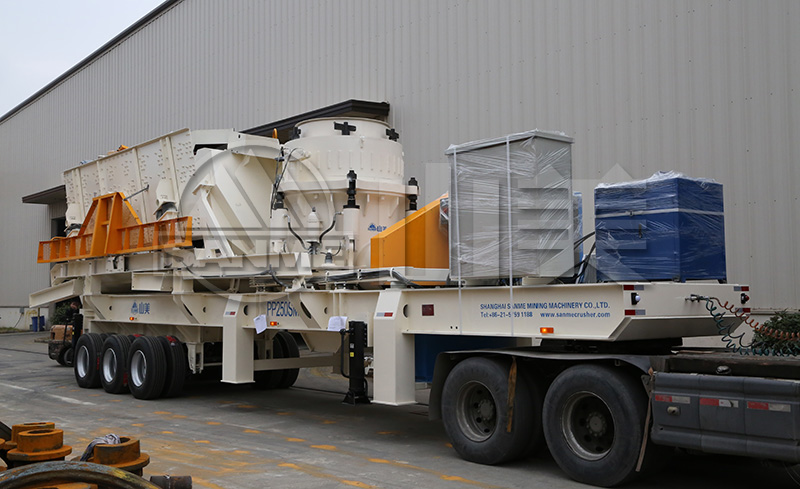
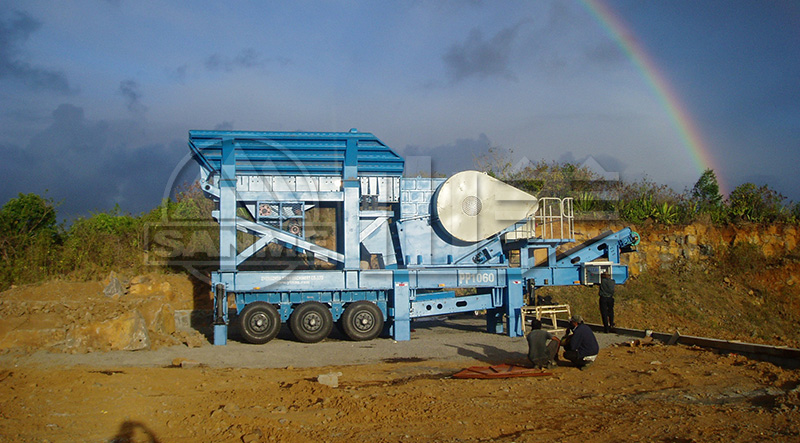
Source industrial crushers from vetted manufacturers and suppliers in China and across Asia. Designed for mining procurement managers, heavy equipment distributors, and importers buying in bulk, our network delivers reliable, high-capacity machinery tailored to your exact operational requirements.
Sourcing heavy mining crushers requires strict attention to metallurgy, motor performance, and structural integrity. The primary challenge isn't just finding a factory that can assemble the steel; it is ensuring the wear parts endure high-impact loads and the motor delivers consistent torque without overheating under continuous operation.
Critical Specifications for Industrial Crushers
When negotiating with manufacturers, vague specifications lead to rapid equipment failure in the field. You must define the exact operational parameters and material requirements for the crusher to ensure it performs to your expected lifespan.
| Component / Spec | Standard Quality | Premium Quality |
|---|---|---|
| Wear Parts (Jaw Plates/Mantles) | Standard Mn13 | High Manganese Mn18Cr2 or higher |
| Main Frame | Welded steel plate, basic stress relief | Cast steel or heavily reinforced welded steel with thermal stress relief |
| Bearings | Domestic standard bearings | SKF, Timken, or premium heavy-duty equivalents |
| Motors | Standard efficiency, IP54 | High efficiency (IE3), IP55 or IP65, customized voltage |
Wear Part Metallurgy
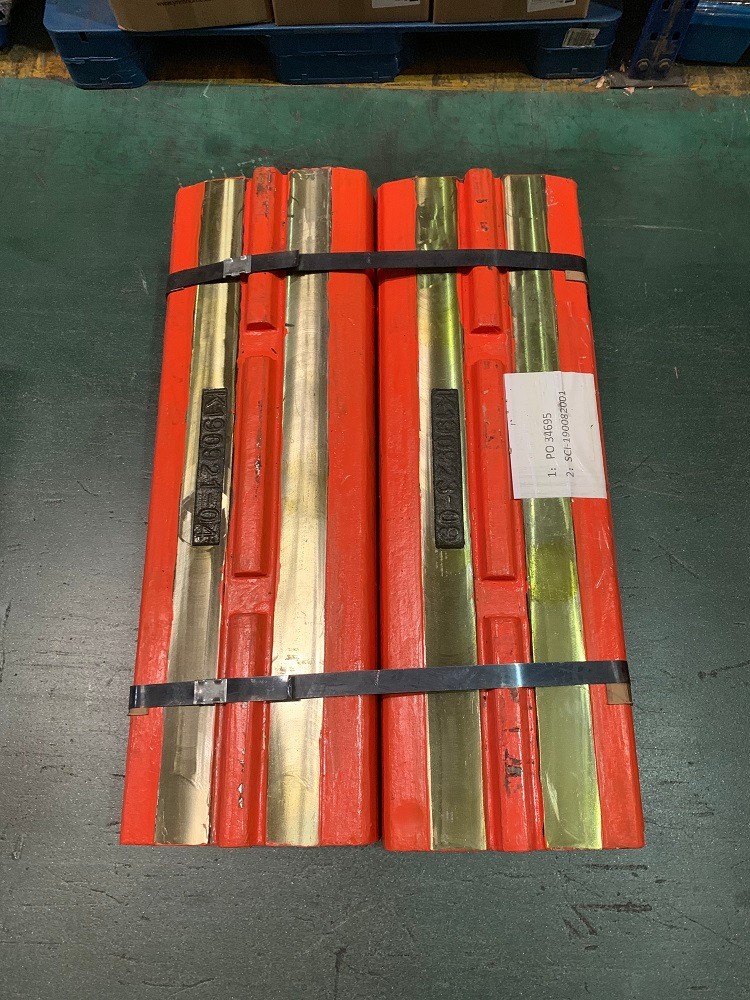
The lifespan of your crusher depends heavily on the metallurgy of its wear parts. High manganese steel (like Mn13Cr2 or Mn18Cr2) is standard for jaw plates and cone mantles because it work-hardens under impact. If a supplier quotes a price that seems too good to be true, they are likely substituting lower-grade steel, which will result in rapid wear and frequent downtime.
Need help verifying the metallurgical capabilities of a potential supplier? We can step in to evaluate their manufacturing standards.
Talk to our teamManufacturing Quality and Factory Verification
Not all heavy machinery factories possess the in-house machining centers required for precision crusher manufacturing. Many assemble components sourced from sub-suppliers, which introduces significant variance in quality.
What to Verify on the Factory Floor
- In-house CNC machining capabilities for critical components like eccentric shafts.
- Thermal stress relief processes for welded main frames to prevent cracking under vibration.
- Dynamic balancing of rotors (for impact crushers) and flywheels to minimize destructive vibration.
- Traceability of steel casting batches and associated metallurgical test reports.
Before committing to a high-value order, conducting comprehensive factory audits is highly recommended. This ensures the facility has the heavy lifting equipment, precision tooling, and quality management systems necessary to produce reliable mining machinery.
Pre-Shipment Inspection
Never accept a crusher without a documented, no-load test run. Implementing strict quality control & inspection protocols before the equipment is painted and crated is essential. Inspectors should check bearing temperatures after a multi-hour run, verify motor amperage draw, and measure vibration levels.
Pricing, MOQs, and Lead Times
Because crushers are capital-intensive heavy machinery, the sourcing dynamics differ significantly from consumer goods.
- MOQ: The Minimum Order Quantity is almost universally 1 unit. However, purchasing a complete crushing plant (feeder, crusher, screen, conveyors) often yields better overall pricing and ensures system compatibility.
- Lead Times: Typical production lead times range from 30 to 60 days, depending on the size of the crusher and motor customization requirements. Cast components often dictate the timeline.
- Pricing Drivers: The primary cost drivers are the weight and grade of the steel, the brand of the bearings, and the motor specifications.
Planning a heavy machinery import? Let us help you structure the purchase and manage the production timeline.
Get a free consultationFreight and Logistics
Shipping heavy crushers requires specialized logistics planning. Smaller units can be loaded into standard 20ft or 40ft containers, but larger primary crushers often require Open Top (OT) containers, Flat Racks (FR), or Break Bulk shipping. Coordinating shipping & freight early in the procurement process is crucial, as out-of-gauge transport costs can heavily impact your landed cost.
Frequently Asked Questions
Sourcing industrial crushers is an exercise in risk management. By tightly defining metallurgical specs, verifying factory machining capabilities, and enforcing rigorous pre-shipment testing, you can secure heavy machinery that delivers decades of reliable throughput.
Get Sourcing Help for Crushers
Tell us your requirements and our experts will connect you with verified manufacturers.