Cruiser Bikes
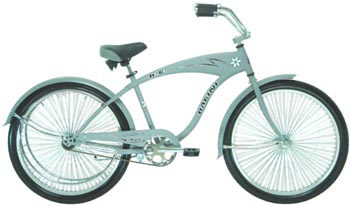
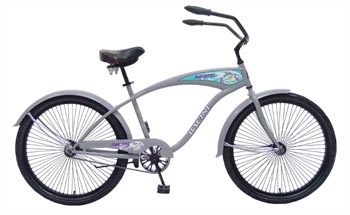
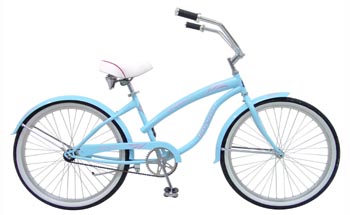
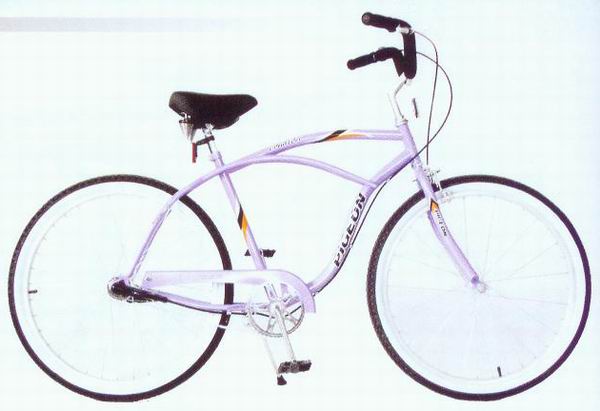
Source premium Cruiser Bikes from vetted suppliers and manufacturers across Asia. This category is designed for importers, wholesale distributors, and brands seeking reliable OEM or private-label production at scale. Connect with top-tier factories to secure competitive pricing and consistent quality for your bulk orders.
Sourcing cruiser bikes at volume requires balancing aesthetic appeal with structural durability. While the relaxed geometry and retro styling drive consumer demand, the underlying manufacturing reality involves tight tolerances in frame welding, reliable drivetrain integration, and rigorous rust-prevention treatments.
Frame Geometry and Material Specifications
Cruiser bikes are defined by their relaxed, upright geometry, which places specific stress points on the bottom bracket and seat tube junctions. Specifying the right frame material dictates both your FOB price and the final shipping weight, which directly impacts your freight calculations.
| Material | Cost Impact | Weight Profile | Corrosion Resistance |
|---|---|---|---|
| Hi-Ten Steel | Baseline | Heavy (15-18kg total bike) | Requires rigorous anti-rust treatment |
| 6061 Aluminum Alloy | Premium (+20-30%) | Lighter (12-14kg total bike) | Naturally high resistance |
Drivetrain and Braking Systems
Single-speed setups with coaster brakes remain the standard for flat-terrain markets due to their low maintenance and cost-effective assembly. For varied topography, buyers typically specify 3-speed or 7-speed internal gear hubs (such as Shimano Nexus). Internal hubs protect gears from coastal elements (sand and salt) but require factories with higher assembly precision and dedicated testing rigs to ensure smooth shifting out of the box.
Ensure your factory has the technical capability for precise internal drivetrain assembly and testing.
Talk to our teamManufacturing Tolerances and Quality Control
The primary failure points in cruiser bike manufacturing occur during welding and surface treatment. Because these bicycles are frequently used in coastal environments, the elements aggressively test the quality of the paint and plating.
Critical Factory QC Checkpoints
- TIG weld consistency around the bottom bracket and head tube.
- Salt spray testing duration on chrome-plated components (handlebars, seat posts, spokes).
- Wheel truing tolerances (lateral and radial runout under 1.5mm).
- Bottom bracket threading and facing alignment prior to painting.
- Powder coating thickness and adhesion testing.
Integrating thorough Quality Control & Inspection during the pre-shipment phase prevents costly rework upon arrival. For new suppliers, conducting Factory Audits is critical to verify their in-house painting facilities, welding automation capabilities, and raw material sourcing channels.
MOQs, Lead Times, and OEM Customization
Most established bicycle manufacturers operate on container-based minimums to optimize their assembly lines. Production is highly seasonal, with lead times stretching significantly ahead of the spring and summer retail seasons.
If you are developing a proprietary brand, OEM/ODM Services allow for custom frame tooling, bespoke pantone matching, and branded saddles, grips, and tires. Note that custom frame geometry will require new tooling fees and extend sample lead times by several weeks.
Streamline your OEM bicycle production, quality inspections, and container consolidation.
Get a free consultationFrequently Asked Questions
Sourcing cruiser bikes profitably means looking past the surface aesthetics to verify the structural integrity and finish quality of the frame. A well-managed supply chain and rigorous factory oversight ensure that your inventory arrives compliant, on time, and ready for the retail floor.
Get Sourcing Help for Cruiser Bikes
Tell us your requirements and our experts will connect you with verified manufacturers.