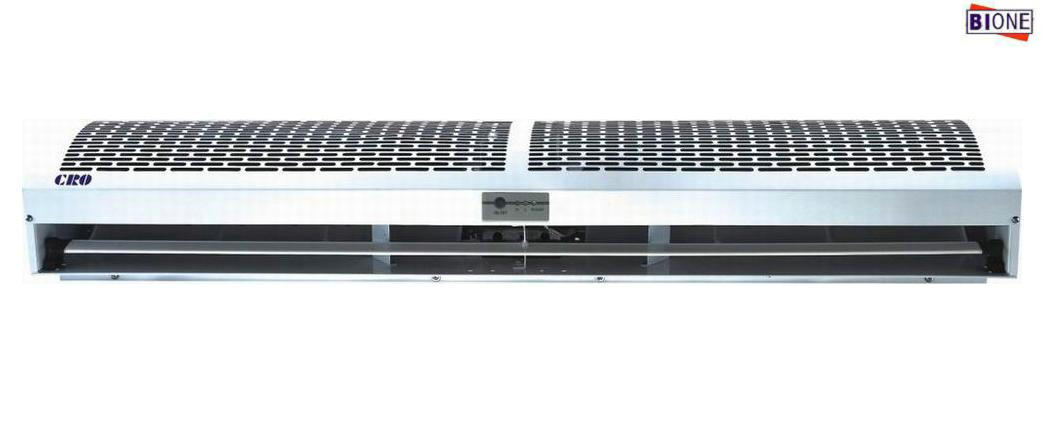
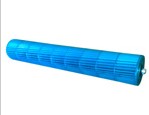
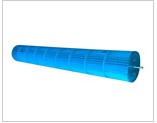
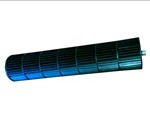
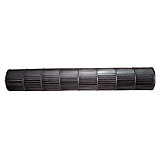
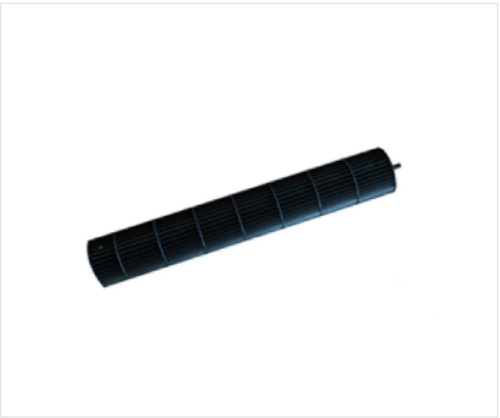
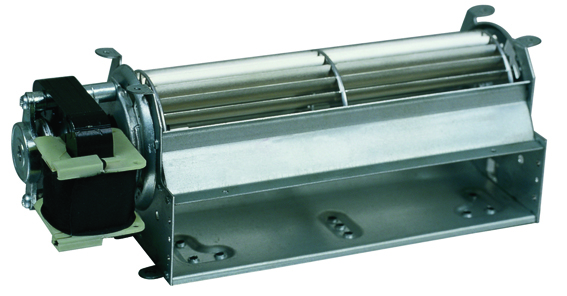
Cross Flow Fans
Source high-performance cross flow fans directly from vetted manufacturers and suppliers. Designed for importers, HVAC distributors, and OEM brands requiring bulk production, our factory-direct network ensures reliable airflow solutions at competitive wholesale prices.
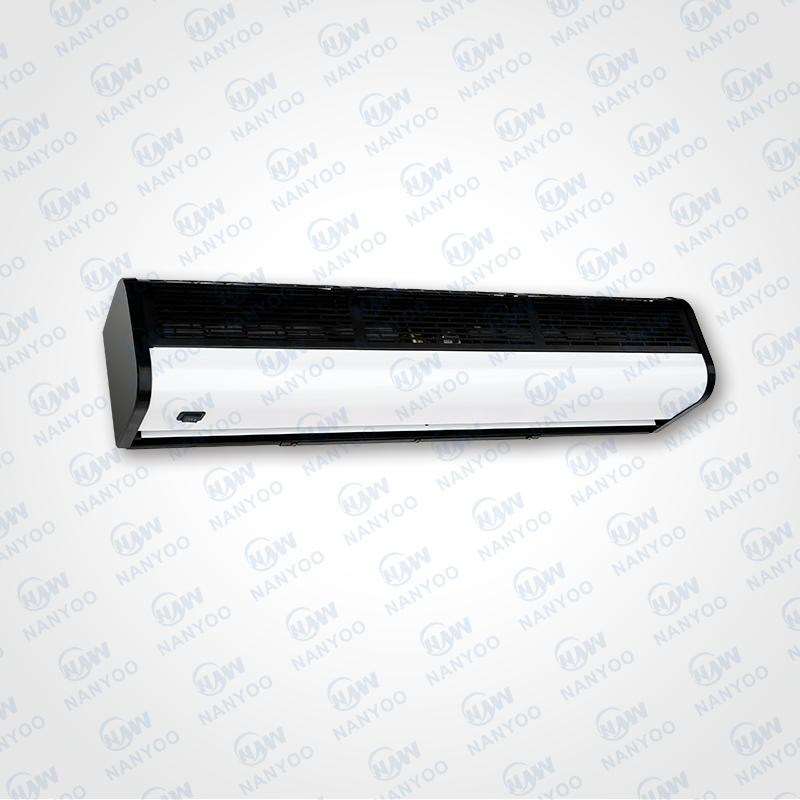
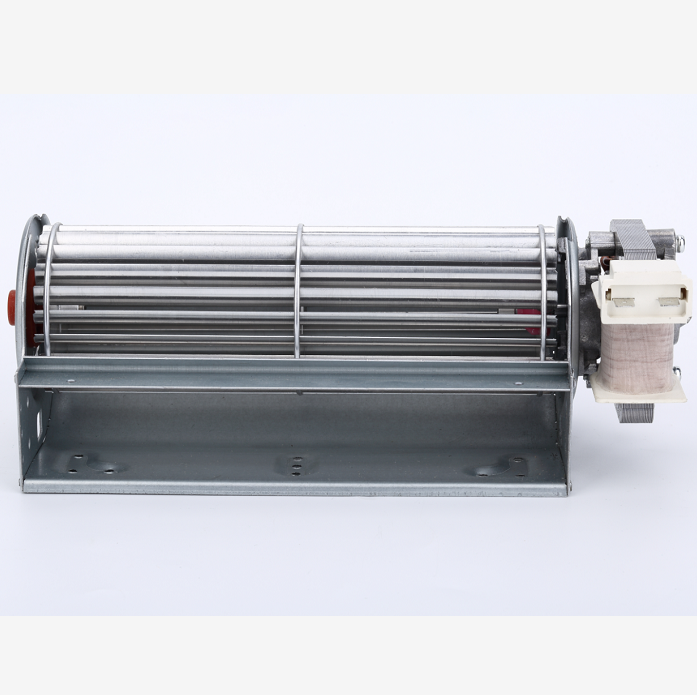
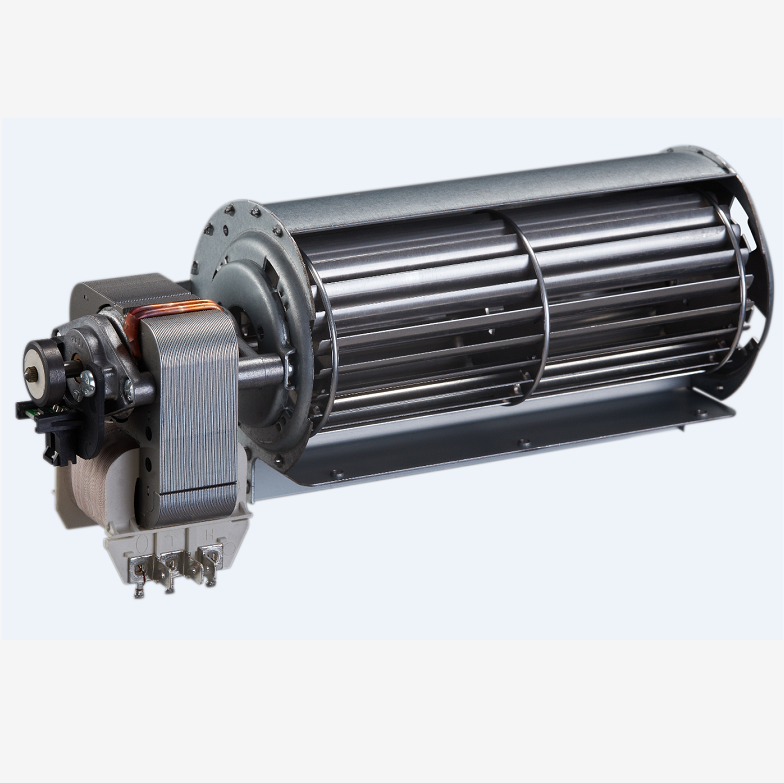
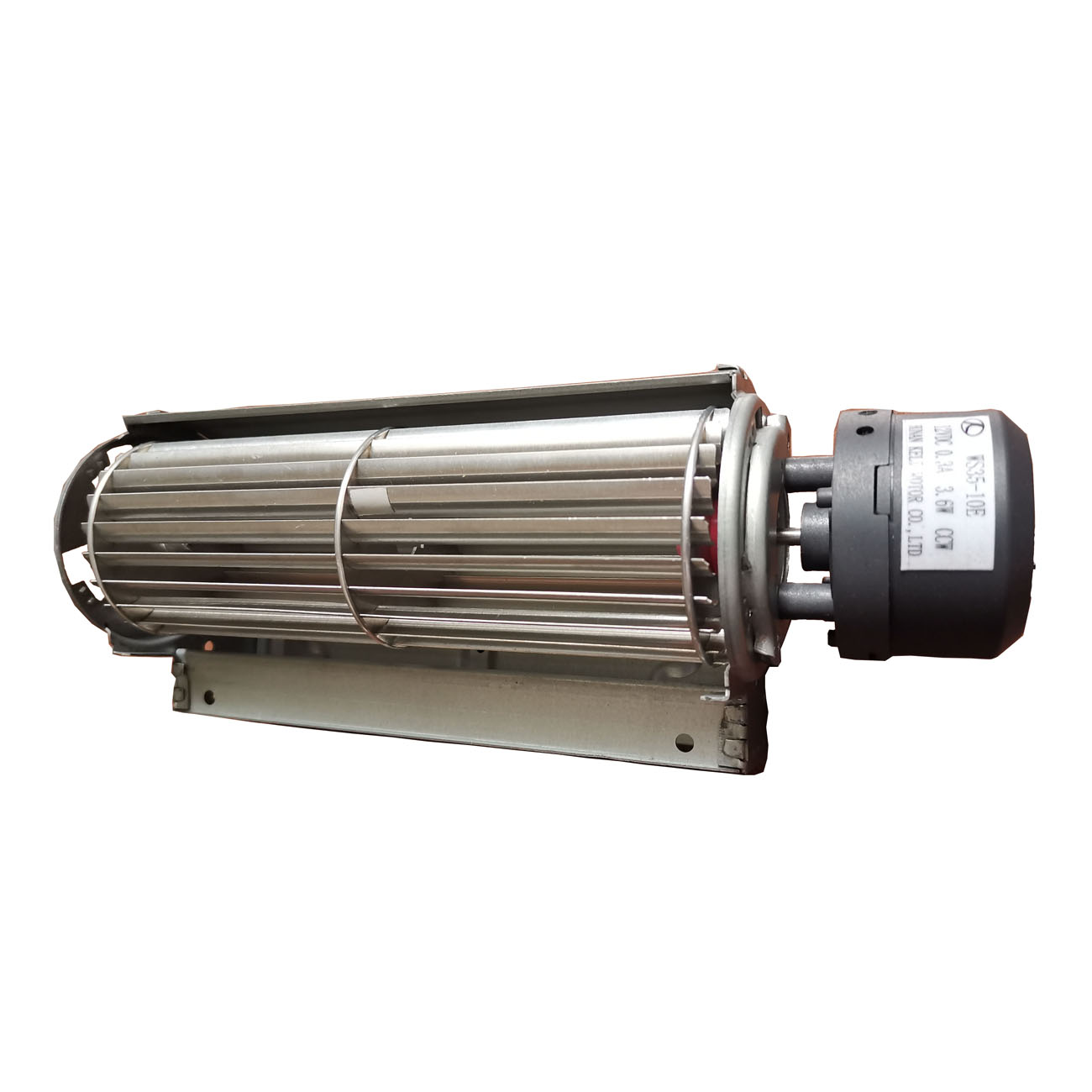
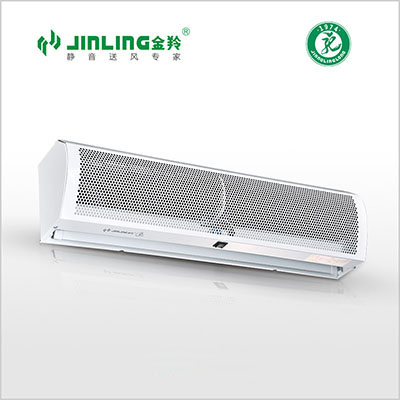
Sourcing cross flow fans (also known as tangential or tubular fans) in volume requires strict attention to motor reliability, impeller balance, and acoustic performance. Because these fans are typically integrated into larger HVAC systems, air curtains, or electronic cooling arrays, a single point of failure in the motor bearing or an unbalanced impeller can compromise the entire end product. The primary sourcing challenge is identifying manufacturers capable of maintaining tight dynamic balancing tolerances across thousands of units while keeping unit costs viable.
Critical Specifications for Procurement
When negotiating with factories, vague specifications lead to inconsistent production batches. Professional buyers must define exact performance metrics and material requirements before requesting quotations.
- Airflow and Static Pressure: Specify the required Cubic Feet per Minute (CFM) or cubic meters per hour (m³/h) at the exact static pressure of your application. Cross flow fans provide wide, uniform airflow but typically deliver lower static pressure than centrifugal blowers.
- Acoustic Limits: Noise levels must be specified in dBA at a specific distance (usually 1 meter). Pay attention to tonal noise caused by motor hum or blade pass frequencies, which standard dBA measurements might mask.
- Bearing Selection: Sleeve bearings are cost-effective for low-temperature, intermittent use, but they degrade quickly if mounted vertically. For continuous operation or high-temperature environments, mandate dual ball bearings (e.g., NMB or NSK bearings) to ensure a lifespan exceeding 50,000 hours.
- Impeller Material: Aluminum alloy is standard for its high strength-to-weight ratio and temperature resistance. Plastic (typically glass-filled PBT) is used for cost-sensitive, low-temperature applications but is more susceptible to warping during injection molding.
Struggling to find a manufacturer that can meet strict acoustic and vibration tolerances? Let us match you with a vetted factory.
Talk to our teamManufacturing Variance and Quality Control
The defining factor of a high-quality cross flow fan is the dynamic balancing of its long, cylindrical impeller. If the manufacturer skips or rushes the balancing process, the resulting vibration will cause premature bearing failure and excessive noise.
When conducting pre-shipment inspections, vibration testing and balancing verification should be your highest priorities.
Critical Factory QC Checks
- Dynamic balancing verification (typically to ISO 1940 G6.3 or G2.5 standards).
- Motor winding insulation resistance and dielectric withstand (Hi-Pot) testing.
- Runout measurement on the impeller shaft to ensure concentricity.
- Acoustic chamber testing on a randomized sample of the production run.
- Housing rigidity checks to prevent resonance during operation.
Motor Integration and Customization
For brands requiring specific control protocols or energy efficiency ratings, the choice of motor is a major cost and performance driver. Factories offering OEM/ODM services can integrate custom motors tailored to your exact voltage and control requirements.
| Motor Type | Efficiency | Control | Cost Profile |
|---|---|---|---|
| AC Shaded Pole | Low (under 30%) | Single/Dual Speed | Lowest |
| DC Brushless | High (over 70%) | PWM / Voltage | Moderate |
| EC (Electronically Commutated) | Very High (up to 90%) | 0-10V / Modbus | Premium |
Pricing Drivers, MOQs, and Lead Times
Cross flow fan pricing is highly dependent on motor type, impeller length, and bearing quality. Tooling costs only come into play if you require custom housing dimensions or unique mounting brackets.
Raw material fluctuations—particularly copper for motor windings and aluminum for impellers—will impact your factory pricing. It is standard practice to negotiate pricing validity windows of 30 to 90 days to protect against sudden commodity spikes.
Need to negotiate better terms or consolidate shipments from multiple component suppliers? We can manage the process.
Get a free consultationFrequently Asked Questions
Securing a reliable supply chain for cross flow fans means looking past the initial unit price and evaluating a manufacturer's motor winding consistency, balancing equipment, and quality management systems. Partnering with a supplier who understands the specific acoustic and thermal demands of your application prevents costly field failures down the line.
Get Sourcing Help for Cross Flow Fans
Tell us your requirements and our experts will connect you with verified manufacturers.