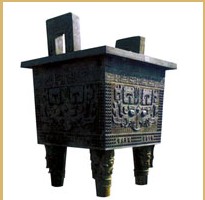
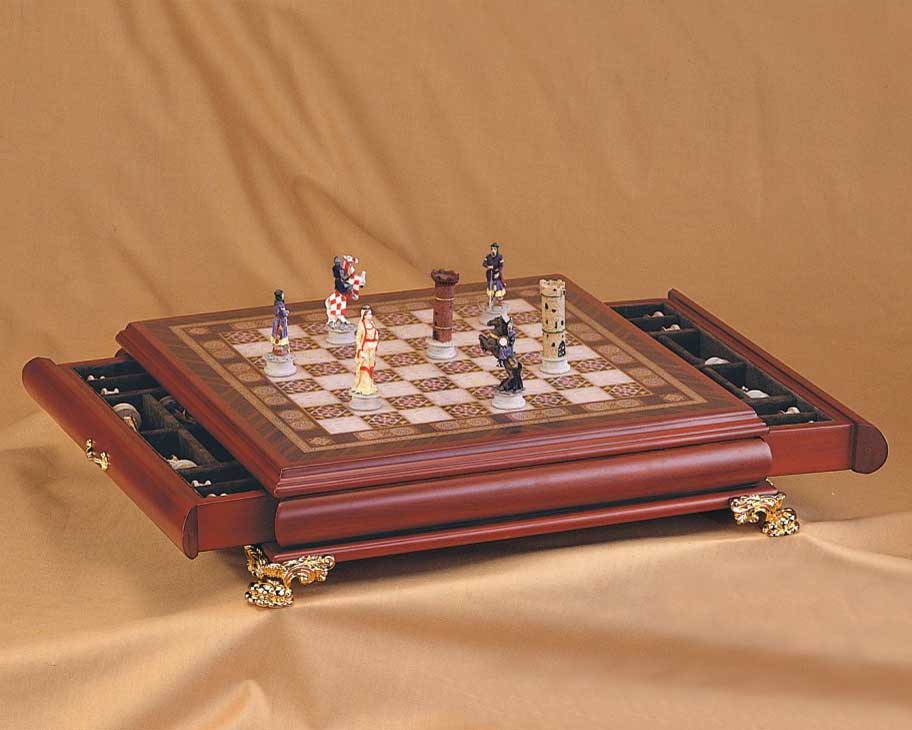
Creative & Cultural Collectible Artifacts
Source premium Creative & Cultural Collectible Artifacts in bulk from vetted manufacturers and suppliers. Designed for importers, wholesalers, museum shops, and brands seeking OEM/ODM production, this curated selection offers high-quality craftsmanship, bespoke cultural designs, and reliable factory-direct pricing for volume orders.
Sourcing creative and cultural collectible artifacts at scale requires bridging the gap between artisanal design and standardized manufacturing. Whether you are developing museum replicas, designer art toys, or heritage-inspired decor, the core challenge lies in translating intricate cultural nuances into production-ready molds while maintaining strict consistency across high-volume runs. Success depends on selecting the right base materials, managing complex tooling, and enforcing rigorous finishing standards on the factory floor.
Material Selection and Tooling Dynamics
The foundation of any collectible artifact is its material, which dictates not only the perceived value and weight but also the tooling requirements and unit economics. Most cultural collectibles are manufactured using polyresin, zinc alloy, or ceramics, each requiring distinct production environments.
| Material | Primary Application | Tooling Investment | Detail Capture |
|---|---|---|---|
| Polyresin | Designer toys, intricate sculptures | Low to Medium | Exceptional for fine textures |
| Zinc Alloy | Heavy miniatures, commemorative coins | High (Die-casting) | High, sharp edges |
| Ceramic / Porcelain | Heritage decor, museum replicas | Low (Plaster molds) | Medium, softer edges |
| PVC / Vinyl | Blind box figures, pop culture items | Very High (Steel molds) | High, durable |
Moving from 2D concept art or 3D CAD to a physical master sample requires specialized Product Development support. Factories will typically CNC machine or 3D print a master prototype. Once approved, this master is used to create silicone molds (for resin) or steel molds (for vinyl and metal).
Struggling to translate complex cultural designs into manufacturable products? Let us help you evaluate tooling options and select the right factory for your material requirements.
Talk to our teamManaging Quality in Hand-Finished Collectibles
Unlike purely mechanical components, creative artifacts often require significant manual labor, particularly in painting, antiquing, and assembly. This manual intervention is where quality variance most commonly occurs. Establishing strict defect tolerances before mass production is non-negotiable.
When conducting Quality Control & Inspection for collectibles, inspectors must look beyond basic structural integrity and evaluate aesthetic consistency:
Critical QC Checks for Collectibles
- Mold lines and flash: Ensure all parting lines are sanded and polished before painting.
- Paint masking and bleed: Check boundaries between colors, especially on facial features or intricate cultural motifs.
- Weight consistency: Resin items can suffer from air pockets (voids) causing weight variance and structural weakness.
- Base flatness: Artifacts must sit perfectly flush on a flat surface without wobbling.
- Finish durability: Rub tests (using alcohol or water) to ensure antiquing washes or clear coats do not flake.
Customization, Packaging, and OEM Production
For brands developing original properties or licensing cultural heritage designs, utilizing OEM/ODM Services is the standard route. Protecting your Intellectual Property (IP) during this process is critical. Ensure your manufacturing partner signs strict NNN (Non-Disclosure, Non-Use, Non-Circumvention) agreements and that molds remain your explicit property.
Furthermore, a collectible is only as good as its presentation. The packaging must serve dual purposes: protecting fragile artifacts during international transit and elevating the unboxing experience. Work with Branding & Design specialists to engineer custom EPS foam or blister inserts, and ensure the final packaged product can pass standard ISTA drop tests (e.g., ISTA 1A) to minimize breakage rates.
Typical MOQs, Pricing, and Lead Times
Production metrics for collectible artifacts vary wildly based on the material and the complexity of the molds. Blank or standard items have lower thresholds, but custom cultural artifacts require significant upfront tooling.
Unit pricing is driven heavily by the number of paint operations (often called "hits" or "masks"). A single-color antique wash will cost significantly less to produce than a figure requiring 30 distinct paint masks and hand-painted detailing.
Need accurate landed costs for your custom collectible line? We can negotiate tooling fees, manage MOQs, and secure competitive unit pricing directly with vetted manufacturers.
Get a free consultationFrequently Asked Questions
Successfully sourcing creative and cultural collectibles means managing the tension between art and industry. By clearly defining your material specs, rigorously controlling the hand-finishing process, and engineering robust packaging, you can deliver artifacts that honor their cultural inspiration while maintaining healthy profit margins.
Get Sourcing Help for Creative & Cultural Collectible Artifacts
Tell us your requirements and our experts will connect you with verified manufacturers.