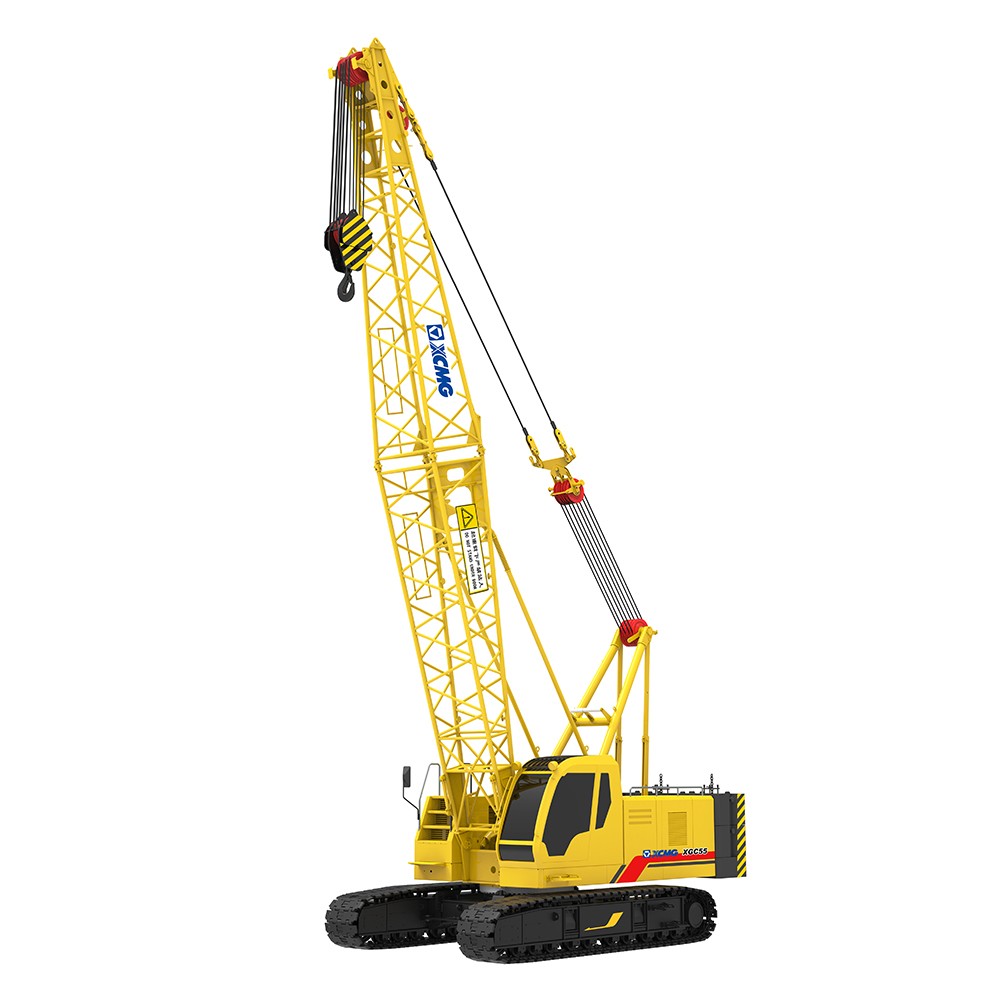
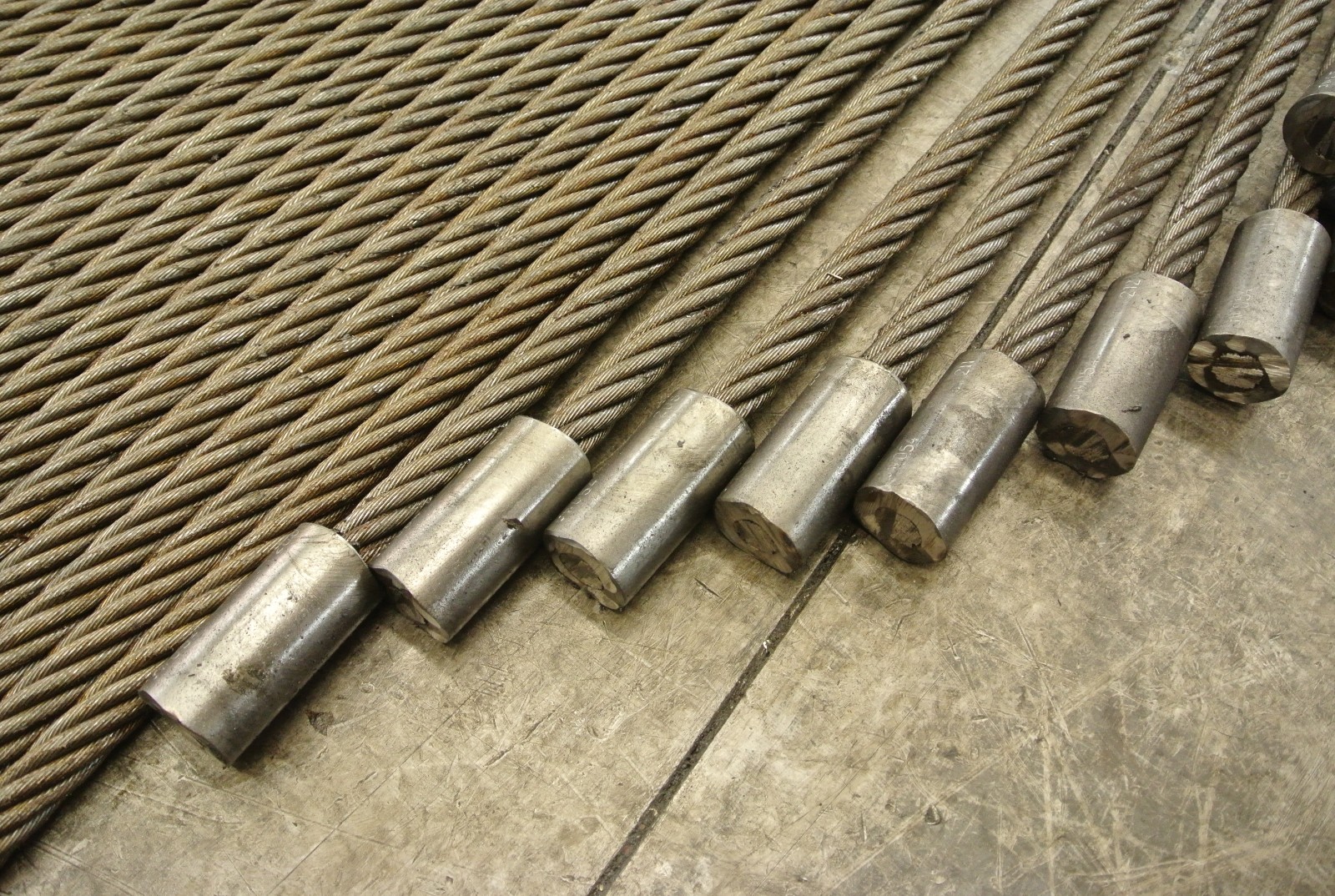
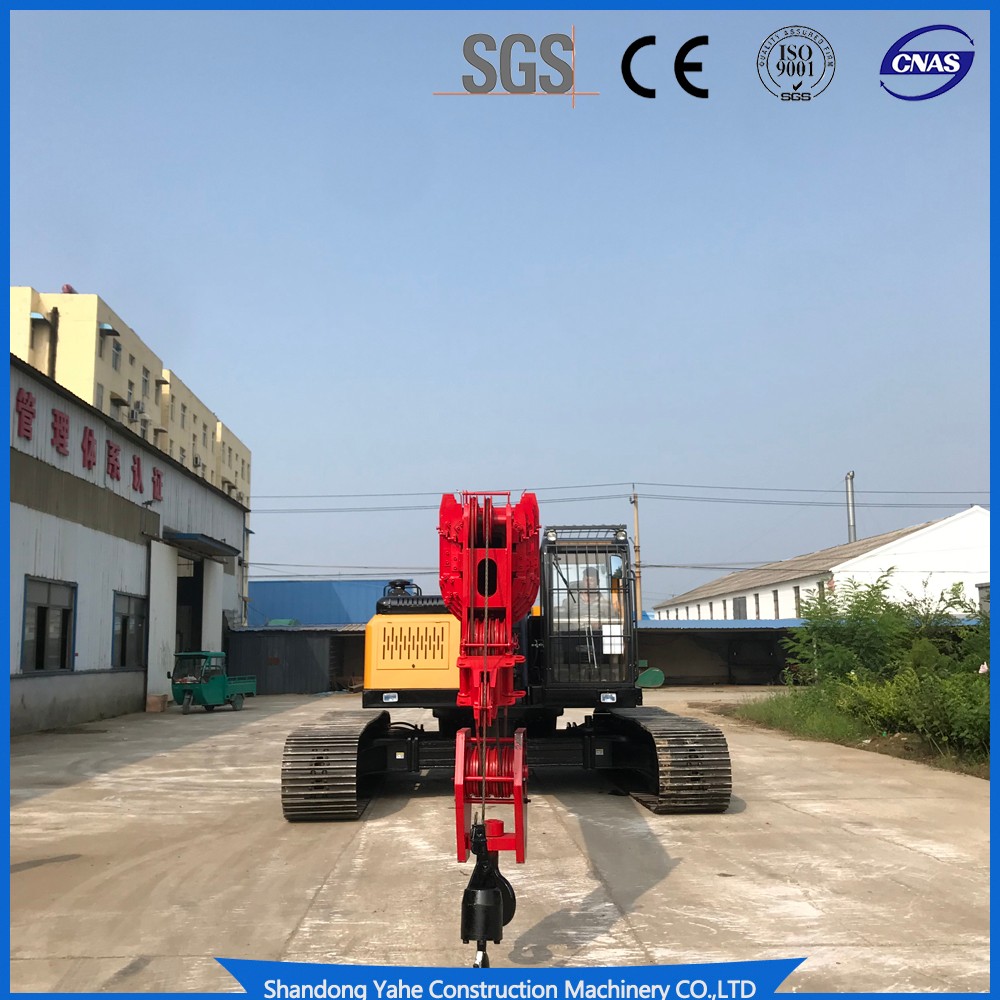
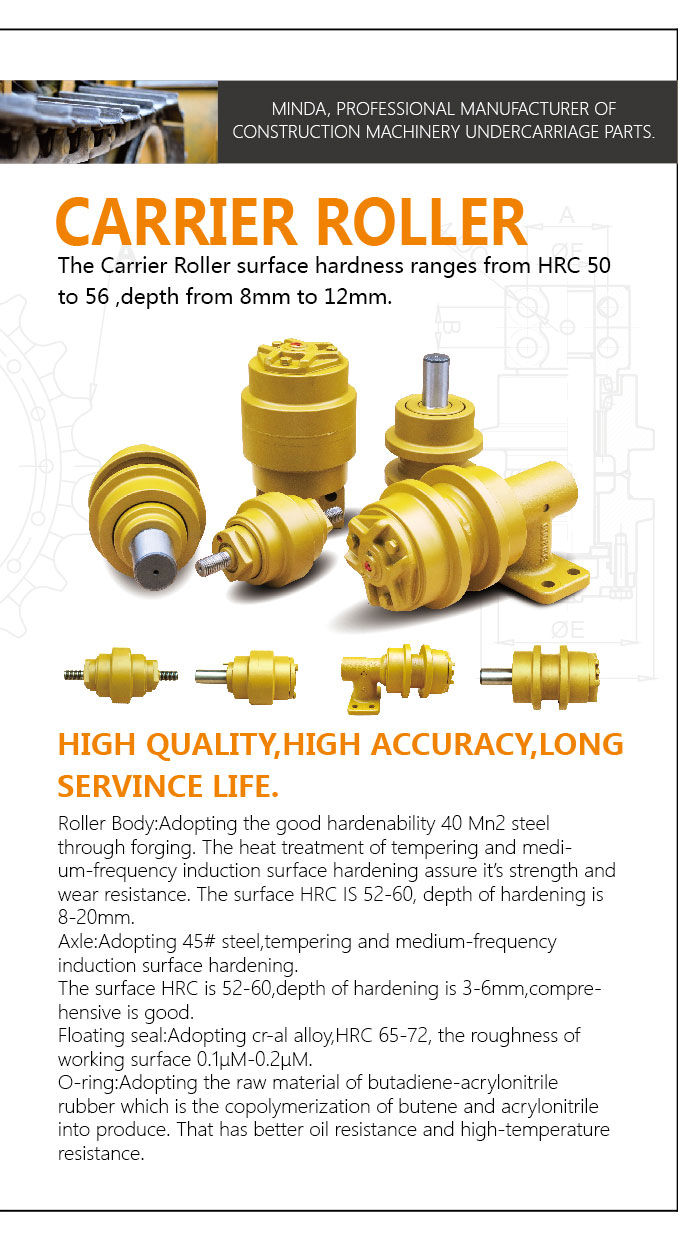
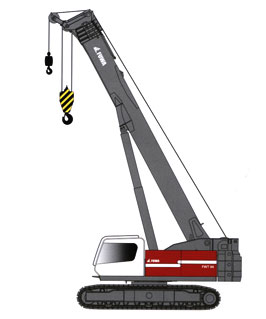
Crawler Cranes
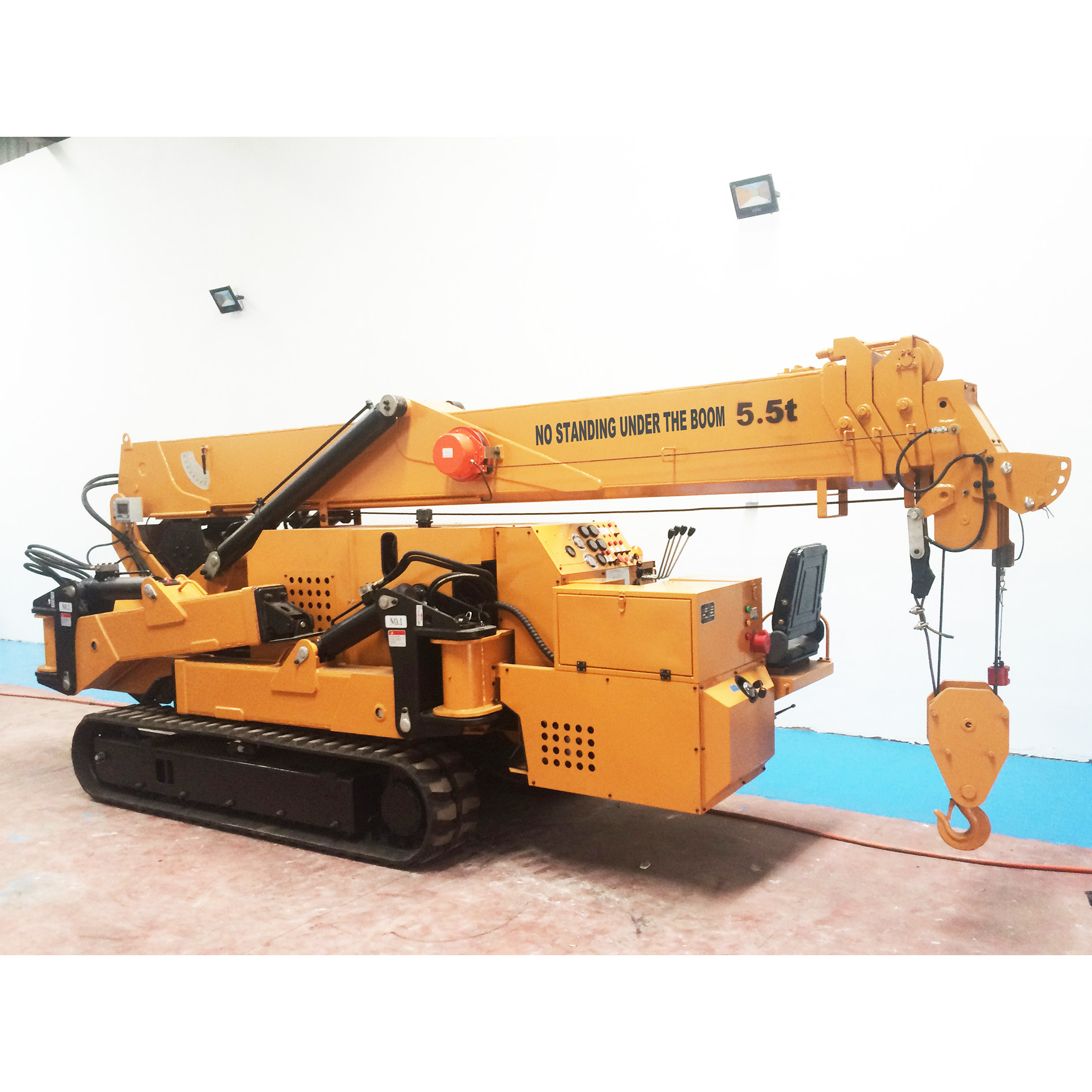
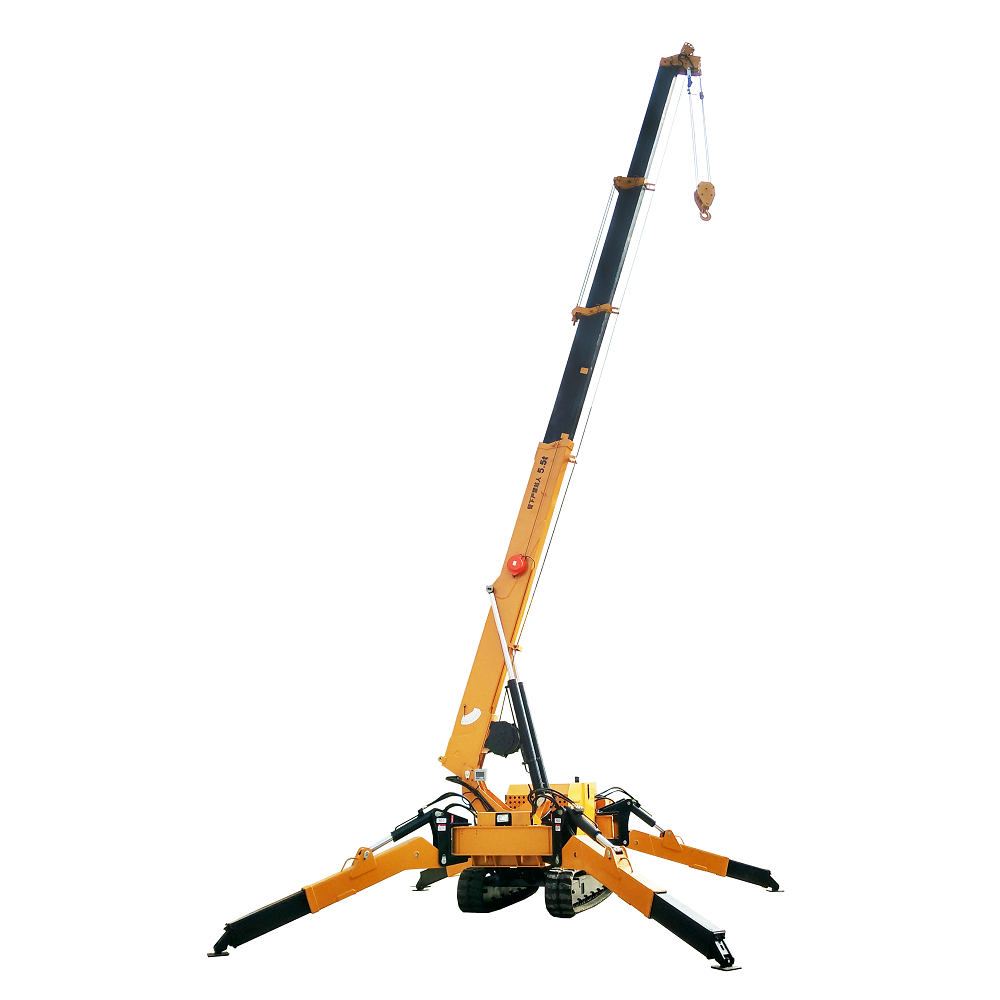
Source heavy-duty Crawler Cranes directly from vetted manufacturers and suppliers. Designed for construction equipment importers, heavy machinery distributors, and procurement managers, our network offers reliable, high-capacity lifting solutions with customizable OEM options for your fleet or regional distribution channels.
Procuring crawler cranes directly from overseas manufacturers requires navigating a complex matrix of structural engineering standards, emissions compliance, and heavy-freight logistics. For heavy machinery distributors and construction procurement managers, the goal is securing reliable, high-tonnage lifting equipment that meets local regulatory requirements without absorbing the heavy markups of domestic mega-brands.
Success in this category hinges on rigorous factory vetting, exact specification management, and a bulletproof quality control protocol before the asset ever reaches the port.
Critical Specifications and Performance Metrics
When negotiating with crawler crane factories, precision in your technical requirements dictates the capability and safety of the final machine. Standardizing your RFQ around these core metrics prevents miscommunication and ensures accurate pricing.
Engine Sourcing and Emissions Compliance
The engine is the heart of the crane and the primary hurdle for import compliance. While Chinese manufacturers produce excellent structural components, international buyers often specify imported engines (such as Cummins, Isuzu, or Volvo) to ensure compliance with stringent local regulations (e.g., EPA Tier 4 Final in North America or EU Stage V). Specifying the exact engine block and emission control system (DPF/SCR) is non-negotiable for customs clearance in regulated markets.
Structural Integrity and Hydraulics
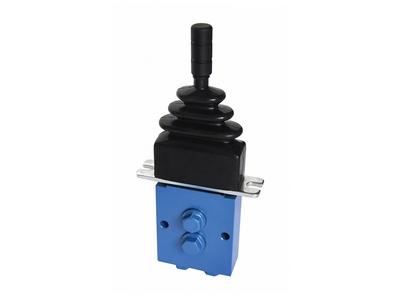
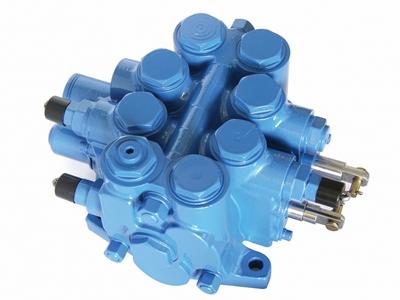
Lattice booms and undercarriages must be fabricated from high-tensile steel (often Q345 or Q460 equivalents). The hydraulic systems—comprising pumps, motors, and valves—dictate the smoothness of the hoist, swing, and travel functions. Top-tier manufacturers utilize globally recognized hydraulic components (like Kawasaki or Rexroth) even if the chassis is domestically fabricated.
Need help verifying a manufacturer's engineering capabilities and hydraulic component supply chain? Let our team guide your sourcing process.
Talk to our machinery expertsManufacturing Quality and Factory Vetting
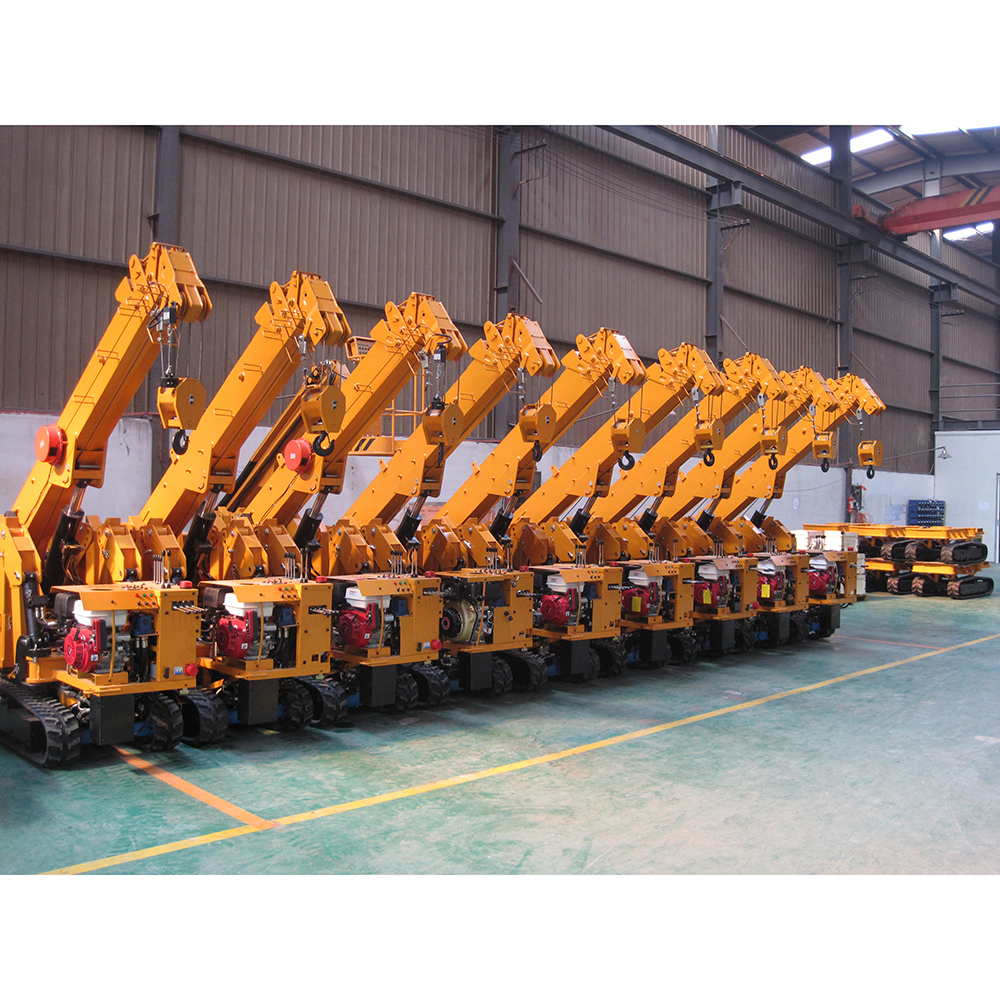
The heavy machinery hubs in China (notably around Xuzhou, Changsha, and Jining) house both global giants and highly capable tier-two manufacturers. However, assessing a factory's true capability requires looking past their showroom and inspecting their fabrication floor.
Evaluating a manufacturer's welding automation, non-destructive testing (NDT) protocols, and assembly line precision is critical. Because structural failure is catastrophic, conducting professional Factory Audits prior to finalizing a contract is a standard requirement for volume buyers.
Key Factory Evaluation Criteria for Crawler Cranes
- In-house NDT (Non-Destructive Testing) capabilities for critical load-bearing welds.
- Traceability of high-tensile steel batches back to the original steel mill.
- Partnerships with authorized distributors for imported engines and hydraulic systems.
- Dedicated outdoor testing grounds for load-chart verification and stability testing.
- ISO 9001 certification and a documented quality management system (QMS).
Logistics, Shipping, and Quality Control
Shipping a crawler crane is a major logistical undertaking. Unlike standard freight, these machines are oversized and often require partial disassembly for transport.
Pre-Shipment Inspection
Before the crane is dismantled for shipping, a comprehensive Quality Control & Inspection must occur at the factory. This includes verifying the load charts through physical lift tests, checking hydraulic pressure tolerances, and confirming that all specified components (engines, winches, safety limiters) are correctly installed. Catching a defect after the crane is packed into flat racks is a costly mistake.
Freight Forwarding Strategies
Depending on the tonnage, crawler cranes are shipped via Roll-on/Roll-off (RoRo) vessels, breakbulk, or dismantled and loaded into specialized flat rack and open-top containers. Coordinating the disassembly, packing, and heavy-lift Shipping & Freight requires a forwarder experienced in out-of-gauge (OOG) cargo to prevent damage to the tracks, boom sections, and counterweights during transit.
Pricing, MOQs, and Lead Times
Crawler cranes are capital-intensive assets, and the purchasing dynamics reflect this.
- Minimum Order Quantities (MOQs): The standard MOQ is 1 unit. However, distributors seeking exclusive regional rights or OEM branding typically commit to annual volume targets (e.g., 5 to 10 units per year).
- Pricing Drivers: A 50-ton utility crawler crane may start around $80,000 to $120,000, while a 300-ton heavy-lift crane can easily exceed $500,000 to $800,000. Price is heavily dictated by the engine brand, hydraulic system origin, and the inclusion of specialized attachments (like luffing jibs).
- Lead Times: Standard models generally require 45 to 60 days for production. Custom configurations, specific imported engines, or OEM colorways can push lead times to 90 or 120 days.
Ready to negotiate pricing and production timelines for your next heavy machinery order? We manage the entire process from factory floor to final port.
Get a sourcing consultationFrequently Asked Questions
Sourcing crawler cranes directly from overseas manufacturers offers significant margin improvements for distributors and fleet operators. By enforcing strict component specifications, conducting rigorous factory audits, and managing the complex OOG logistics, buyers can secure world-class heavy lifting equipment without compromising on safety or compliance.
Get Sourcing Help for Crawler Cranes
Tell us your requirements and our experts will connect you with verified manufacturers.