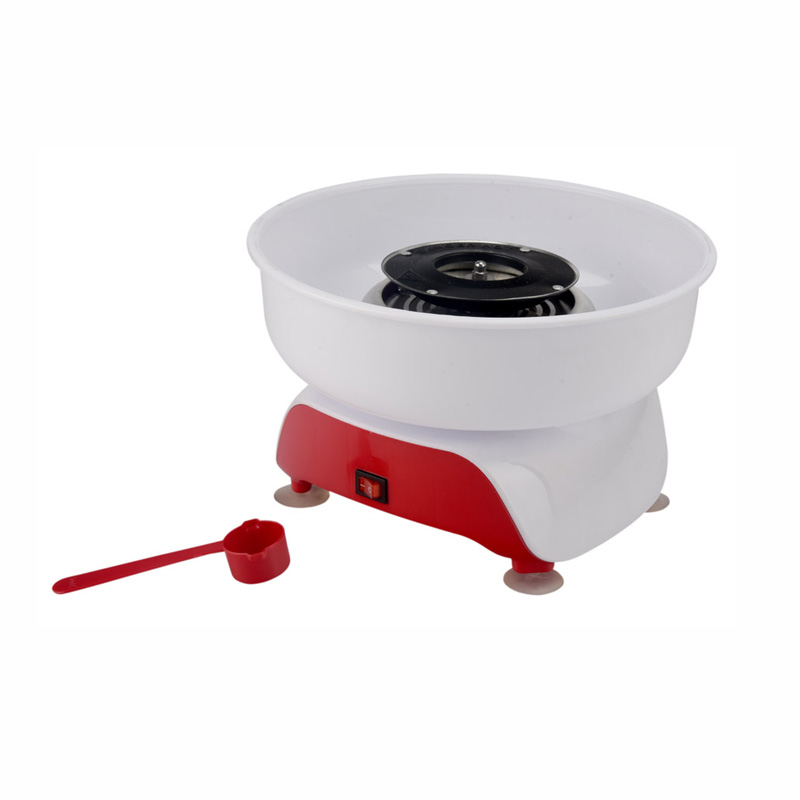
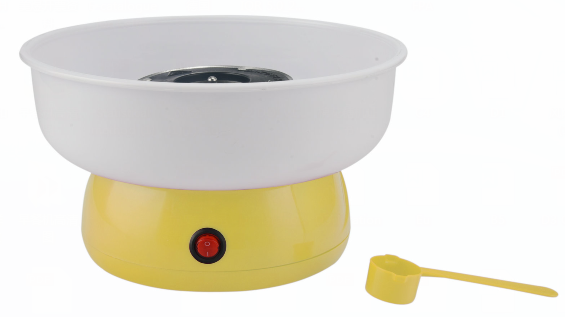
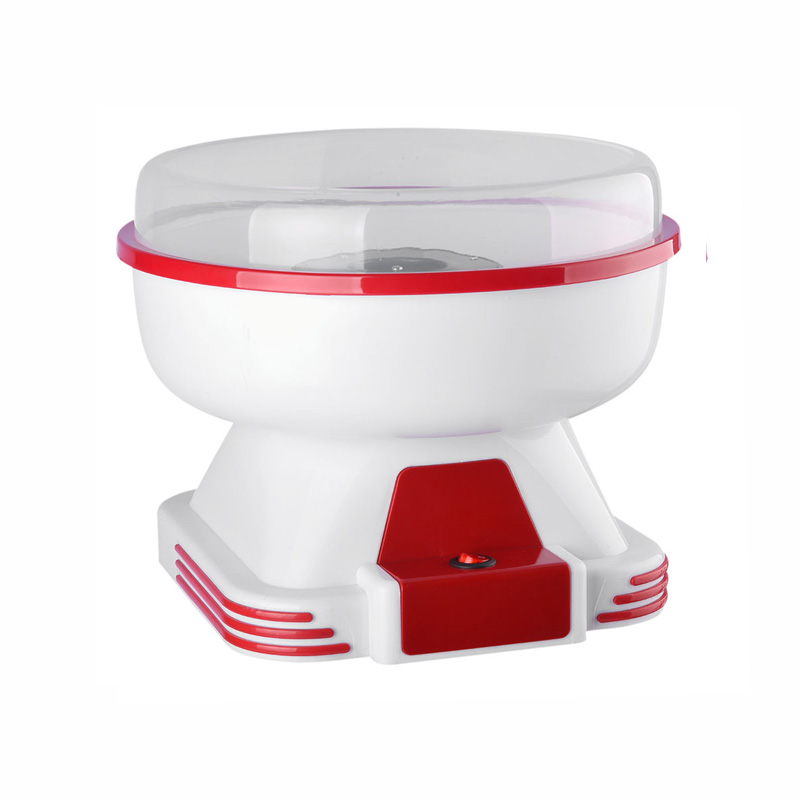
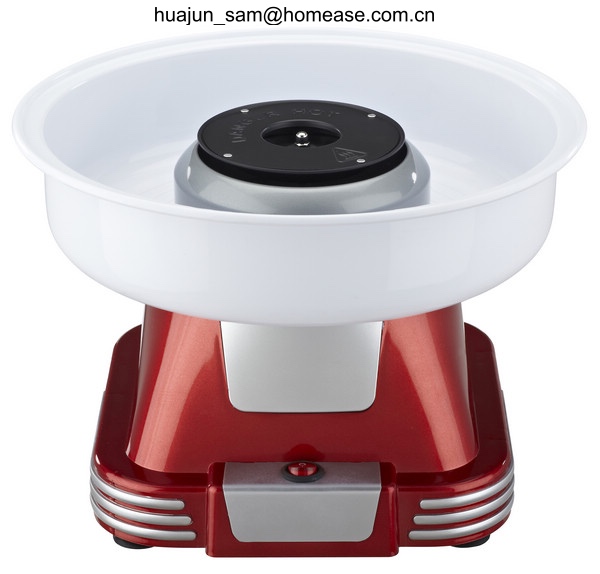
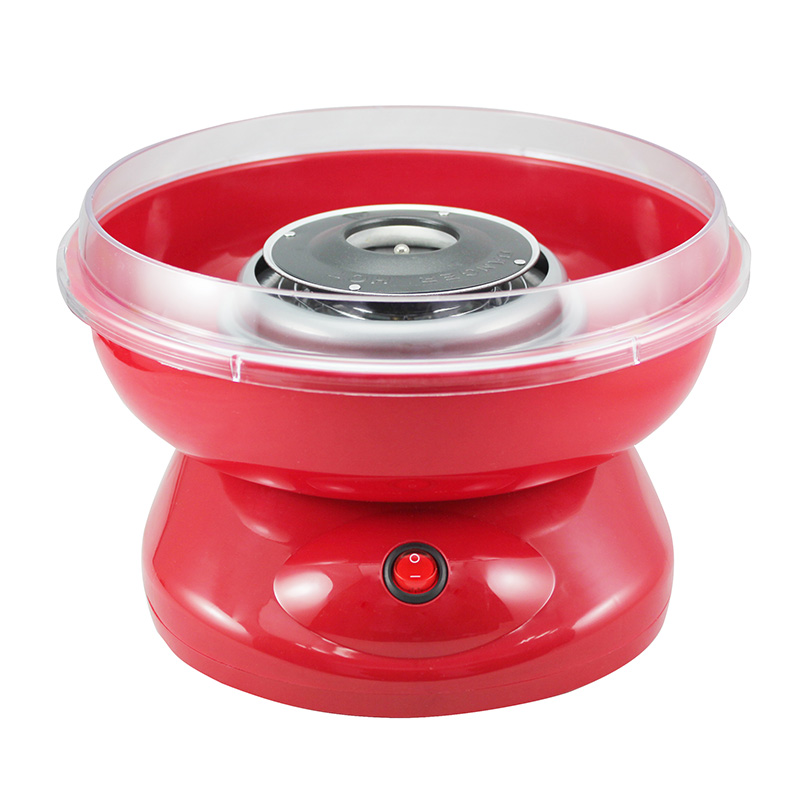
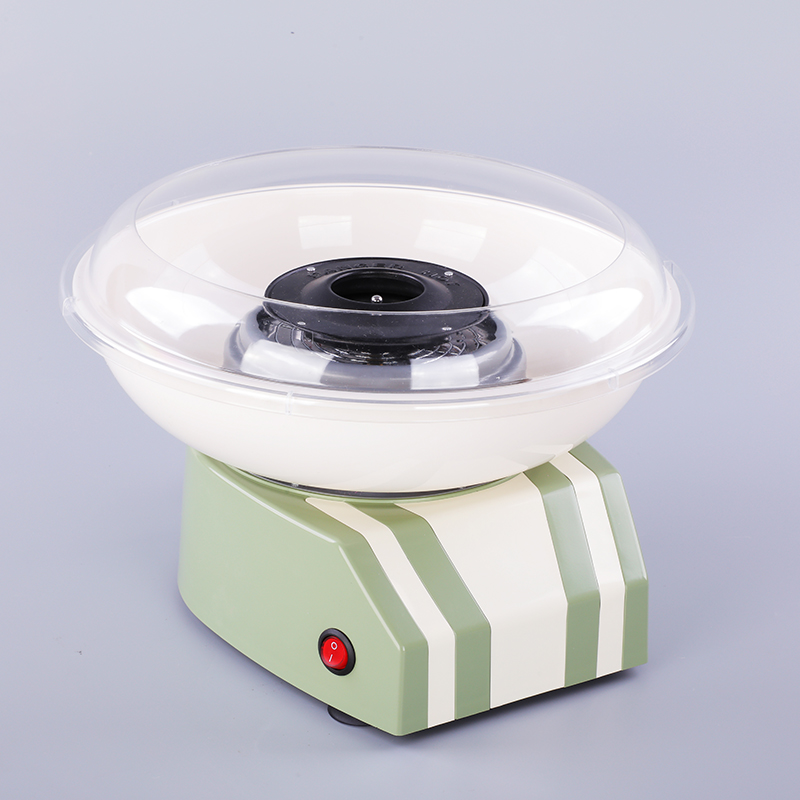
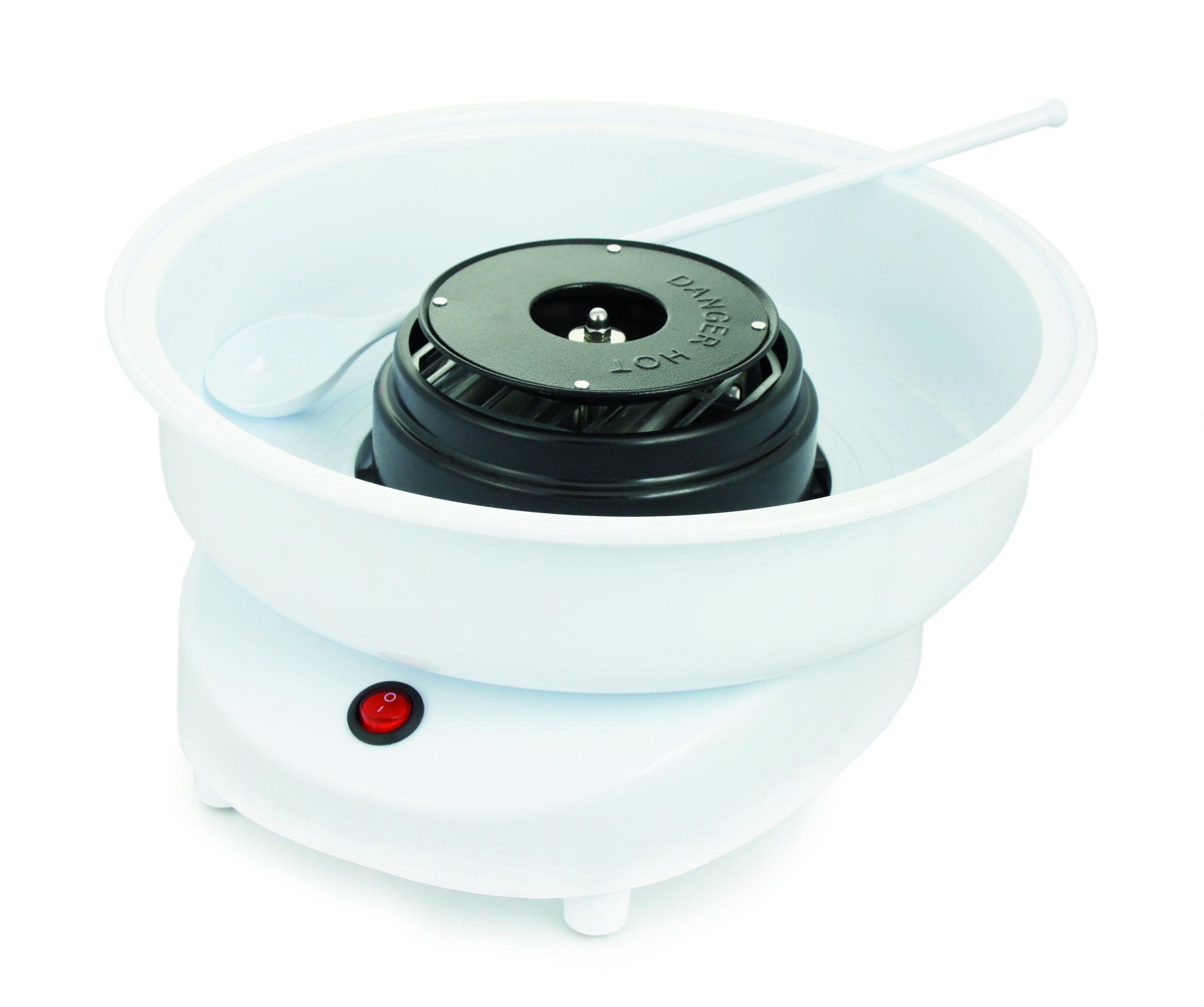
Cotton Candy Makers
Source commercial and domestic cotton candy makers in bulk from vetted manufacturers and suppliers. This catalog is built for importers, wholesalers, distributors, and appliance brands seeking reliable OEM and private-label production. Find competitive pricing, verified factories, and complete supply chain support.
Sourcing small kitchen appliances requires balancing unit cost with motor durability, thermal efficiency, and strict food-safety compliance. For cotton candy makers, the core manufacturing challenge lies in the spinning head assembly and heating element reliability. Poor factory tolerances here inevitably lead to excessive vibration, uneven sugar melting, and premature motor failure. Navigating the supplier landscape means identifying factories with strong quality management systems, particularly in motor balancing and food-grade material sourcing.
Core Specifications and Component Selection
The performance of a cotton candy maker is entirely dependent on its heating mechanism and rotational stability. When negotiating specifications with a manufacturer, you must define the exact components used, as these dictate both the price and the product's lifespan.
| Component / Spec | Domestic (Home Use) | Commercial / Heavy Duty |
|---|---|---|
| Wattage | 400W – 500W | 1000W – 1500W+ |
| Heating Element | Quartz tube or halogen | Tubular stainless steel or cast aluminum block |
| Spinning Head (Extruder) | Die-cast aluminum | Machined 304 stainless steel or heavy brass |
| Bowl Material | BPA-free Polypropylene (PP) or Polycarbonate (PC) | Food-grade 304 Stainless Steel |
| Motor RPM | 2500 – 3000 RPM | 3000 – 3500 RPM (continuous duty) |
Heating Elements: Quartz vs. Tubular
Most entry-level domestic units utilize quartz heating tubes because they heat up rapidly and keep unit costs low. However, quartz is fragile and susceptible to damage during shipping if not packaged correctly. For higher-end or commercial models, specify tubular stainless steel heating elements. While they take slightly longer to reach the optimal melting temperature (around 150°C to 160°C), they offer vastly superior durability and consistent heat distribution.
Need help identifying the right manufacturer for your appliance specifications? Merhein handles supplier vetting, factory audits, and production oversight so you can scale with confidence.
Talk to our teamManufacturing Tolerances and Quality Control
The most common defect in cotton candy makers is severe vibration caused by an unbalanced spinning head (the sugar receptacle). If the extruder head is not machined symmetrically or is mounted to the motor shaft with poor tolerances, the eccentric mass will cause the entire unit to shake heavily at 3000 RPM. This not only creates excessive noise but rapidly destroys the motor bearings.
When setting up your Quality Control & Inspection protocols, mandate dynamic balancing tests for the spinning head assembly.
Critical Factory QC Checks for Cotton Candy Makers
- Dynamic balancing of the spinning head to prevent eccentric vibration at peak RPM.
- Hi-Pot (High Potential) testing to ensure electrical insulation and prevent shock hazards.
- Thermal cutoff verification to ensure the unit shuts down if the heating element exceeds safe temperatures.
- Drop testing of retail packaging, particularly for units utilizing fragile quartz heating elements.
- Verification of food-grade material certificates (FDA or LFGB) for all components in contact with sugar.
Food Contact and Electrical Compliance
Because these units process food at high temperatures, material safety is non-negotiable. The spinning head, bowl, and any included sugar scoops must pass strict migration testing. Depending on your target market, you will need to engage in proper Compliance & Testing to secure FDA (US) or LFGB (Europe) certifications for food contact materials. Electrically, ensure the factory can provide valid CE, RoHS, and ETL/UL test reports for the exact motor and heating element configuration you are purchasing.
Private Labeling and OEM Production
If you are building an appliance brand, leveraging OEM/ODM Services allows you to customize the product beyond simple logo placement. Common OEM modifications include custom pantone colors for the ABS housing, upgraded bowl designs (e.g., adding a splash guard rim), and bespoke retail packaging. Be aware that altering the physical mold of the housing or spinning head will incur tooling costs and extend the initial lead time.
Typical MOQs, Pricing, and Lead Times
Pricing and Minimum Order Quantities (MOQs) vary significantly based on the class of the machine and the level of customization required.
Domestic units generally range from $8 to $15 at wholesale, heavily dependent on motor quality and plastic resin costs. Commercial stainless steel units typically range from $60 to $150+, driven by the weight of the 304 stainless steel and the continuous-duty motor rating.
Ensure your appliance orders meet strict quality and compliance standards. Merhein manages everything from factory negotiation to pre-shipment inspection.
Get a free consultationFrequently Asked Questions
Successfully sourcing cotton candy makers requires looking past the external housing and focusing strictly on motor balance, thermal efficiency, and material compliance. By setting rigorous specifications and maintaining strict factory oversight, you can avoid the high defect rates that plague poorly sourced appliances.
Get Sourcing Help for Cotton Candy Makers
Tell us your requirements and our experts will connect you with verified manufacturers.