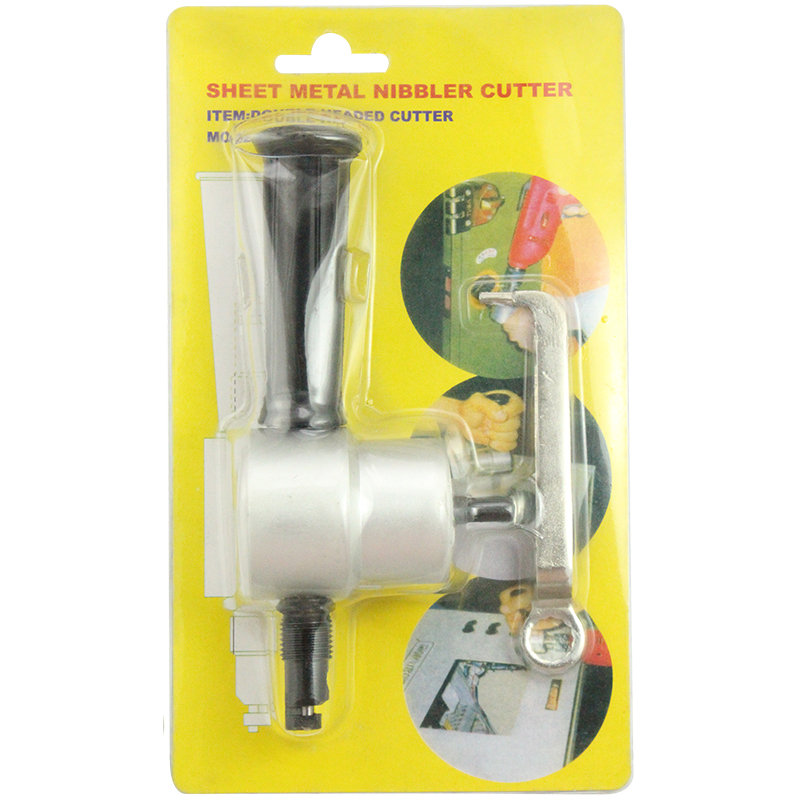
Corded Nibblers
Source wholesale corded nibblers directly from vetted manufacturers and suppliers. Designed for importers, distributors, and power tool brands seeking reliable OEM and private-label production, this catalog offers industrial-grade sheet metal cutting tools built to exact specifications.
Sourcing corded nibblers at scale requires balancing motor longevity with precision cutting components. The primary challenge for volume buyers lies in ensuring the punch and die assemblies can withstand continuous industrial use without premature wear, while the motor maintains consistent strokes per minute (SPM) under heavy load. When evaluating manufacturers, the focus must shift from external housing designs to the quality of internal metallurgy and motor construction.
Critical Specifications and Component Quality
The performance of a corded nibbler is dictated by its motor efficiency and the hardness of its cutting head. Factories in primary power tool hubs, such as Zhejiang and Jiangsu provinces, offer a wide spectrum of component qualities. Specifying the exact materials during the negotiation phase is essential to avoid cost-cutting substitutions.
| Component | Standard Duty | Heavy Industrial |
|---|---|---|
| Motor Winding | Copper-clad aluminum (CCA) | 100% High-temperature copper |
| Punch & Die Material | Standard carbon steel | High-Speed Steel (HSS) or Carbide |
| Gear Housing | Heavy-duty plastic | Die-cast aluminum |
| Cutting Capacity (Steel) | Up to 16-gauge (1.2mm) | Up to 8-gauge (3.2mm) |
The Cutting Head Assembly
The punch and die are the most frequently replaced consumables on a nibbler. High-quality manufacturers machine these components from High-Speed Steel (HSS) or Tungsten Carbide, ensuring clean cuts in corrugated iron, stainless steel, and aluminum without distorting the workpiece. When establishing your bill of materials (BOM), mandate specific Rockwell Hardness (HRC) ratings for these parts.
Need help verifying factory capabilities and component quality before placing a volume order?
Talk to our teamManufacturing Tolerances and Defect Prevention
A common failure point in imported corded nibblers is gear stripping or motor burnout due to poor heat dissipation. This often stems from inadequate assembly tolerances or substandard grease in the gearbox. Implementing rigorous Quality Control & Inspection protocols at the factory level is the only reliable way to catch these issues before shipment.
Key In-Line Inspection Points
- Die-cast housing inspection: Check for porosity or micro-cracks in the aluminum gearbox.
- Motor load testing: Run tools at maximum rated capacity to monitor temperature rise and SPM stability.
- Die alignment: Verify the clearance between the punch and die to prevent binding or jagged cuts.
- Electrical safety: Conduct high-voltage (dielectric) and ground continuity tests for CE/UL compliance.
Before committing to a new supplier, conducting comprehensive Factory Audits is highly recommended. This verifies whether the facility actually machines its own critical components or simply assembles off-the-shelf parts from sub-suppliers, which can severely impact batch-to-batch consistency.
Pricing, MOQs, and Lead Times
The power tool manufacturing sector operates on relatively standard production cycles, but costs fluctuate based on raw material prices (copper, steel, and aluminum) and the level of customization required.
When utilizing OEM/ODM Services for private labeling, factories will typically require the higher end of the MOQ spectrum to justify custom tooling for the external housing or specific color injections. Upgrading internal components (like specifying NSK bearings or thicker gauge power cords) will incrementally increase the unit price but drastically reduce RMA rates and protect your brand's reputation.
Streamline your power tool supply chain with expert negotiation and on-the-ground quality management.
Get a free consultationFrequently Asked Questions
Successfully sourcing corded nibblers requires looking past the outer casing to dictate the quality of the motor windings, gear machining, and metallurgy. By setting strict material specifications and enforcing them through active on-site inspection, you can secure industrial-grade tools that perform reliably in the field.
Get Sourcing Help for Corded Nibblers
Tell us your requirements and our experts will connect you with verified manufacturers.