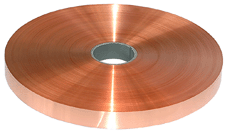
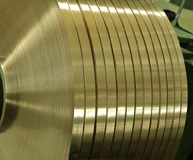
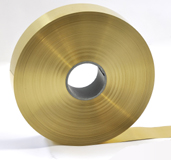
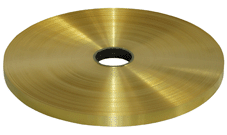
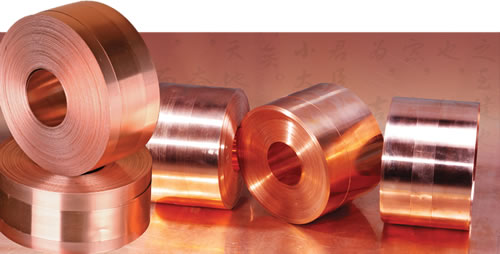
Copper Strips
Source high-quality wholesale Copper Strips from vetted manufacturers and suppliers. Designed for importers, distributors, and procurement managers, our network provides reliable bulk production, custom slitting, and OEM solutions tailored to your exact metallurgical and dimensional specifications.
Sourcing copper strips at scale requires precise alignment between your engineering requirements and the rolling mill's technical capabilities. Whether you are procuring oxygen-free copper for high-frequency electronics, electrolytic tough pitch (ETP) for electrical switchgear, or specialized tempers for architectural applications, minor deviations in thickness tolerances or edge conditioning can derail downstream stamping and forming processes. Success in bulk procurement relies on identifying factories with well-maintained cold-rolling equipment and rigorous metallurgical controls.
Critical Specifications for Bulk Procurement
When negotiating with manufacturers, vague specifications lead to rejected shipments. Copper strip orders must explicitly define the alloy grade, temper, dimensional tolerances, and edge conditions.
| Alloy Grade | Purity | Primary Application |
|---|---|---|
| C11000 (ETP) | 99.90 percent Cu | General electrical components, busbars, and roofing |
| C10100 / C10200 (OFC) | 99.99 percent Cu | High-end audio, vacuum electronics, and telecommunications |
| C12200 (DHP) | 99.90 percent Cu (Phosphorus deoxidized) | Construction, heat exchangers, and plumbing components |
Beyond the alloy, the temper (hardness) dictates the strip's formability. Common designations range from Soft (O) for maximum ductility to Hard (H04) and Spring (H08) for components requiring high rigidity. You must also specify the edge condition—slit edges are standard and cost-effective, but rolled, square, or fully rounded edges may be necessary to prevent stress fractures during rapid stamping.
Need to match a highly specific temper or tolerance? Let us identify a mill equipped for your exact requirements.
Talk to our teamManufacturing Variables and Quality Control
The transition from copper cathode to finished strip involves smelting, casting, hot rolling, and successive cold rolling passes. Quality is won or lost in the precision of the cold rolling and annealing phases. Outdated rolling mills struggle to maintain consistent thickness across the width of the strip (crown), which causes binding in automated stamping dies.
To mitigate these risks, thorough Factory Audits are essential before placing high-volume orders. You need to verify that the supplier utilizes modern X-ray or laser thickness gauges and operates controlled-atmosphere annealing furnaces to prevent surface oxidation.
Key Pre-Shipment Inspection Points
- Thickness and width tolerances using micrometers at multiple coil intervals.
- Camber measurement (edge straightness) to ensure it stays within acceptable limits per meter.
- Surface inspection for oxidation, roll marks, scratches, or oil residue.
- Edge condition verification to check for excessive burrs that could damage tooling.
- Mechanical testing for tensile strength, elongation, and grain size conformity.
Implementing rigorous Quality Control & Inspection prior to container loading ensures that out-of-spec coils are caught before they cross the ocean.
Pricing Structures, MOQs, and Lead Times
Copper strip pricing does not operate on fixed price lists. It is universally calculated using a two-part formula: the live London Metal Exchange (LME) copper price plus a fabrication fee (often called the "processing cost" or "conversion fee").
The fabrication fee covers the cost of rolling, annealing, slitting, and packaging. This fee varies based on the thickness of the strip (ultra-thin foils demand higher fees due to increased rolling time) and the required edge conditioning. When locking in an order, buyers typically fix the LME price on the day the deposit is paid, while the fabrication fee is negotiated in advance based on volume.
Struggling with volatile pricing or high MOQs? We can help you negotiate favorable fabrication fees and consolidate orders.
Get a free consultationFrequently Asked Questions
Successfully importing copper strips requires treating the procurement process as an extension of your engineering pipeline. By tightly controlling your specifications, understanding the LME pricing model, and enforcing strict pre-shipment tolerances, you can secure reliable material that keeps your production lines running smoothly. Proper Supply Chain Management ensures that your raw material flow remains predictable, even in volatile metals markets.
Get Sourcing Help for Copper Strips
Tell us your requirements and our experts will connect you with verified manufacturers.