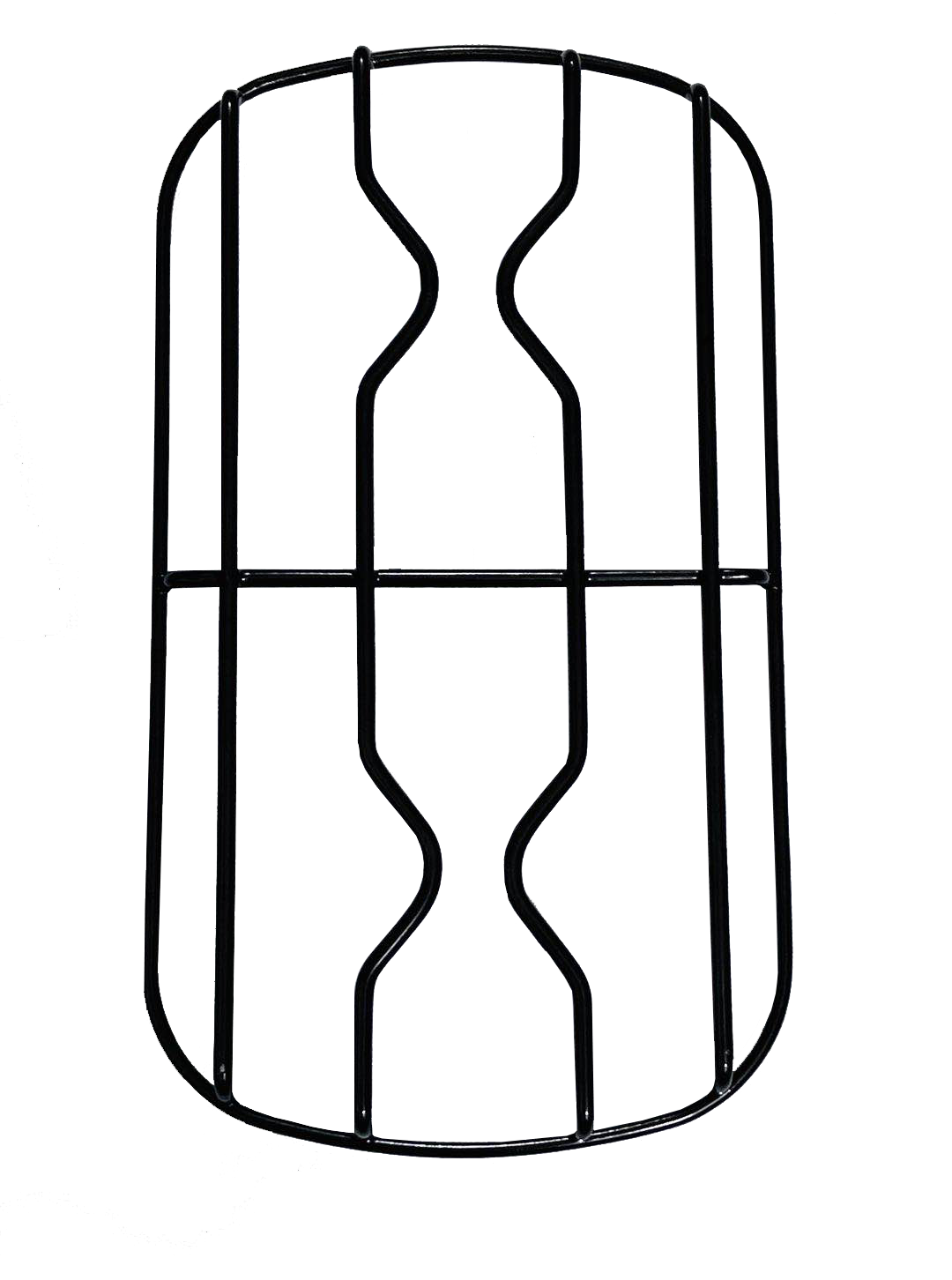
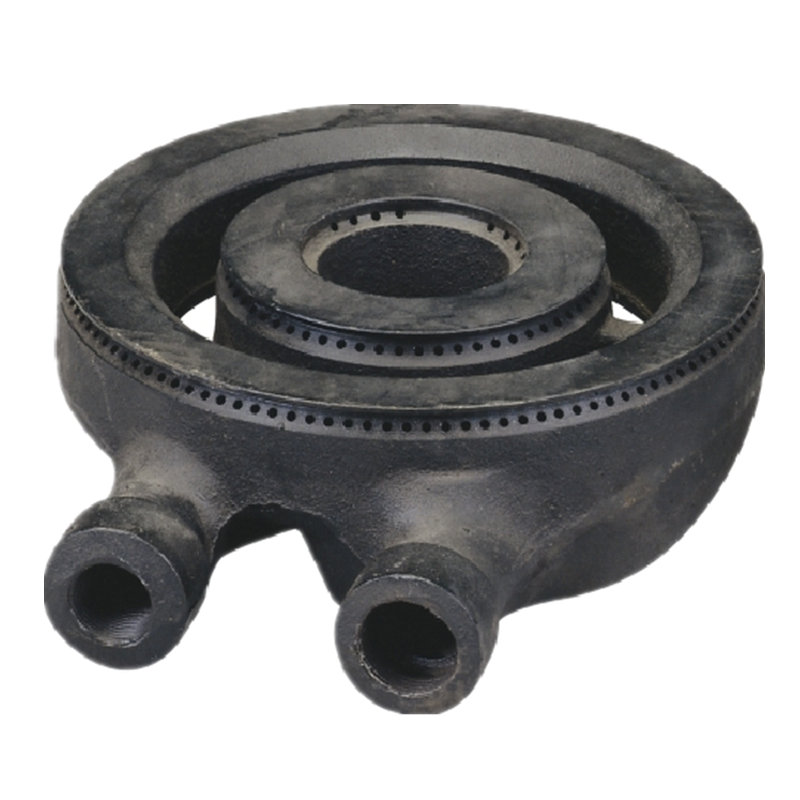
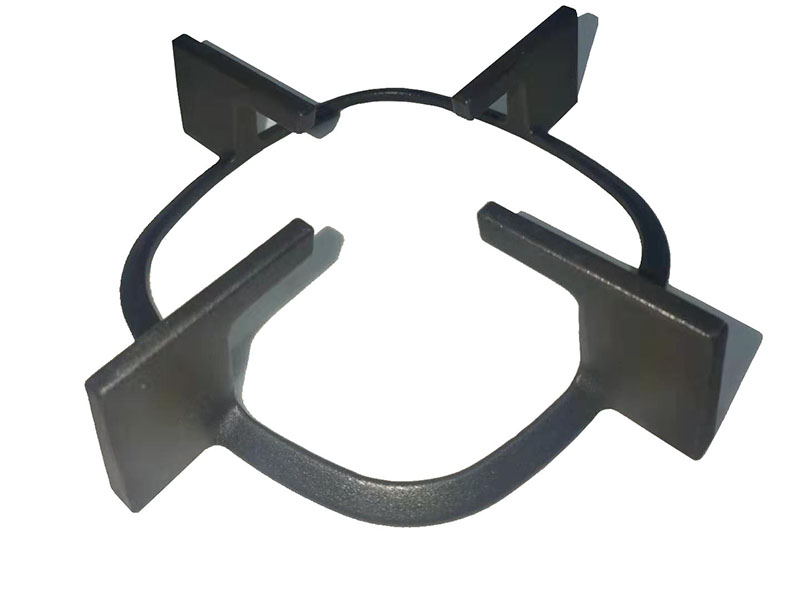
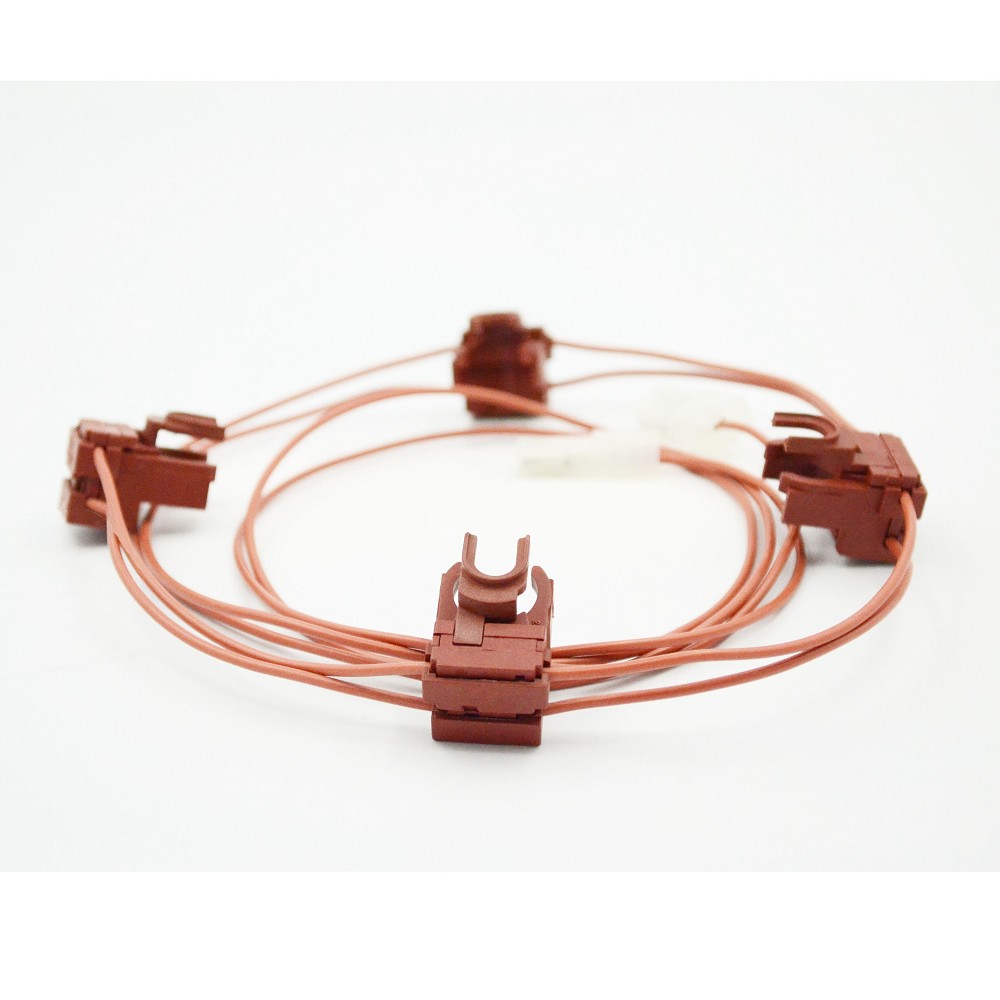
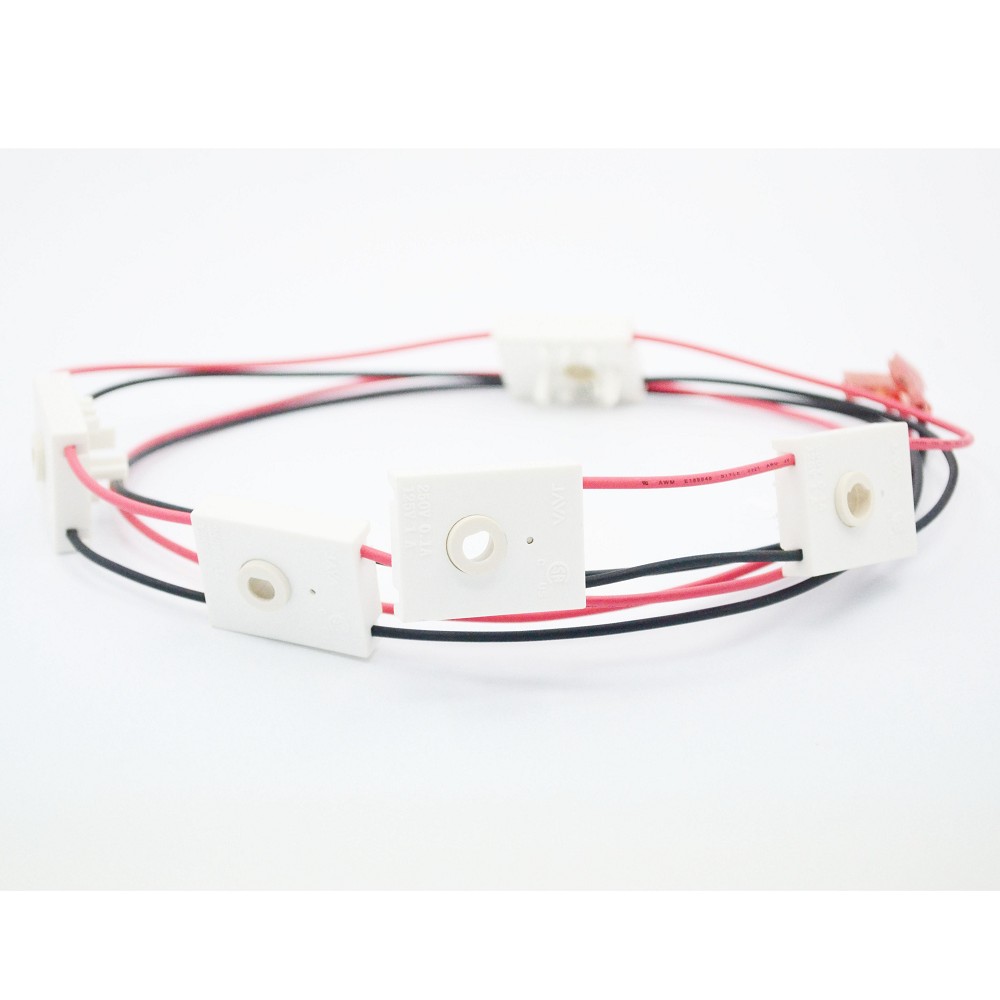
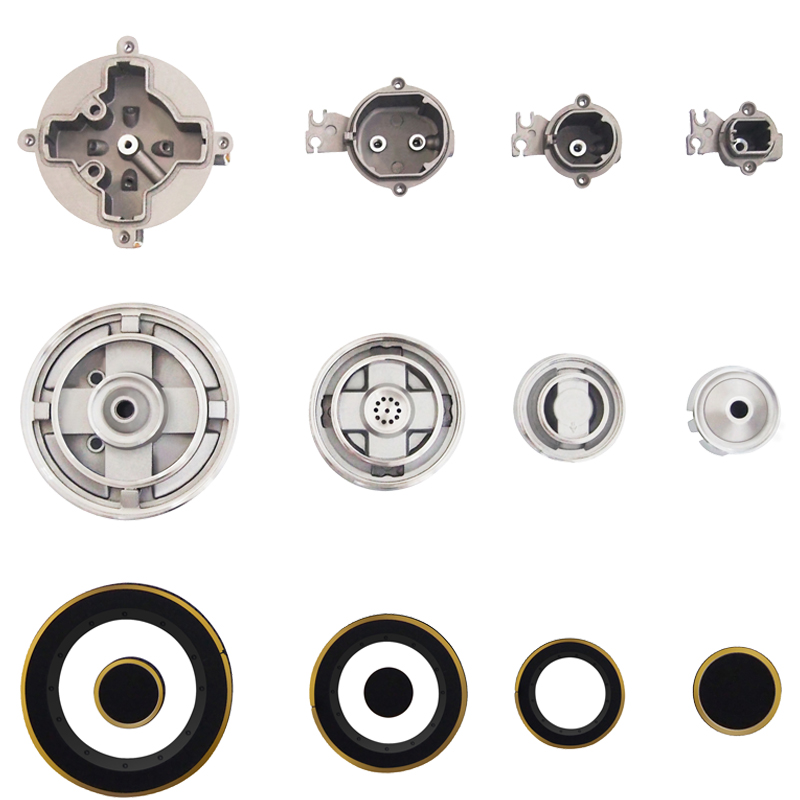
Cooktop Parts
Source high-quality cooktop parts from vetted suppliers and manufacturers across Asia. This catalog serves importers, appliance wholesalers, distributors, and brands requiring reliable bulk components for OEM or aftermarket applications. Explore our network for consistent quality and competitive pricing at scale.
Sourcing cooktop parts in volume—whether for OEM assembly lines or aftermarket distribution—requires strict attention to thermal tolerances, electrical safety, and material durability. The challenge lies not just in finding a factory capable of producing a brass burner or an induction coil, but in securing a supply chain that maintains dimensional accuracy and strict regulatory compliance across tens of thousands of units.
Critical Specifications and Material Selection
The component landscape for cooktops is sharply divided between gas and electric/induction systems, each demanding entirely different manufacturing competencies. Specifying the right materials upfront dictates the lifespan and safety of the final appliance.
| Component Type | Key Materials | Primary Engineering Focus |
|---|---|---|
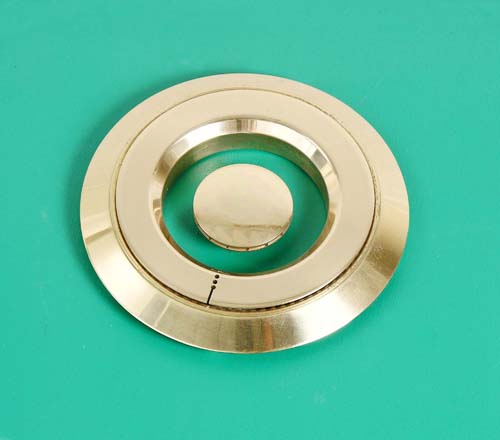
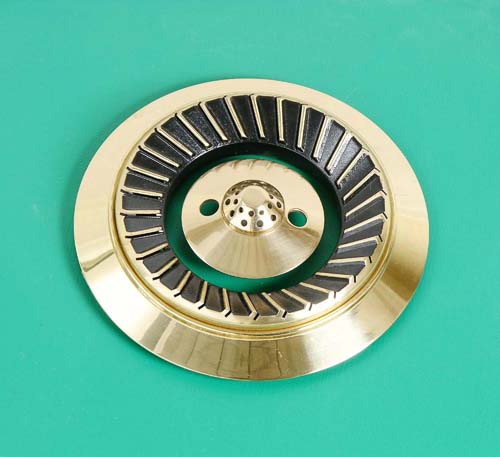
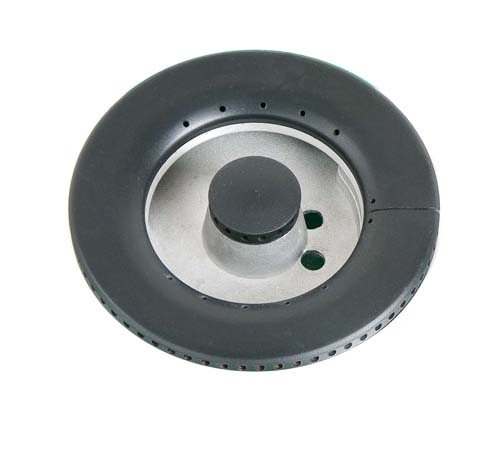
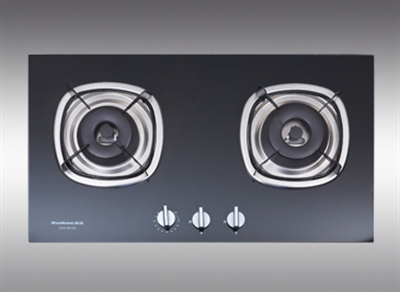
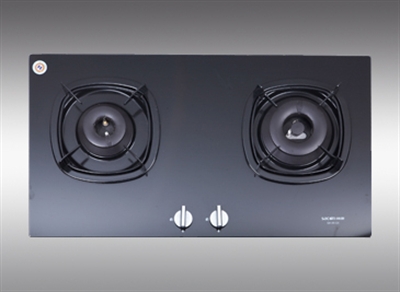
| Gas Burners & Valves | Forged brass, die-cast aluminum, pure copper | Machining tolerances, gas flow dynamics, flame stability |
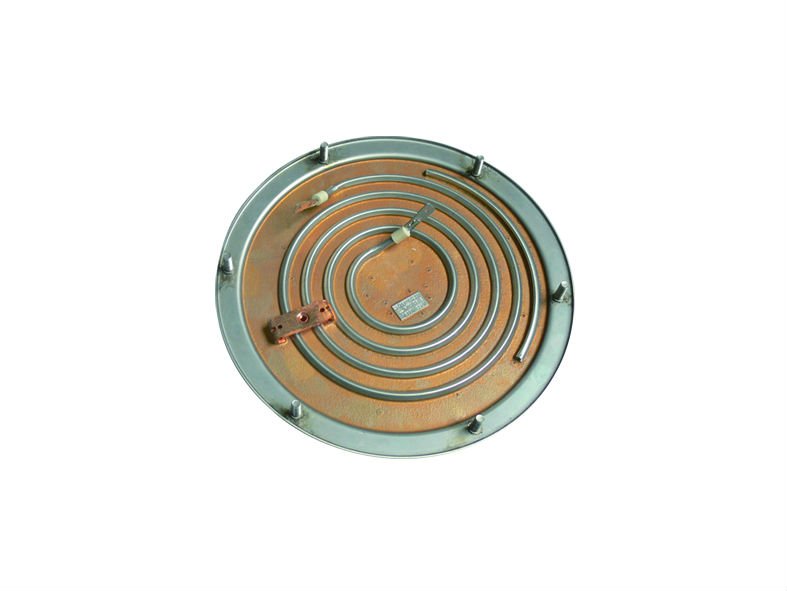
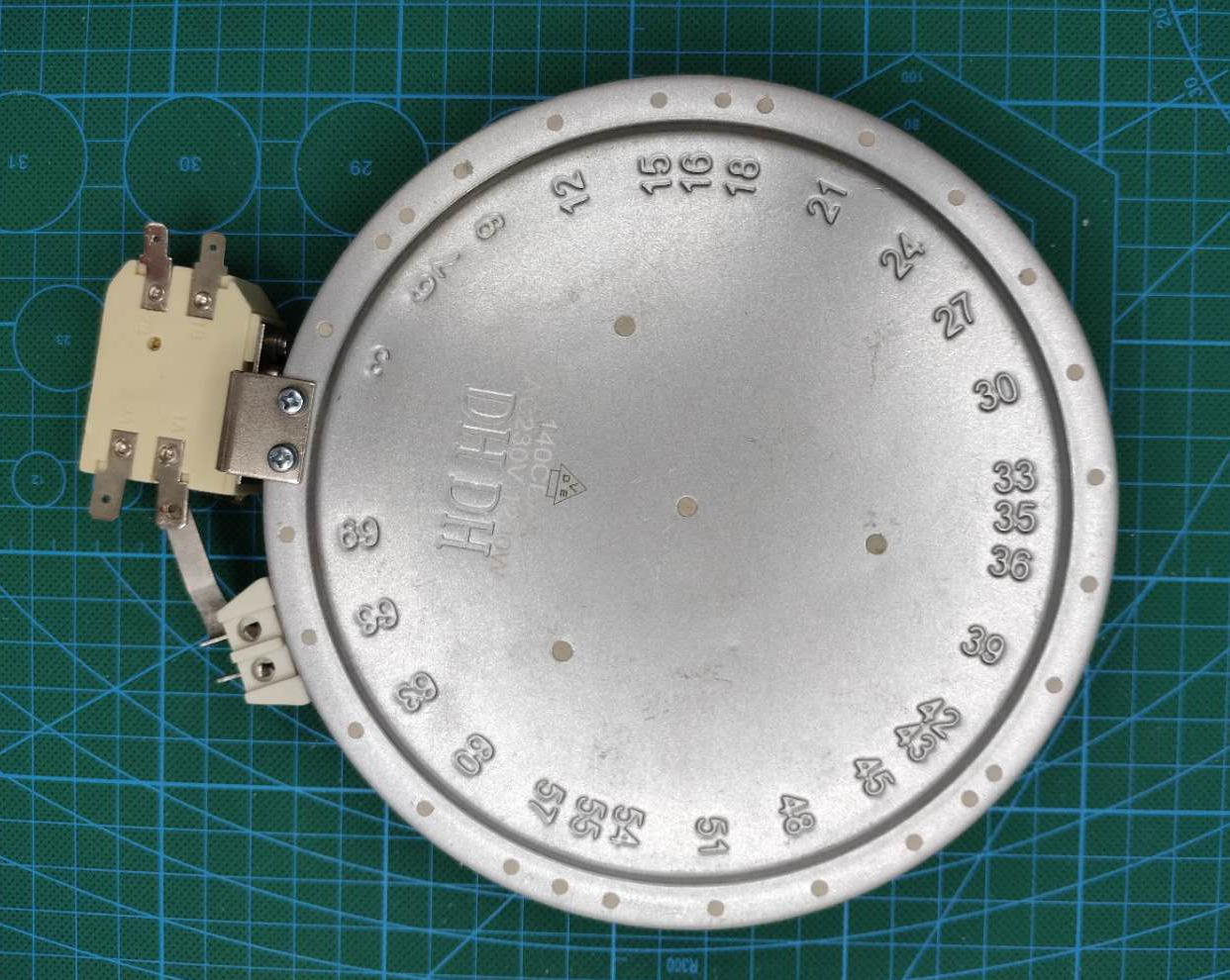
| Induction Coils | High-purity copper wire, ferrite cores | Magnetic field uniformity, thermal dissipation |
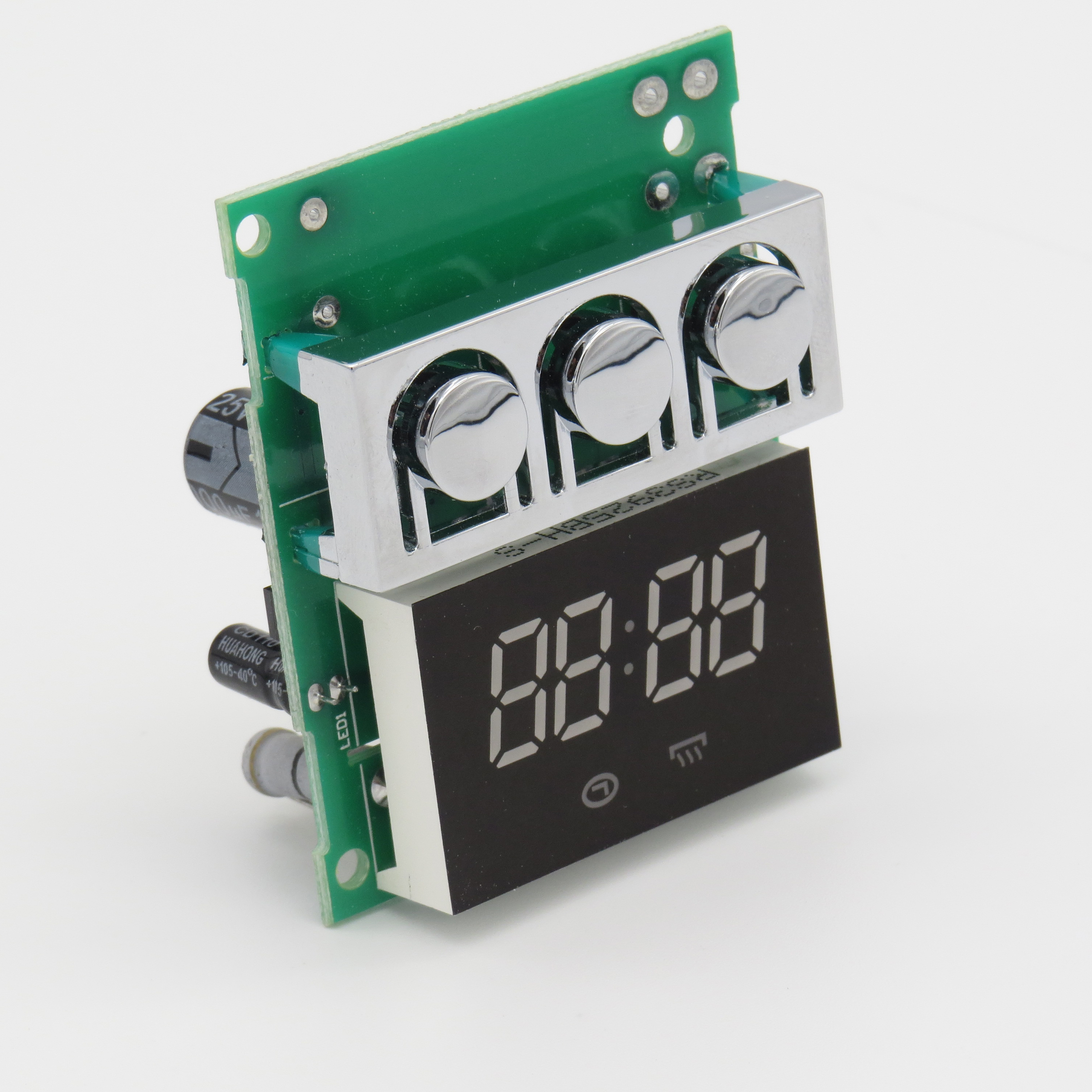
| Control Boards (PCBs) | FR-4 fiberglass, high-temp relays | Surge protection, touch-sensor sensitivity |
| Surface Glass | Tempered glass, ceramic glass | Thermal shock resistance, impact strength |
When sourcing gas valves and thermocouples, precision CNC machining is non-negotiable to prevent micro-leaks. For induction components, the purity of the copper and the quality of the IGBT (Insulated-Gate Bipolar Transistor) components dictate energy efficiency and longevity.
Need to match strict engineering tolerances for your component sourcing?
Talk to our teamManufacturing Tolerances and Quality Control
Quality is won or lost on the factory floor, long before components are packed for shipping. Because cooktop parts endure repeated thermal stress, minor manufacturing defects quickly escalate into total system failures or safety hazards.
Implementing robust Quality Control & Inspection protocols is essential. Relying solely on final random inspection is risky; in-line inspections are necessary to catch issues early.
Critical Factory-Floor Checks
- Porosity testing for die-cast aluminum burner bases to prevent gas leakage.
- Thermal shock testing for ceramic glass panels (must withstand rapid shifts up to 700 degrees Celsius).
- Aging tests for induction PCBs, running boards at maximum load for 24 to 48 hours to identify weak solder joints.
- Dimensional verification of gas nozzles and valves using coordinate measuring machines (CMM).
Furthermore, components must align with destination market regulations. Whether you need CE certification for Europe or UL recognition for North America, integrating Compliance & Testing into your sourcing timeline ensures your parts will not be held up at customs or rejected by assembly partners.
Supplier Verification and OEM Capabilities
The Chinese manufacturing base for cooktop parts is highly specialized. A factory producing world-class brass gas burners will not be the same facility winding induction coils. Gas component manufacturing is heavily rooted in metallurgy and machining, while induction and electric components are fundamentally electronics manufacturing.
Conducting thorough Factory Audits is the only way to verify a supplier's true capabilities. You must confirm that a prospective partner has the right in-house equipment—such as automated SMT lines for PCBs or high-tonnage die-casting machines for burner grates—rather than outsourcing critical steps to unverified sub-tier suppliers.
If you are developing proprietary components, leveraging OEM/ODM Services requires clear tooling agreements. Ensure you establish upfront who owns the molds for custom cast iron grates or stamped metal housings once production concludes.
Pricing, MOQs, and Lead Times
Procurement managers must balance tooling costs with unit pricing. Standard aftermarket parts generally offer lower minimum order quantities (MOQs), while custom OEM parts require significant tooling investment and higher volume commitments to amortize the setup costs.
Raw material fluctuations heavily impact pricing in this category. Copper prices directly dictate the cost of induction coils and brass burners, while aluminum commodities affect gas valves and burner bases. Locking in pricing for 3 to 6 months requires strategic negotiation and often larger volume commitments.
Looking to optimize your component costs without sacrificing safety standards?
Get a free consultationFrequently Asked Questions
Sourcing cooktop components at scale is an exercise in risk mitigation. Success requires looking past the quoted unit price to evaluate the factory's engineering precision, raw material sourcing, and internal quality management systems. A rigorous approach to supplier vetting and in-line inspection ultimately protects your assembly line and your brand's reputation.
Get Sourcing Help for Cooktop Parts
Tell us your requirements and our experts will connect you with verified manufacturers.