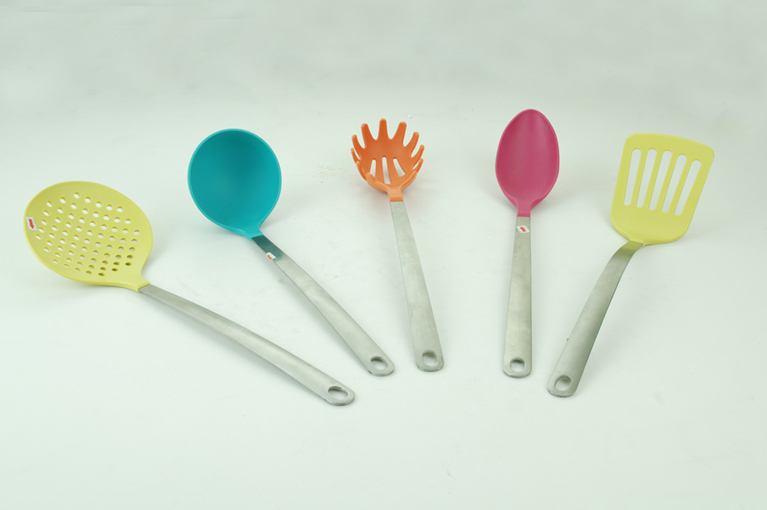
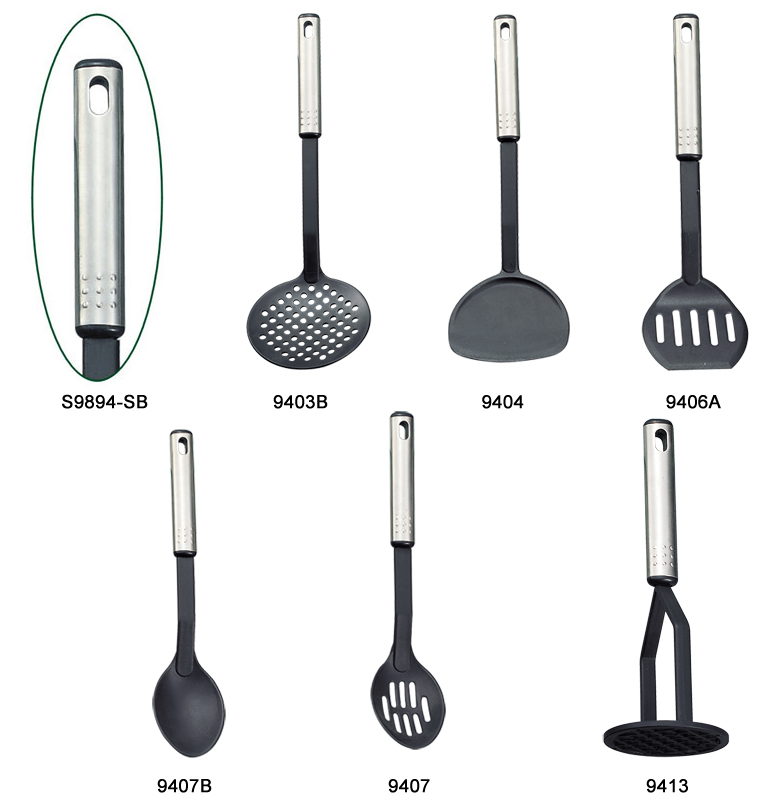
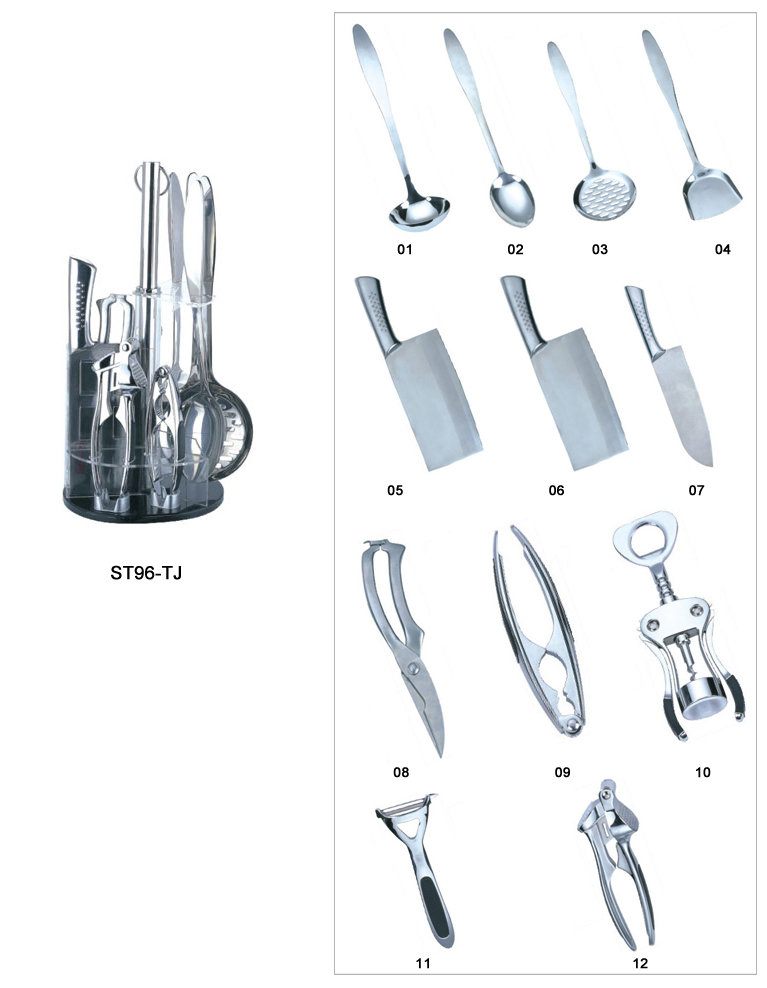
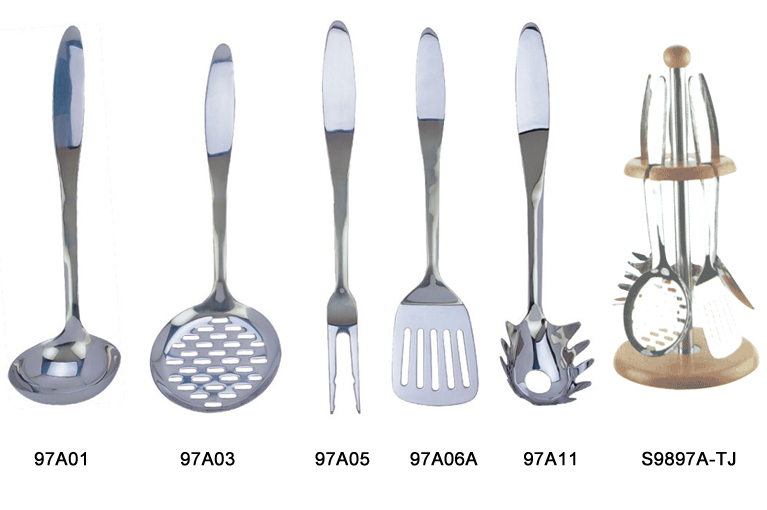
Cooking Tool Sets
Source high-quality cooking tool sets from vetted manufacturers and wholesale suppliers across Asia. Built for importers, distributors, and brands requiring reliable OEM and private-label production, these sets meet strict food-safety and durability standards for volume retail and commercial supply.
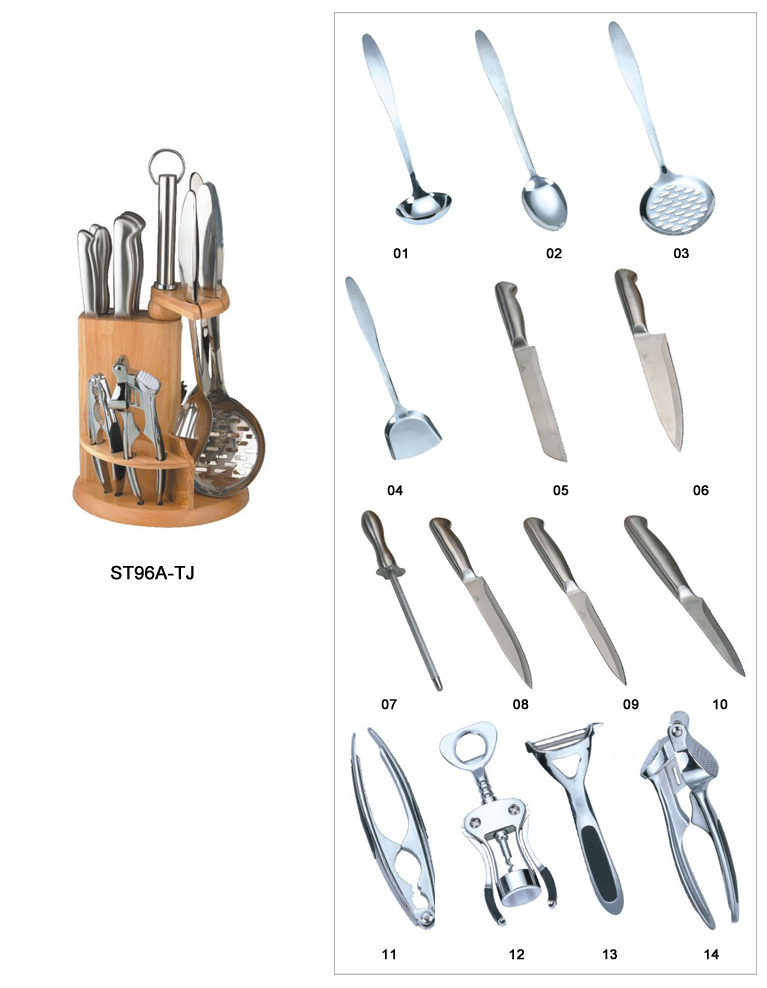
Sourcing multi-piece cooking tool sets at scale presents a unique quality control challenge: you are not just verifying a single item, but a collection of varying shapes, materials, and assembly methods packaged as one SKU. A single defective handle or non-compliant silicone head can render an entire 12-piece set unsellable. Success in this category requires strict material specification, rigorous joint testing, and a clear understanding of regional manufacturing strengths.
Material Specifications: The Core of Food-Grade Compliance
The primary value driver in cooking tool sets is the material composition of the utensil head and the handle. Buyers must specify exact grades rather than accepting generic terms like "silicone" or "stainless steel," as these dictate both heat resistance and regulatory compliance.
| Material Standard | Heat Resistance | Compliance Focus | Cost Profile |
|---|---|---|---|
| FDA-Grade Silicone | Up to 230°C (446°F) | US Market (FDA 21 CFR) | Standard |
| LFGB-Grade Silicone | Up to 250°C (482°F) | EU Market (BfR/LFGB) | Premium (Requires platinum curing) |
| Food-Grade Nylon | Up to 200°C (392°F) | General FDA/CE | Economical |
| 304 Stainless Steel | High (Direct Flame) | Universal | High (Corrosion resistant) |
When sourcing silicone sets for the European market, LFGB compliance is non-negotiable. LFGB testing is far more stringent than FDA standards, particularly regarding the extraction of volatile organic compounds (VOCs). If a supplier quotes an unusually low price for an LFGB-certified set, they are likely substituting standard peroxide-cured silicone instead of the required platinum-cured silicone. Engaging in independent Compliance & Testing before mass production is the only reliable way to verify material purity.
Need help verifying supplier material certifications and food-grade compliance?
Talk to our teamManufacturing and Assembly Vulnerabilities
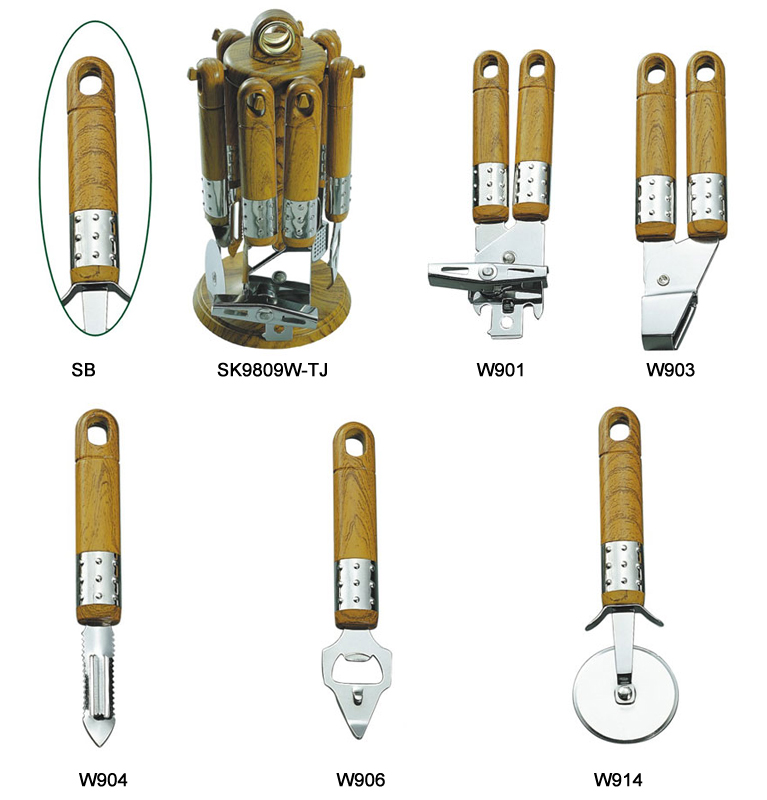
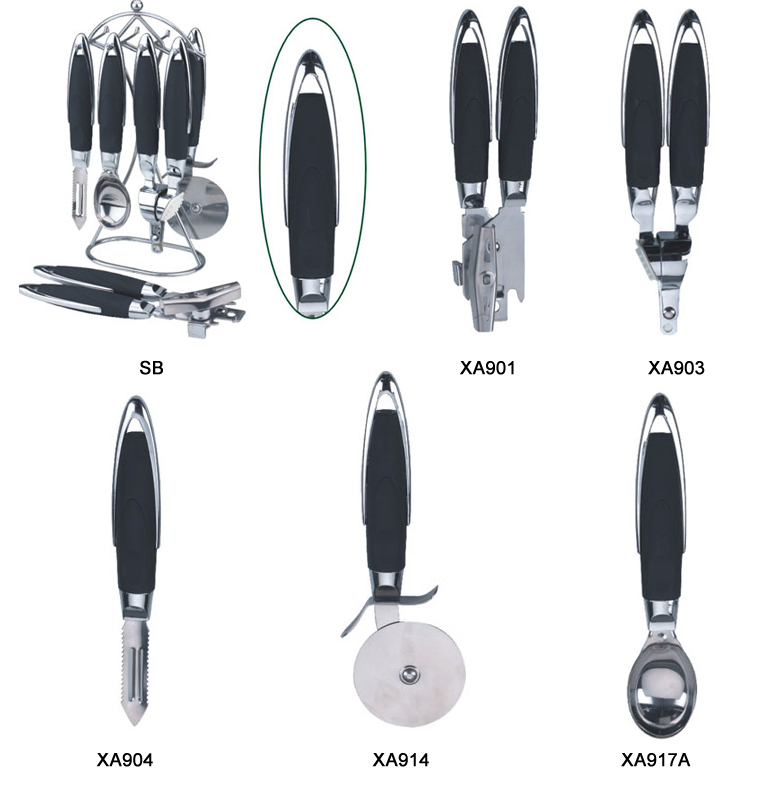
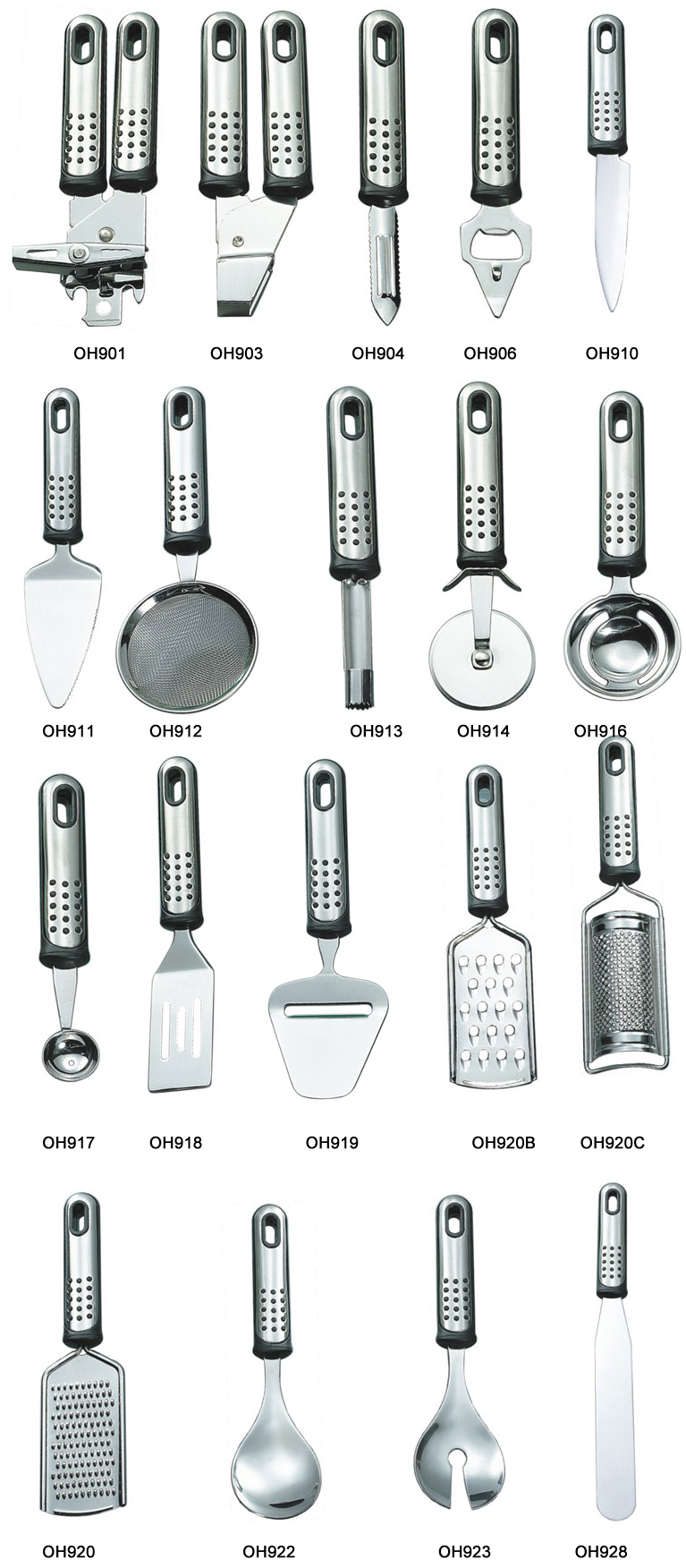
The most common point of failure in a cooking tool set is the connection between the functional head and the handle. Whether the handle is wood, stainless steel, or TPR (Thermoplastic Rubber), the assembly method determines the set's lifespan and hygiene rating.
Critical Inspection Points for Utensil Assembly
- Pull Test: Heads must withstand a minimum pull force (typically 10kgf to 15kgf) without detaching from the handle.
- Water Ingress: Joints must be fully sealed to prevent dishwater from pooling inside hollow stainless steel handles or rotting wooden handles.
- Insert Molding Tolerances: For one-piece silicone designs with nylon or steel cores, the core must be perfectly centered to prevent the silicone from tearing at thin spots.
- Surface Finish: Stainless steel components must be properly tumbled and deburred to eliminate sharp edges on stamped parts.
To ensure these standards are met, buyers should insist on rigorous Quality Control & Inspection protocols, including in-line checks before the handles are permanently affixed to the utensil heads. Discovering a loose joint after the sets are already packed in retail gift boxes results in costly rework.
Sourcing Economics: MOQs, Tooling, and Lead Times
Most cooking tool sets are produced in Guangdong Province (specifically Yangjiang, the hub for metal and silicone kitchenware) or Zhejiang Province.
If you are buying off-the-shelf designs with custom packaging, MOQs are generally manageable. However, if you are developing custom shapes or proprietary handle ergonomics through OEM/ODM Services, you will need to account for injection mold tooling costs for each individual piece in the set.
Packaging significantly impacts the final FOB price. A 12-piece set packed in a simple polybag and corrugated mailer will cost substantially less than the same set arranged in a vacuum-formed PET tray inside a full-color retail display box.
Ready to optimize your kitchenware supply chain and negotiate better bulk pricing?
Get a free consultationFrequently Asked Questions
Managing the procurement of cooking tool sets requires balancing material science with strict assembly oversight. By defining exact food-grade standards upfront and implementing rigorous pull and ingress testing during production, buyers can eliminate the most common quality failures before the goods ever leave the factory floor.
Get Sourcing Help for Cooking Tool Sets
Tell us your requirements and our experts will connect you with verified manufacturers.