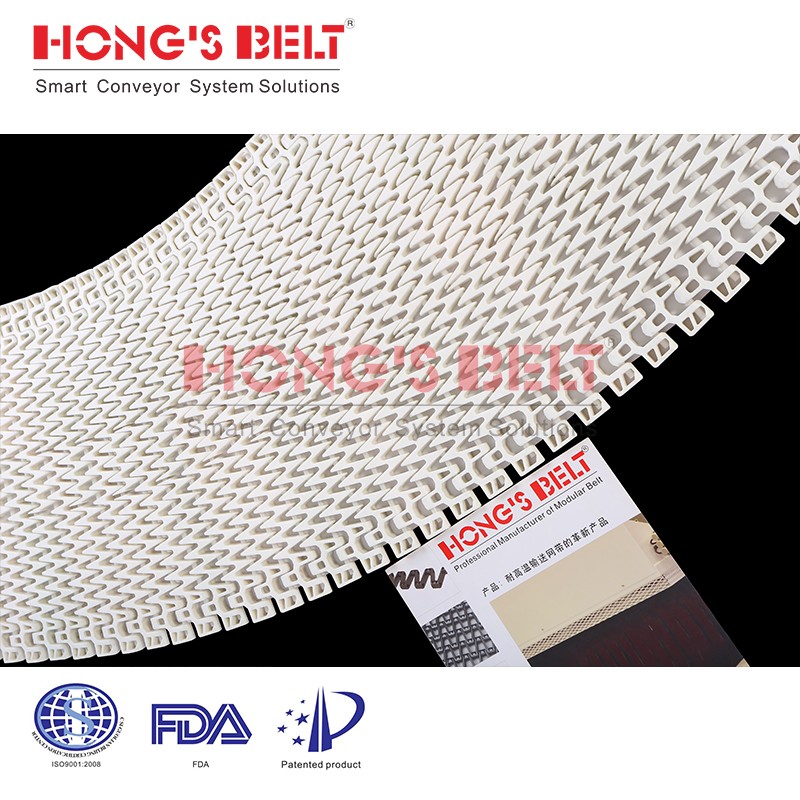
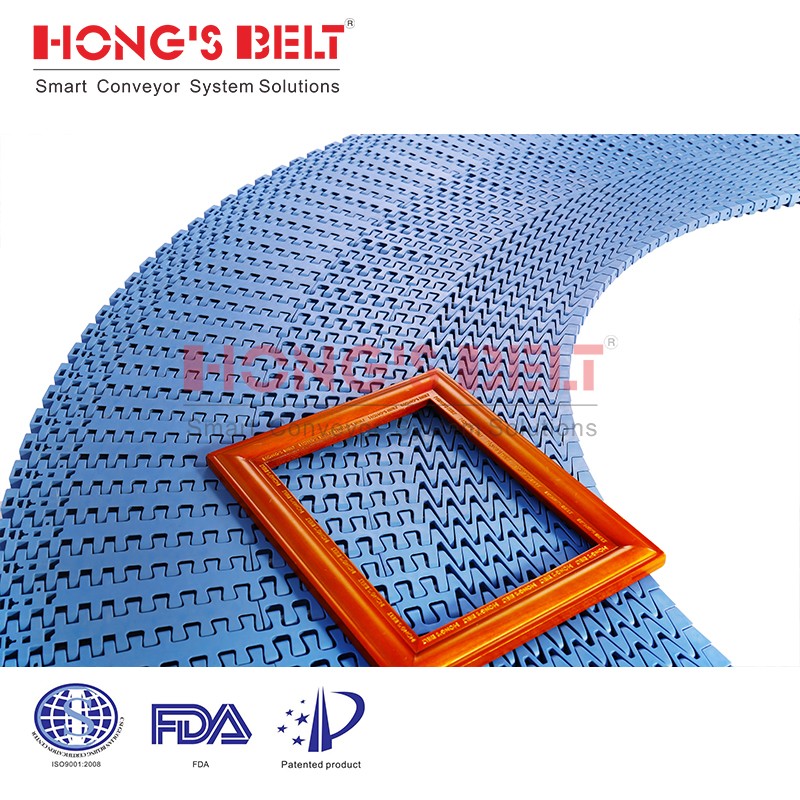
Conveying Equipment
Source industrial-grade conveying equipment from vetted manufacturers and wholesale suppliers. Built for importers, distributors, and brands requiring reliable bulk supply or OEM/ODM production. Secure factory-direct pricing on robust material handling machinery designed for demanding operational environments.
Sourcing conveying equipment at scale requires balancing load capacity, continuous duty cycles, and integration compatibility. Whether you are provisioning a new logistics hub or supplying industrial distributors, the primary challenge lies in validating the manufacturer's engineering tolerances and component sourcing—particularly motors, gearboxes, and control systems.
Critical Specifications for Industrial Conveyors
When negotiating with manufacturers, vague specifications lead to undersized motors and premature frame fatigue. You must define the operational envelope clearly to ensure the factory builds to your actual requirements.
- Load Capacity & Distribution: Specify maximum load per linear meter (kg/m) and peak point loads.
- Drive Systems: Specify the motor brand (e.g., SEW-Eurodrive, Siemens, or domestic equivalents) and IP rating. IP55 is standard for indoor environments; IP65 or higher is required for washdown or heavy dust environments.
- Speed & Control: Define whether you need fixed speed or a Variable Frequency Drive (VFD). VFDs allow integration into automated lines but require higher-tier electrical enclosures.
| Conveyor Type | Ideal Application | Critical Spec to Define |
|---|---|---|
| Belt Conveyors | Bulk material, uneven items | Belt ply thickness, tensile strength |
| Roller Conveyors | Heavy pallets, rigid containers | Roller wall thickness, bearing type |
| Chain Conveyors | High-temperature, heavy-duty | Chain pitch, sprocket hardening |
Manufacturing Tolerances and Quality Control
A conveyor is only as reliable as its frame alignment and drive train. Misaligned frames cause belt tracking issues, leading to rapid wear, motor burnout, and operational downtime.
Verifying a supplier's welding and assembly standards is critical. This is where professional Factory Audits separate basic assemblers from true engineering manufacturers. You need to know if the factory has the capability to laser-cut frames and perfectly align drive shafts.
Pre-Shipment Inspection Focus Areas
- Run-out testing: Verify belt tracking at maximum rated speed for at least 2 hours.
- Motor temperature rise: Ensure thermal limits are not exceeded under full load.
- Weld integrity: Inspect structural cross-members for continuous, slag-free welds.
- Control panel compliance: Verify CE/UL marking on internal electrical components.
Need boots on the ground to verify equipment before it ships? Our engineers can run full-load testing at the factory to ensure your specifications are met.
Talk to our teamCustomization and OEM/ODM Production
Distributors and system integrators often require modifications to standard factory models. When engaging OEM/ODM Services, define the modularity of the system early. Can the side guides be adjusted? Are the support legs compatible with standard leveling feet? Standardizing mounting points across your product line reduces spare parts inventory and simplifies installation for the end user.
Pricing Drivers, MOQs, and Lead Times
Conveying equipment pricing is highly dependent on steel commodity prices, belt material (e.g., PVC vs. modular PU), and the origin of the drive components.
Shipping Considerations
Conveyors are high-volume, low-density cargo. To optimize freight costs, specify that frames must be modular and shipped knocked-down (KD) rather than fully assembled.
Coordinating the production of complex systems and managing the subsequent freight requires tight Supply Chain Management to prevent project delays and control landed costs.
Looking to optimize your landed costs? Let us negotiate pricing, manage production schedules, and handle freight for your machinery orders.
Get a free consultationFrequently Asked Questions
When sourcing conveying equipment, the upfront unit cost is just one variable. Total cost of ownership is dictated by motor longevity, frame rigidity, and the availability of wear parts. Aligning with a manufacturer who understands industrial tolerances ensures your equipment performs reliably for years to come.
Get Sourcing Help for Conveying Equipment
Tell us your requirements and our experts will connect you with verified manufacturers.