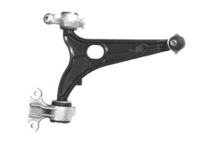
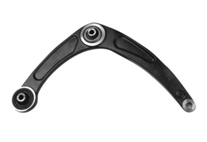
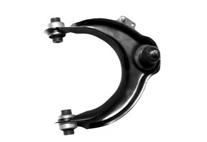
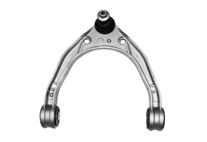
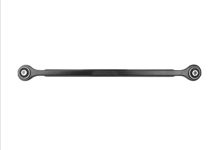
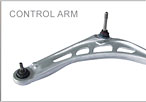
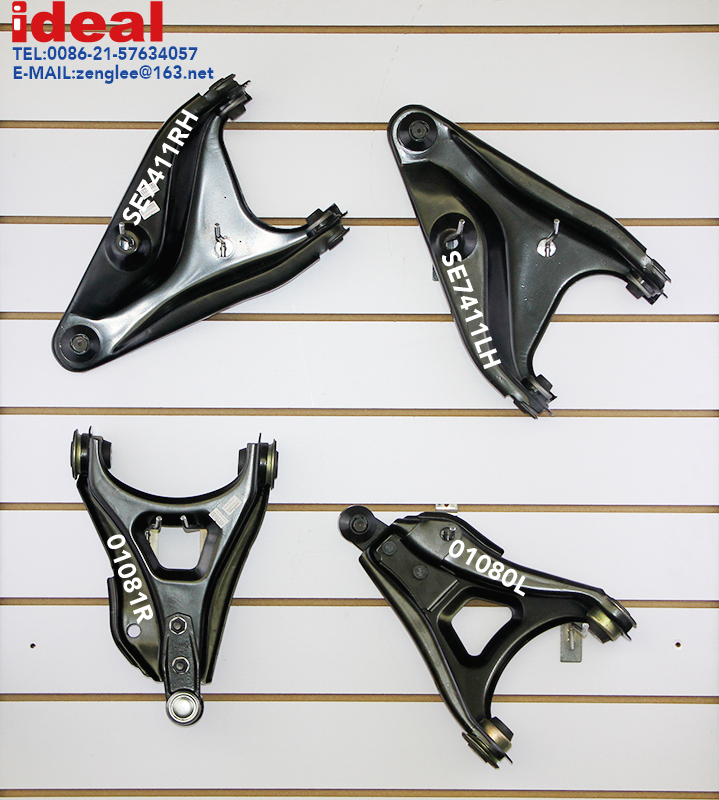
Control Arms
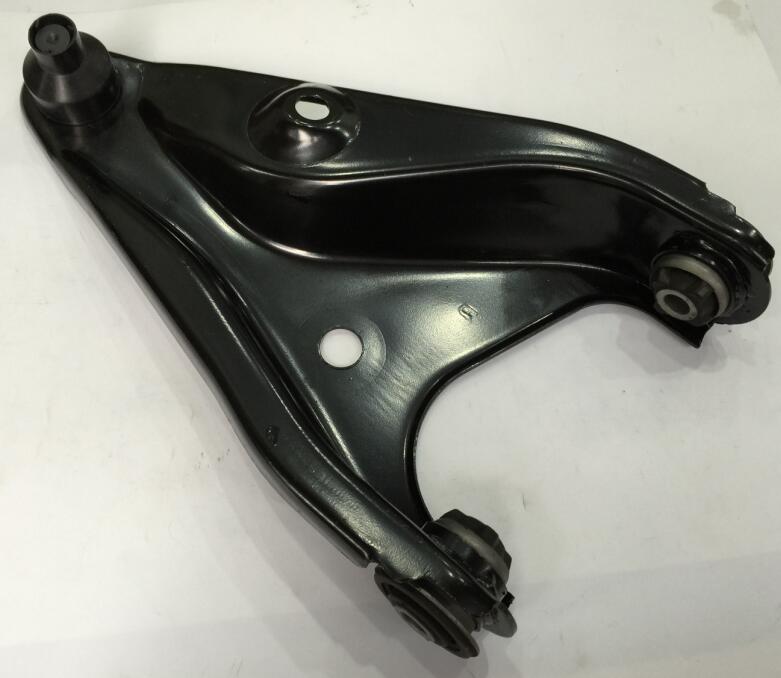
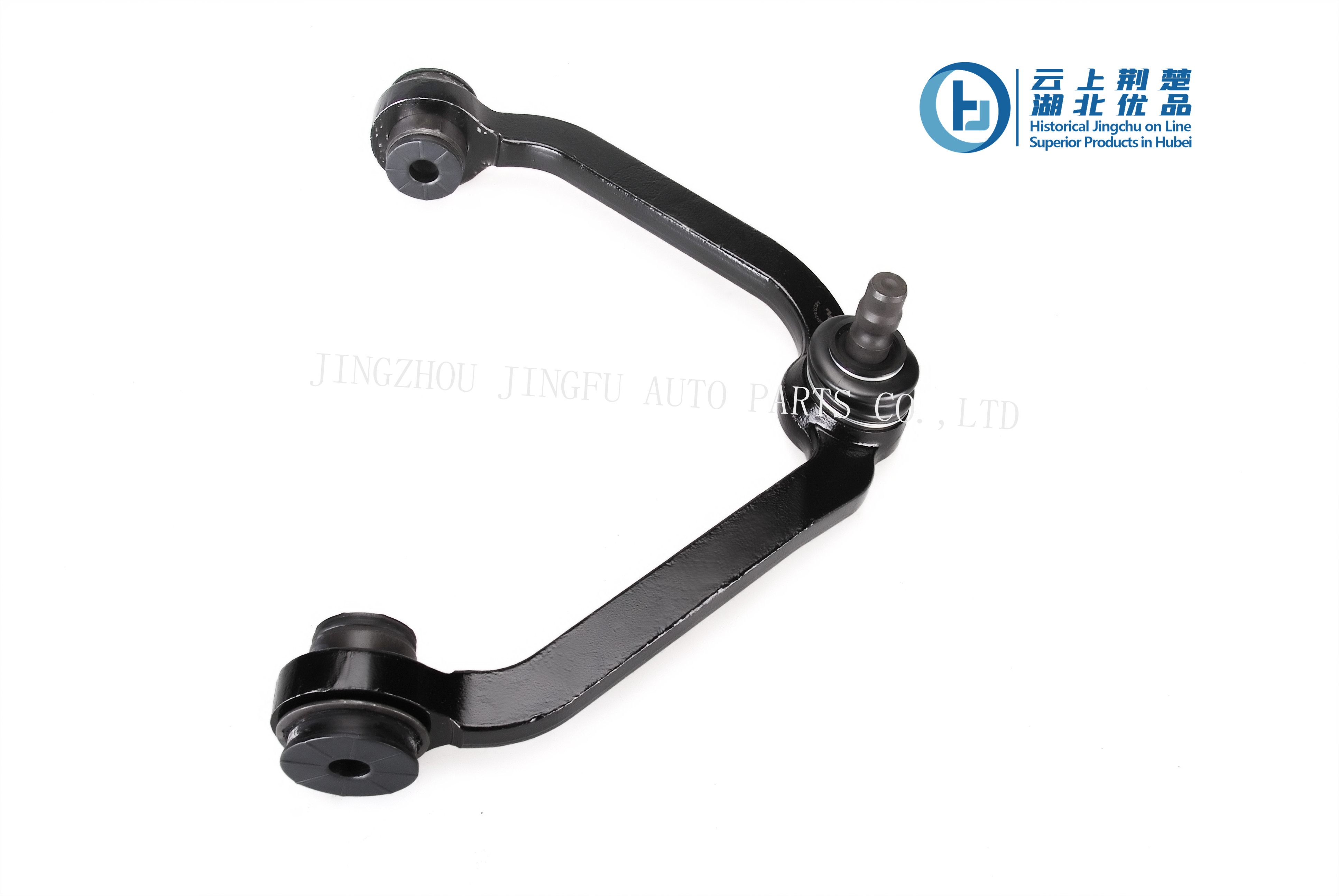
Source premium control arms from vetted suppliers and manufacturers in China and across Asia. Designed for automotive parts importers, national wholesalers, and aftermarket brands requiring reliable OEM and private-label production, our network delivers precision-engineered suspension components built to exact dimensional and metallurgical standards.
Sourcing control arms at scale requires balancing material strength with precise dimensional tolerances. Because these components bear the brunt of a vehicle's suspension geometry and dynamic loads, even a millimeter of deviation or a poorly cured rubber bushing can lead to premature failure, uneven tire wear, and significant warranty liabilities. For bulk buyers and aftermarket brands, securing a reliable manufacturing partner is critical to maintaining quality across hundreds of different SKUs.
Material Specifications and Manufacturing Processes
The choice of material dictates the manufacturing process, tooling costs, and the ultimate performance of the control arm. Factories typically specialize in one or two of these processes, meaning your supplier selection must align with your target vehicle applications.
| Material Type | Manufacturing Process | Key Sourcing Consideration |
|---|---|---|
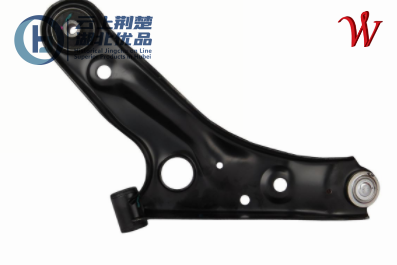
| Stamped Steel | Cold or hot stamping, robotic MIG welding | Weld penetration consistency and e-coating thickness for corrosion resistance. |
| Cast Iron / Ductile Iron | Sand casting or die casting, CNC machining | Porosity control during casting and precision of the machined ball joint housing. |
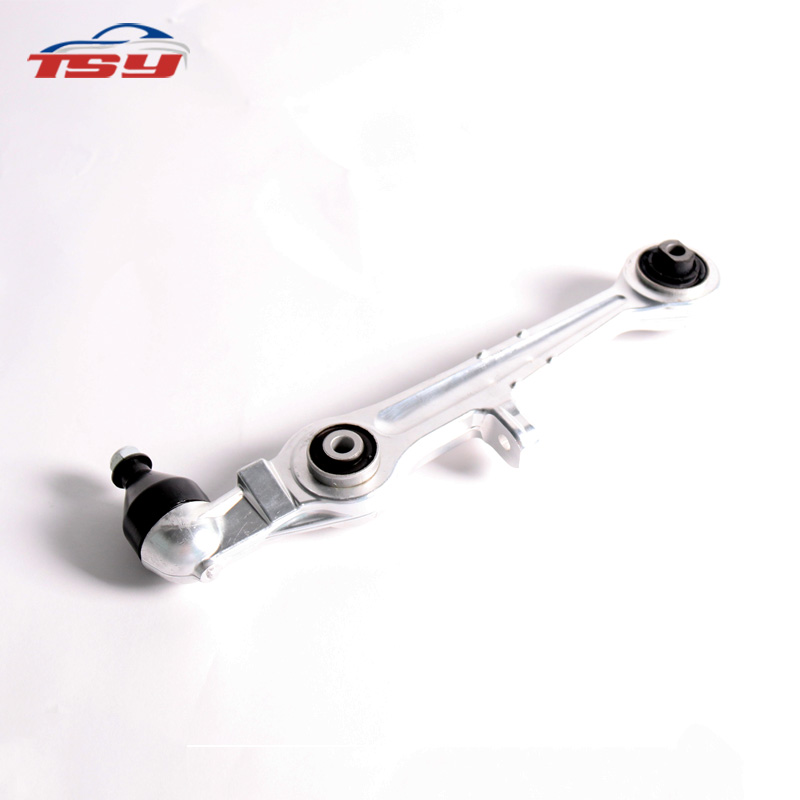
| Forged Aluminum | Hot forging, T6 heat treatment, CNC machining | Strict temperature control during forging to prevent micro-fractures and ensure tensile strength. |
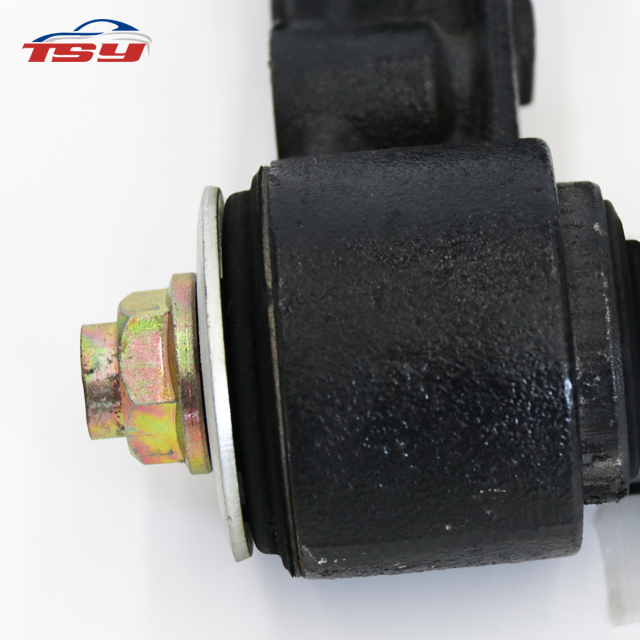
Beyond the main body, the quality of a control arm heavily depends on its pre-installed components. Bushings must use high-grade natural rubber or polyurethane with specific durometer ratings to absorb NVH (noise, vibration, and harshness) without tearing under extreme articulation. Ball joints require hardened steel studs, highly polished spherical bearings, and durable dust boots (typically CR or EPDM rubber) to prevent premature wear.
Managing complex automotive suspension production requires rigorous oversight. Let Merhein handle supplier vetting, technical negotiations, and production monitoring.
Talk to our teamQuality Control and Performance Testing
In the automotive aftermarket, visual inspections are insufficient. Reliable Quality Control & Inspection must involve destructive and non-destructive testing to verify structural integrity and performance under load.
When evaluating a factory's QC capabilities, ensure they perform the following tests:
Critical Factory-Level QC Checks
- Bushing Push-Out/Pull-Out Force: Verifies the interference fit between the bushing shell and the control arm eyelet.
- Ball Joint Rotational and Breakaway Torque: Ensures the joint moves smoothly without excessive play or binding.
- Weld Penetration Analysis: Ultrasonic testing or cross-sectioning of stamped steel arms to confirm weld depth.
- Salt Spray Testing: Minimum 72 to 120 hours to validate the e-coating or powder-coating durability.
- Dimensional CMM Inspection: Verifying mounting hole distances and angles match OEM specifications exactly.
OEM/ODM Development and Tooling
For brands developing specialized components—such as adjustable upper control arms for lifted trucks or heavy-duty track-day arms—partnering with a factory capable of OEM/ODM Services is essential.
Custom development requires creating new tooling (stamping dies, casting molds, or forging dies). Buyers must provide OEM samples, 3D CAD files, or detailed 2D drawings. A capable manufacturer will run FEA (Finite Element Analysis) to identify potential stress concentrations before cutting steel for the molds. Always clarify tooling ownership and lifespan (e.g., guaranteed for 50,000 shots) in your manufacturing agreement.
Buying Mechanics: MOQs, Lead Times, and Pricing
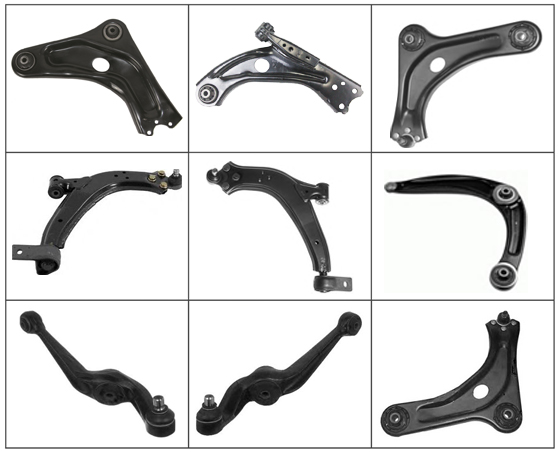
The aftermarket control arm supply chain is characterized by high SKU counts and relatively low volumes per SKU. Factories manage this by grouping production runs of similar designs.
Pricing is highly sensitive to raw material indices (steel and aluminum), but the hidden cost drivers are often found in the sub-components. Upgrading to a premium synthetic grease in the ball joint or specifying a higher-grade natural rubber for the bushings will increase the unit cost slightly but drastically reduce warranty return rates.
Need to consolidate hundreds of SKUs from multiple factories into a single shipment? We optimize complex auto parts supply chains for global distributors.
Get a free consultationFrequently Asked Questions
Successfully sourcing control arms means looking past unit price and focusing on metallurgical integrity, precision machining, and strict quality control. By partnering with manufacturers that utilize robust testing protocols and advanced production techniques, you can build a highly profitable, low-return suspension catalog.
Get Sourcing Help for Control Arms
Tell us your requirements and our experts will connect you with verified manufacturers.