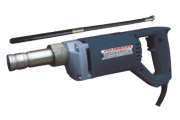
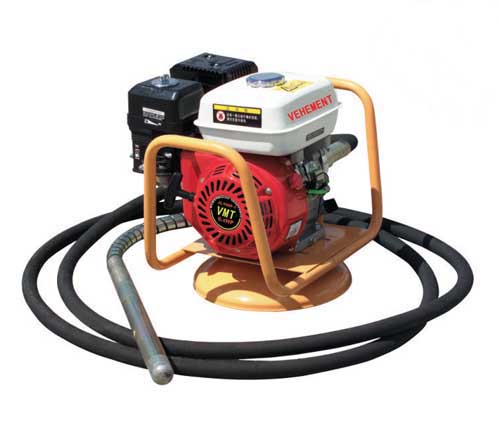
Concrete Vibrators
Source professional-grade Concrete Vibrators directly from vetted manufacturers and suppliers in China. Designed for heavy-duty construction importers, wholesalers, and brands seeking reliable OEM or private-label production. Secure bulk orders with consistent quality and competitive wholesale pricing.
Sourcing concrete vibrators at volume requires a strict focus on component durability and continuous-run reliability. On a construction site, a vibrator failing mid-pour compromises the structural integrity of the concrete and halts the entire operation. For importers and distributors, the primary challenge is identifying manufacturers who maintain strict tolerances on bearings, motor windings, and shaft sealing, rather than those competing solely on unit cost.
Critical Specifications for Bulk Procurement
When specifying concrete vibrators for your catalog, the relationship between head diameter, frequency, and amplitude determines the tool's radius of action and compaction efficiency. You must align these specs with your target market's primary applications, from residential slabs to heavy civil engineering.
Motor and Power Unit Variations
The drive unit dictates the lifespan of the tool. Ensure your supplier provides accurate specifications for:
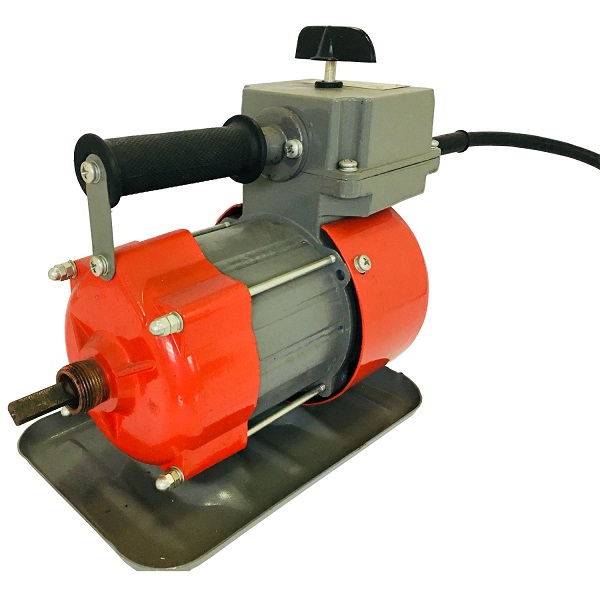
- Electric Universal Motors: Commonly 1.1kW to 2.3kW. You must specify the voltage (110V/220V) and frequency (50Hz/60Hz) strict to your import region.
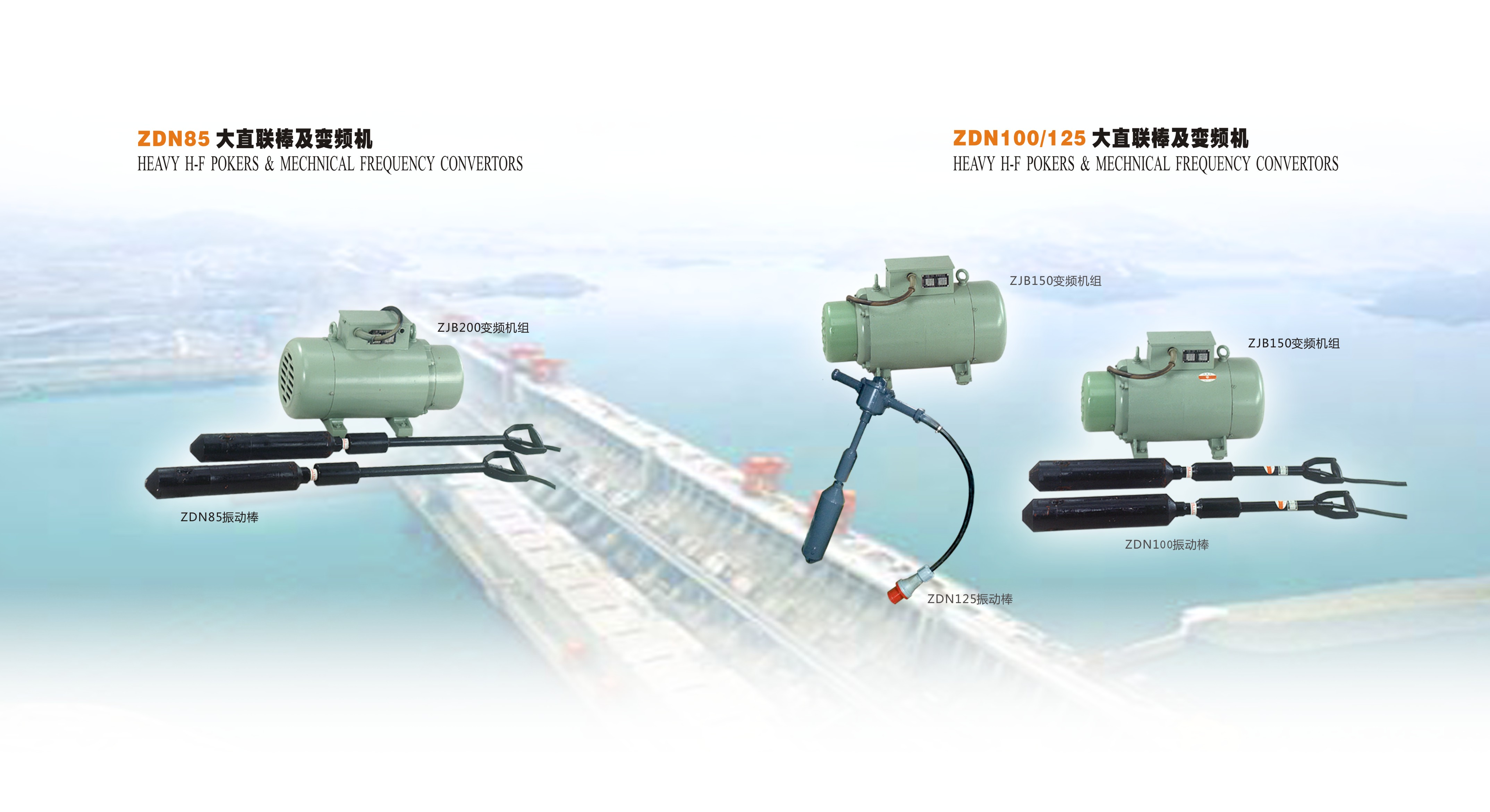
- High-Frequency Systems: Motors located directly inside the vibrator head (requiring an external or integrated inverter). These operate at 12,000 VPM and require premium thermal management.
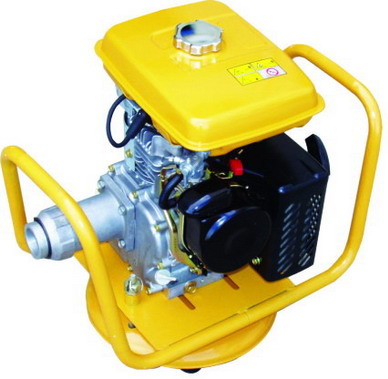
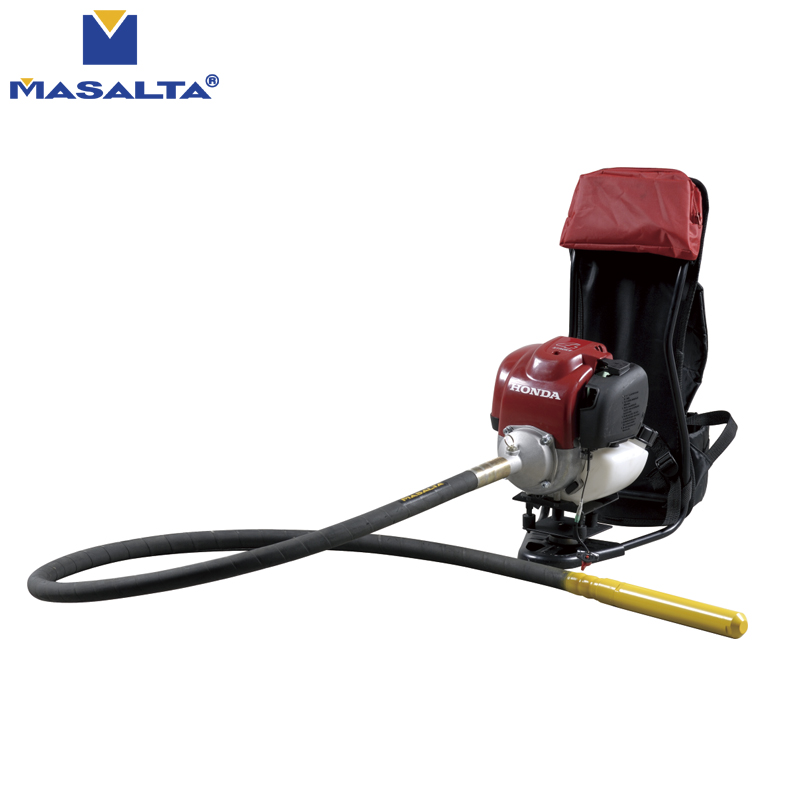
- Pneumatic & Engine-Driven: For sites without reliable electricity, utilizing compressed air or standard gasoline engines (e.g., Honda GX series or reliable domestic equivalents).
Where Quality is Won or Lost on the Factory Floor
The difference between a vibrator that lasts years and one that burns out in a week lies in the hidden bill of materials (BOM). Many suppliers will substitute cheaper internal components to hit a lower price point unless strictly monitored.
| Component | Standard / Low-Cost Tier | Professional Grade |
|---|---|---|
| Motor Windings | Copper-clad aluminum (CCA) | 100% pure copper with high-temp resin |
| Bearings | Generic domestic carbon steel | Premium Japanese (NSK/SKF) high-speed bearings |
| Flexible Shaft | Single-layer steel mesh, basic rubber | Multi-layer high-tensile steel braid, abrasion-resistant casing |
| Head Sealing | Basic O-rings | Double mechanical seals to prevent slurry ingress |
Prevent component fade in your supply chain. We verify bills of materials and enforce strict production standards directly at the factory.
Talk to our teamFactory Vetting and Defect Prevention
Most concrete vibrator manufacturing in China is clustered in Zhejiang (especially Taizhou and Ningbo) and Jiangsu provinces. While the supply base is vast, true manufacturing capability varies wildly. Relying on trading companies often obscures the actual production environment.
Conducting thorough Factory Audits is essential before placing an order. You need to verify that the facility has in-house winding machines, dynamic balancing equipment for the eccentric weights, and proper testing rigs.
During production, implement strict Quality Control & Inspection protocols. Do not wait for shipment to discover defects.
Essential Pre-Shipment Inspection Points
- Dielectric strength (Hi-Pot) testing to ensure electrical safety and insulation integrity.
- Continuous run testing (typically 4 to 8 hours) to monitor thermal buildup in the motor and head.
- Vibration frequency (VPM) and amplitude verification using digital tachometers and vibration meters.
- Seal integrity testing on the poker head to ensure absolute watertightness under pressure.
- Cable and hose pull-tests to verify the mechanical strength of the connections.
Buying Mechanics: MOQ, Pricing, and Lead Times
Structuring your purchase correctly ensures you maintain healthy margins while keeping inventory flowing.
- Minimum Order Quantities (MOQs): For off-the-shelf designs with basic branding, MOQs typically range from 50 to 100 units per model. If you are utilizing OEM/ODM Services for custom tooling, bespoke housing colors, or customized flexible shaft lengths, expect MOQs to rise to 300 to 500 units.
- Pricing Drivers: The cost of raw materials (specifically copper for motors and high-grade steel for the shafts and heads) heavily influences the final unit price. Currency fluctuations and the grade of the bearings used are the other major cost variables.
- Lead Times: Standard production runs take 30 to 45 days. Custom OEM projects or orders placed immediately following the Lunar New Year may extend to 60 days.
Need to lock in reliable pricing and lead times? Let us manage the negotiation and production schedule for your next bulk order.
Get a free consultationFrequently Asked Questions
Procuring concrete vibrators at scale is an exercise in risk management. Success requires looking past the outer housing to mandate specific bearing grades, winding materials, and seal designs. By strictly controlling the bill of materials and enforcing rigorous testing, you can build a highly profitable, reliable product line that contractors trust.
Get Sourcing Help for Concrete Vibrators
Tell us your requirements and our experts will connect you with verified manufacturers.