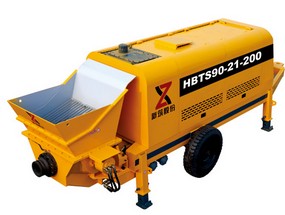
Concrete Pumps
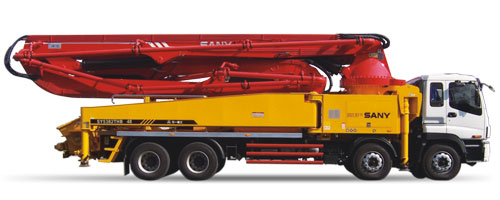
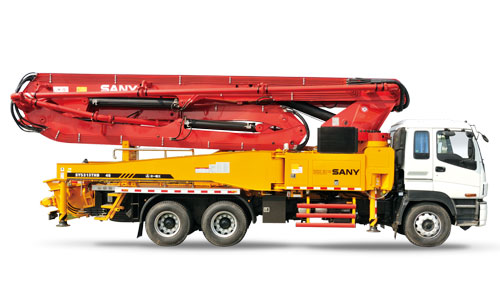
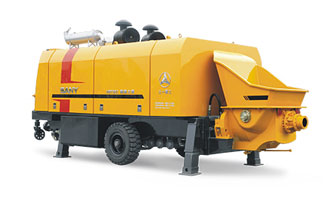
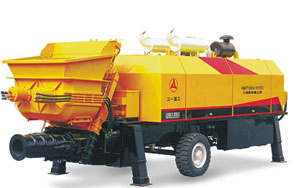
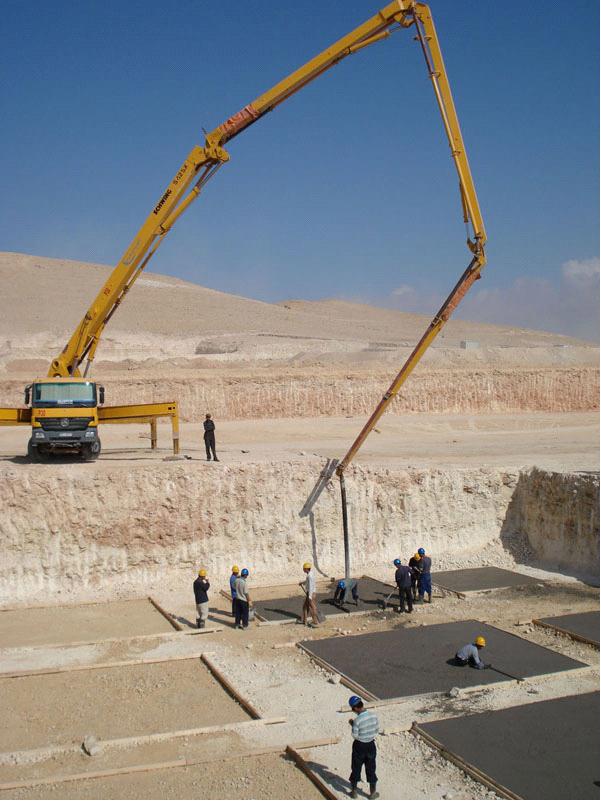
Source heavy-duty concrete pumps from vetted manufacturers and suppliers in China and across Asia. Designed for construction equipment importers, wholesalers, distributors, and brands seeking OEM production, our wholesale network delivers robust, high-performance pumping machinery built for demanding job sites.
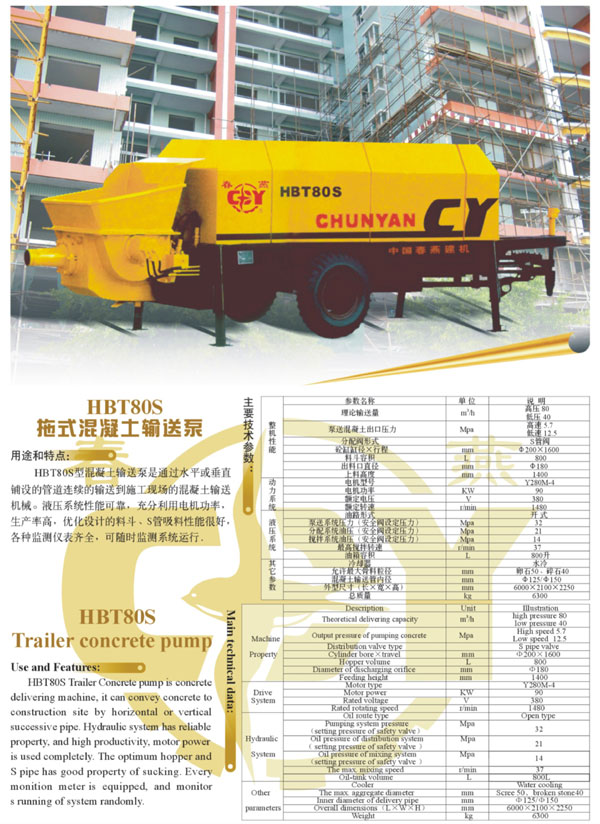
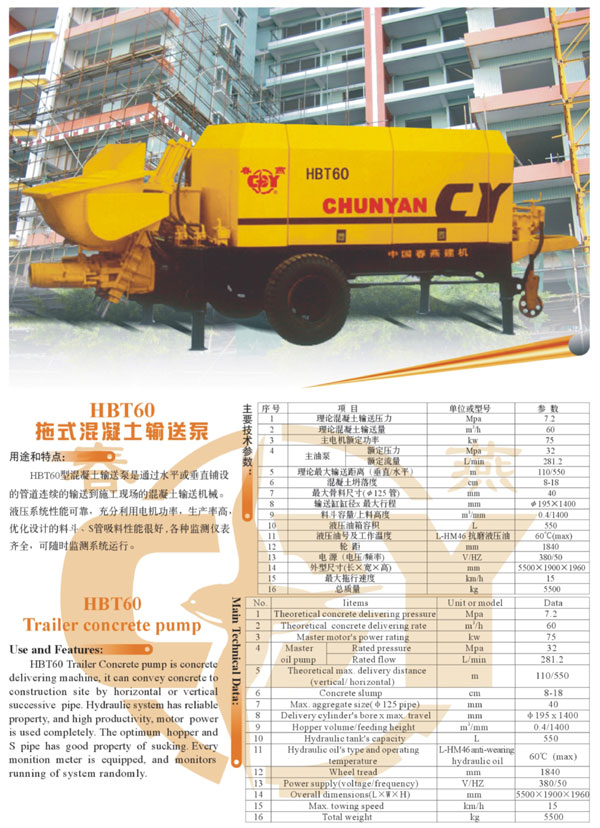
Sourcing concrete pumps requires balancing initial capital expenditure against long-term reliability on the job site. The primary challenge isn't just finding a factory that can assemble a chassis and a hopper; it is identifying manufacturers capable of delivering consistent hydraulic performance, durable wear parts, and structural integrity under high-pressure continuous operation. For importers and distributors, securing a reliable supply chain for these machines means diving deep into component specifications and factory-level quality control.
Critical Specifications and Component Sourcing
A concrete pump is only as reliable as its hydraulic system and wear parts. When negotiating with manufacturers, the bill of materials (BOM) must be explicitly defined. Leaving component selection up to the factory's discretion often results in the use of localized, lower-tier parts that may fail under heavy continuous loads.
Hydraulic Systems and Power Units
The main hydraulic pump and valve blocks dictate the machine's efficiency and heat generation. While top-tier domestic Chinese hydraulic components have improved significantly, many buyers importing for Western markets still specify imported components (such as Bosch Rexroth or Kawasaki) for the main oil pump to ensure longevity and easier local servicing. Power units—whether diesel engines (Cummins, Deutz, or Weichai) or electric motors—must be matched to the local emission and voltage standards of your target market.
| Component | Standard Configuration | Premium / Export Configuration |
|---|---|---|
| Main Hydraulic Pump | Top-tier domestic brands | Imported (Rexroth, Kawasaki) |
| Wear Plate & Cutting Ring | Hardened steel alloy | Tungsten carbide inlay |
| Delivery Cylinder | Standard chrome plating | Thickened hard chrome (over 0.3mm) |
| Control System | Basic domestic PLC | Siemens or Omron PLC with remote |
Wear Parts Durability
The spectacle wear plate and cutting ring endure severe abrasion. Specifying tungsten carbide for these components significantly extends the maintenance intervals compared to standard hardened steel. Additionally, verify the thickness and quality of the hard chrome plating inside the concrete delivery cylinders; insufficient plating leads to rapid seal degradation and loss of pumping pressure.
Ensure your manufacturer has the technical capability to deliver reliable, export-ready concrete machinery.
Talk to our teamEvaluating Factory Capabilities
The construction machinery sector in Asia includes both primary manufacturers and pure assemblers. A primary manufacturer will machine their own core structural components, weld their own chassis and booms, and assemble the hydraulic systems in-house.
When evaluating a new supplier, robust Factory Audits are essential to verify their actual production capabilities rather than relying on their marketing materials.
Key Factory Verification Points
- In-house machining capabilities for hydraulic manifolds and structural frames.
- Welding standards: Use of robotic welding for high-stress components like booms and chassis.
- Testing infrastructure: Dedicated testing bays for high-pressure water simulation and hydraulic load testing.
- Spare parts availability: Ability to guarantee a 5-to-10 year supply of proprietary replacement parts.
Pricing, MOQs, and Lead Times
Procuring heavy machinery involves different financial and logistical planning compared to standard consumer goods.
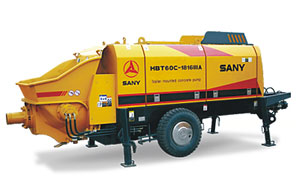
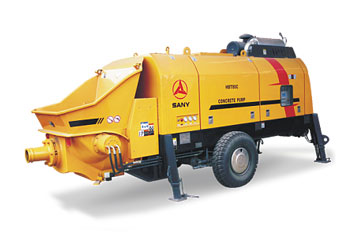
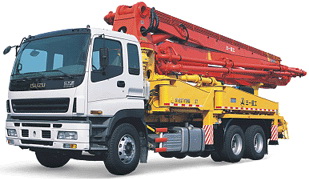
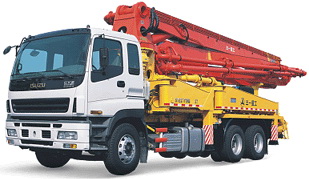
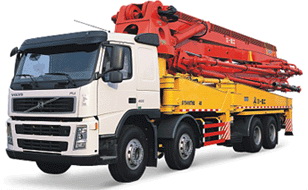
Logistics represent a significant portion of the landed cost. Small stationary trailer pumps can often be loaded into standard 40HQ containers (sometimes requiring the temporary removal of the hopper or wheels). However, large truck-mounted pumps require specialized handling. Coordinating complex Shipping & Freight via Flat Rack containers or Roll-on/Roll-off (RoRo) vessels is a critical step that must be planned well before production finishes.
Need help managing complex heavy machinery sourcing, QA, and international logistics?
Get a free consultationQuality Control and Pre-Shipment Inspection
Never allow a concrete pump to ship without rigorous third-party verification. Because you cannot easily return a 5-ton machine, catching defects at the factory is mandatory.
Effective Quality Control & Inspection for concrete machinery should include:
- Hydraulic Pressure Testing: Running the system at maximum bar pressure to check for leaks in hoses, fittings, and valve blocks.
- Water Pumping Test: Pumping water for several hours to simulate operational vibration and load, ensuring the S-valve shifts smoothly without hesitation.
- NDT (Non-Destructive Testing): Ultrasonic or magnetic particle inspection on critical structural welds, especially on the towing frame or boom sections.
Frequently Asked Questions
Procuring concrete pumps successfully is about minimizing the total cost of ownership, not just finding the lowest FOB price. By controlling the component specifications, verifying factory capabilities, and enforcing strict pre-shipment testing, importers can secure heavy machinery that performs reliably in the field.
Get Sourcing Help for Concrete Pumps
Tell us your requirements and our experts will connect you with verified manufacturers.