Concrete Mixers
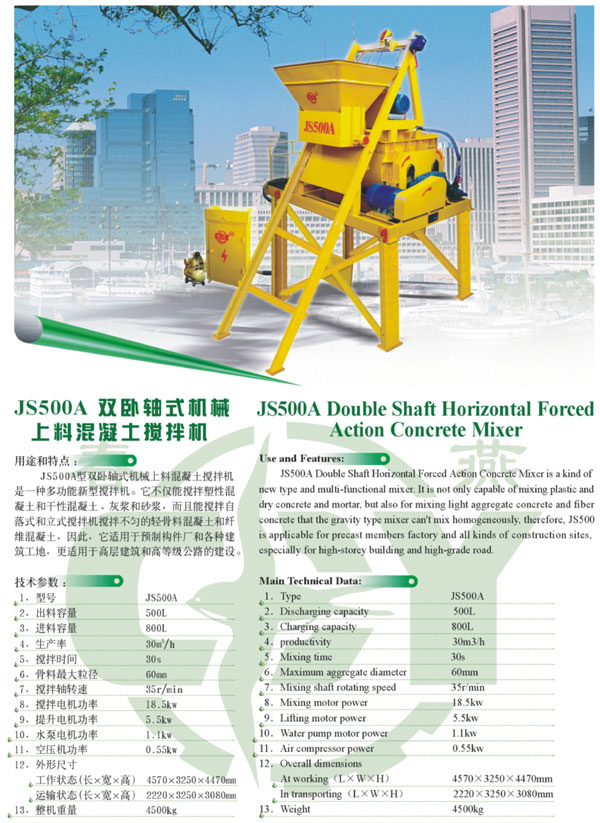
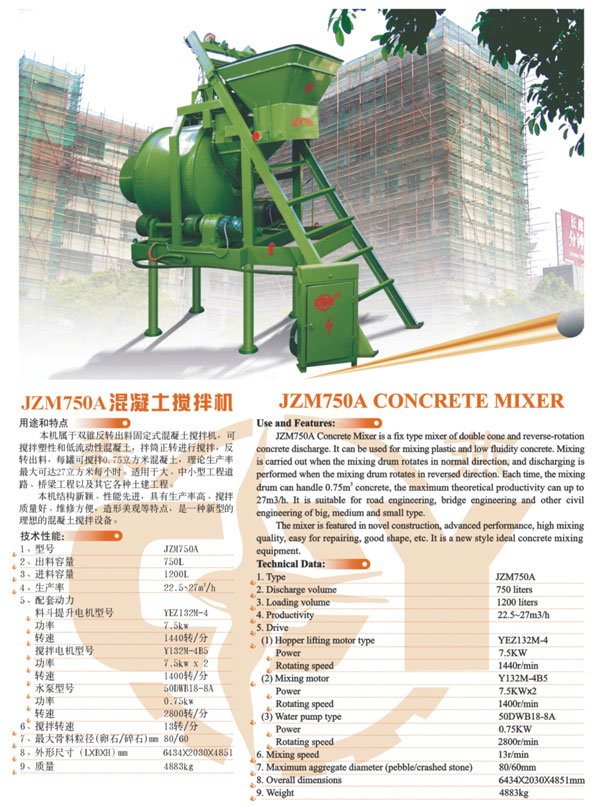
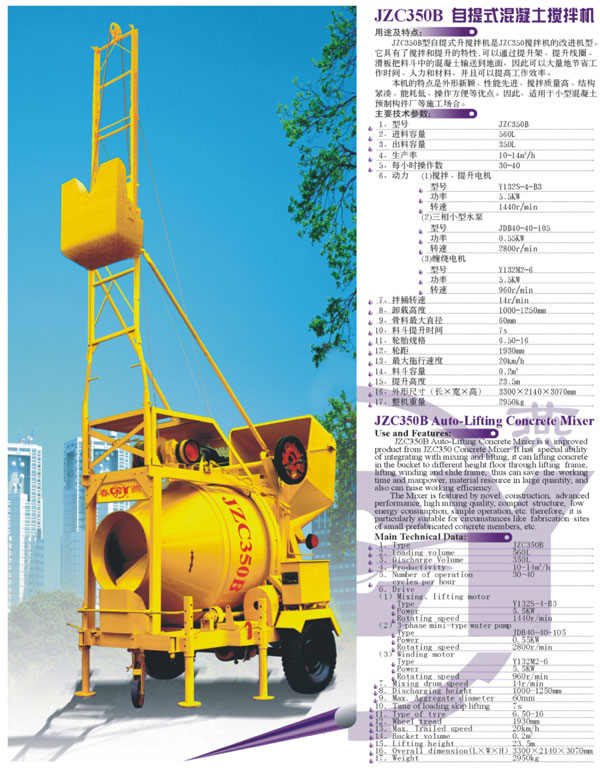
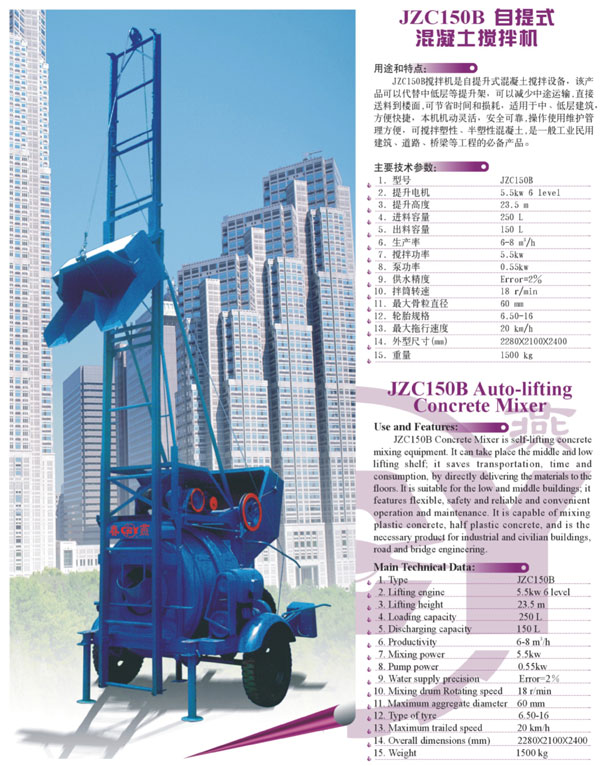
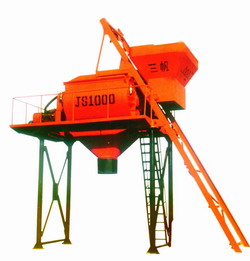
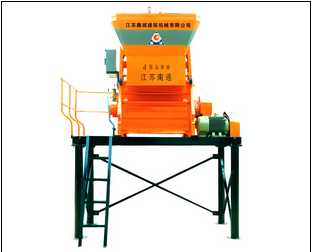
Source commercial-grade concrete mixers directly from vetted manufacturers and wholesale suppliers across Asia. Designed for heavy equipment distributors, construction machinery importers, and brands seeking reliable OEM production, our network offers scalable manufacturing solutions with verified quality assurance.
Sourcing concrete mixers at volume requires a careful balance of raw material costs—specifically steel—with motor reliability and market-specific compliance. Whether you are importing portable electric units for the residential hardware market or heavy-duty diesel mixers for commercial rental fleets, specifying the right components upfront is critical to preventing field failures and protecting your margins.
Critical Specifications for Volume Orders
When negotiating with manufacturers, vague specifications lead to inconsistent production. The longevity of a concrete mixer relies heavily on the gauge of the steel drum, the durability of the ring gear, and the thermal rating of the motor.
| Specification | Light/Portable Series | Heavy-Duty Commercial Series |
|---|---|---|
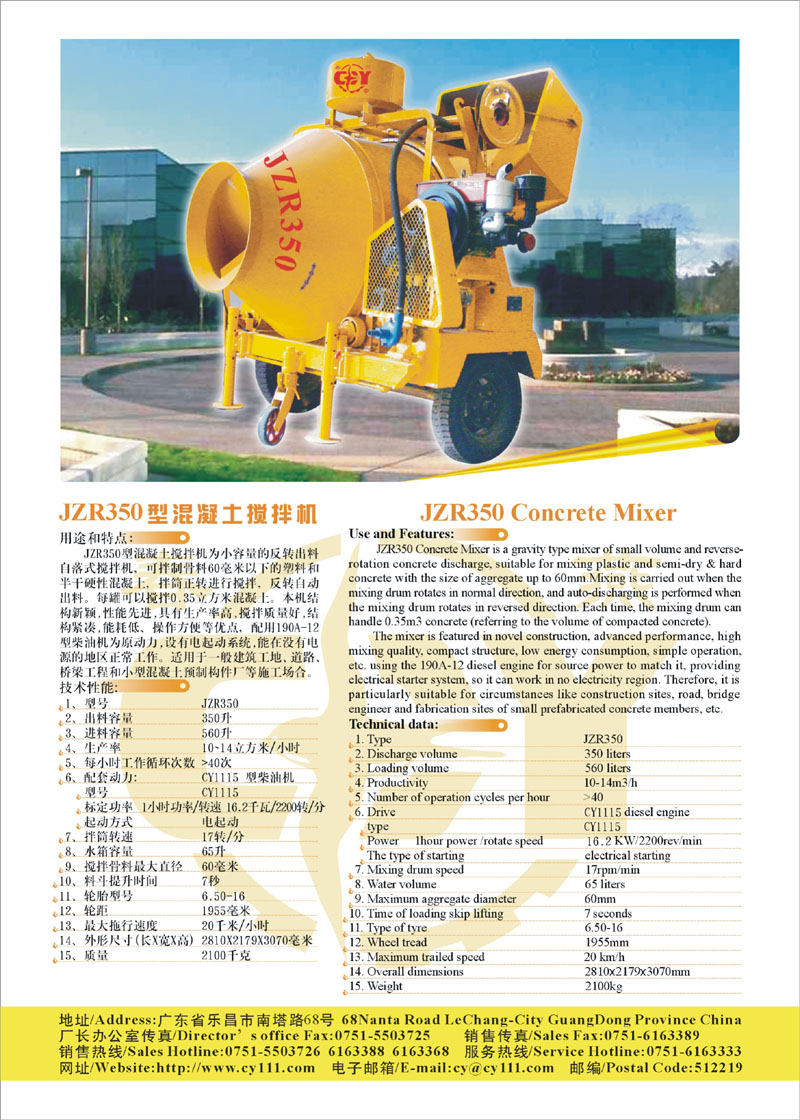
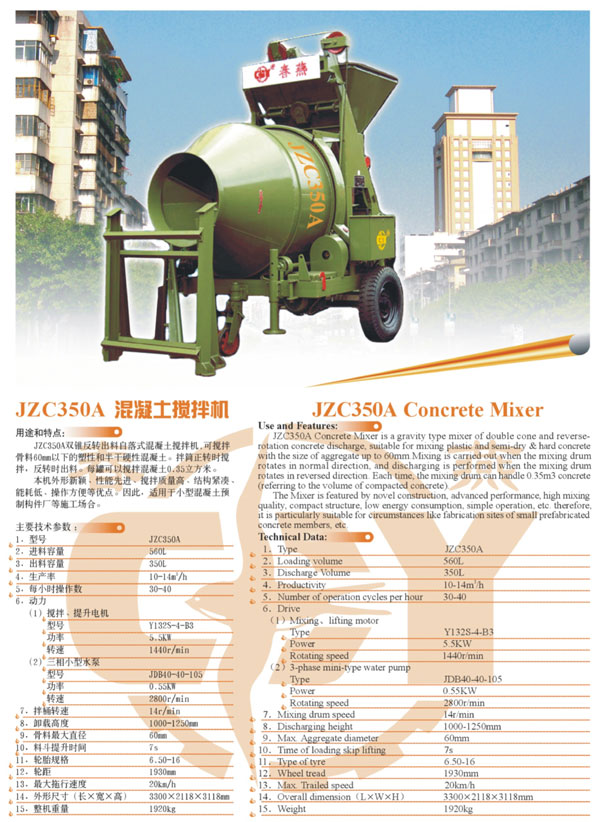
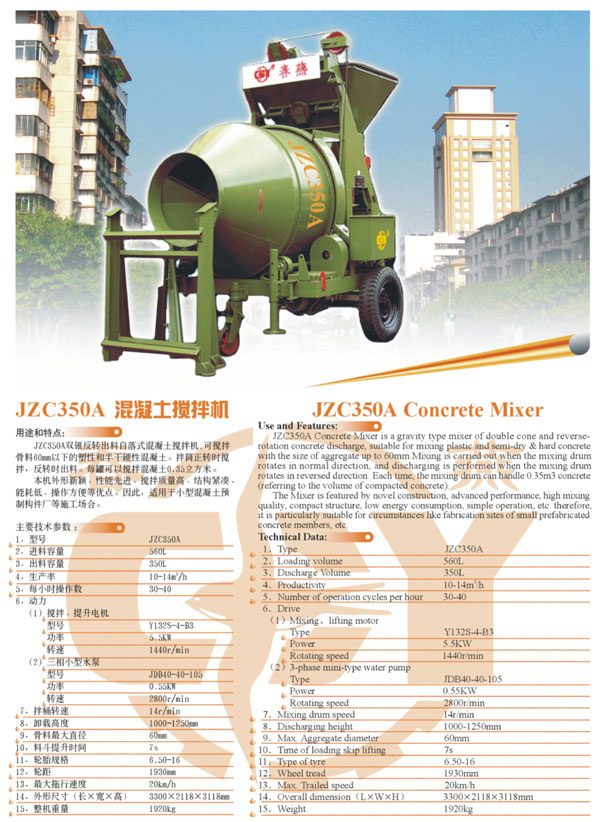
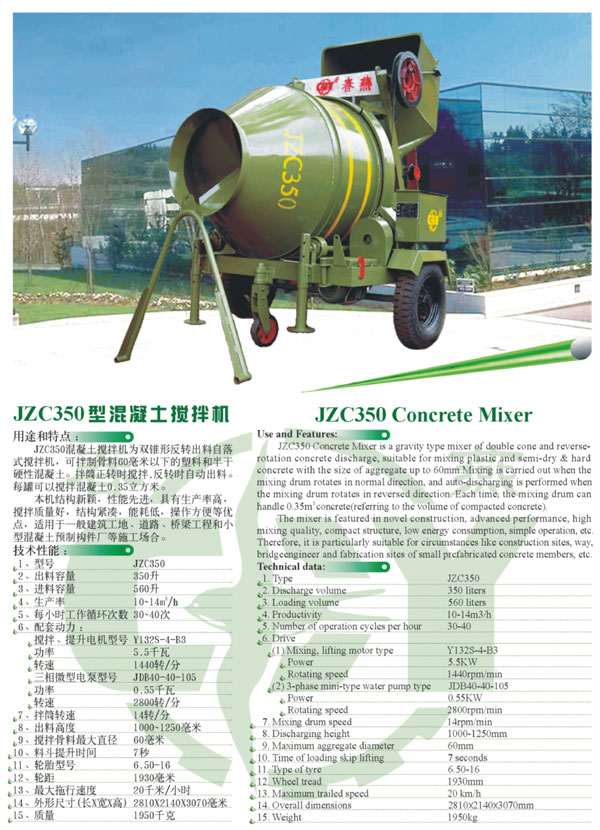
| Drum Capacity (Unmixed) | 120L to 200L | 350L to 500L and above |
| Power Source | Electric (0.5 to 1.5 HP) | Gas/Diesel (5.0 to 9.0 HP) |
| Drum Base Thickness | 1.5mm to 2.0mm | 2.5mm to 4.0mm |
| Ring Gear Material | Stamped Steel or Cast Iron | Heavy-Duty Cast Iron |
Motor Winding Risks
A common cost-cutting measure in lower-tier factories is substituting copper motor windings with copper-clad aluminum (CCA). Always specify 100 percent copper windings in your purchase agreements to ensure the motor can handle continuous loads without overheating.
Manufacturing Tolerances and Quality Control
The factory floor is where a mixer's lifespan is determined. Robotic welding on the drum seams ensures a watertight seal and structural integrity under heavy rotational stress, whereas manual welding can introduce inconsistencies. Furthermore, the surface treatment dictates rust resistance—a major factor for construction equipment exposed to harsh elements.
To prevent defects from reaching your warehouse, rigorous Quality Control & Inspection should be implemented at the factory level.
Key Inspection Points for Concrete Mixers
- Verify drum bottom and upper cone steel thickness using ultrasonic thickness gauges.
- Inspect ring gear and pinion alignment to ensure smooth meshing and minimize operational noise.
- Check surface finish: Powder coating provides superior chip resistance compared to standard wet paint.
- Test motor enclosures for proper IP rating compliance (minimum IP45 for electric models).
- Confirm grease fittings (zerks) are installed on all primary bearing housings.
Need to verify a manufacturer's production capabilities? We conduct comprehensive factory audits to ensure they meet your technical standards and capacity requirements before you place an order.
Talk to our teamSourcing Mechanics: MOQ, Pricing, and Logistics
Pricing for concrete machinery is highly sensitive to the global steel index and the origin of the power plant. Specifying a recognized engine brand (e.g., Honda, Kohler, or Yanmar) will significantly increase the unit cost compared to domestic Chinese equivalents, but is often necessary for compliance and brand trust in Western markets.
Container Optimization
Because concrete mixers are bulky, MOQs and shipping strategies revolve around container efficiency. Most factories require a minimum order of one 20ft container to justify a production run.
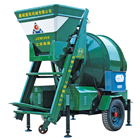
To maximize freight efficiency, portable mixers are typically shipped Completely Knocked-Down (CKD) or Semi Knocked-Down (SKD). A standard 40HQ container can accommodate roughly 120 to 150 units of a 140L portable mixer in CKD form. Larger towable mixers may only fit 30 to 40 units per container. Proper Shipping & Freight planning is essential to optimize your landed cost per unit.
Managing bulky machinery shipments requires precise consolidation and freight planning. Speak with our logistics experts to optimize your container loading and reduce landed costs.
Get a free consultationFrequently Asked Questions
Procuring concrete machinery at scale means navigating fluctuating material costs, stringent quality requirements, and complex shipping logistics. By clearly defining your specifications and enforcing strict pre-shipment inspections, you can secure reliable equipment that builds your brand's reputation in the field.
Get Sourcing Help for Concrete Mixers
Tell us your requirements and our experts will connect you with verified manufacturers.