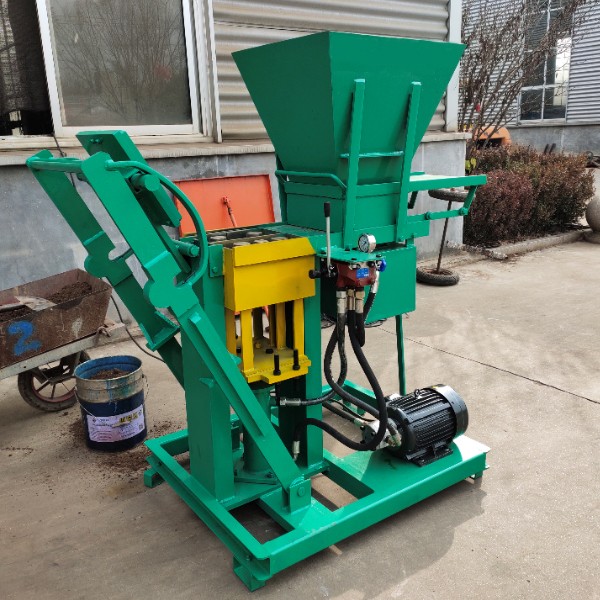
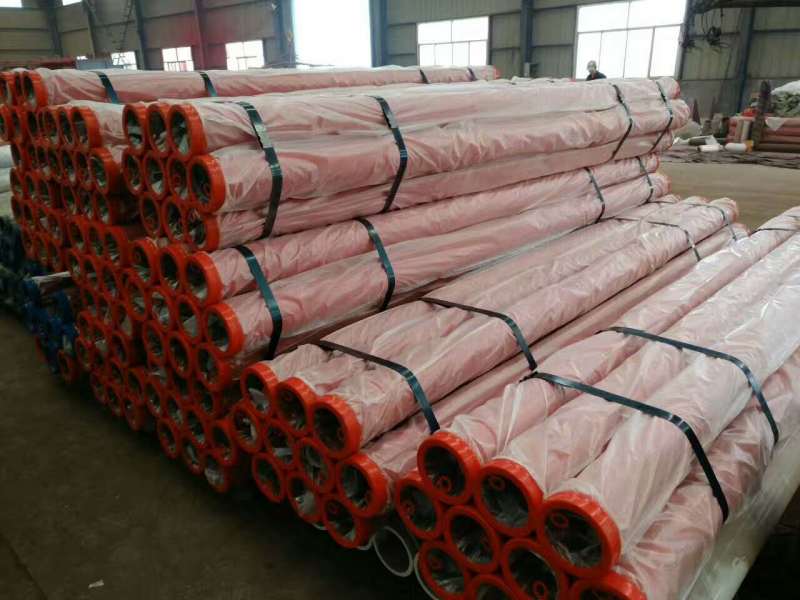
Concrete and Cement Product Machinery
Source industrial-grade Concrete and Cement Product Machinery from vetted suppliers and manufacturers across Asia. Designed for heavy equipment importers, specialized distributors, and construction brands requiring custom OEM production, this catalog provides direct access to reliable, high-volume manufacturing partners.
Sourcing concrete and cement product machinery requires balancing heavy-duty fabrication quality with precise electromechanical performance. The primary challenge isn't just finding a factory that can weld steel frames; it is ensuring the hydraulic systems, electrical components, and motors can withstand continuous industrial use in highly abrasive environments without catastrophic failure.
Critical Specifications for Heavy Concrete Machinery
When negotiating with manufacturers, vague specifications lead to substandard component substitution. Professional buyers must dictate the exact parameters of the electromechanical and hydraulic systems, rather than relying on the factory's default bill of materials.
Essential Technical Parameters to Define
- Motor and Electrical Standards: Specify IP55 or higher for dust and water resistance, and ensure compatibility with the destination market's voltage and frequency (e.g., 480V/60Hz vs 380V/50Hz).
- Hydraulic System Pressure: Dictate the required operating pressure (e.g., exceeding 20 MPa) and mandate the use of internationally recognized hydraulic valves and seals to prevent leaks.
- Steel Grade and Fabrication: Require Q345 or Q235B high-strength manganese steel for structural frames, with specified plate thicknesses for high-stress areas.
- PLC and Automation Capabilities: For automated lines, specify the PLC brand (e.g., Siemens, Mitsubishi) to ensure local serviceability and reliable logic execution.
Need help standardizing your technical specifications? Our engineering team can help you lock in a bulletproof bill of materials before production begins.
Talk to our teamManufacturing Tolerances and Component Quality
The reliability of cement product machinery is won or lost on the factory floor during welding, machining, and final assembly. A common pitfall is purchasing equipment that looks robust on the outside but utilizes rebuilt motors or low-grade hydraulic cylinders internally.
Evaluating a factory's true capability requires looking past their showroom. You need to verify their internal quality management systems, specifically how they handle raw steel inspection and welding standards. Conducting thorough Factory Audits is essential to confirm that the supplier utilizes automated submerged arc welding for critical joints rather than inconsistent manual welding, which is prone to micro-fractures under heavy vibration.
| Component Tier | Typical Application | Cost Impact | Maintenance Expectation |
|---|---|---|---|
| Domestic Standard (China) | Entry-level wholesale | Baseline | Frequent seal replacements |
| Joint-Venture / Mid-Tier | Commercial distribution | Plus 15 to 25 percent | Moderate lifespan, reliable |
| Imported Premium (e.g., Rexroth) | Heavy industrial OEM | Plus 40 percent or more | High durability, global support |
Beware of Hidden Substitutions
Factories may quote premium PLC or motor brands but substitute them with domestic equivalents during assembly to increase margins. Always mandate Factory Acceptance Testing (FAT) as part of your Quality Control & Inspection protocol before the equipment is packed.
Pricing Drivers, MOQs, and Logistics
Procuring heavy machinery operates on different economic principles than standard consumer goods. While Minimum Order Quantities (MOQs) are low, the capital expenditure and logistical complexities are significant.
Managing Freight for Oversized Equipment
Shipping cement product machinery often exceeds the dimensions of standard shipping containers. Large batching plants or automated block machines frequently require Flat Rack or Open Top containers, which are subject to highly volatile freight rates and limited vessel space. Coordinating Shipping & Freight early in the production cycle is critical to avoid finished machinery sitting on the factory floor incurring storage fees while waiting for specialized transport.
Struggling with oversized freight logistics or negotiating production terms? Let our team handle the end-to-end supply chain execution.
Get a free consultationFrequently Asked Questions
Final Thoughts
Success in sourcing concrete and cement product machinery hinges on strict technical oversight and rigorous pre-shipment validation. By defining every critical component and maintaining visibility over the assembly process, you can secure industrial-grade equipment that delivers long-term reliability. If you need experienced engineers on the ground to manage your procurement and protect your capital, our team is ready to assist.
Get Sourcing Help for Concrete and Cement Product Machinery
Tell us your requirements and our experts will connect you with verified manufacturers.