Compressors
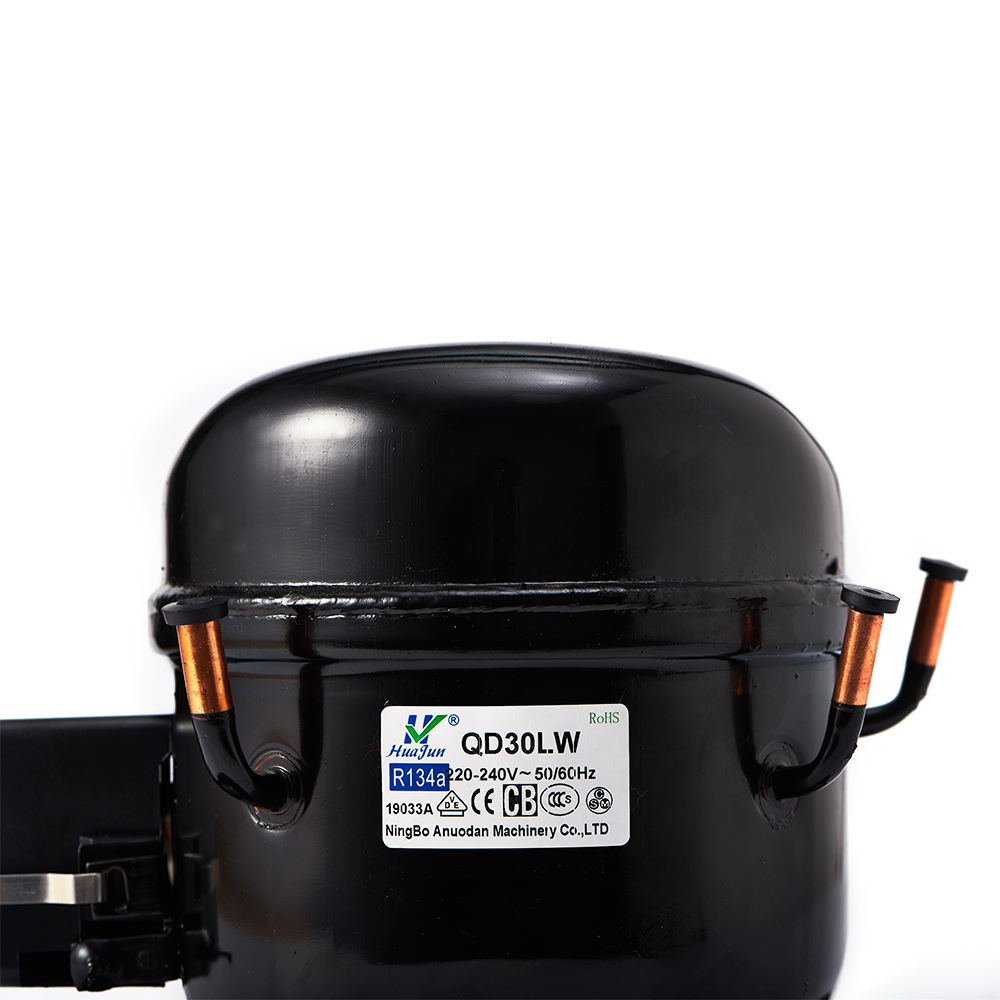
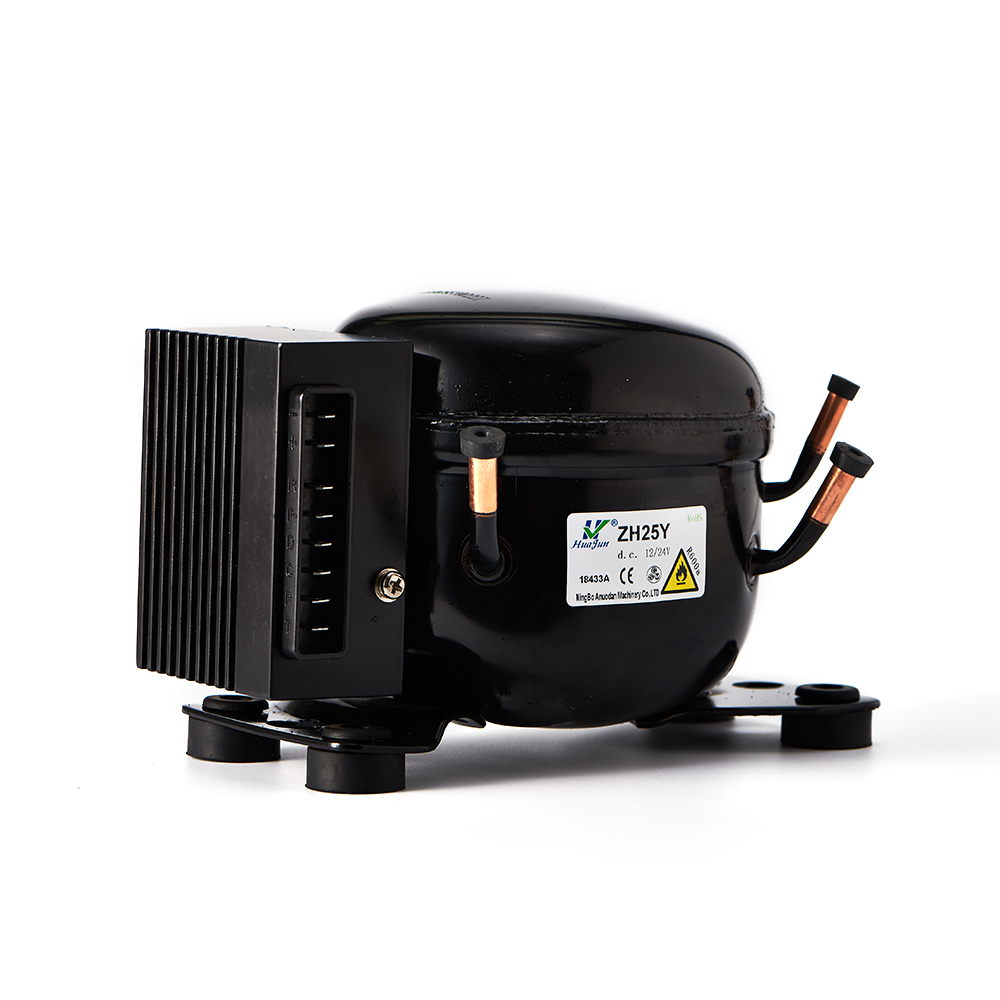
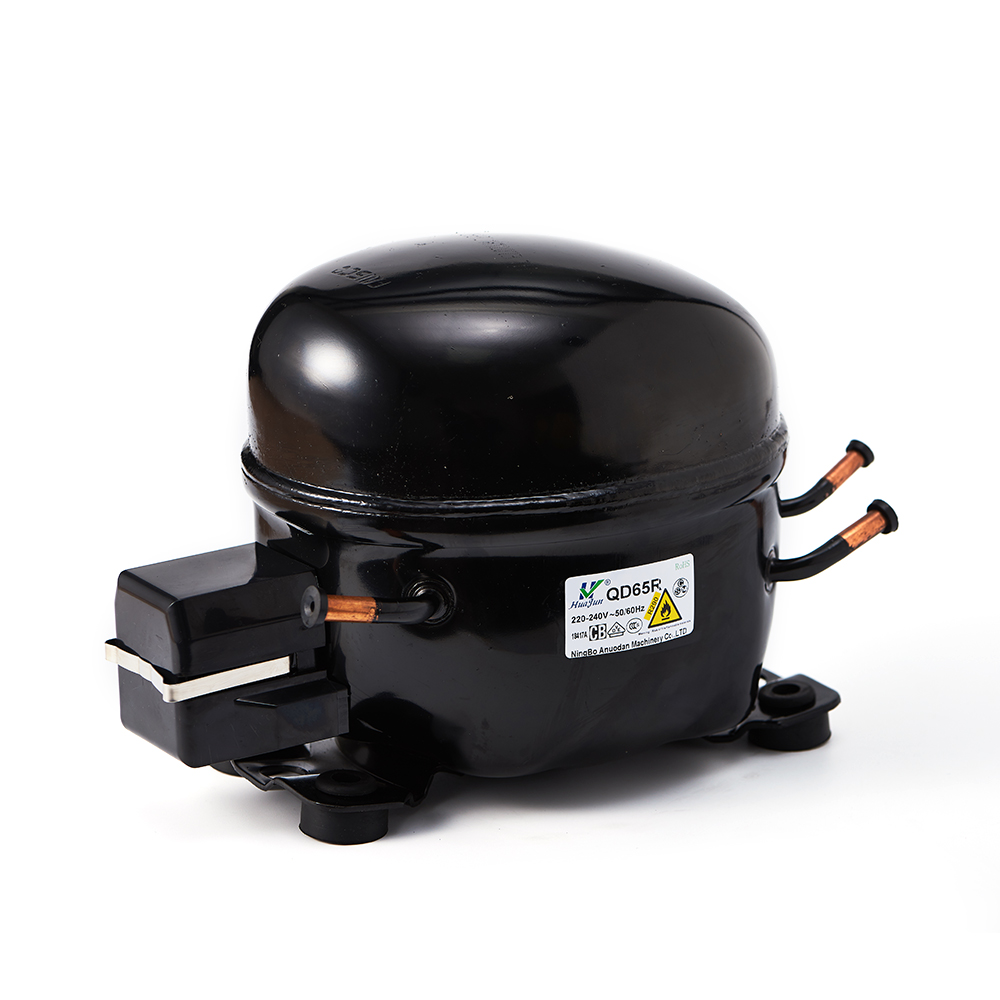
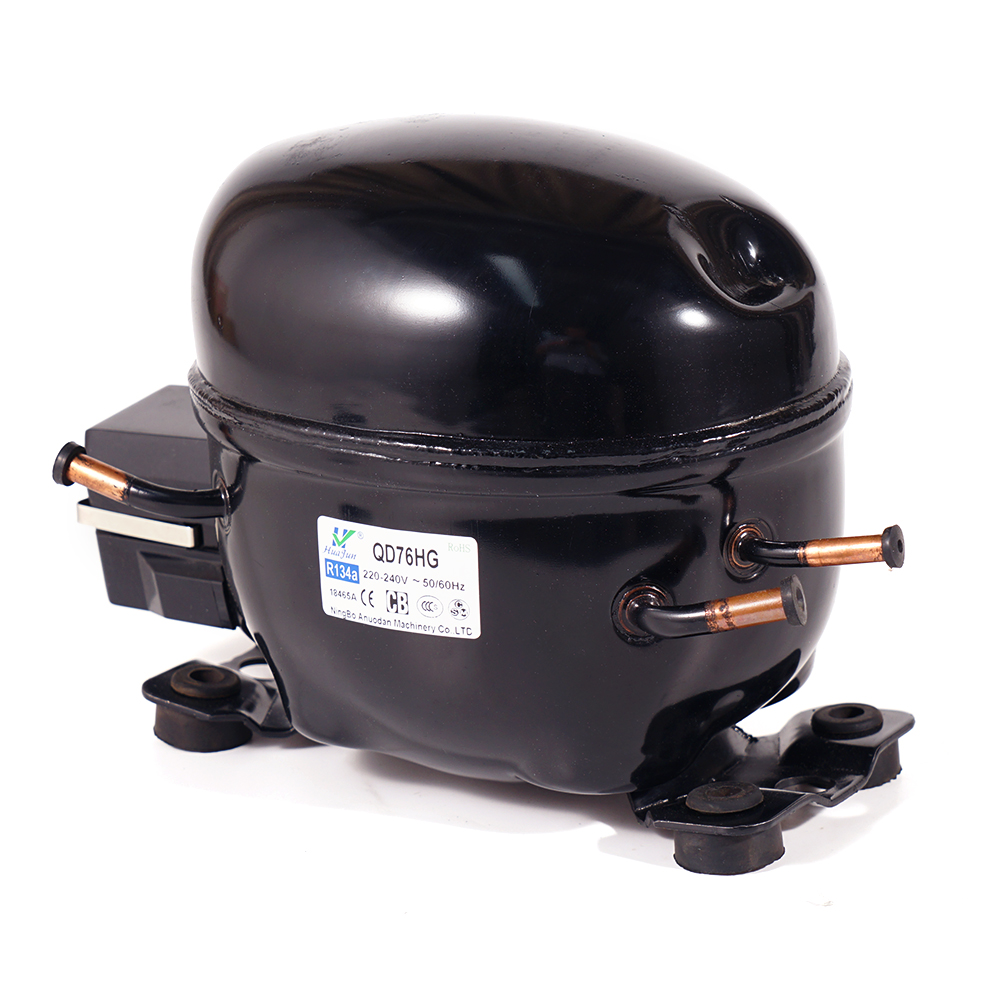
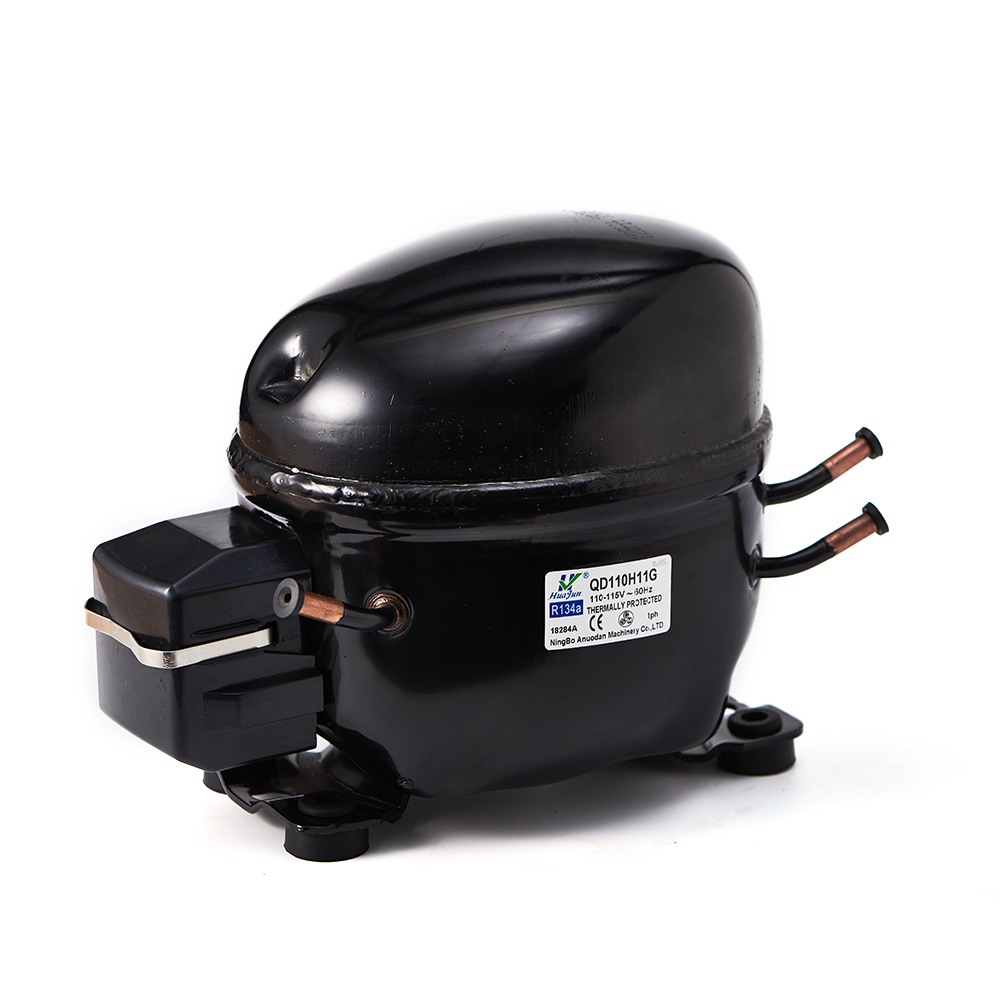
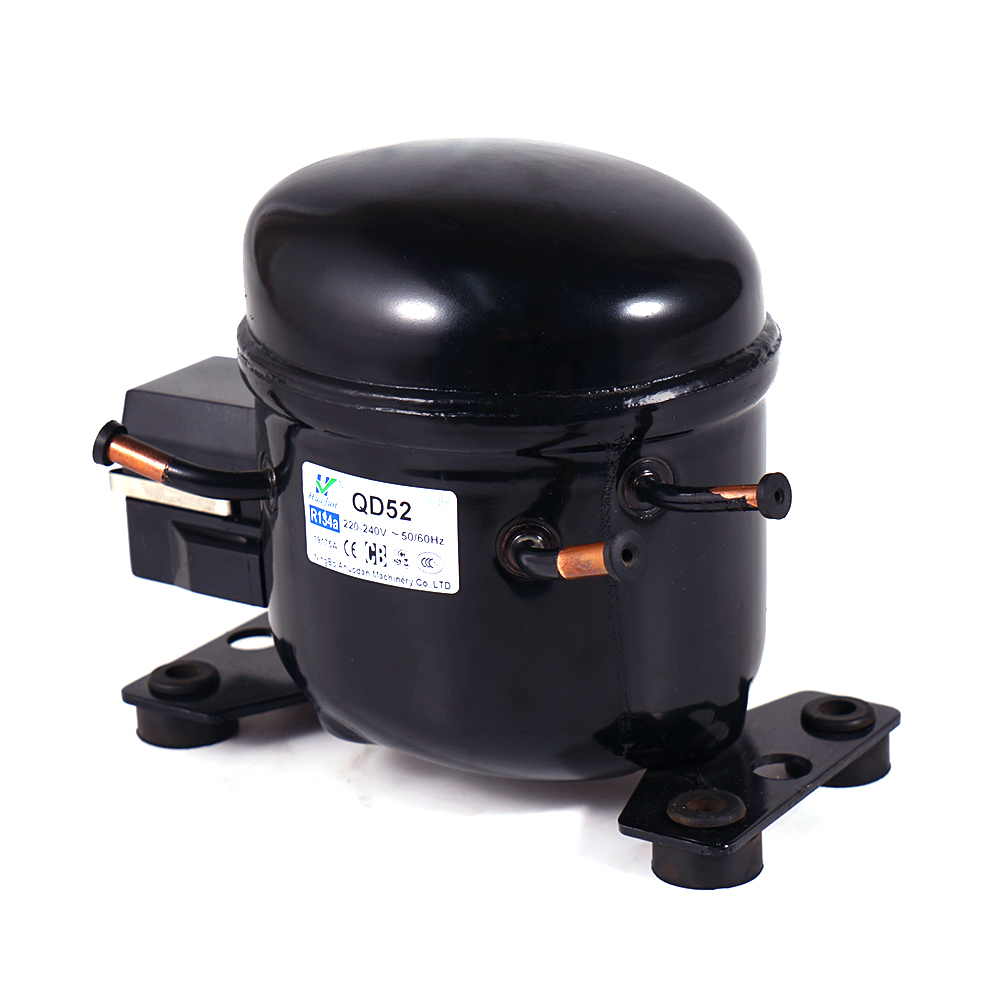
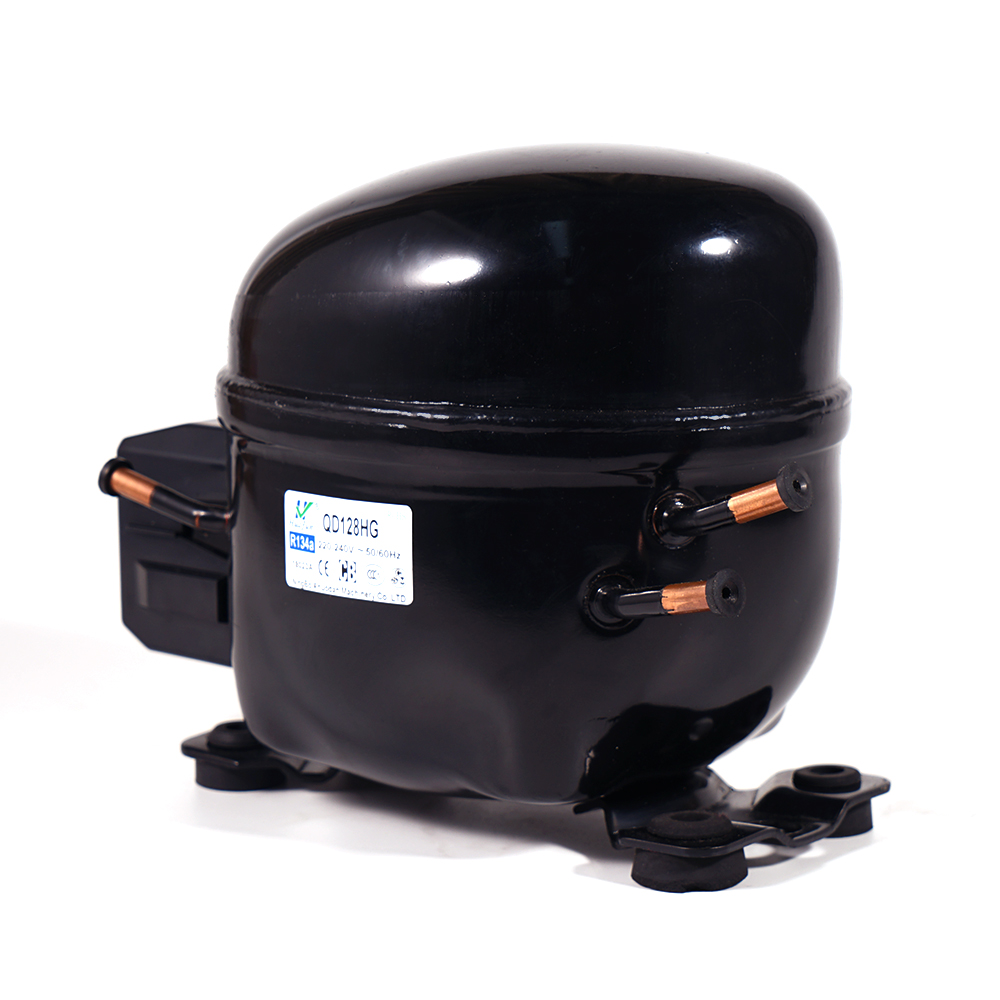
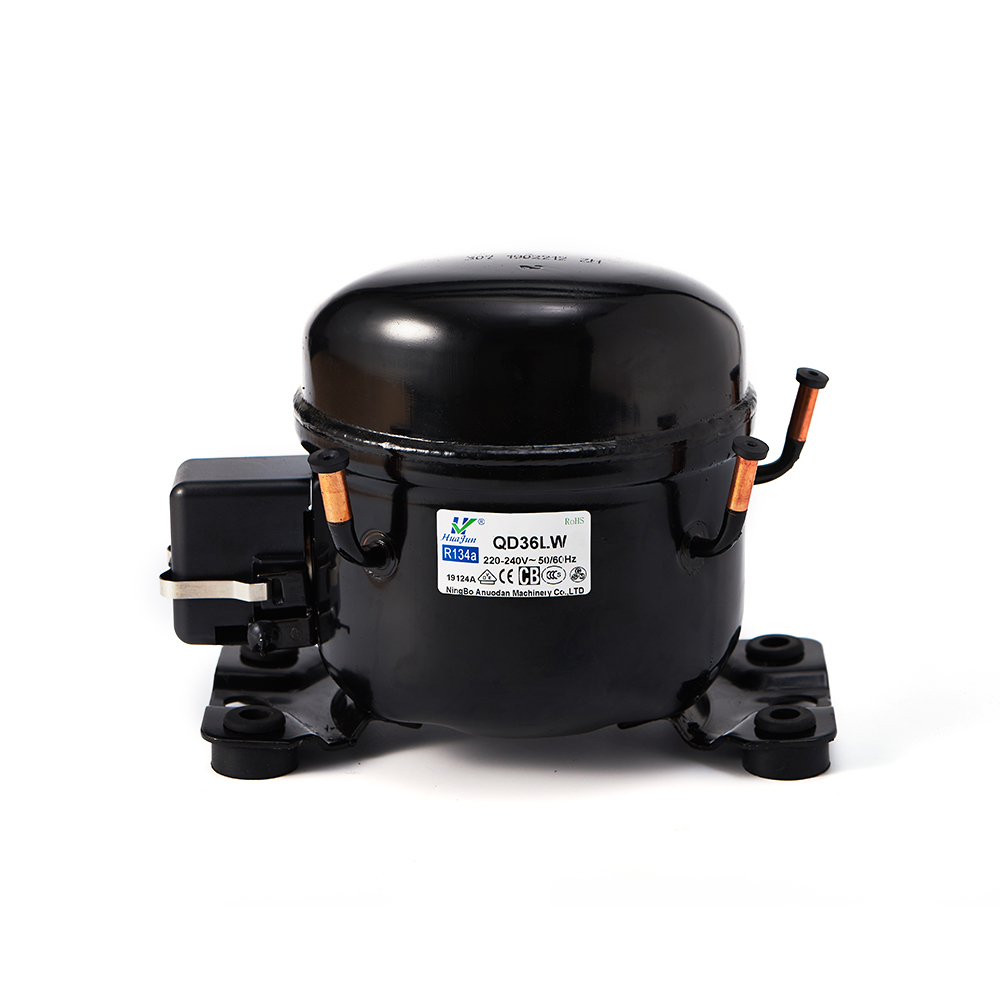
Source high-quality compressors from vetted suppliers and manufacturers in China and across Asia. Designed for HVAC&R importers, wholesale distributors, and commercial refrigeration brands seeking reliable production. Find bulk pricing on energy-efficient, durable units built for demanding commercial environments.
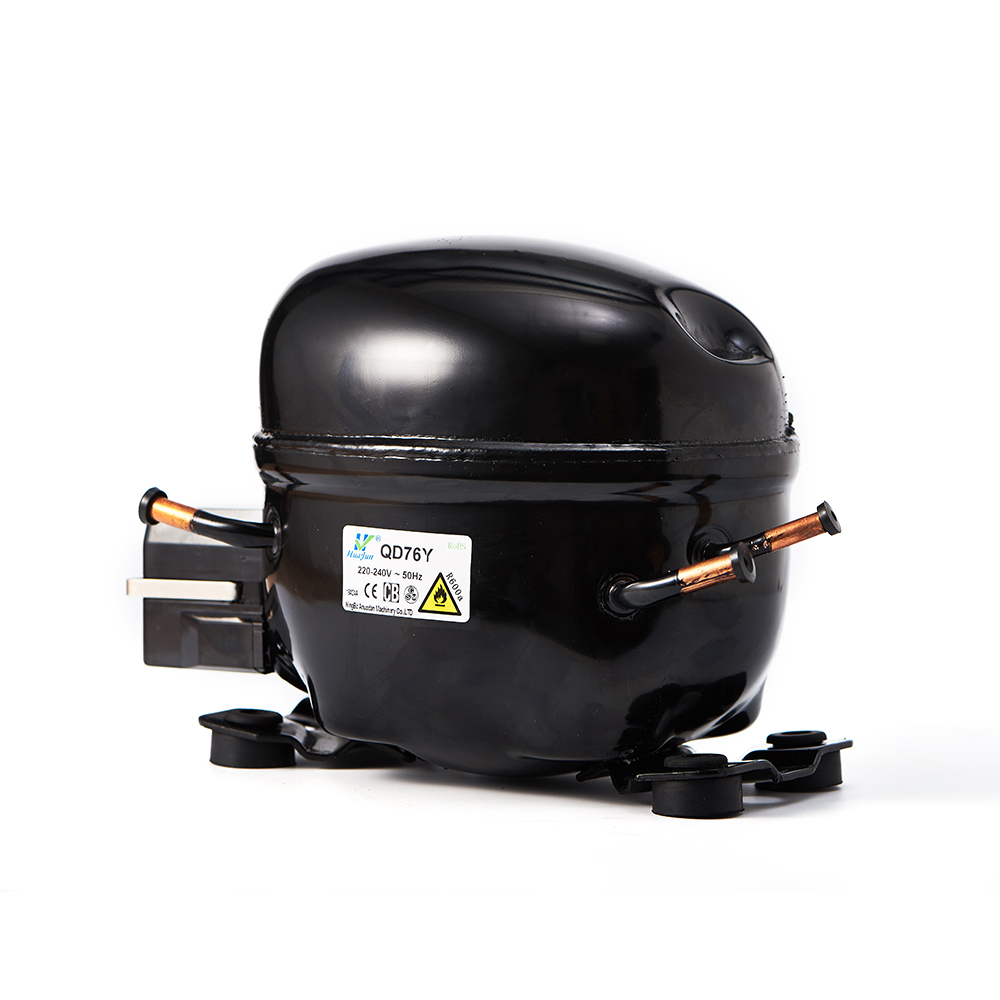
Sourcing compressors for light commercial refrigeration—whether for glass-door merchandisers, stainless steel prep tables, or chest freezers—requires balancing cooling capacity, energy efficiency, and strict regulatory compliance. As the core component of any refrigeration cycle, the compressor dictates the lifespan and performance of the entire appliance. Buying in volume directly from overseas manufacturers offers significant cost advantages, but it also exposes buyers to risks involving inconsistent motor winding quality, inadequate hermetic sealing, and shifting refrigerant standards.
Key Technical Specifications for Volume Orders
When negotiating with manufacturers, vague specifications lead to inconsistent production. Commercial refrigeration applications require precise alignment of the compressor's capabilities with the intended thermal load and operating environment.
- Evaporating Temperature Range: Compressors must be matched to the application's back pressure. Specify LBP (Low Back Pressure) for freezers, MBP (Medium Back Pressure) for standard coolers, or HBP (High Back Pressure) for specific chiller applications.
- Cooling Capacity & COP: Capacity (measured in Watts or BTU/h) must be evaluated alongside the Coefficient of Performance (COP). High-efficiency compressors (high COP) command a premium but are increasingly necessary to meet stringent global energy standards.
- Power Supply Stability: Specify the exact voltage and frequency (e.g., 220-240V/50Hz, 115V/60Hz). For regions with unstable grids, ask suppliers about wide-voltage operating capabilities or built-in motor protection.
| Refrigerant | GWP Level | Typical Application | Manufacturing Consideration |
|---|---|---|---|
| R290 (Propane) | Under 5 | Modern display cases, freezers | Requires ATEX-certified, explosion-proof factory testing lines |
| R134a | 1,430 | Legacy commercial coolers | Phasing out in many regions; check local import regulations |
| R404A | 3,922 | Legacy low-temp freezers | Subject to strict bans in the EU and NA; transition to alternatives |
The R290 Transition
The global shift toward low-GWP refrigerants has made R290 the standard for light commercial refrigeration. However, because R290 is highly flammable, the manufacturer must have specialized, explosion-proof testing environments. Always verify a factory's capability to safely handle and test hydrocarbon refrigerants.
Manufacturing Variance: Where Quality is Won or Lost
Not all compressor factories operate to the same standard. The difference between a unit that lasts ten years and one that fails in ten months often comes down to invisible internal components and machining tolerances.
- Motor Windings: The industry standard for high-reliability commercial compressors is 100 percent copper wire. To cut costs, some suppliers may substitute Copper-Clad Aluminum (CCA). CCA runs hotter, is more prone to vibration fatigue, and significantly shortens the compressor's lifespan. Always specify pure copper and verify it during inspection.
- Machining Tolerances: The precision of the piston and cylinder (or scroll components) determines mechanical efficiency and noise levels. Top-tier manufacturers utilize automated CNC machining centers with micron-level tolerances, reducing internal friction and wear.
- Hermetic Sealing and Welding: The outer steel shell must be flawlessly welded to prevent refrigerant leaks and moisture ingress. Automated robotic welding provides consistent, deep-penetration seams compared to manual welding.
Evaluating compressor factories requires technical expertise. Let our engineering team help you vet suppliers and verify their production lines.
Get a free consultationQuality Control & Testing Protocols
Catching defects before a container ships is critical. Once a compressor is installed in an appliance, failure results in costly warranty claims and brand damage. Implementing rigorous Quality Control & Inspection protocols at the factory level is non-negotiable.
Essential Compressor QC Checks
- Hi-Pot (High Potential) testing to verify electrical insulation and safety.
- Helium mass spectrometry leak detection on all hermetic welds (far superior to water-bath testing).
- Calorimeter testing to verify actual cooling capacity and COP against stated specifications.
- Starting ability under low voltage and loaded conditions.
- Acoustic and vibration testing in a soundproof chamber.
Before committing to a high-volume order, it is highly recommended to conduct comprehensive Factory Audits to assess the supplier's quality management system (ISO 9001), testing equipment calibration, and sub-tier supplier management.
MOQs, Lead Times, and Pricing Dynamics
Compressor pricing is heavily influenced by raw material costs (copper, steel) and production volume.
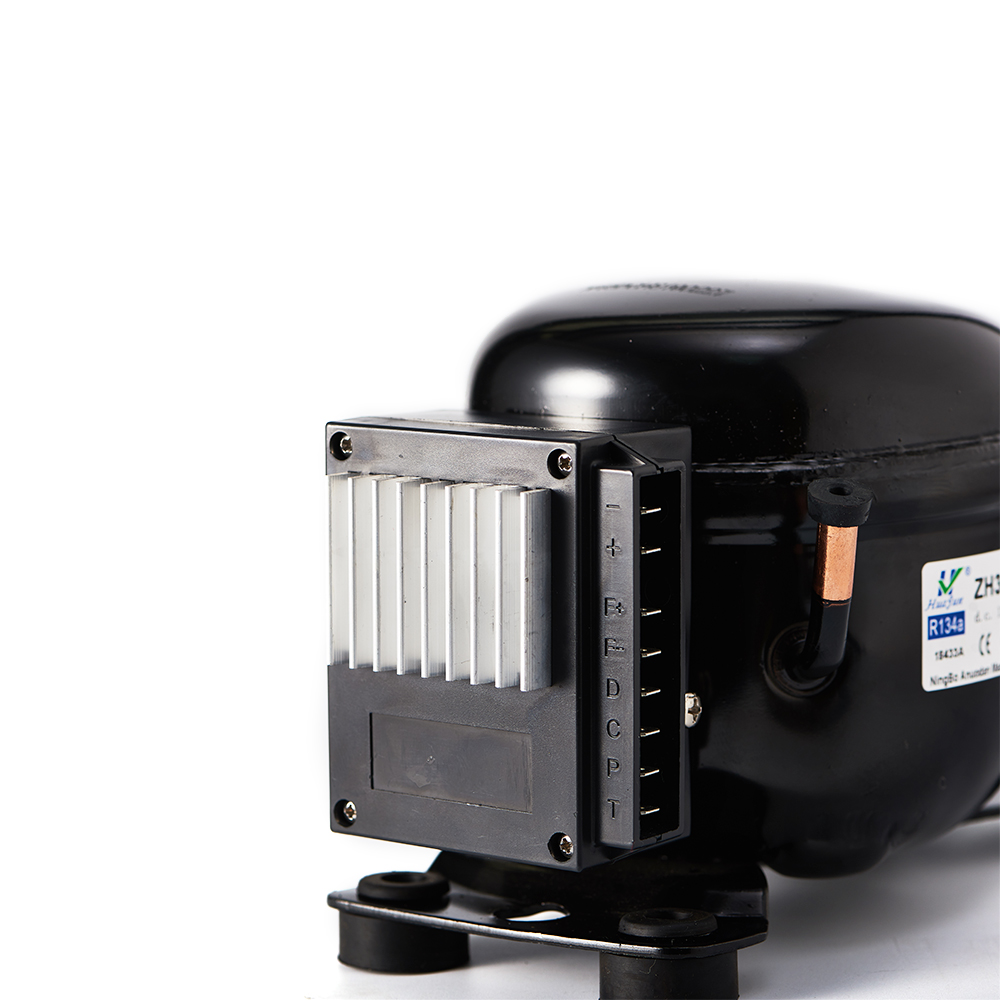
If you require custom terminal configurations, specialized mounting baseplates, or specific Compliance & Testing certifications (such as UL, CE, or VDE) for your target market, expect longer initial lead times for prototyping and certification approval.
Need reliable pricing and lead times for your next volume order? We negotiate directly with top-tier manufacturers on your behalf.
Talk to our teamFrequently Asked Questions
Sourcing commercial compressors demands strict attention to technical detail and rigorous factory oversight. The lowest unit price often hides compromises in winding materials or machining tolerances that will cost you exponentially more in field failures. By defining exact specifications and enforcing strict quality control, you can secure reliable, high-performance compressors that protect your brand's reputation.
Get Sourcing Help for Compressors
Tell us your requirements and our experts will connect you with verified manufacturers.