Compound Fertilizer Equipment
Source wholesale compound fertilizer equipment directly from vetted manufacturers. This category serves importers, distributors, and agricultural machinery suppliers seeking reliable production lines and standalone units. Connect with experienced factories to secure competitive pricing, robust equipment, and OEM manufacturing options.
Sourcing compound fertilizer equipment requires balancing production capacity, material durability, and process efficiency. Whether you are procuring a single rotary drum granulator or an entire NPK production line, the core challenge lies in verifying that the machinery can handle highly corrosive materials over long production cycles without excessive downtime.
Key Specifications for Compound Fertilizer Equipment
When evaluating manufacturers, precision in your specifications ensures the equipment matches your operational demands. The performance of fertilizer machinery is heavily dependent on the materials of construction and the engineering tolerances of moving parts.
Critical Specifications to Define
- Production Capacity: Specify tons per hour (e.g., 1-2 t/h for small lines, 10-30 t/h for industrial scale).
- Material Compatibility: Define the specific NPK ratios or organic materials the equipment will process to determine necessary corrosion resistance.
- Granulation Method: Specify rotary drum, disc pan, double roller extrusion, or flat die, depending on the required granule size and hardness.
- Construction Materials: Require high-grade stainless steel (e.g., 304 or 316L) or specialized anti-corrosive linings for contact parts.
- Power Requirements: State the voltage, frequency, and phase required for the destination market.
- Automation Level: Specify manual, semi-automatic, or fully integrated PLC control systems.
If you are customizing a production line to fit specific facility constraints or unique material formulations, working with a supplier capable of robust OEM/ODM Services is essential to ensure the design meets your exact requirements.
Need help verifying technical specifications with Chinese manufacturers? Our engineers can assist in aligning your requirements with factory capabilities.
Talk to our teamManufacturing Quality and Common Defects
The longevity of fertilizer equipment is won or lost in the factory's fabrication and assembly processes. Poor welding, inadequate anti-corrosion treatments, or misaligned drive systems can lead to premature failure in the harsh environment of fertilizer production.
Corrosion and Wear Resistance
Fertilizer raw materials are highly abrasive and corrosive. Ensure that the manufacturer uses appropriate rubber linings, acid-resistant stainless steel, or specialized coatings on all internal surfaces of granulators, mixers, and dryers.
Critical Inspection Points
Before accepting a shipment, rigorous inspection is necessary. Relying on standard Quality Control & Inspection procedures can prevent costly operational delays once the equipment is installed.
Material Verification
Confirm the grade and thickness of steel used in the main structural components and contact areas.
Weld Inspection
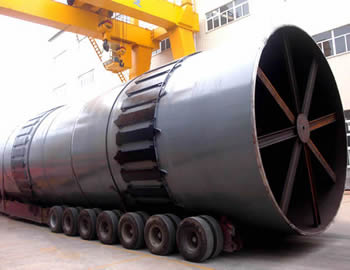
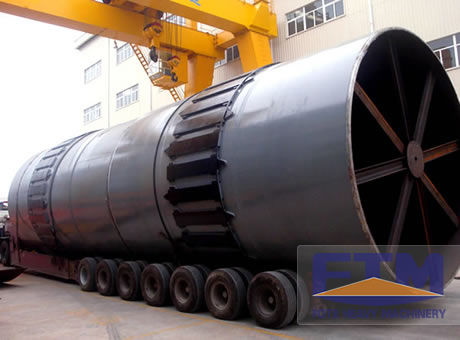
Check for continuous, slag-free welds, particularly on load-bearing frames and rotary drum seams.
Dynamic Balancing
Ensure rotary equipment (dryers, coolers, granulators) has been dynamically balanced to minimize vibration and bearing wear.
Electrical Safety
Verify that control panels and wiring meet the safety standards of the destination country (e.g., CE, UL).
Sourcing Dynamics: Pricing, MOQs, and Lead Times
The market for compound fertilizer equipment in China is concentrated in regions like Henan and Shandong, where specialized heavy machinery hubs exist.
Pricing Drivers
Pricing is highly variable based on the scale and sophistication of the equipment.
| Equipment Tier | Typical Capacity | Key Features | Relative Cost |
|---|---|---|---|
| Basic Standalone | 1-5 t/h | Carbon steel, manual controls, disc/pan granulation | Low |
| Standard Line | 5-15 t/h | Partial stainless steel, semi-auto controls, rotary drum | Medium |
| Advanced Industrial Line | 15-30+ t/h | Full 304/316L contact parts, fully automated PLC, integrated drying/cooling | High |
When planning a large-scale procurement, conducting thorough Factory Audits is a necessary step to verify the manufacturer's production capacity, quality management systems (like ISO 9001), and financial stability before committing to a major capital expenditure.
Planning a complete production line? Let us manage the supplier vetting, negotiation, and quality control on your behalf.
Get a free consultationLogistics and Installation Considerations
Shipping heavy industrial machinery requires careful planning. Large rotary drums and drying cylinders often exceed standard container dimensions, necessitating specialized flat rack containers or break-bulk shipping. Coordinating Shipping & Freight early in the procurement process ensures that logistical constraints are factored into the equipment's design (e.g., designing modular frames that fit into standard 40HQ containers).
Frequently Asked Questions
Procuring compound fertilizer equipment is a significant capital investment where the cost of poor quality far exceeds the initial purchase price. By defining rigorous specifications, verifying material grades, and managing the logistical complexities proactively, you can secure reliable machinery that delivers long-term operational efficiency.
Get Sourcing Help for Compound Fertilizer Equipment
Tell us your requirements and our experts will connect you with verified manufacturers.