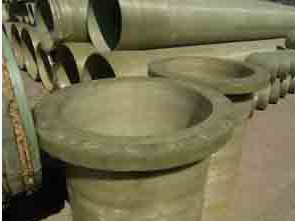
Composite Pipes
Source high-quality Composite Pipes in bulk from vetted manufacturers and wholesale suppliers. Designed for importers, distributors, and brands seeking OEM production, our network delivers reliable multi-layer piping solutions for plumbing, industrial, and gas applications at competitive factory-direct pricing.
Procuring composite pipes in volume requires navigating a complex manufacturing landscape where the margin for error is virtually zero. Because these pipes combine dissimilar materials—typically thermoplastic inner and outer layers with a metallic or fiberglass reinforcement core—their performance relies entirely on the integrity of the bonding layers and the precision of the co-extrusion process. A failure in the adhesive layer or a weak weld in the reinforcement core leads to delamination, pressure drops, and catastrophic system failures.
For professional buyers, securing a reliable supply chain means looking past surface-level pricing and rigorously vetting a factory's extrusion technology, welding methods, and raw material sourcing.
Critical Specifications for Bulk Orders
When negotiating with manufacturers, vague specifications invite inconsistent production. You must define the exact parameters for every layer of the composite structure.
Key Technical Specifications to Define
- Nominal Outside Diameter (OD) and precise Wall Thickness tolerances
- Core material specifications (e.g., aluminum thickness, fiberglass roving tex)
- Inner and outer resin grades (e.g., PE-RT II, PEX-b, PPR)
- Adhesive layer (tie-layer) melt flow index and bonding strength
- Nominal Pressure (PN) rating and maximum operating temperature
- UV resistance requirements for outer layers (if exposed to sunlight)
Aluminum Core Welding: Overlap vs. Butt Welding
For aluminum-plastic composite pipes (like PEX-AL-PEX), the method used to weld the aluminum core dictates the pipe's pressure rating, flexibility, and overall durability. Factories typically utilize one of two methods, and your choice should align with your end-use application.
| Welding Method | Process Characteristics | Best Application | Cost Profile |
|---|---|---|---|
| Ultrasonic Overlap Weld | Edges overlap and are ultrasonically bonded | Standard plumbing, low-pressure gas | Lower production cost |
| Laser Butt Weld | Edges meet flush and are laser welded | High-pressure systems, structural stability | Premium cost, requires advanced machinery |
Struggling to verify which welding method a factory is actually using? We can help you audit production lines and secure the exact specifications your market demands.
Talk to our teamManufacturing Risks and Quality Control
The primary challenge in manufacturing composite pipes is maintaining uniform wall thickness and ensuring absolute adhesion between the plastic, adhesive, and reinforcement layers. Minor fluctuations in extrusion temperature or line speed can compromise the tie-layer, leading to invisible weaknesses that only appear under pressure testing.
Catching these defects requires stringent Quality Control & Inspection protocols, both in-line and pre-shipment.
The Delamination Risk
Using sub-standard adhesive resins or running extrusion lines too fast prevents the tie-layer from properly bonding the plastic to the metal or fiberglass core. This results in delamination under thermal cycling. Always require peel strength testing as part of your pre-shipment inspection.
Essential Factory Testing
Before accepting a batch, ensure the manufacturer conducts the following tests in their on-site laboratory. If you are importing to highly regulated markets, you may also need third-party Compliance & Testing to meet standards like ISO 21003 or ASTM F1281.
- Hydrostatic Burst Testing: Verifies the pipe can withstand pressures well beyond its PN rating without rupturing.
- Thermal Cycling: Subjects the pipe to alternating hot and cold water flows to test the long-term integrity of the adhesive layers.
- Peel Strength (Ring Test): Measures the force required to separate the layers, ensuring the adhesive meets minimum standard requirements.
- Cross-linking Degree (for PEX composites): Ensures the polyethylene has been properly cross-linked for high-temperature resistance.
Sourcing Economics: Pricing, MOQs, and Lead Times
China remains the dominant sourcing hub for composite pipes, with heavy concentrations of advanced extrusion facilities in Shandong, Zhejiang, and Guangdong provinces. Pricing is heavily tied to the spot market for raw polymers (PE, PEX) and metals (aluminum).
Because machinery setup involves purging extruders and calibrating multiple layers, factories are strict on MOQs. If you are developing a custom product line or require specific branding printed on the outer layer, conducting thorough Factory Audits is essential to ensure the supplier has the financial stability and technical capability to maintain consistency across repeat orders.
Need to consolidate orders from multiple specialized pipe manufacturers? Let us handle the supplier coordination, quality control, and logistics for your next bulk shipment.
Get a free consultationFrequently Asked Questions
Sourcing composite pipes at scale is an exercise in risk management. The lowest quoted price often hides compromises in raw resin grades or adhesive quality that will ultimately cost you in product failures. By focusing on verifiable extrusion technology and demanding strict in-line testing, you can secure a reliable, high-performance product. If you need boots on the ground to manage supplier vetting, technical negotiations, and pre-shipment inspections, our sourcing engineers are ready to assist.
Get Sourcing Help for Composite Pipes
Tell us your requirements and our experts will connect you with verified manufacturers.