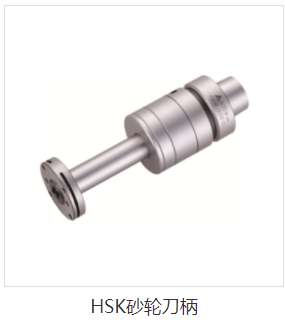
Components and Accessories for Metal Forming Machines
Source precision components and accessories for metal forming machines from vetted manufacturers and wholesale suppliers. Built for importers, industrial distributors, and brands seeking reliable OEM production, our network delivers high-quality tooling and replacement parts for bulk procurement.
Sourcing components and accessories for metal forming machines—whether press brake tooling, stamping dies, hydraulic cylinders, or precision backgauges—requires navigating strict tolerances and demanding metallurgical standards. A minor deviation in a punch profile or inadequate heat treatment on a die can lead to accelerated wear, machine downtime, or compromised final product quality. For volume buyers, the challenge is identifying manufacturers who consistently control both the raw material quality and the precision machining processes required for high-tonnage applications.
Metallurgical Standards and Material Selection
The lifespan of forming tools and machine accessories is dictated by the underlying metallurgy. Balancing hardness (to resist wear) with toughness (to prevent shattering under pressure) is the primary engineering challenge. Suppliers typically offer various steel grades, but verifying the actual composition is critical.
| Material Grade | Typical Application | Standard Hardness | Key Characteristic |
|---|---|---|---|
| 42CrMo (Alloy Steel) | Standard press brake tooling | HRC 47-52 | Excellent balance of strength and toughness |
| T8 / T10 (Carbon Tool Steel) | Light duty dies and punches | HRC 50-55 | Cost-effective but prone to faster wear |
| Cr12MoV (Cold Work Die Steel) | Heavy-duty stamping dies | HRC 58-62 | High wear resistance for deep drawing |
When negotiating specifications, ensure the factory explicitly states the steel grade and the heat treatment method. Induction hardening on the working surfaces (rather than through-hardening the entire piece) is often preferred for long tooling, as it maintains a ductile core that absorbs the kinetic energy of the forming process.
Manufacturing Vulnerabilities and Quality Control
The physical production of metal forming accessories involves CNC milling, deep hole drilling (for hydraulic blocks), and precision grinding. However, the most common point of failure in offshore sourcing is inconsistent heat treatment.
If a supplier lacks in-house heat treatment facilities, they must outsource the process, which introduces significant variance. Uneven quenching can cause micro-cracks or warping that only becomes apparent under heavy load. Implementing strict Quality Control & Inspection protocols, including ultrasonic flaw detection and hardness testing, is essential before these heavy components are packaged and shipped.
Critical Factory-Floor Checks for Forming Components
- Verify in-house CNC grinding capabilities for achieving tight dimensional tolerances (often within 0.01mm).
- Request material test reports (MTRs) to confirm the chemical composition of the steel billets.
- Inspect the heat treatment logs to ensure consistent temperature control and quenching times.
- Check the surface finish (Ra value) on hydraulic cylinder rods to ensure seal longevity.
- Confirm compatibility testing with standard mounting systems (e.g., Amada, Promecam, Wila).
Struggling with inconsistent tooling lifespans? Let us vet and match you with manufacturers who control their metallurgy and heat treatment in-house.
Talk to our teamCustom Tooling and OEM Integration
Many distributors and machinery brands require custom accessories—such as specialized clamping systems, proprietary CNC controller interfaces, or custom-profiled dies for specific manufacturing runs.
When engaging a factory for OEM/ODM Services, clear technical drawings (CAD/STEP files) and exact material callouts are non-negotiable. Reverse engineering is common, but you must ensure the supplier understands the operational stresses the part will endure.
Tooling Ownership
When co-developing custom stamping dies or proprietary machine accessories, clearly define mold and tooling ownership in your manufacturing agreement. Ensure the factory cannot repurpose your custom profiles for domestic market sales.
Procurement Realities: MOQs, Pricing, and Lead Times
Pricing for metal forming accessories is highly sensitive to raw steel commodity prices and the complexity of the machining required. Because these components are heavy and require significant machine time, lead times are rarely short.
Conducting comprehensive Factory Audits is highly recommended before placing volume orders. An audit will reveal whether a supplier actually operates the heavy-duty grinding machinery required for precision forming tools, or if they are merely an assembly workshop outsourcing the critical machining steps.
Need realistic pricing and lead times for your custom machine accessories? We can source, audit, and negotiate with top-tier industrial manufacturers on your behalf.
Get a free consultationFrequently Asked Questions
Successfully sourcing components and accessories for metal forming machines comes down to verifying the invisible: the internal metallurgy and the precision of the heat treatment. By partnering with audited facilities that maintain strict process controls, you can secure industrial-grade components that deliver consistent performance without the premium markups of domestic distributors.
Get Sourcing Help for Components and Accessories for Metal Forming Machines
Tell us your requirements and our experts will connect you with verified manufacturers.