Component Forming Machines
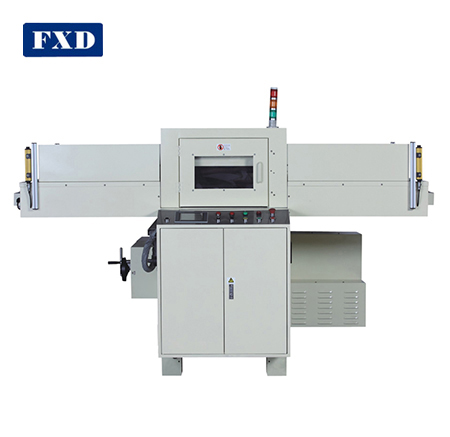
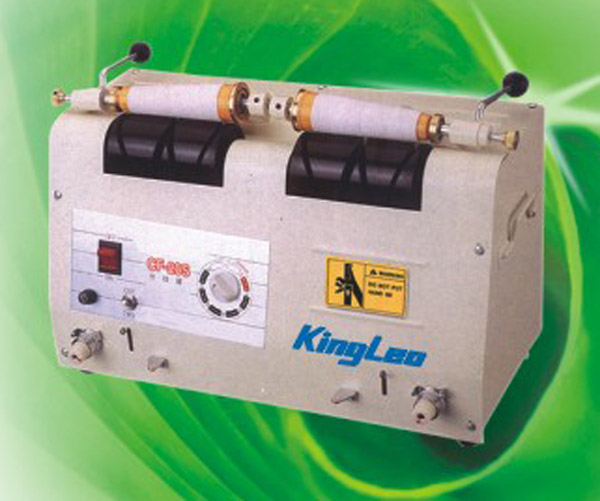
Source high-precision Component Forming Machines from vetted suppliers and manufacturers in China and across Asia. Designed for importers, distributors, and electronics manufacturers sourcing bulk assembly equipment, our network delivers reliable lead cutting and forming machinery for PCB production.
Component forming machines are critical for preparing through-hole components—such as resistors, capacitors, diodes, and ICs—for printed circuit board (PCB) insertion. The primary sourcing challenge with this equipment is balancing high-speed throughput with mechanical precision. Substandard machines often induce mechanical stress on component bodies, cause micro-cracking in glass diodes, or produce inconsistent lead lengths that ultimately jam downstream auto-insertion equipment.
When procuring these machines in volume for distribution or outfitting large-scale manufacturing facilities, buyers must evaluate motor durability, tooling steel quality, and the precision of the forming dies.
Key Technical Specifications to Verify
Not all forming machines are built to the same tolerances. When evaluating a supplier's catalog, you must match the machine's capabilities to the specific packaging (tape-and-reel, ammopack, or loose) and component types (axial vs. radial) your end-users process.
Pay close attention to the tooling material. The cutting blades and forming dies are the highest-wear parts on the machine. High-quality manufacturers use Japanese SKD11 tool steel or tungsten carbide, whereas lower-tier factories may use inferior carbon steels that require frequent sharpening or replacement, leading to unacceptable downtime.
Need help verifying the tooling quality and motor specifications of potential suppliers?
Get a free consultationWhere Quality is Won or Lost on the Factory Floor
Manufacturing a reliable component forming machine requires precise CNC machining of the gears, feeding tracks, and cutting dies. If the feeding track is poorly machined, components will jam. If the motor lacks sufficient torque, the machine will stall on thicker copper leads.
When evaluating a manufacturer, look for comprehensive in-house machining capabilities rather than pure assembly workshops. Conducting rigorous Factory Audits is essential to verify that the supplier actually machines their own critical components and calibrates the forming dies to strict tolerances before shipment.
Critical Inspection Points for Forming Machines
- Blade and Die Hardness: Request material certificates for all cutting surfaces.
- Motor and Drive System: Verify the use of branded, continuous-duty rated motors (e.g., Panasonic or high-tier domestic brands) rather than generic stepper motors.
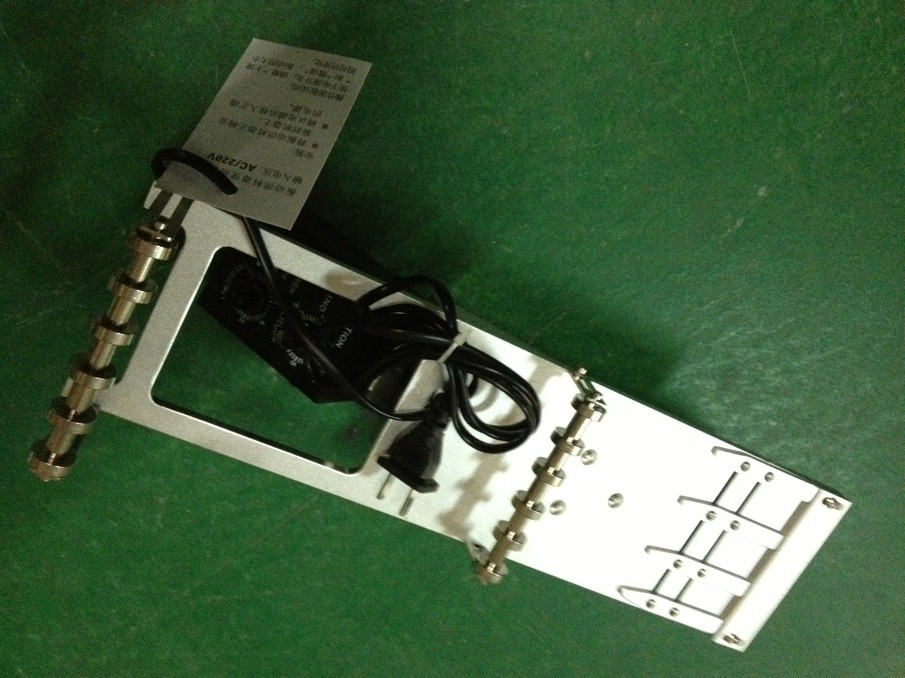
- Feeding Track Calibration: Ensure the track width is easily adjustable and locks securely to prevent tape wandering.
- Vibration and Noise: Excessive vibration indicates poor chassis construction and will lead to premature wear of the forming dies.
Pricing, MOQs, and Logistics Reality
Because component forming machines are specialized industrial equipment, Minimum Order Quantities (MOQs) are generally low. You can typically source 1 to 5 units for initial orders. However, wholesale distributors outfitting catalogs can negotiate significant tiered discounts on batches of 10, 20, or 50 units.
| Machine Type | Typical Throughput | Target Application |
|---|---|---|
| Manual Crank Formers | Up to 20,000 cph | Low-volume runs, prototyping, or small workshops. |
| Motorized Taped Formers | 40,000 - 60,000 cph | Medium to high-volume standard axial/radial production. |
| Vibratory Bowl Formers | 5,000 - 10,000 cph | Processing bulk, loose components without tape. |
Lead times for standard models range from 15 to 30 days, while machines requiring custom forming dies (e.g., specific snap-in bends or unusual lead pitches) may take 45 days. Because these machines contain heavy steel chassis and sensitive calibrated parts, proper crating is mandatory. Implementing strict Quality Control & Inspection prior to crating ensures the machine operates perfectly before it leaves the factory floor. Furthermore, coordinating specialized Shipping & Freight for heavy machinery is critical to avoid transit damage and manage customs clearance efficiently.
Streamline your procurement process and secure reliable logistics for heavy industrial equipment.
Talk to our teamFrequently Asked Questions
Sourcing component forming machines requires looking past the outer casing and evaluating the metallurgy of the blades, the precision of the feeding track, and the stability of the drive motor. By partnering with vetted manufacturers who prioritize machining tolerances over simple assembly, you ensure a lower total cost of ownership and eliminate production bottlenecks for the end-user.
Get Sourcing Help for Component Forming Machines
Tell us your requirements and our experts will connect you with verified manufacturers.