Compactors
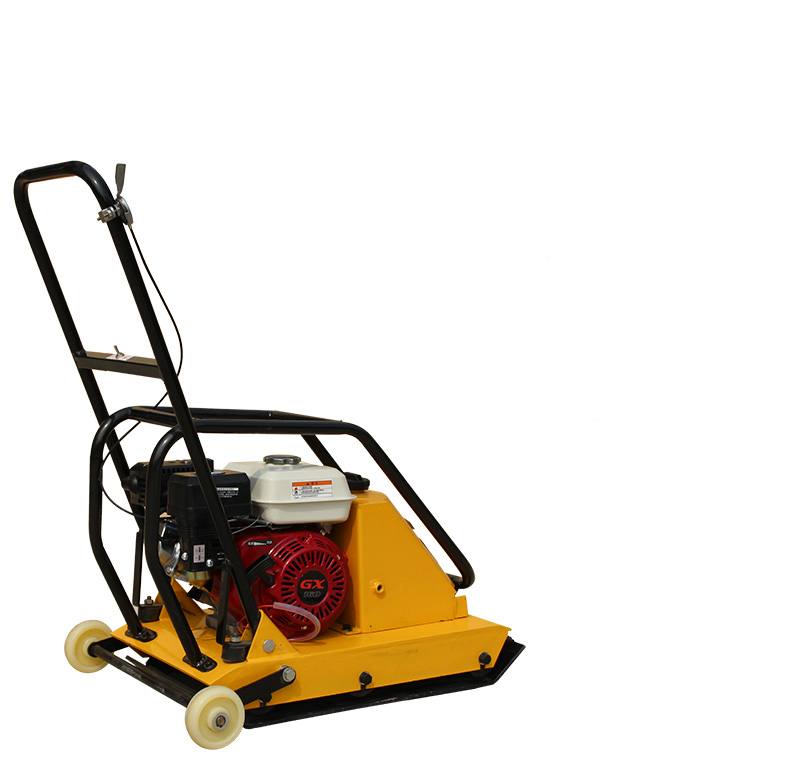
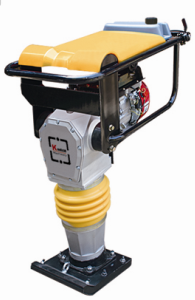
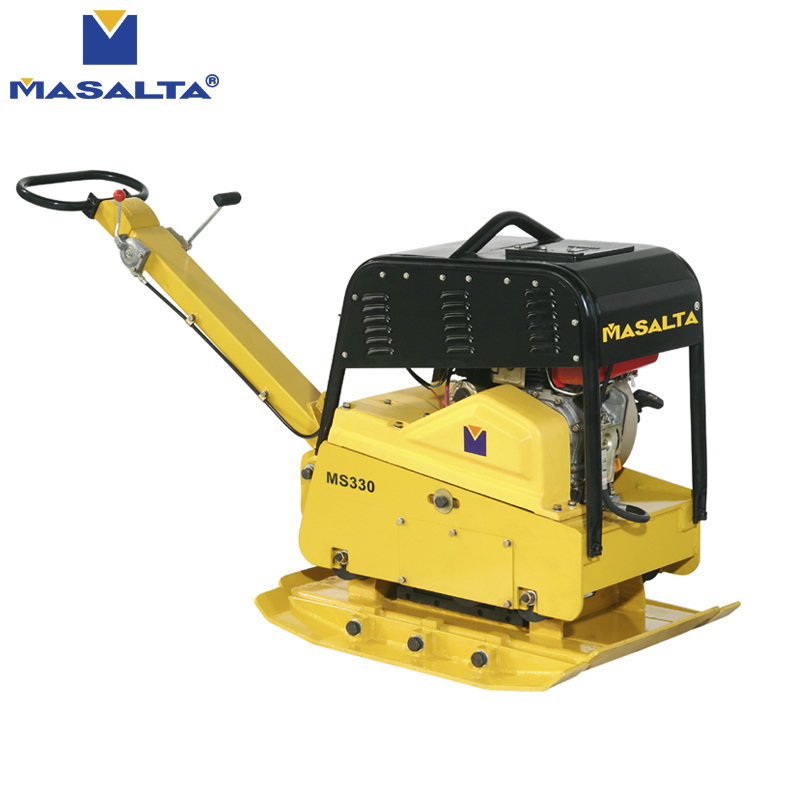
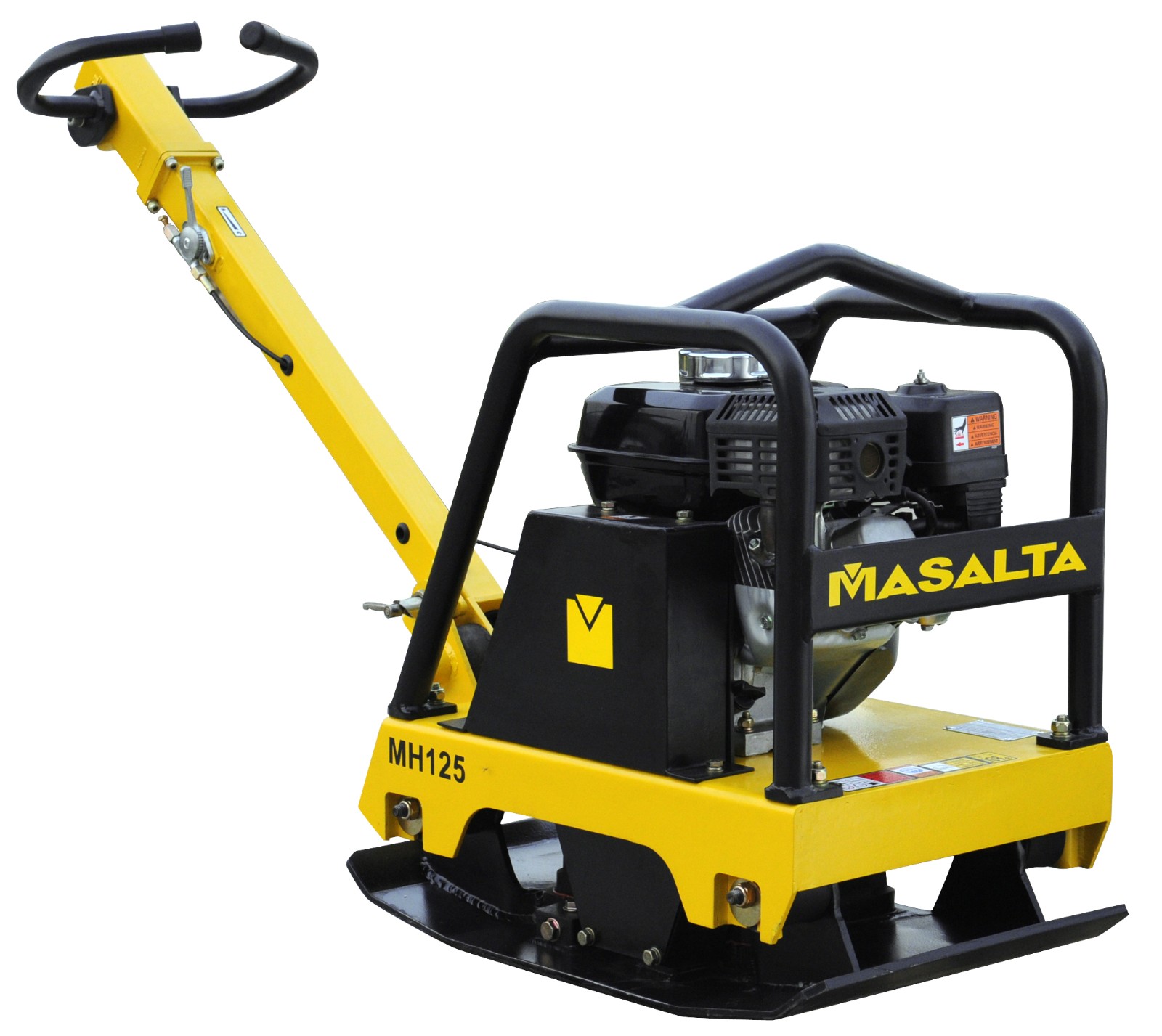
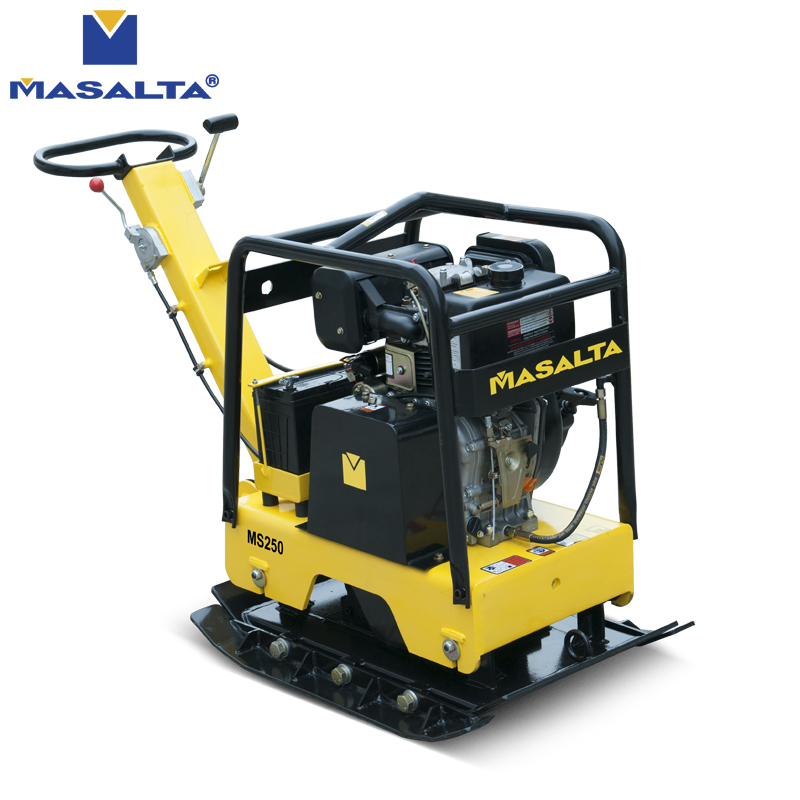
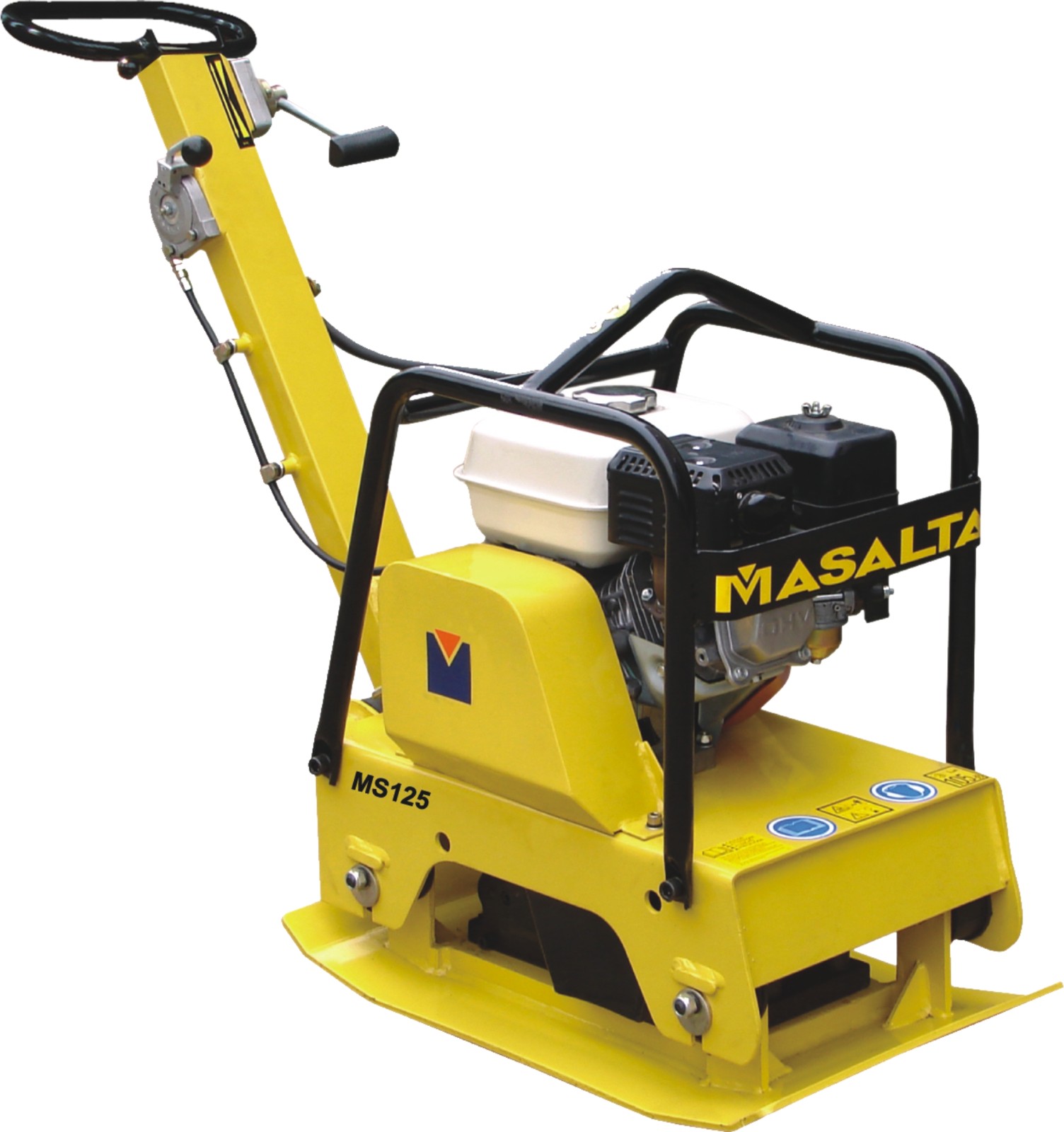
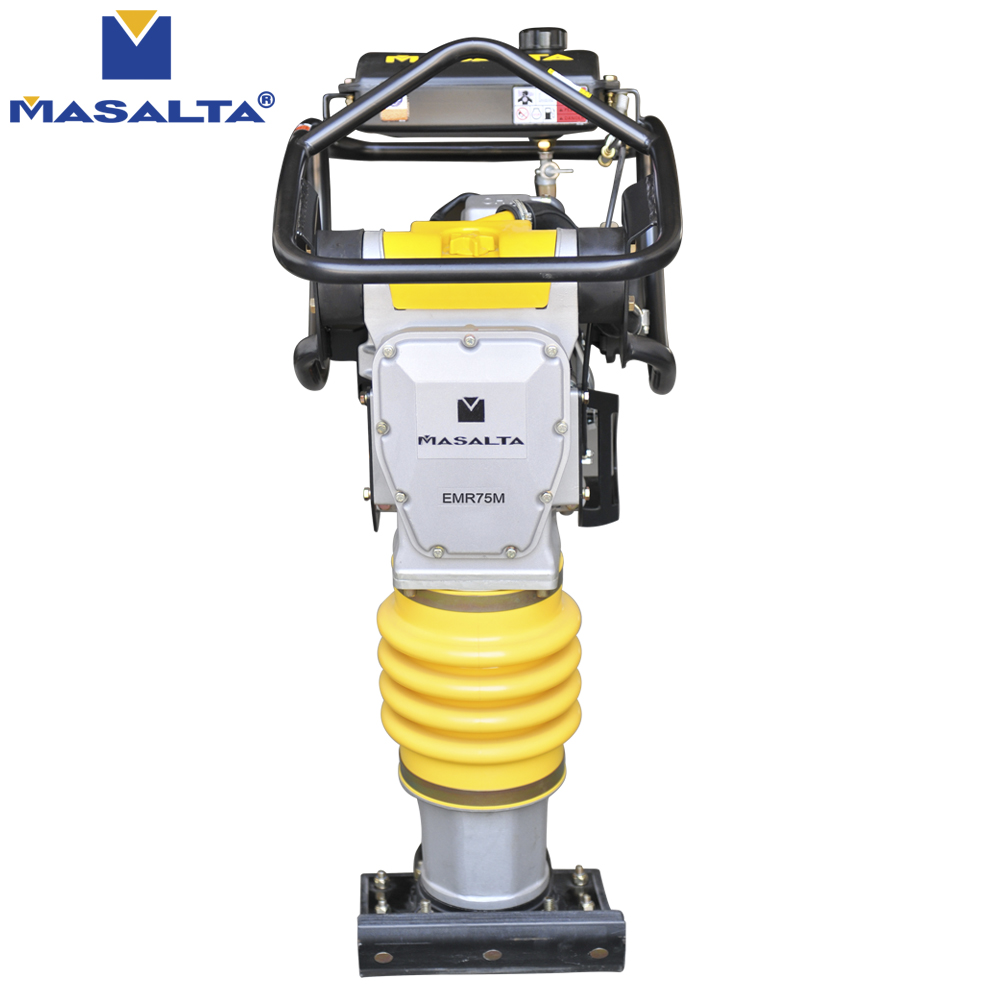
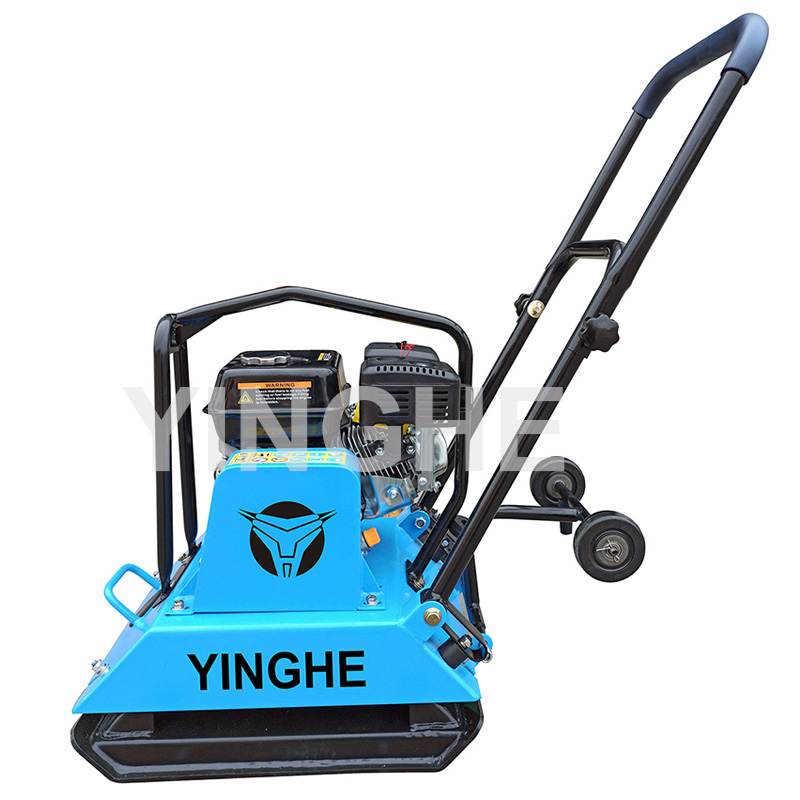
Source commercial-grade compactors from vetted suppliers and manufacturers across Asia. Designed for heavy equipment importers, construction machinery distributors, and brands seeking reliable OEM production, our network delivers high-performance compaction equipment built to international standards at competitive wholesale volumes.
Sourcing heavy-duty compactors requires balancing raw compaction force with long-term mechanical reliability. For bulk buyers and OEM brands, the challenge lies in identifying assembly facilities that do not just source off-the-shelf engines, but also maintain rigorous metallurgical standards for base plates and precision machining for exciter units.
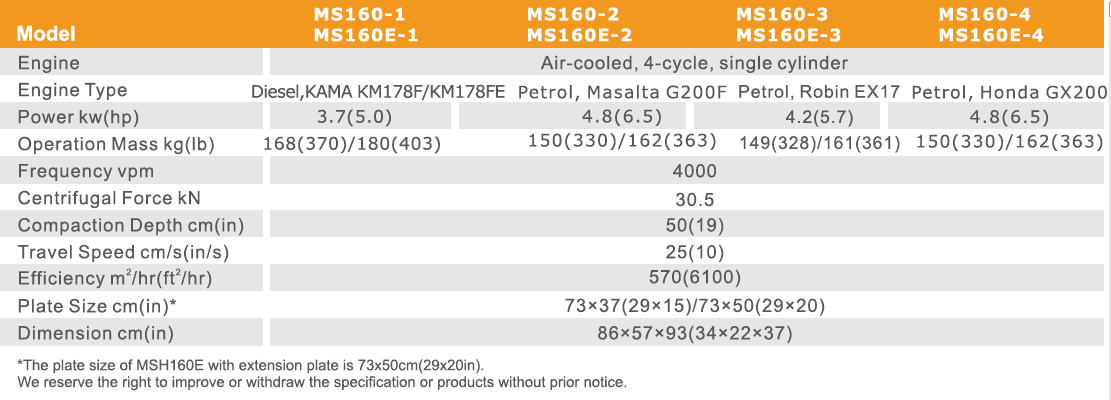
Critical Specifications for OEM and Wholesale Orders
When negotiating with manufacturers, vague specifications lead to inconsistent performance. Define these metrics upfront to ensure the factory understands your quality baseline:
- Centrifugal Force (kN): Determines the compaction depth and overall capability of the machine.
- Vibration Frequency (vpm): Must match the intended soil type (higher frequencies for granular soils, lower frequencies for cohesive materials).
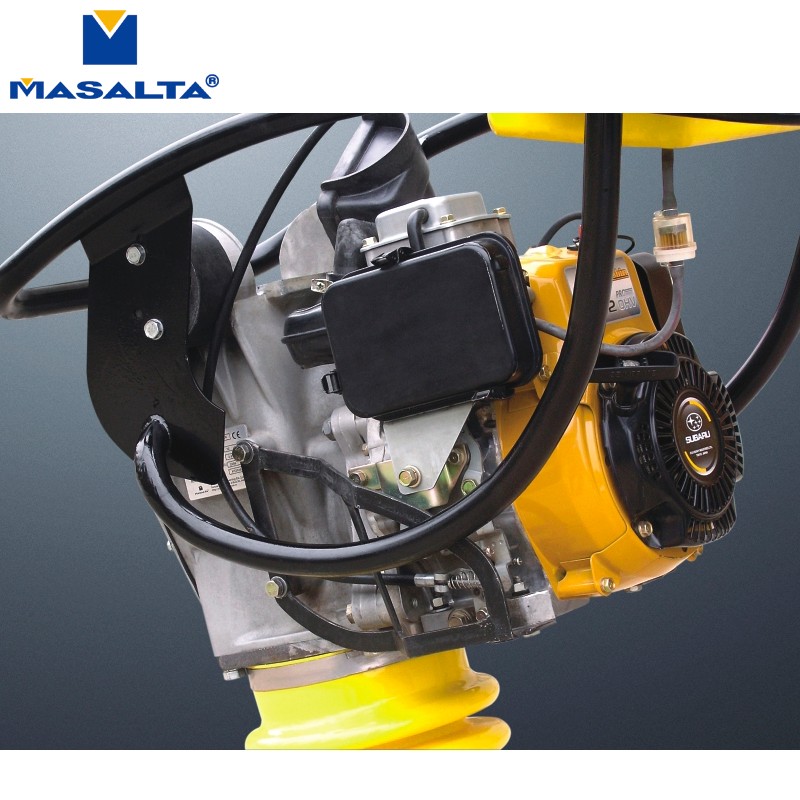
- Engine & Emissions Compliance: Specify EPA Tier 4 or EU Stage V if importing to regulated markets. Avoid generic "gasoline engine" or "diesel engine" descriptions; specify the brand (e.g., Honda, Kohler, or vetted Chinese equivalents like Loncin) and exact displacement.
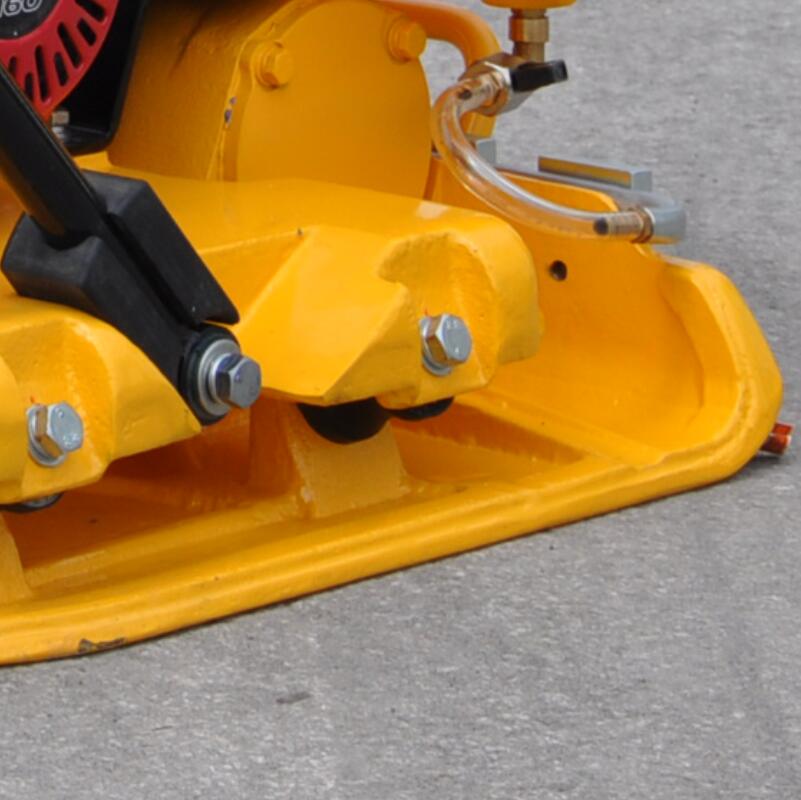
| Base Plate Material | Characteristics | Best Application |
|---|---|---|
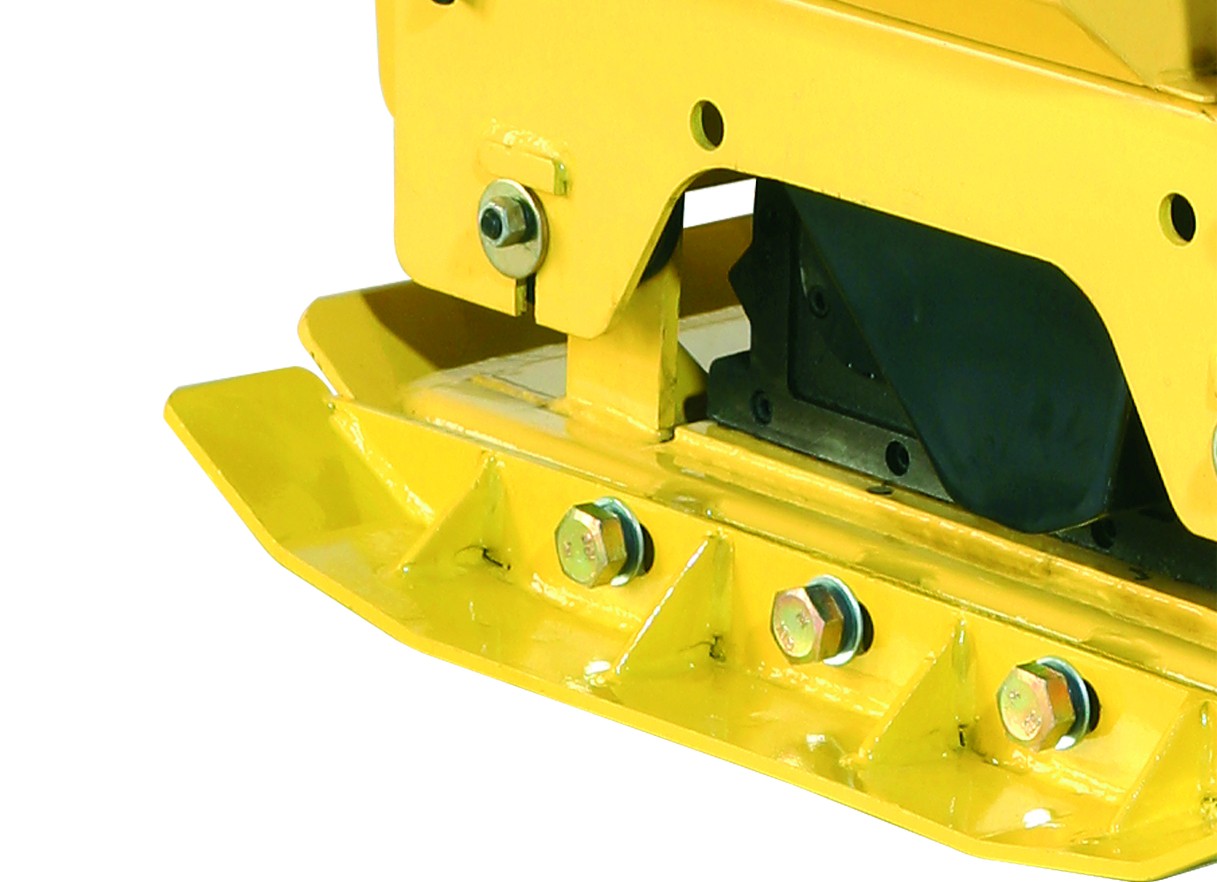
| Ductile Cast Iron | High wear resistance, brittle under extreme impact | Heavy-duty commercial use and asphalt work |
| High-Strength Steel | Better tensile strength, prone to warping if too thin | Standard commercial and rental fleets |
Need help verifying factory capabilities and engine authenticity? Our engineers on the ground can audit facilities before you commit to a volume order.
Talk to our teamEvaluating Compactor Manufacturers
Not all heavy machinery factories are equal. Many are simply final assembly workshops that bolt together purchased components. To ensure consistent quality, you must verify the supplier's in-house capabilities. Thorough factory audits should focus on:
Machining of the Exciter Housing
The exciter is the heart of the compactor. Look for CNC machining centers ensuring tight tolerances for bearing fits. Loose fits lead to premature bearing failure.
Welding Standards
Constant vibration destroys poor welds. Check for robotic welding or certified manual welders using appropriate shielding gases on the frame and handle mounts.
Engine Sourcing and Storage
Verify their supply chain for branded engines. Improper storage of engines before assembly can lead to carburetor, fuel system, and internal corrosion issues.
Pre-Shipment Inspection Focus Areas
Because compactors literally shake themselves apart by design, quality control and inspection cannot be limited to visual checks. You must implement rigorous functional testing before the units are crated.
Essential QC Checks for Compactors
- Run-test duration: Minimum 15-minute operational test to check for abnormal exciter noise and operating temperature.
- Fastener torque verification: Ensure all critical bolts are secured with threadlocker and torqued to exact specifications.
- Vibration isolation mounts: Inspect rubber shock mounts for durometer consistency and bonding strength.
- Belt alignment and tension: Check the drive belt connecting the engine to the exciter for proper alignment to prevent premature wear.
Typical MOQs, Lead Times, and Freight
Compactors are capital-intensive and heavy, making logistics a significant portion of your landed cost. Planning your procurement cycle requires understanding these operational realities:
- Minimum Order Quantities (MOQs): Typically range from 10 to 50 units, often dictated by engine supplier minimums or container utilization (e.g., maximizing a 20ft container load).
- Production Lead Times: Expect 35 to 60 days. Lead times frequently stretch during peak construction preparation seasons (late winter and early spring).
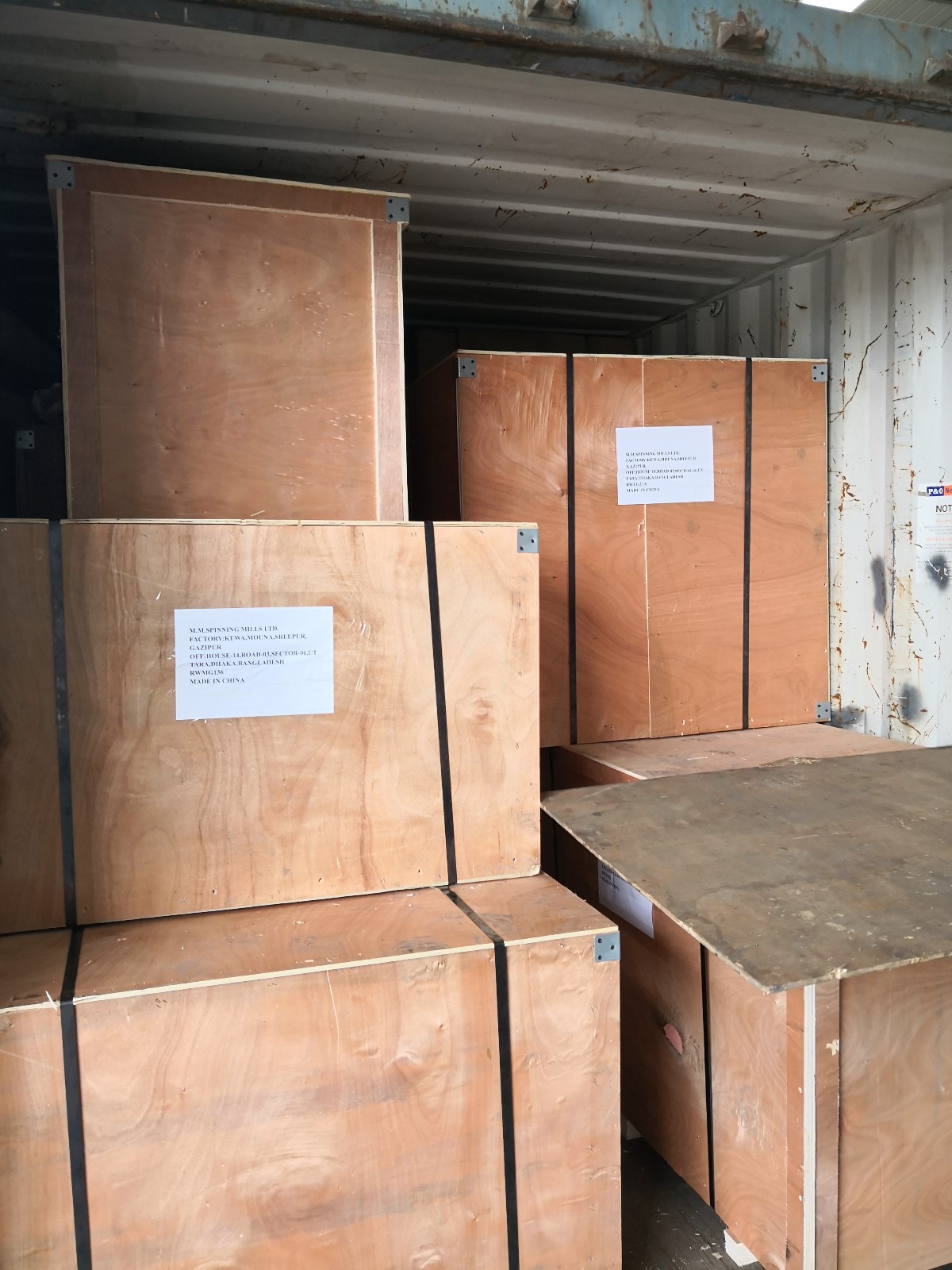
- Shipping & Freight: Due to their weight and footprint, compactors require careful container stuffing. Custom crating (usually heat-treated wood or steel frames) is essential to prevent transit damage. Coordinating heavy machinery shipping and freight requires precise weight distribution planning to avoid container imbalance surcharges and ensure safe unloading.
Struggling with high freight costs or inconsistent production schedules? Let us optimize your machinery supply chain from the factory floor to your warehouse.
Get a free consultationFrequently Asked Questions
Successfully sourcing compactors requires looking past the spec sheet and examining the factory's machining tolerances, welding quality, and component supply chain. When you control the manufacturing inputs and enforce strict pre-shipment testing, you secure machinery that performs reliably on the job site and protects your brand's reputation.
Get Sourcing Help for Compactors
Tell us your requirements and our experts will connect you with verified manufacturers.