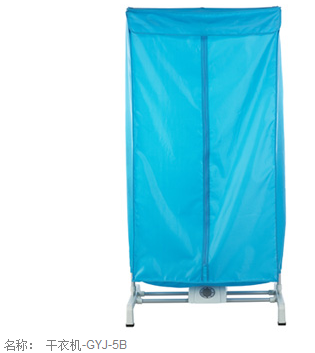
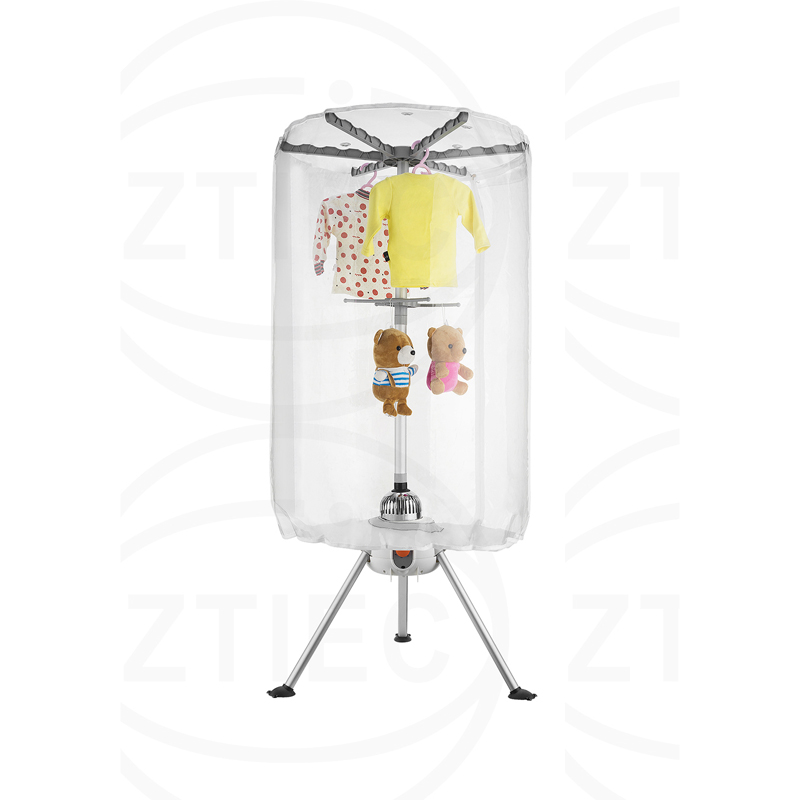
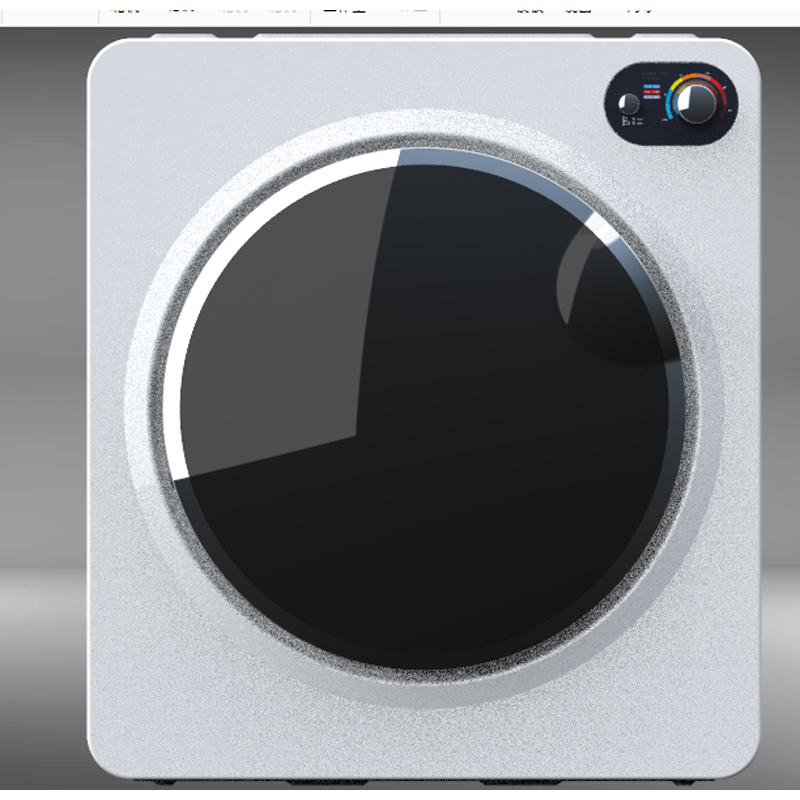
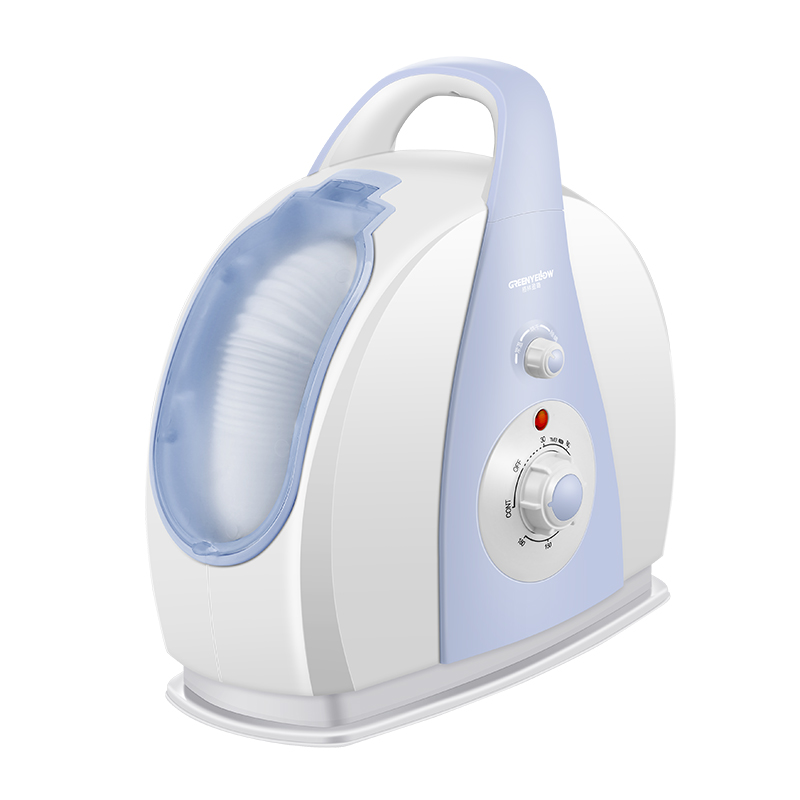
Compact Clothes Dryers
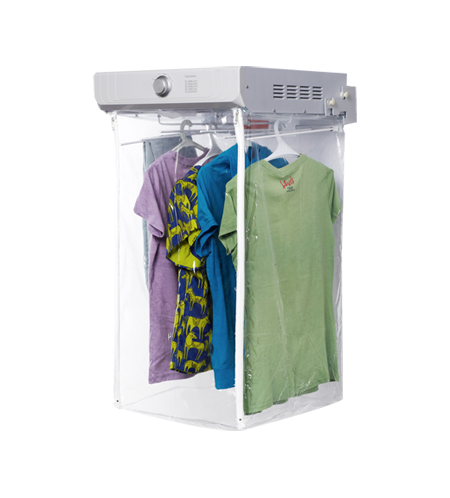
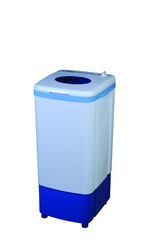
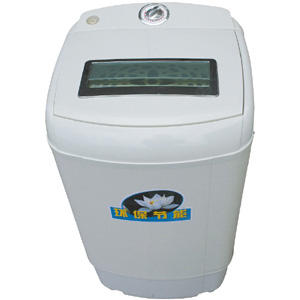
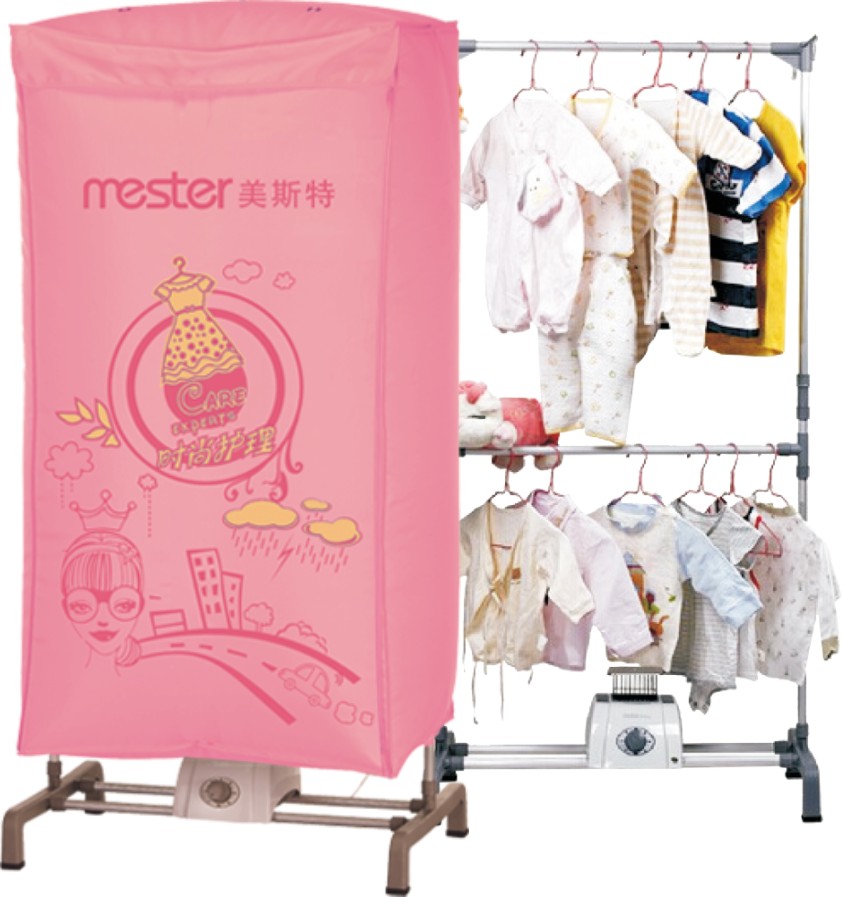
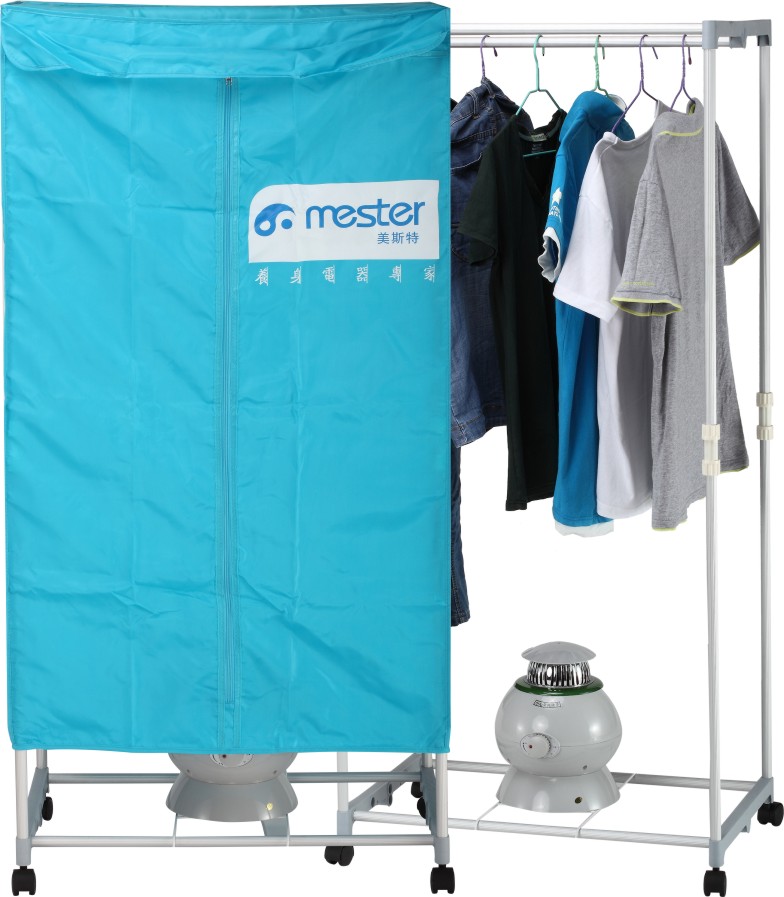
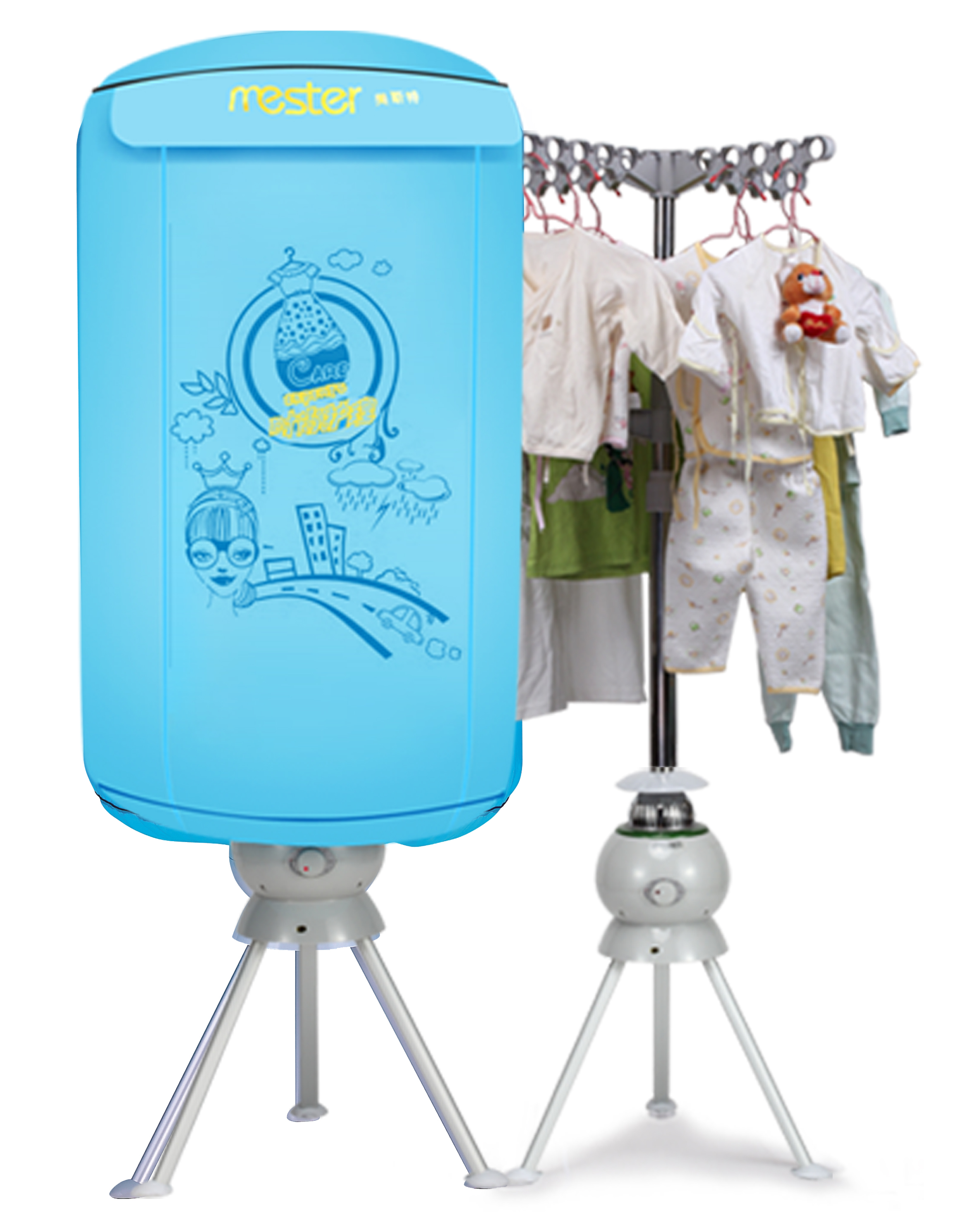
Source compact clothes dryers from vetted manufacturers and wholesale suppliers. Designed for importers, distributors, and appliance brands seeking reliable OEM and private-label production, our network delivers scalable manufacturing, rigorous quality control, and compliant appliances for global markets.
Sourcing compact clothes dryers requires balancing thermal efficiency, noise reduction, and strict electrical safety standards within a constrained housing. Because these units are typically installed in apartments, RVs, or tight utility closets, buyers must specify precise dimensions, reliable heating elements, and robust thermal protection systems. Navigating the supplier landscape means differentiating between factories that assemble off-the-shelf components and manufacturers with genuine engineering capabilities to customize airflow and electronic controls.
Core Specifications to Define with Manufacturers
When negotiating with a factory, vague requirements lead to inconsistent product quality. You must dictate the exact component grades, particularly for the drum, motor, and heating assembly. Most compact dryers range from 1.5 to 3.5 cubic feet (roughly 2.5kg to 4kg capacity), but the internal build quality determines the lifespan and warranty return rate.
| Component | Standard Market Spec | Premium OEM Spec |
|---|---|---|
| Drum Material | Galvanized Steel | 304 Stainless Steel |
| Heating Element | Exposed Wire Coil | PTC Ceramic Heater |
| Control Interface | Mechanical Dial (Timer) | Digital Touch Panel with Sensors |
| Motor Type | Standard AC Motor | Brushless DC (BLDC) Motor |
The choice of heating element is particularly critical. PTC (Positive Temperature Coefficient) ceramic heaters are increasingly preferred over traditional wire coils in compact units because they self-regulate temperature, reducing the risk of overheating in confined spaces.
Electrical Safety, Compliance, and Quality Control
Compact dryers draw significant current, making electrical safety the primary sourcing risk. Depending on your target market, the appliance must pass stringent regulatory standards (such as UL or ETL for North America, and CE, CB, or RoHS for Europe). Relying solely on a supplier's self-declared certificates is a major risk; professional Compliance & Testing is essential to verify that the specific bill of materials used in your production run matches the certified prototype.
Beyond certifications, in-line and pre-shipment inspections are vital to catch assembly defects before the units are containerized.
Critical QC Inspection Points for Compact Dryers
- Hipot (High Potential) and ground bond testing on 100 percent of units.
- Thermal fuse and thermostat calibration checks to prevent overheating.
- Drum alignment and belt tension verification to minimize operational noise.
- Door switch functionality (unit must power down instantly when opened).
- Airflow and exhaust velocity testing to ensure proper moisture venting.
Implementing rigorous Quality Control & Inspection protocols ensures that units arriving at your distribution center are safe, functional, and ready for retail or wholesale distribution.
Need to secure reliable manufacturing for your appliance brand? Let us handle supplier vetting, technical negotiations, and on-site quality control.
Talk to our teamOEM and Private Label Customization
For brands looking to differentiate their product lines, engaging a factory for OEM/ODM Services allows for significant customization. While the internal chassis and drum tooling usually remain standard to keep costs down, factories can modify the external housing, control panel layout, and software cycles.
Upgrading from a mechanical timer to a digital control board with moisture sensors allows you to offer "auto-dry" features, elevating the product's market positioning. When sourcing custom variations, ensure the supplier has an in-house engineering team capable of recalibrating the thermal cut-offs to match any changes in airflow or housing design. Validating these capabilities upfront often requires comprehensive Factory Audits to assess their R&D and engineering departments.
Production Mechanics: MOQs, Pricing, and Lead Times
Because major appliances are bulky, production and shipping are heavily dictated by container yields. A standard 40HQ container typically holds between 150 and 300 compact dryers, depending on the exact dimensions (e.g., 2.5kg vs. 4kg models) and packaging thickness.
Pricing is highly sensitive to raw material costs (steel, copper for motors) and the specific components chosen. Upgrading to a stainless steel drum and a digital sensor board will typically add 15 to 25 percent to the base unit cost compared to a galvanized, mechanical-dial model. Always negotiate a spare parts agreement alongside the main purchase order to support your local warranty and repair operations.
Optimize your appliance supply chain. We help you negotiate better terms, manage production schedules, and consolidate freight.
Get a free consultationFrequently Asked Questions
Successfully sourcing compact clothes dryers requires a rigorous approach to electrical safety, component specification, and factory capability verification. By clearly defining your technical requirements and maintaining strict oversight during production, you can secure reliable appliances that protect your brand's reputation.
Get Sourcing Help for Compact Clothes Dryers
Tell us your requirements and our experts will connect you with verified manufacturers.