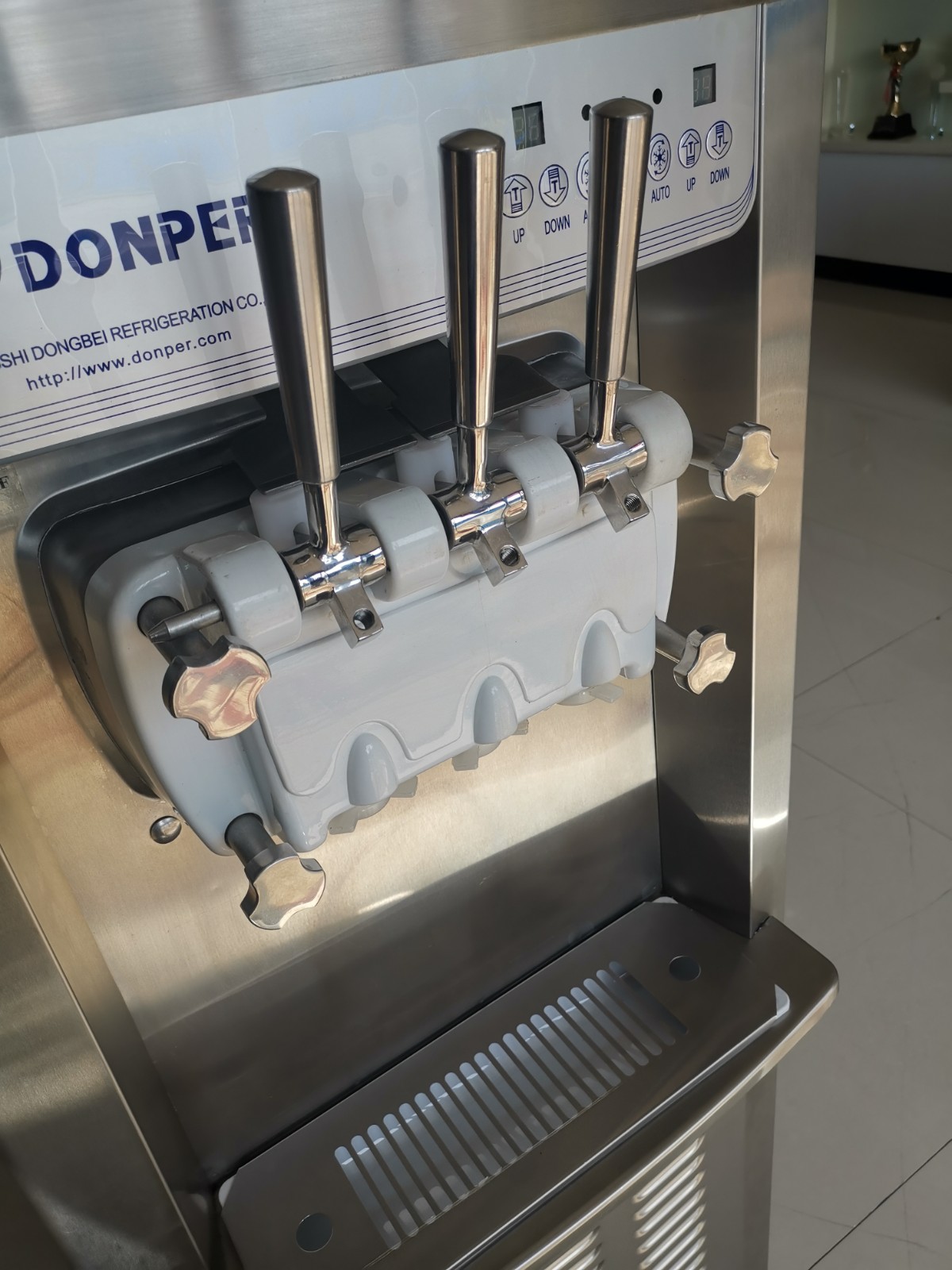
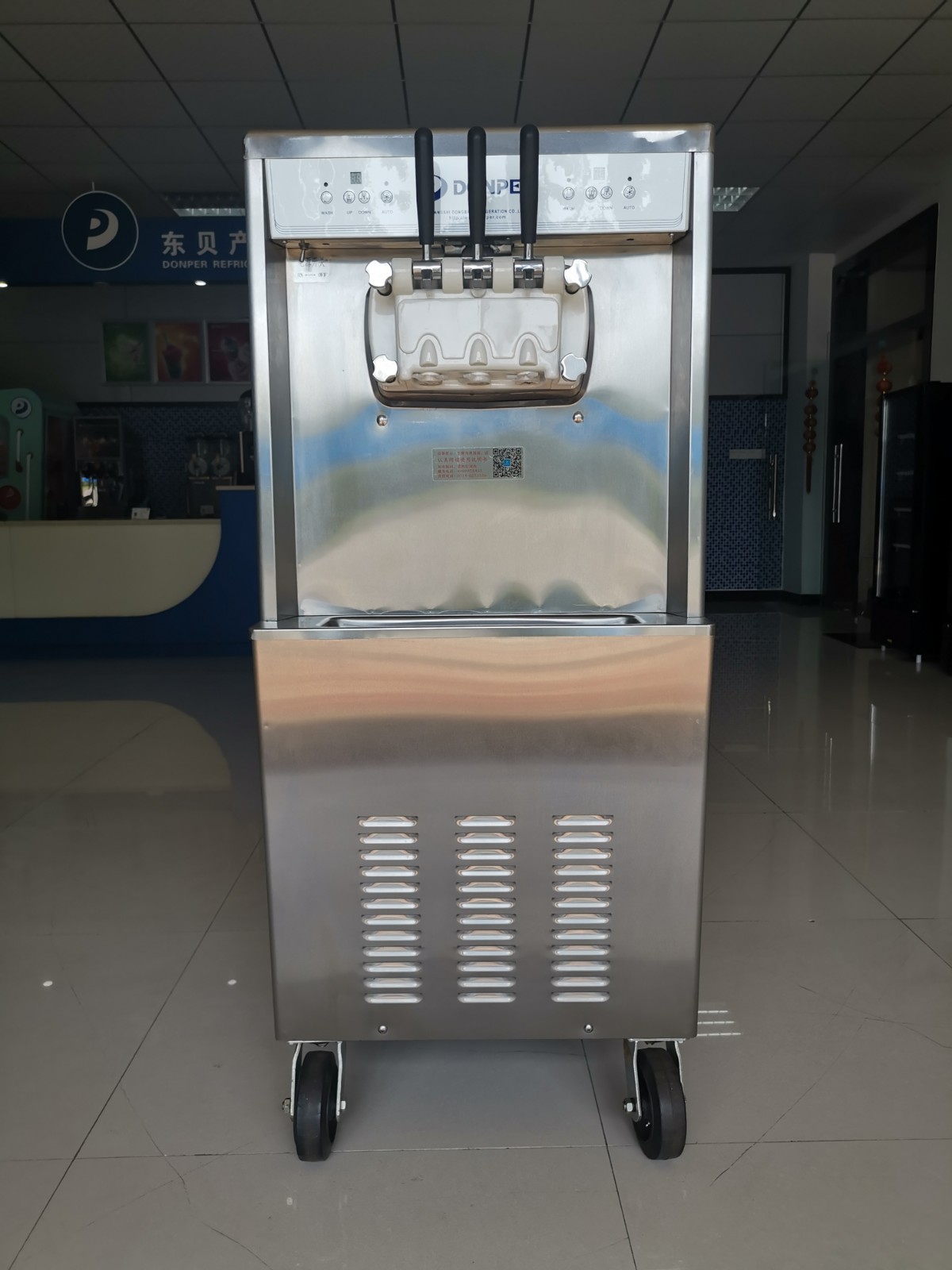
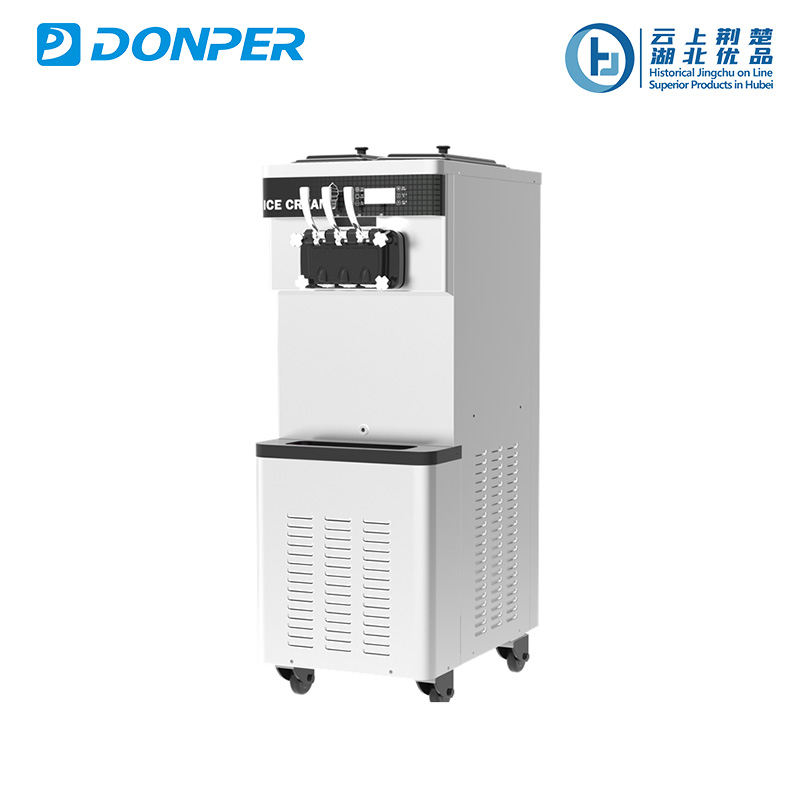
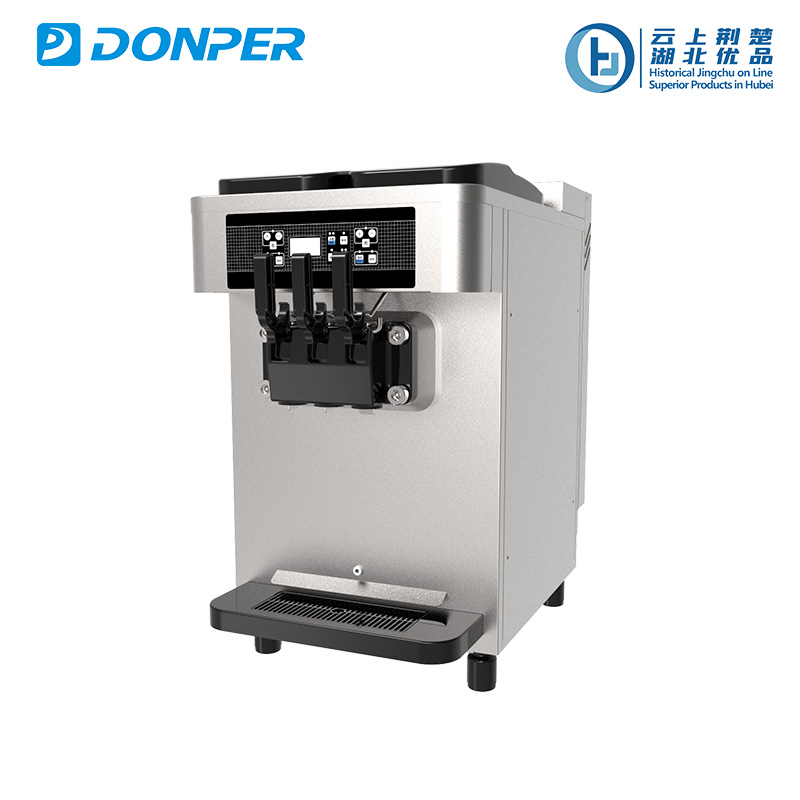
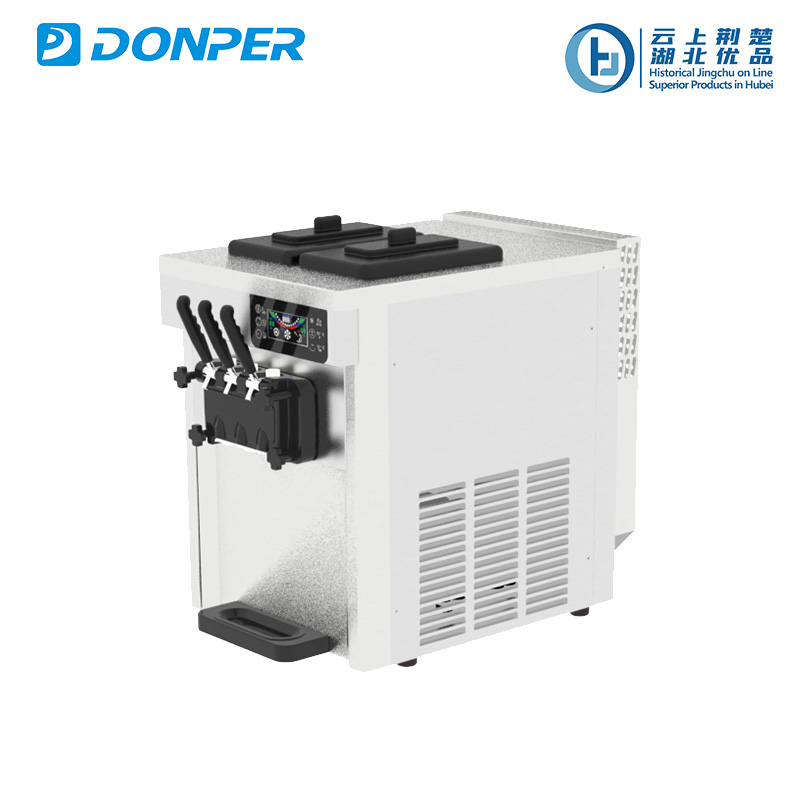
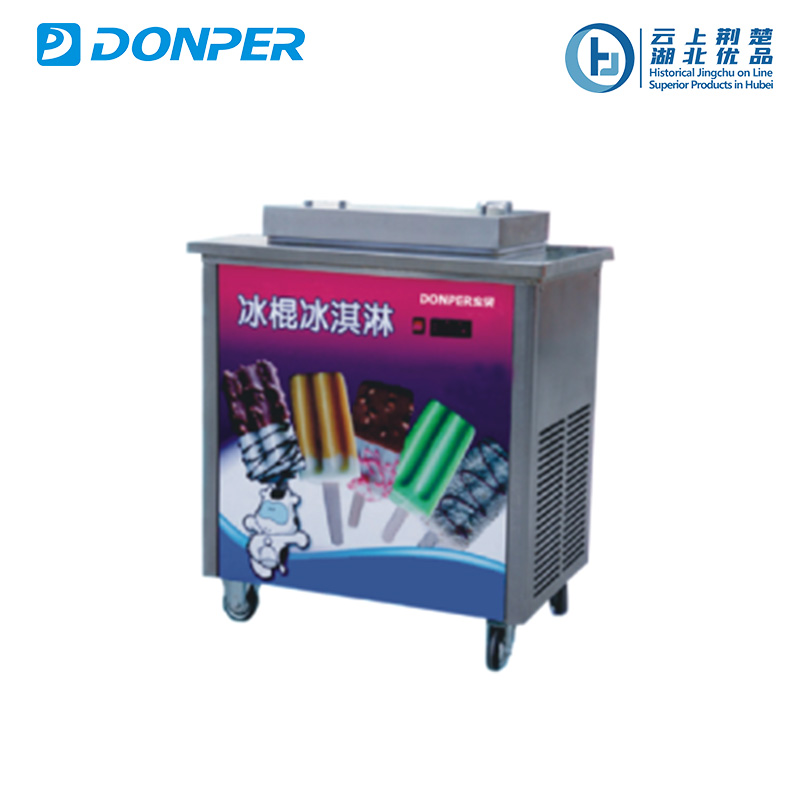
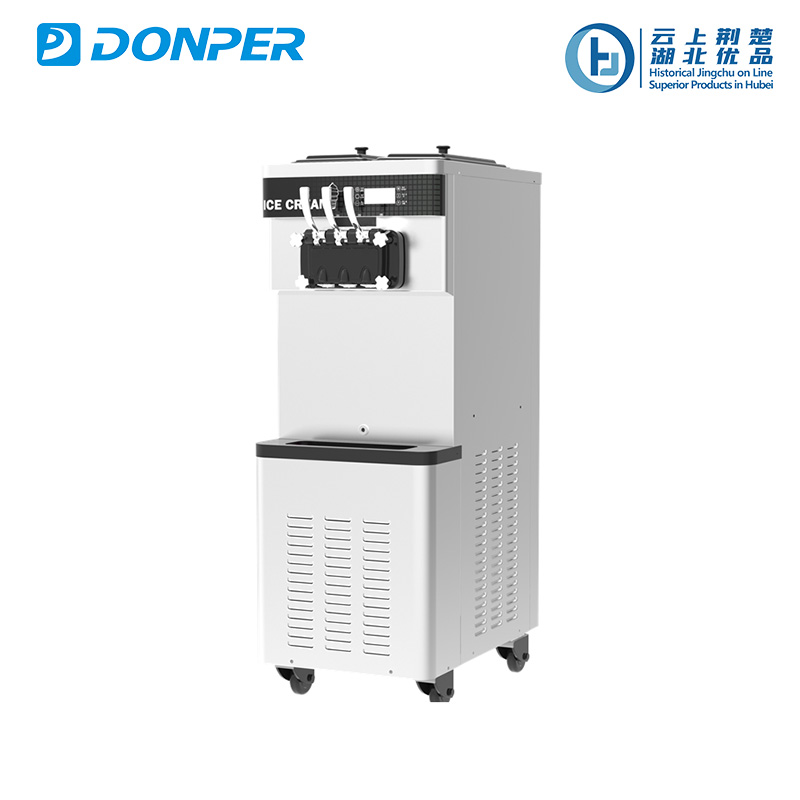
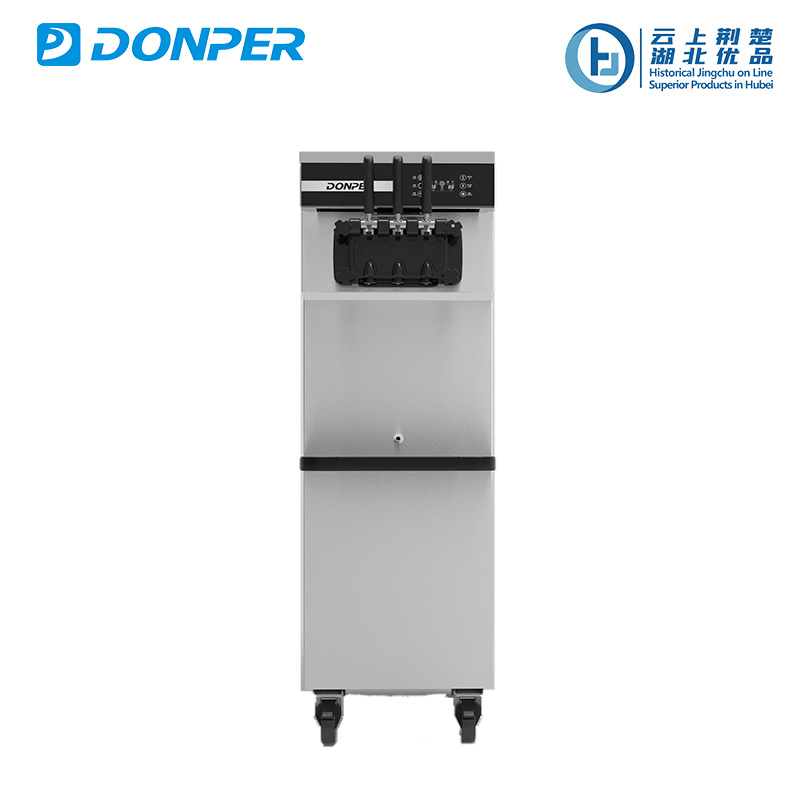
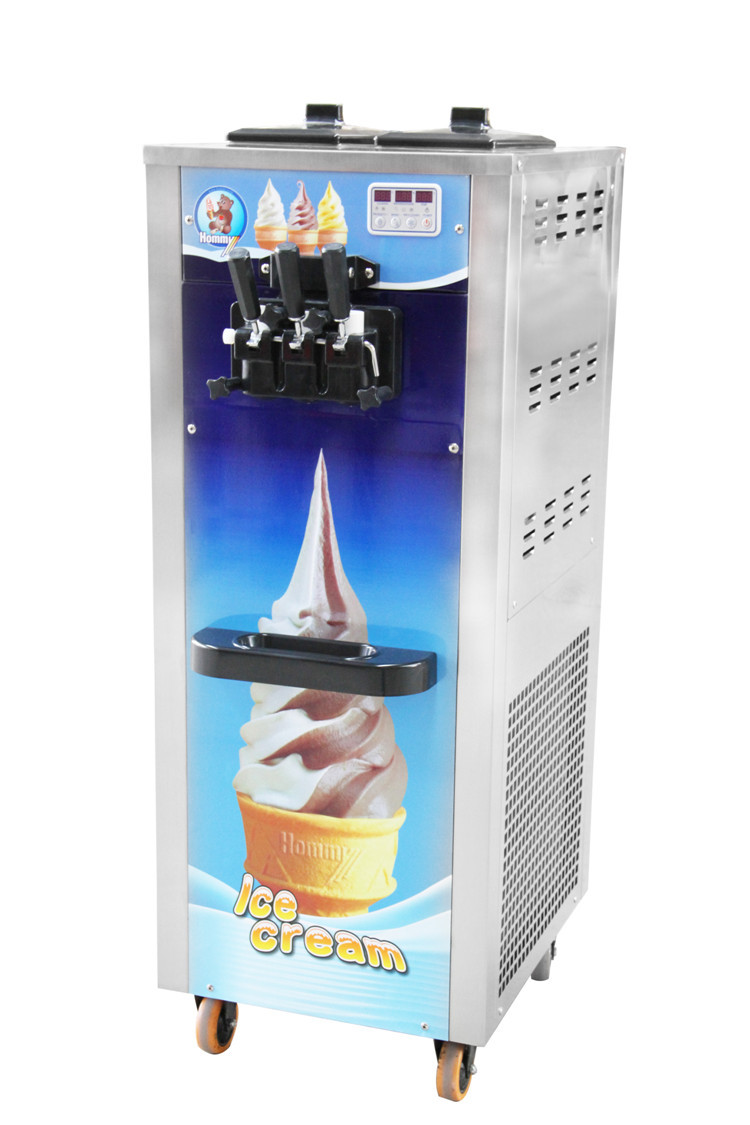
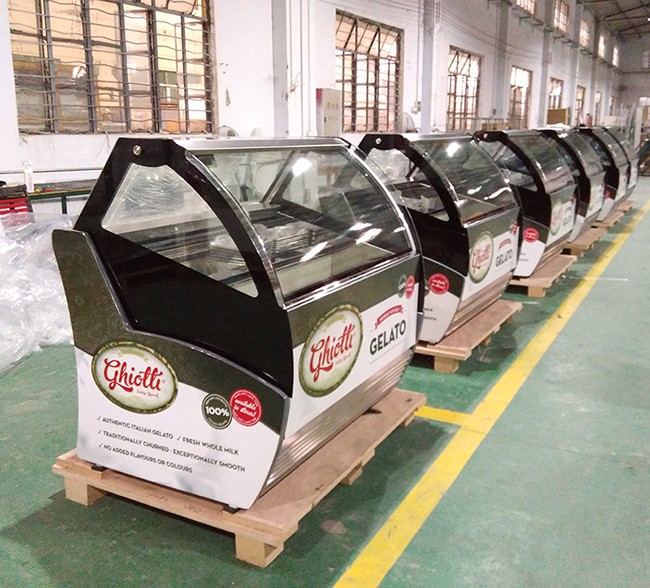
Commercial Ice Cream Machines
Source premium Commercial Ice Cream Machines directly from vetted manufacturers and suppliers. Designed for importers, wholesalers, and restaurant equipment brands looking for bulk purchasing or OEM/ODM private-label production. Ensure consistent freezing performance and food-safe compliance for your market.
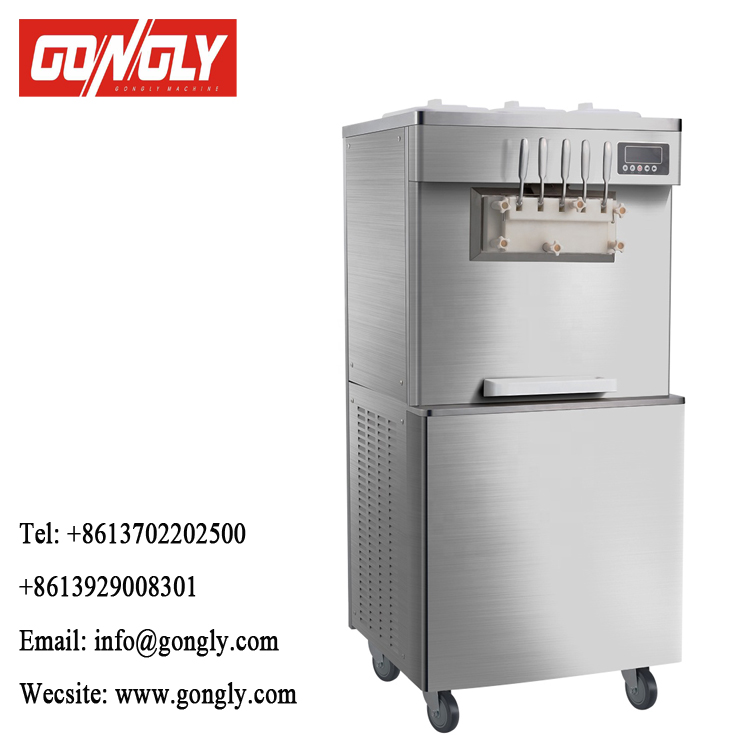
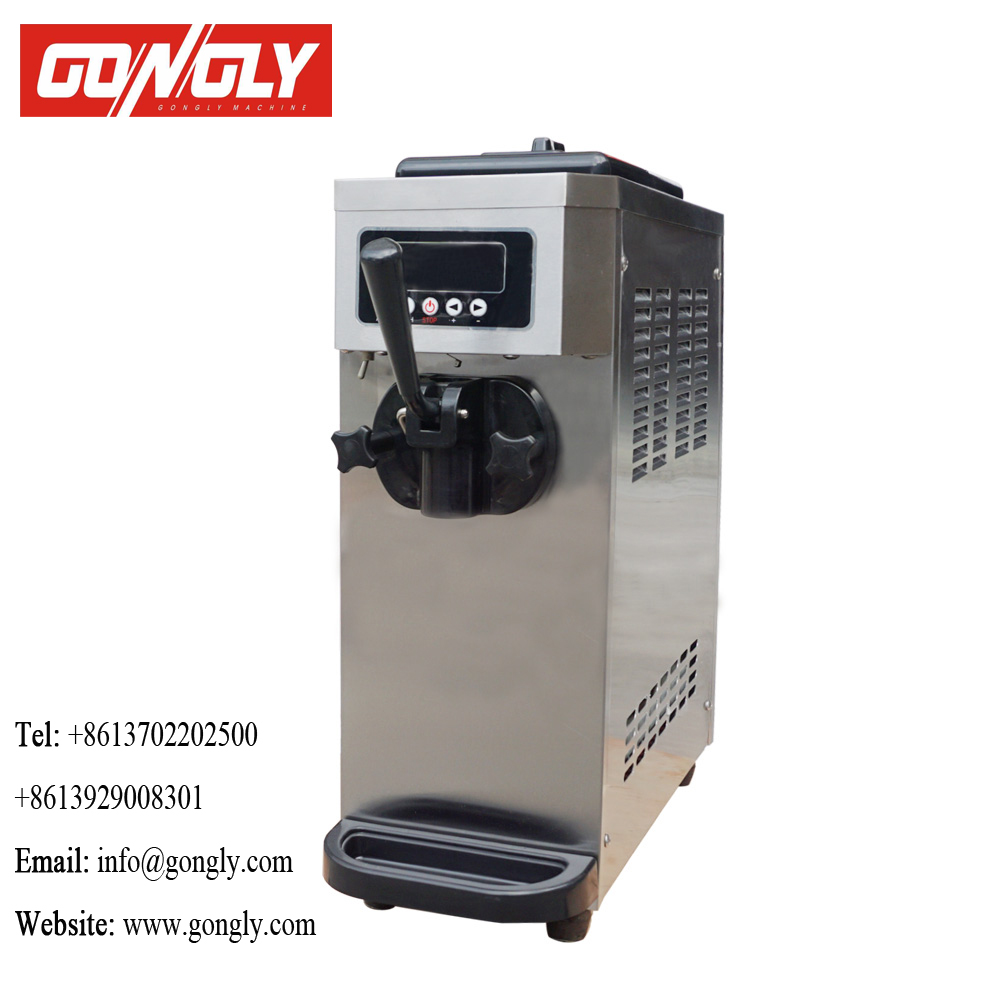
Sourcing commercial ice cream machines at scale requires navigating a complex intersection of refrigeration engineering, food safety compliance, and continuous-duty reliability. A unit that performs well in a factory showroom can easily fail during peak summer service if the compressor is undersized, the condenser airflow is poorly designed, or the insulation is inadequate. For volume buyers, the challenge lies in identifying manufacturers who engineer units capable of high-volume overrun and consistent temperature recovery, rather than those who simply assemble off-the-shelf components.
Core Specifications and Component Selection
The reliability of a commercial ice cream machine is largely dictated by its refrigeration cycle and the quality of its internal components. When negotiating specifications with a factory, the compressor brand and capacity are the primary cost drivers. Premium units typically utilize imported or joint-venture compressors (such as Embraco, Tecumseh, or Panasonic) paired with high-quality expansion valves (like Danfoss) to ensure rapid draw-down times and stable cylinder temperatures.
Equally critical is the choice of cooling system, which must align with the end-user's operating environment.
| Cooling System | Air-Cooled | Water-Cooled |
|---|---|---|
| Installation Requirements | Plug-and-play; requires minimum 6-inch clearance for airflow. | Requires dedicated water supply and floor drain. |
| Ambient Temperature Tolerance | Efficiency drops in hot kitchens (over 30°C/86°F). | Maintains high efficiency regardless of room temperature. |
| Maintenance | Requires regular cleaning of condenser filters. | Requires periodic descaling of water lines. |
Beyond refrigeration, the mechanical drive system—specifically the gearbox and beater motor—must be specified for continuous, high-torque operation. Heavy-duty stainless steel beaters offer better longevity and scraping efficiency compared to standard POM (polyoxymethylene) plastic alternatives.
Need help verifying factory engineering capabilities and compressor authenticity before placing a bulk order?
Talk to our teamManufacturing Tolerances and Quality Control
Quality is won or lost on the factory floor, particularly in the welding and assembly stages. Food safety regulations dictate that all food-contact surfaces, including hoppers and freezing cylinders, must be constructed from 304-grade stainless steel. Poor welding creates microscopic crevices where dairy residue can accumulate, leading to bacterial growth that will fail NSF or local health inspections.
Before committing to a supplier, executing comprehensive Factory Audits is essential to verify their metalworking precision, refrigerant charging stations, and leak detection protocols.
When establishing your Quality Control & Inspection checklist, insist on the following pre-shipment verifications:
- Refrigerant leak testing using electronic halogen detectors.
- Draw-down time verification (time taken from liquid mix to first serve).
- Overrun consistency checks (evaluating the air-to-mix ratio).
- Electrical safety and ground continuity testing under load.
- Visual inspection of all TIG welds on food-grade stainless steel cylinders.
OEM Customization and Market Adaptation
For brands looking to differentiate, commercial ice cream machines offer significant scope for customization. Through structured OEM/ODM Services, buyers can modify the user interface, upgrading from basic push-buttons to custom LCD touchscreens that offer precise viscosity control and diagnostic readouts.
Furthermore, electrical specifications must be strictly adapted to the destination market. A machine wired for 220V/50Hz will suffer catastrophic compressor failure if operated on a 60Hz grid without proper engineering modifications.
Pricing, MOQs, and Lead Times
The cost of commercial ice cream machines is highly elastic, driven heavily by compressor origin, cylinder capacity, and the inclusion of air pumps (for higher overrun) versus gravity feed systems.
Looking to source custom commercial catering equipment at scale? Let's discuss your specifications.
Get a free consultationFrequently Asked Questions
Successful sourcing in this category requires looking past the polished stainless steel exterior to evaluate the engineering fundamentals inside the cabinet. By specifying exact component brands, enforcing strict quality control on the assembly line, and verifying electrical and sanitary compliance, buyers can secure equipment that delivers reliable profitability for their end-users.
Get Sourcing Help for Commercial Ice Cream Machines
Tell us your requirements and our experts will connect you with verified manufacturers.